

On August 2, 1993, four-year-old Derrick Robie asked his mother, Doreen, permission to walk to summer camp by himself. It was something he had never been allowed to do before, but Doreen had her hands full that morning.
Derrick’s 18-month-old baby brother, Dalton, was crying, and the walk was short. It was just one block down, on the same side of the street, to a recreation program at a park near their home in Savona, New York.
After thinking about it for some time, Dorren let him go. CBS News later reported Derrick’s final words to her, saying, “It’s OK, Mom. I’ll go by myself.“
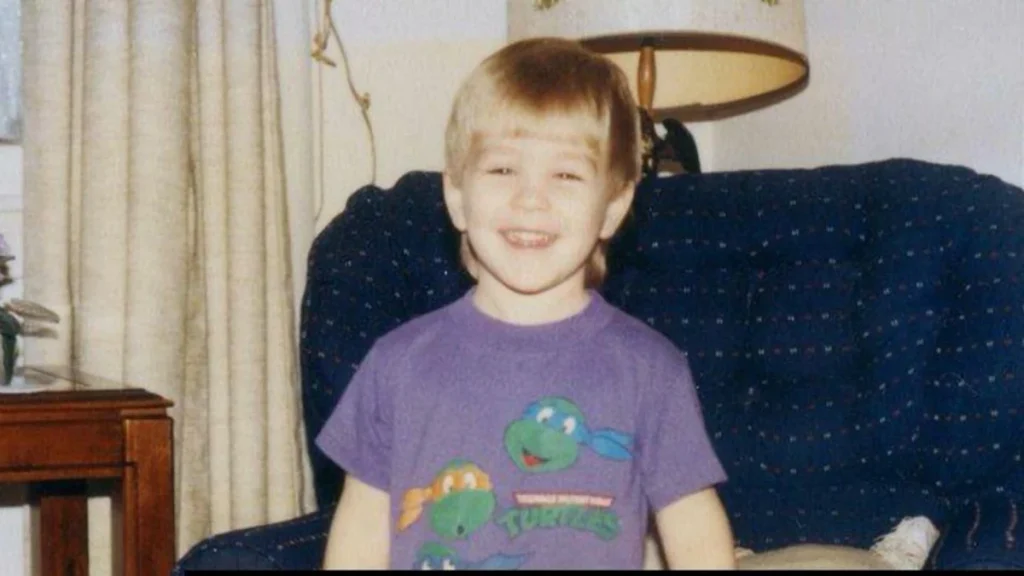
They exchanged a kiss and an “I love you” on the front step before Derrick walked down the sidewalk to camp. He was well known in the neighborhood, and neighbors even nicknamed him the ‘unofficial mayor’ of the village because he was so often seen perched on his bike in the driveway, waving to every car and passerby that went by.
Unfortunately, that day Derrick never made it to the park entrance.
Not long after he set off, a thunderstorm moved through the area, and Doreen said she felt uneasy watching the weather turn. According to CBS News, she said, “I had an awful feeling. It began to pour.”
At around 11 am, knowing Derrick was outdoors in the rain, she took Dalton and got in the car, heading down McCoy Street to the park.
When she approached the park pavilion, she looked around but didn’t see the boy. Doreen questioned the camp counselors, expecting him to be participating in some activity, but the counselors said they hadn’t seen Derrick all day.
After checking the rosters, they realized Derrick had never checked in for the morning session.
A Frantic Local Search and Horrific Discovery
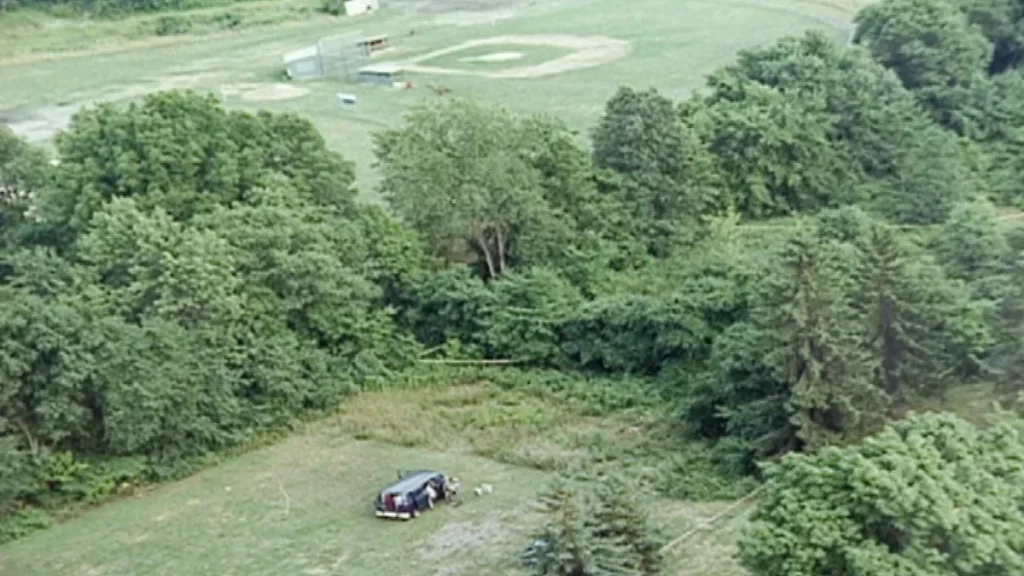
Doreen panicked immediately, knowing the walk was only a single block, so there was no reason her son would be missing. She drove back home and checked the sidewalks, bushes, and porches, thinking he might have sought shelter from the storm.
Doreen then contacted her husband, Dale, who was at work, and immediately called the police. Because Savona was a tiny village of about 800 residents at the time, the disappearance of a child that age was considered an immediate emergency.
Within the hour, word spread about the incident. The local fire department blew its emergency siren to rally the town, and over 300 volunteers, neighbors, and firefighters took to the streets.
Because Savona sat next to a major state highway, investigators considered a worst-case scenario: that a traveling predator might have stopped off the road, snatched Derrick from the sidewalk, and kept driving. So they focused on scanning passing vehicles and highway exits.
Nearly five hours after Derrick’s disappearance, a search party pushed through an overgrown patch of trees and tall weeds off the path to the park. A volunteer then spotted a flash of clothing in the brush, and investigators zeroed in on the spot, finding Derrick’s battered, lifeless body.
The staging of the scene, Derrick’s horrific head wounds, missing shoes, and an open lunch box led detectives to turn the search into a high-priority homicide investigation. Steuben County district attorney’s office records indicated that the boy had been strangled and beaten with rocks.
Both Doreen and Dale experienced shattering grief after being told the news. CBS News reported Doreen’s musings, saying, “I swear that was the moment he died. I think he was letting us know,” referring to the moment she felt sick.
Dale added, “Derrick was very close to us. If there was any way he could have told us he was leaving, he would have tried.”
The cause of death was later determined to be blunt trauma to the head, with asphyxiation as a contributing factor. A banana from Derrick’s packed lunch was also found crushed near his body, and the Kool-Aid Doreen had sent with him had been poured into his wounds.
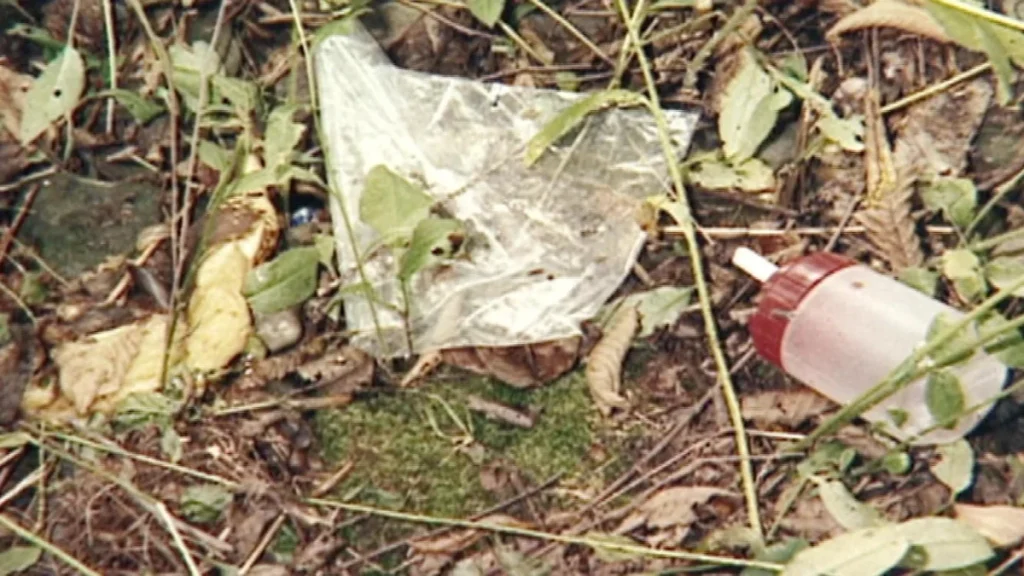
Now, Savona was the kind of place where a crime like this was unheard of and had no obvious explanation. The obvious assumption shared by law enforcement and residents was that a stranger passing through on the highway abducted Derrick and perpetrated the heinous crime.
A Neighborhood Boy Draws Suspicion
The break in the case was not from forensic analysis but from a thirteen-year-old neighbor named Eric Smith. Police set up a command post in the area and began interviewing every resident who might have seen something.
They brought Eric into the post for a two-hour interview done in the presence of his great-grandfather. Initially, Eric was cooperative, but investigators noted two distinct red flags.
When asked if he had seen Derrick that morning, Eric equivocally denied it. Then he changed his story, telling investigators he had been riding his bike near the wooded area around the same time Derrick disappeared and saw him from across the street.
Police were unsure whether, based on his testimony, Eric could have seen the lunch box from his house or the road. Investigators also noted that during the questioning, he seemed amused by the conversation about the crime.
He appeared eager to keep talking and didn’t want the interview to end. It seemed very abnormal for a 13-year-old to be talking about a brutal murder in such a nonchalant manner.
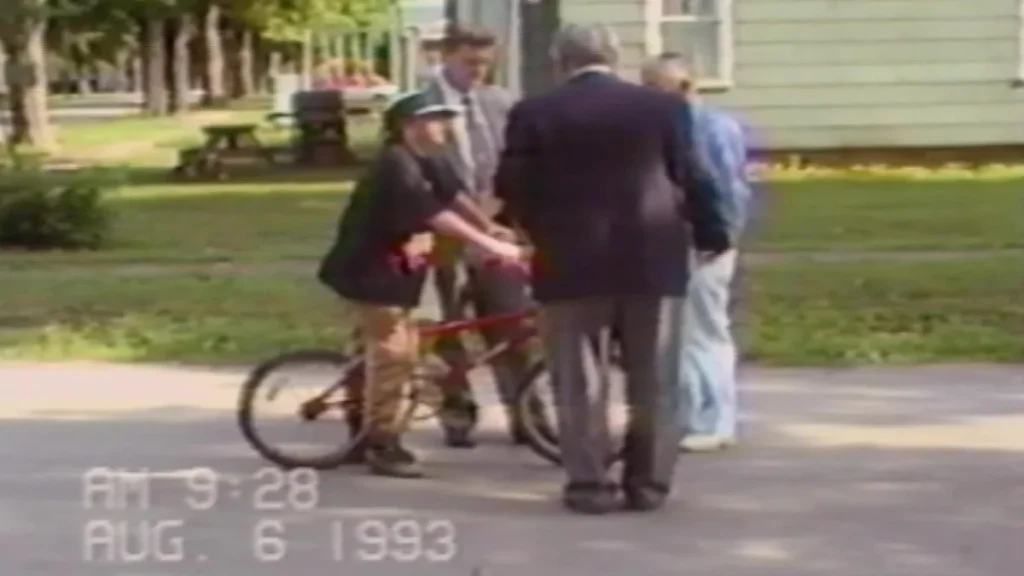
On August 6, four days after the murder, police brought Smith back to the location of the crime and filmed him re-enact the account on his bicycle. When they reviewed the tape, it was clear he could not have seen what he claimed from where he stood.
Other things also drew more suspicion to Smith. The night of the murder, Smith approached a family friend named Marlene Heskell and asked her a strange, specific question about what would happen if the killer turned out to be a child.
He also asked her about the processes of DNA evidence collection. Heskell at first assumed that Smith may have been a key witness to the crime and was being threatened into silence.
She raised her concerns with Smith’s mother, Tammy, and the two drove Smith to the police station themselves. Smith denied any involvement during questioning but later broke down two days later on August 8.
This was six days after the murder. He first confessed to his mother, grandfather, and great-grandfather. According to CBS News, they recalled him saying, “I’m sorry, Mom. I’m sorry. I killed that little boy.”
The Smith family contacted the police that same night he was handed over to police. That evening, he walked the investigators through the crime, detailing how he intercepted Derrick on the McCoy Street sidewalk, lured him into a vacant lot, and took him into a patch of trees, telling him it was a shortcut.
Investigators remarked on how matter-of-factly Eric was as he described choking Derrick from behind till the child blacked out. He stripped the boy’s clothes and sexually assaulted him with a branch before dropping heavy rocks on the toddler’s head.
The Trial of a Thirteen-Year-Old Charged as an Adult
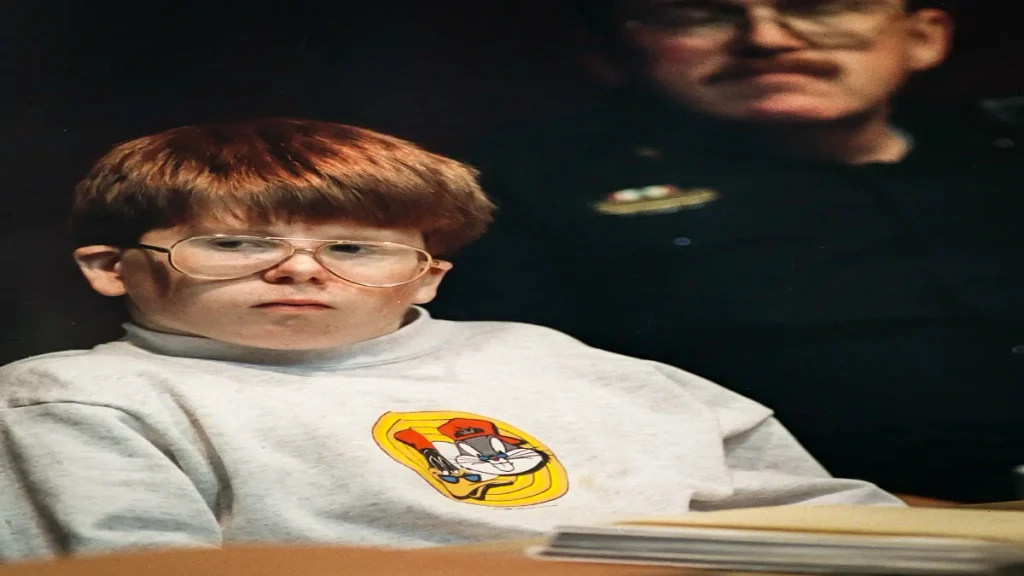
The arrest made Savona a national story overnight. A community which had spent a week bracing for an outside predator had instead learned that the killer was a local boy who was so young and harmless-looking that the public struggled to reconcile it with what he had admitted.
The tabloid press also settled on a nickname that would stick for decades. The ‘Freckle-faced killer.’
A grand jury indicted Smith on second-degree murder on September 2, 1993. Under New York’s Juvenile Offender law, passed in 1978 after a string of violent crimes done by minors, children as young as thirteen can be charged as adults for second-degree murder.
Smith became the youngest murder defendant ever tried as an adult in the history of the state. He pleaded not guilty on September 10, 1993, and the case went to trial.
The district attorney noted the immense pressure of selecting an impartial jury considering the defendant’s age. He told the New York Times, “If the defendant was 35 years old, you would be impatient to get into the jury room.”
The prosecution set out to prove that despite his age, Eric Smith knew exactly what he was doing. They played the audio and video tapes of his clinical confession to the police.
District Attorney Tunney pointed out that Smith had the presence of mind to hide the crime. He also highlighted how Smith deliberately led Derrick out of sight, lied to investigators to throw them off, and acted normal around his family for days to avoid detection.
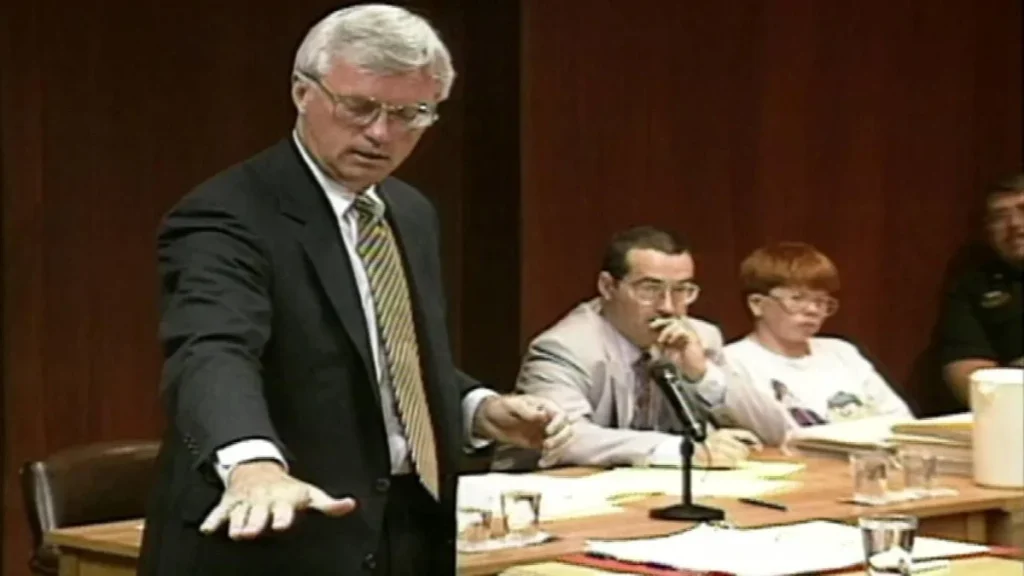
Medical experts from the prosecution also rejected the idea that Smith was legally insane. They testified that while he did suffer from Attention Deficit Hyperactivity Disorder and depression, he had the capacity to form criminal intent.
Defense attorney Kevin Bradley did not deny that Smith killed the toddler. Rather, he built a defense based on mental issues, arguing that the boy could not be held criminally responsible. Witnesses also testified that Smith was relentlessly bullied by peers for his physical appearance, and the defense claimed this created a large reservoir of boiling rage.
The trial lasted two weeks, and because of the graphic nature of the evidence, including the autopsy reports, the emotional toll was significant. On August 16, 1994, the jury rejected the defense’s insanity theory and found Eric Smith guilty of second-degree murder.
From Maximum Juvenile Security to the Eleventh Board
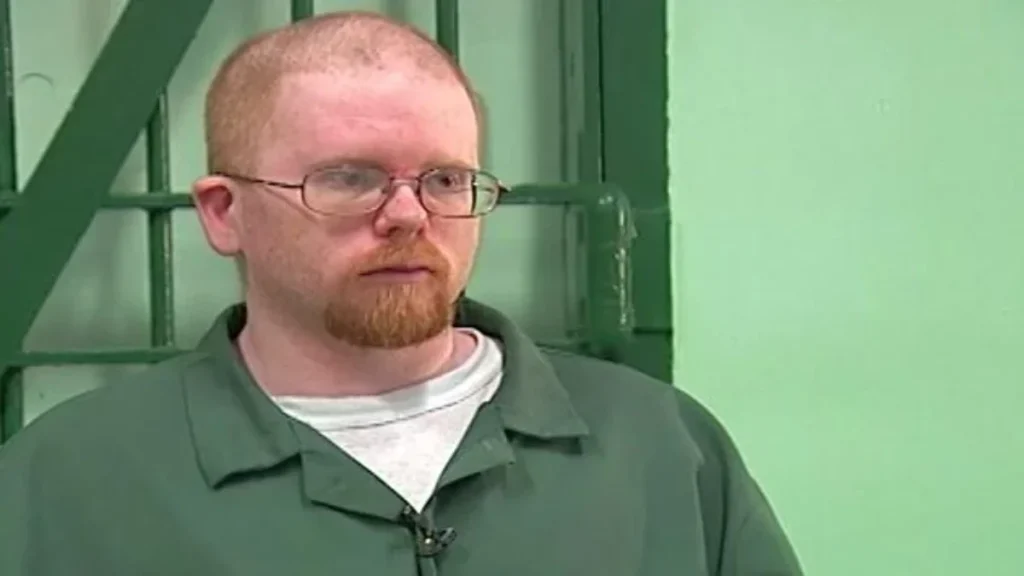
Judge Donald Purple sentenced Smith to nine years to life in prison. It was the maximum term legally permitted for a juvenile offender at the time.
According to CaseMine, he stated, “The actions of the defendant on August 2, 1993, were vicious, brutal, and sophisticated beyond his years. The statutory maximum sentence allowed by law is the only appropriate sentence in this case.”
Smith spent the first nine years locked up at Brockwood Secure Center, which is a maximum-security juvenile facility on Claverack, New York, until he reached the age of 21. He was subsequently moved through a series of adult prisons before eventually ending up at Clinton Correctional Facility in Dannemora.
Under state law, he was eligible for parole in 2002 and was entitled to a new hearing every two years following each denial. He was denied parole ten times between 2002 and 2020.
At the first hearing, the board cited what they considered little remorse for the killing as part of the reason why they denied parole. Each time, Dale and Doreen also showed up to oppose his release.
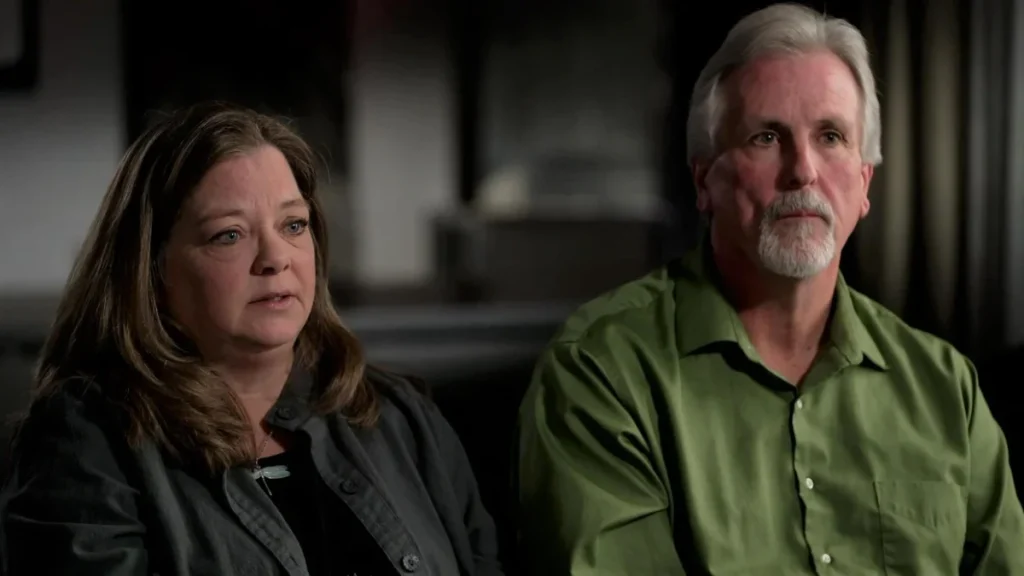
Dale Robie told Press Connects, “It has been 23 years since we lost Derrick. He was brutally murdered, and this was our eighth parole hearing this past April — for me, it was even more emotional than the first seven.“
The Robies also worked to advance legislation which would stretch the mandatory gap between parole hearings for violent offenders from two years to five, so other victims’ families would not be forced through the same cycle.
In the years that followed, Smith began to articulate what drove him to commit such actions. Legal Clarity reported his statements during an interview, saying, “My anger wasn’t directed at Derrick at all. It was directed at all the other guys that used to pick on me.“
By the eleventh hearing in 2021, Smith presented parole commissioners with a clean disciplinary record, plans to work in electrical installation, and an engagement to a woman that had reached out to him years earlier with questions about the juvenile justice system.
WGRZ News reported his statements to the parole board, saying, “I essentially became the bully that I disliked in everything else in my life. He (Derrick Robie) didn’t do anything to deserve it. No one deserves that type of violence. I displaced my unresolved anger with other individuals onto him. It should have never happened.”
Smith was granted parole in October 2021.
Release, Protest and a Homecoming that Wasn’t
News of the parole decision reopened a wound that the town of Savona had not fully recovered from. On November 17, 2021, the residents held a march and candlelight vigil for Derrick Robie to protest Smith’s release and make sure his memory was not overshadowed by his killer’s return to public life.
Many in the community also feared Smith intended to move back in with his mother, a driving concern behind the gathering. His release was ultimately delayed for months while officials searched for approved housing outside the town.
Smith was released on February 1, 2022, after 28 years in custody and relocated downstate to Queens, New York, an estimated 300 miles away from where the crime happened. He initially moved into approved housing with family before making plans to move in with his fiancée.
Under his release terms, Smith cannot leave the state without explicit permission, is subject to unannounced home checks, and must remain under constant monitoring by a dedicated parole officer.
The case never fully left the national conversation about the manner in which the justice system should handle children who commit murder. Derrick’s tragic story bears a close resemblance to that of Maddie Clifton, considering it was an older teen neighbor who perpetrated the murder in both cases.
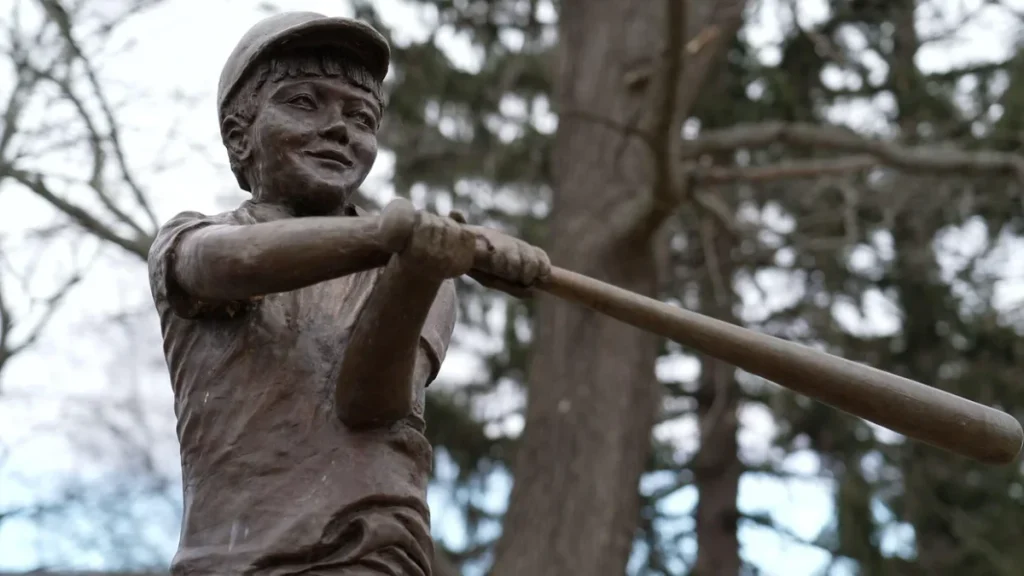
The difference is Eric Smith was released on parole while Maddie’s killer, Joshua Phillips, continues to serve his term. In Savona, the story outlasted the headlines, and the town built Derrick Robbie a ball field in 1993 so no one would forget, followed by a memorial statue installation the following year.
Dale, Doreen and Dalton have largely chosen to live a quiet private life outside the glare of the media. For decades, their lives were dictated by cycles of keeping Smith behind bars. Today, their focus is preserving the joy of their son’s life.
For more true crime stories involving murders, check out our articles on Sophia Kotsier and Isi Etute.