
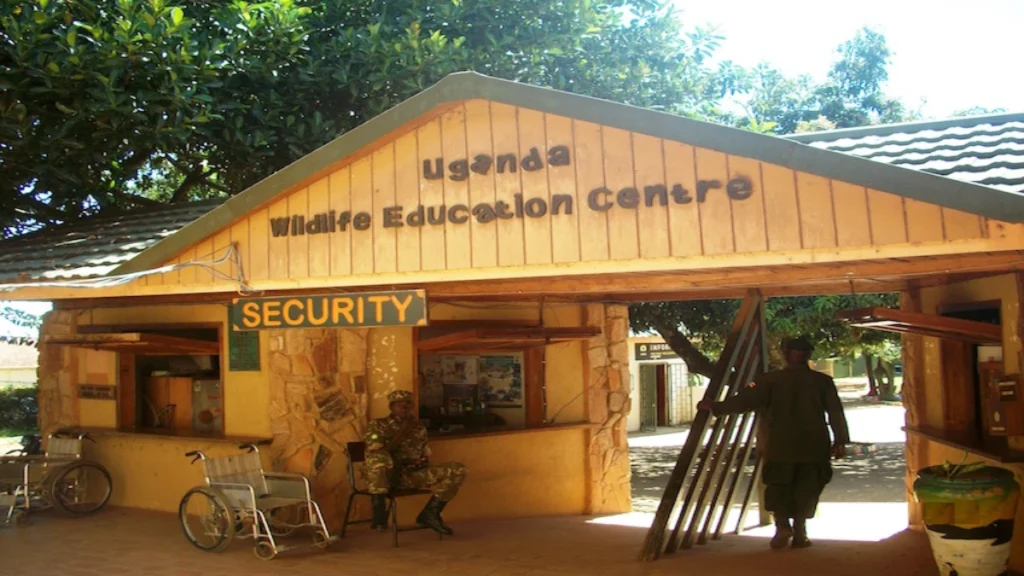
On October 28, 2015, 21-year-old Dutch medical student Sophia Koetsier and her two friends arrived at Murchison Falls National Park as part of a multi-day overland driving tour. Their accommodation that day was the Uganda Wildlife Authority Student Education Centre at Paraa.
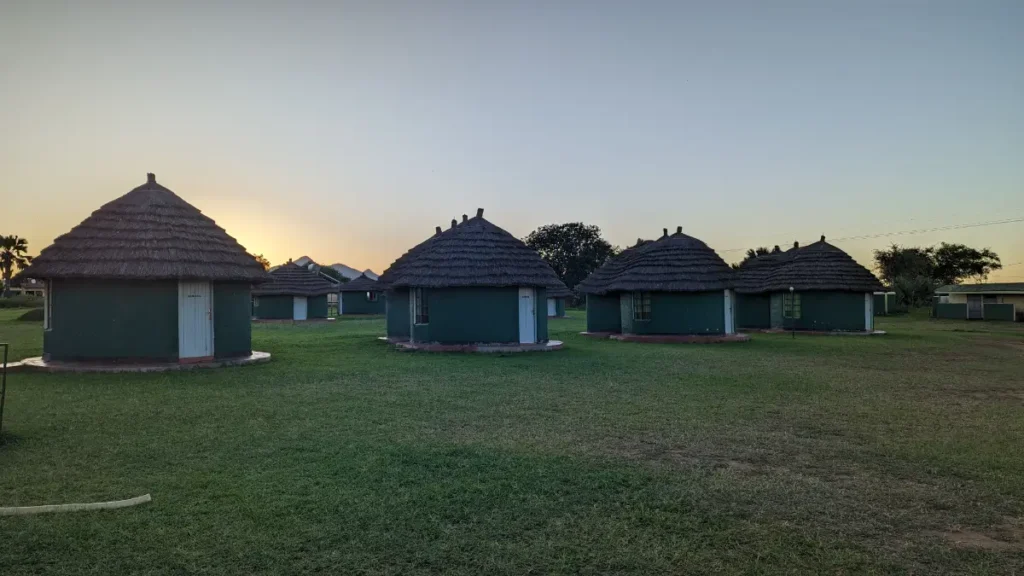
This area was not typically visited by foreign tourists because it offered only basic amenities. Lightly furnished rooms and shared bathrooms were found in the outbuildings.
When they arrived, Sophia and her two friends embarked on a trip down the Nile River. They were chaperoned by an unlicensed tour guide driver named Michael Kijjambu.
Her friends had noticed that Sophia had been behaving erratically over the last few days. Sophia had disclosed that she had bipolar disorder just a few days before, so it was not new, but her friends were still worried.
At 6 pm, after arriving at the Uganda Wildlife Education Centre safari camp and settling into their accommodations, Sophia left the shared room. She informed her friends she was going to use the outdoor restroom.
While Sophia was gone, her friends took this chance to call her mother, Marije Slijkerman. She was currently in the capital, Kampala. On the phone, they expressed their concern about Sophia’s deteriorating mental state. Her friends were also planning to cut the trip short and take her home the next day.
While they were on the phone, Kijjambu approached them and asked, “Have you seen Sophia?” It was at that point they noted she had been in the bathroom for too long.
To avoid the risk of panic, the group opted not to tell Marije that Sophia was missing. They assumed she could not have gotten too far and was somewhere in the camp. The two girls and Michael began checking the immediate vicinity, including the cabins and the latrine hut, calling out her name.
A Uganda Wildlife Authority worker said he spotted Sophia near the camp latrine at around 6.30 pm as it began to get dark. She was holding an empty mineral water bottle, which she had been using to collect trash. She was also looking toward the Nile River.
Realising the dangers of getting lost in a wild and unfenced reserve with predators, they ran to the camp headquarters. Within minutes, a formal search party was deployed, complete with armed park rangers and staff.
The rangers set out into the bush with guns to search for the medical student, but darkness was already falling. They ordered Sophia’s friends to stay within the camp for their own safety. The small party of trackers ventured down the dirt road towards the Nile.
By 8 pm, the thick darkness made tracking virtually impossible and highly dangerous, given the park’s nocturnal predators. The rangers had to return to camp.
At 9 pm, Sophia’s friends decided to call her mother to inform her that Sophia had gone missing just a few hours earlier. Without hesitation, Marije packed and headed straight for Murchison Falls National Park.
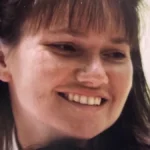
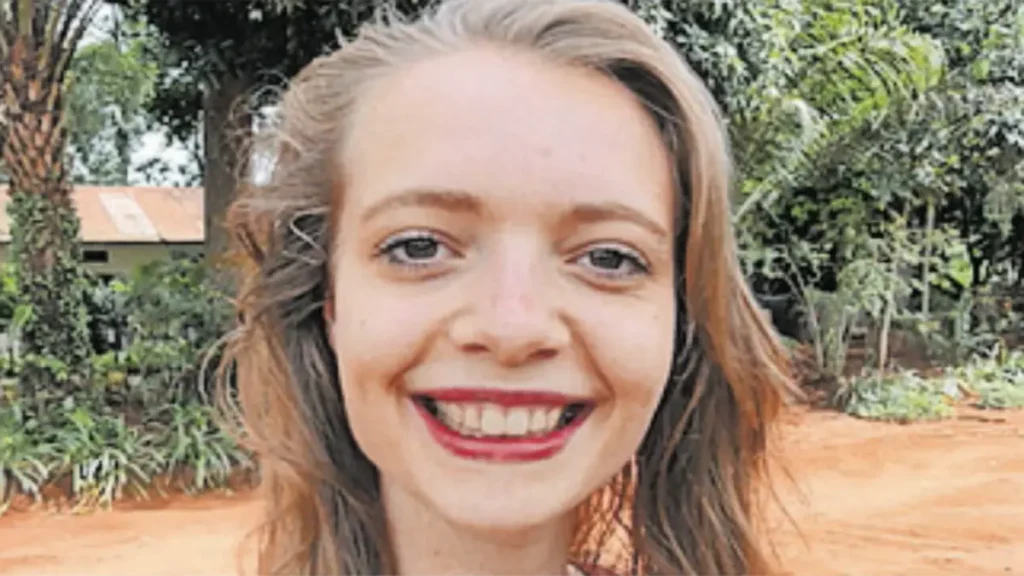
Sophia Koetsier, the Dutch Medical Student
Sophia was born on December 7, 1993, in Amsterdam, Netherlands, to Gerard Koetsier and Marije Slijkerman. As the eldest of three children, she was an outgoing, cheerful kid.
Making friends came easily to her, and she spent her time playing sports and the piano. Unfortunately, Sophia was also plagued by mental issues, which began during her teen years.
She often had infrequent bouts of acute insomnia and sudden hyperactivity, which led to a diagnosis of bipolar disorder at 16. Sophia fell on a rare spectrum of the condition, where she never experienced depression. Her episodes were either manic or hypomanic.
Episodes were sometimes triggered by intense stress, sleep deprivation, and overstimulation. When they occurred, Sophia would take medication to rest and typically recover very quickly. Her condition did not negatively affect academic performance or other areas of her life.
Despite wanting to become an actress in her younger years, she chose the path of a healer and enrolled at the University of Amsterdam to study medicine.
By 2015, she had already earned a bachelor’s degree in medicine and decided to take a gap year before enrolling in her master’s program. Sophia was also a member of AIESEC, which is a youth-run non-profit organisation focused on social impact. She used the institution’s global network to secure an eight-week internship at Lubaga Hospital in Kampala, Uganda.
Christine Moru, a midwife at the hospital, described Sophia as courageous and hard-working. She said that Sophia picked up things very quickly. “She seemed a born doctor to me. Always eager to help, wherever and however she could. She’d be mopping floors, if needed. I have never seen a mzungu do that.”
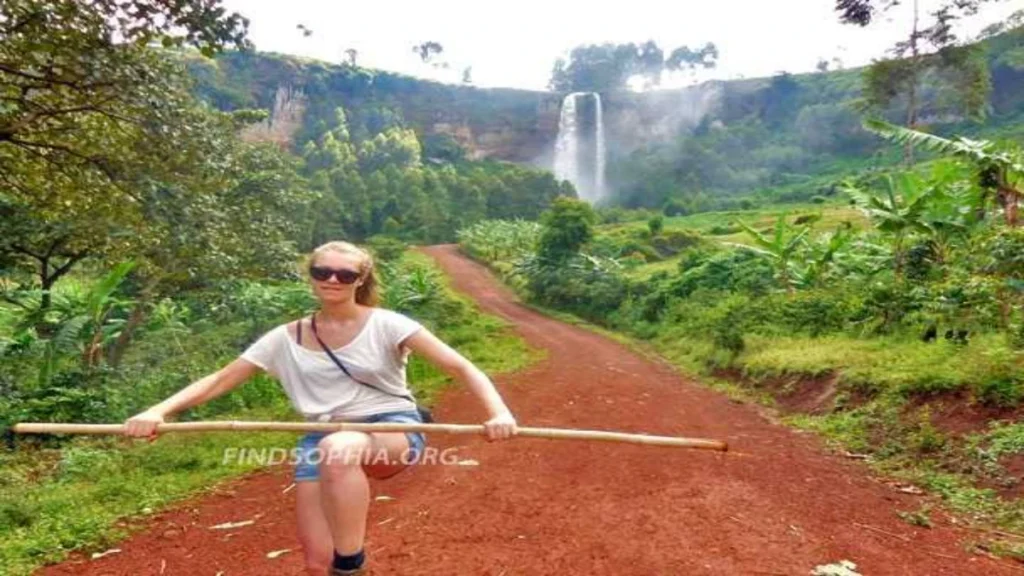
In a few letters to her family, Sophia described her love for Africa. Particularly the way of life and the habits. She even considered staying permanently.
According to the Daily Beast, she penned a letter after the course saying, “I sincerely regret that my stay here is over. All the people in the hospital are so sweet. I will really miss them and hope to be back one day. Who knows, as a doctor of tropical medicine?”
The Safari And the Warning Signs
After the eight-week internship at the hospital, Sophia and two of her friends booked a tour. This safari began on October, 23 2015, and the group planned multiple stops through Uganda’s national parks. Michael Kijjambu was their tour guide.
A few days before Sophia went missing, the trio visited Kidepo Valley National Park, where they stayed for a night. In the evening, she began exhibiting weird behaviour.
Her friends also recalled that she was smoking and playing music very loudly. Stephen Nyadru, the assistant warden for Tourism at Kidepo Park, testified that while the group was there, he was woken up at 4 am by loud banging noises.
One of the staff members on duty, Corporal Zackari Logwe, investigated and found Sophia on a platform. She was banging on interpretive panels. Monitor Uganda reported Nyadru’s observation: “It looked like she had pulled grass near the kitchen and was trying to set it on fire.”
Apparently, Nyadru informed Kijjambu of the situation and advised him to take Sophia for a psychiatric evaluation and cancel the trip immediately. That did not happen, and the group set out the next morning.
On the same Monitor piece, Nyadru added, “They returned shortly after Ochieng told me the girl had tried to jump out of the moving vehicle.” He strongly advised them to end the trip there because Sophia’s condition posed a significant risk, especially in parks with dangerous animals.
It was later determined that Sophia was on malaria prophylaxis pills the whole trip. These medications can have neurological side effects, which must have interacted with her condition, exacerbating the symptoms.
Nyadru, during a trial testimony, said, “I told him to take the girl to Lacor Hospital in Gulu and then return to Kampala. He agreed and said they would sleep in Gulu.” Days later, the news reached Kidepo that Sophia had vanished in Murchison Falls National Park.
Until that time, neither of the friends had informed Marije concerning Sophia’s deteriorating mental state.
What They Found At the River
The search for Sophia Koetsier resumed on the morning of Thursday, October 29. Rangers and soldiers found Koetsier’s water bottle around the riverbank. They found nothing else on the bank that day.
At 11 am the next day, rescue parties discovered a few more personal effects, some 600 yards from where she was last seen. These included sunglasses, a loose boot, an empty wallet, a torn 1000-shilling bill, and her bag. They were along a 50-yard stretch of the Nile’s north bank.
Unfortunately, strips of fabric from a pair of pants had tangled around branches. Her underwear was hanging high up in a tree.
Apparently, these new items were very near where the water bottle had been found the previous day, but somehow the rangers failed to notice them on Thursday the 29th. It begged the question of whether they were placed there overnight.
There was no blood, though, on the ground or on clothing. Nothing on the branches even. Murchison Falls ranger Henry Buzu, who assisted in the efforts to find Koetsier, said, “If she had been eaten up by the animals, animals eat on the land, we would have been able to see the activity. Some parts would have remained.”
It seemed important to note that the only articles of clothing that were recovered related to Sophia’s lower extremities. These were her pants, underwear, boots, and insoles. No upper-body clothing was ever found.
The Crime Scene That Was Treated Like An Accident
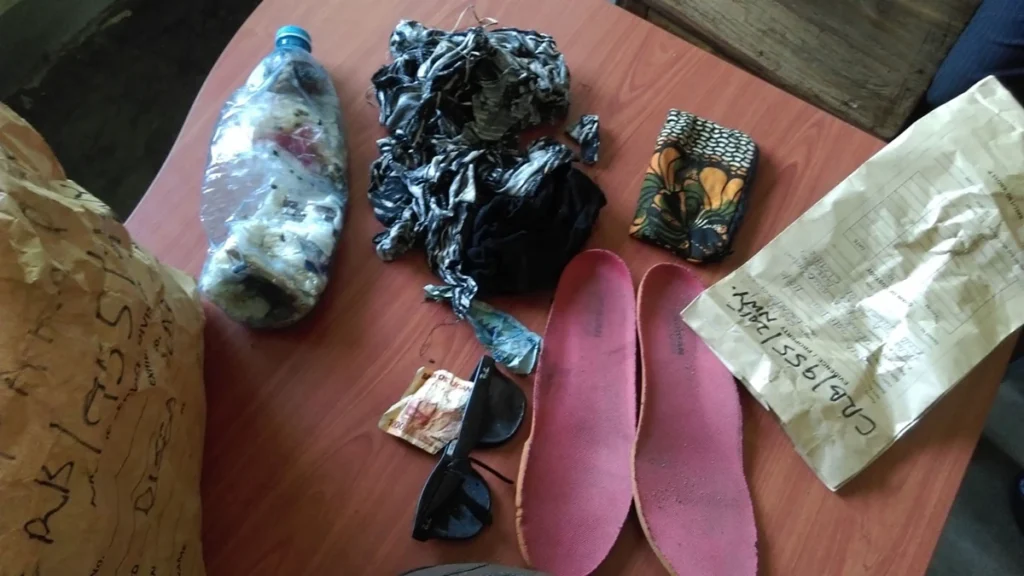
From the time Marije arrived at the bush camp, she noticed a lack of urgency in the search for Sophia. Considering her whereabouts were unknown, and her personal items were in disarray on the riverbank, the entire area should have been sealed off with police tape.
The authorities immediately assumed it could have been an animal attack, but did not consider that a person may have done this to Sophia. The manner in which the clothes and other items were found does not suggest it was an animal attack.
This is because of the lack of blood on site. If an animal attacked her, there would at least be evidence on the ground or on her clothing.
Helicopters, search dogs, and drones were all brought in to help find Sophia, but they never got a lead. On November 4, Dutch police arrived at the park to conduct a drone scan of the area, but they found nothing.
Thomas Coyne, a survival instructor, reviewed the case and told the Daily Beast. “It is my belief that this is a homicide meant to look like an animal attack.”
He also said that if a bladed weapon or blunt force object was used to subdue her, then it is likely that the upper garments contained traces of blood from the victim. There may even have been the attacker’s blood on these items, especially if she fought back.
Criminologist Clair Ferguson noted that criminals are often hasty in the aftermath of a homicide, so it could account for the confusing state of the evidence at the riverbank.
She also told The Daily Beast, “If the crime is spontaneous in terms of timing, it is normal for them to make do, using whatever evidence is available to create the false scenario.”
DNA Tests Change the Trajectory of the Investigation
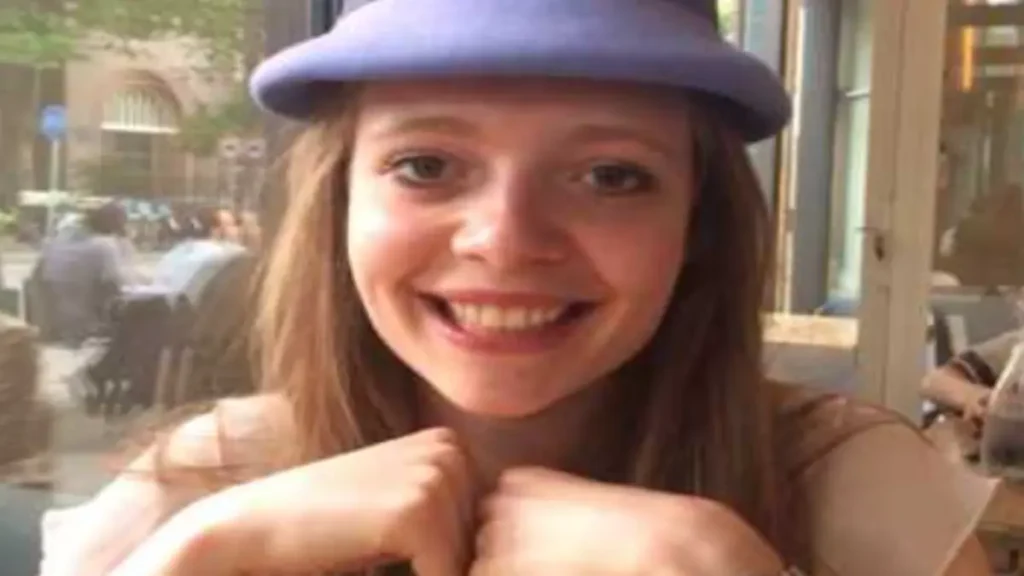
The initial forensic tests conducted on her clothing were only to confirm that the clothing did, in fact, belong to Sophia. Ugandan police unfortunately sat on the evidence for years before they agreed to analyse it for DNA.
Marije responded by hiring a private laboratory in the United States to run DNA testing on all available pieces of evidence. The lab already had profiles for all 28 people who had potentially handled the evidence after it was discovered.
After they were excluded, a single unknown male DNA sample remained. This DNA was found on the pieces of trousers and underwear, and on the recovered insoles. The presence of the DNA across different items suggested that an unknown person was directly involved in the girl’s disappearance.
Dutch forensic analysis of the underwear also confirmed that Sophia’s DNA was present. However, an unidentified DNA profile was present. This has yet to be matched to anyone.
The Reinvestigation of the Case
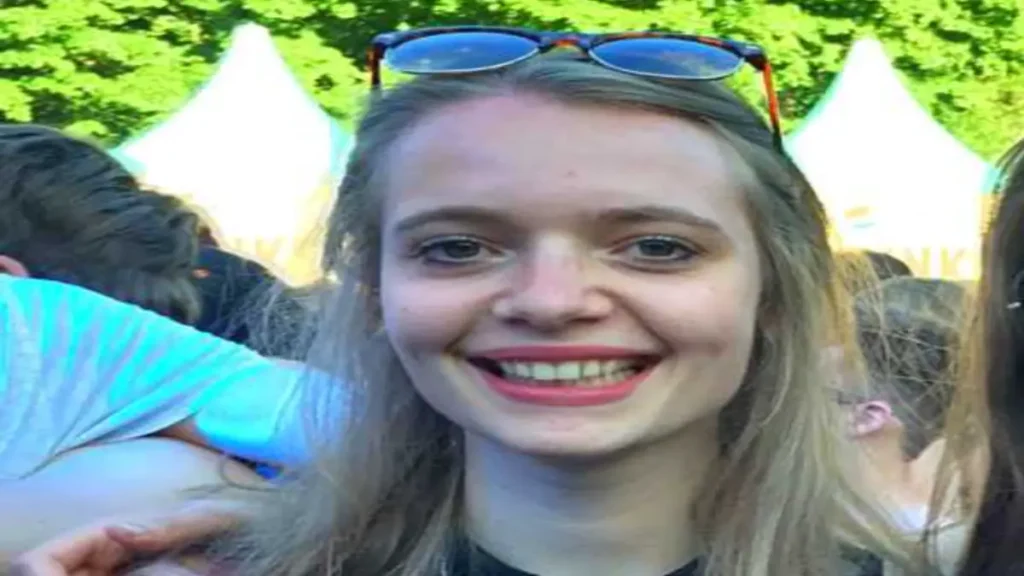
Following the appointment of a new director of Uganda’s Criminal Investigations, a dedicated special task force was formed in 2022 to revisit the file. This shift moved the focus of the investigation from an animal attack to a criminal investigation.
Hence, they decided to take a closer look at Michael Kijjambu. They gathered that he did not have certification to facilitate the tours Sophia and her friends took.
It became the prosecution’s leverage as they maintained that he did not have a valid license and professional knowledge of how to handle an unstable client. This negligence, they posited, was what led to the disappearance of Sophia Koetsier.
Kijjambu was charged in court with operating without a valid license and negligence. The latter charge is because he was advised multiple times to get Sophia help and cut the trip short, but chose to ignore her symptoms.
In June 2025, Kijjambu appeared before the judge at the Buganda Road Chief Magistrate Court. Marije Slijkerman testified as a witness for the prosecution. She delivered an emotional presentation in court with family photographs and stated, “He knew she was unwell and ignored all warnings.”
Despite the testimonies, the prosecution struggled to legally tie Kijjambu’s violations and the general negligence to the specific criminal act which caused Sophia’s disappearance.
On September 25, 2025, Chief State Attorney Joan Keko presented a formal withdrawal form to the Buganda Road Chief Magistrate’s Court. The document was also signed by the Director of Public Prosecutions, Honourable Justice Jane Frances Abodo. They withdrew all charges against Kijjambu.
Though this brought a permanent close to the legal proceedings against the tour guide, the case technically remains open as an active missing person file.
Patterns And Aftermath
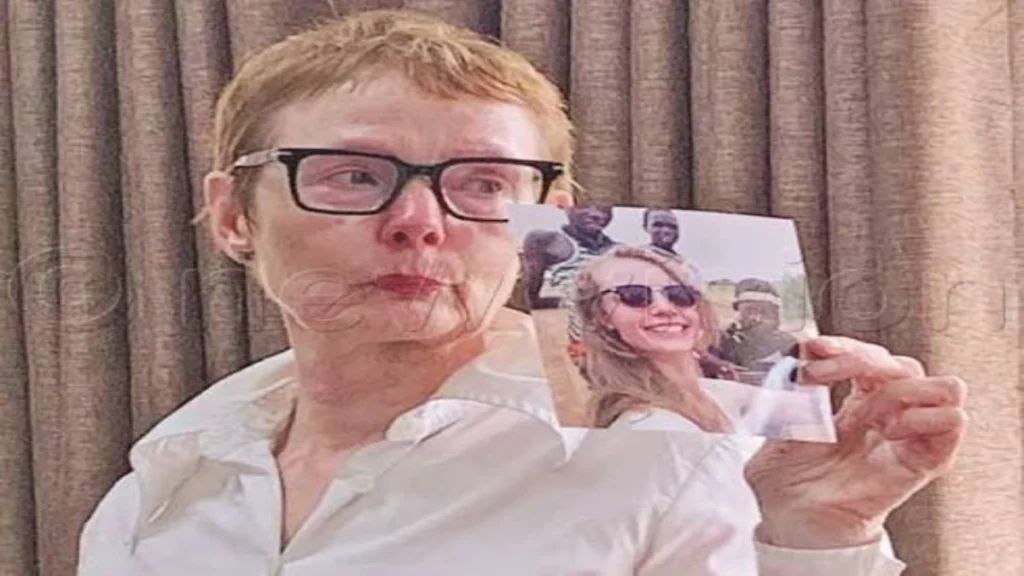
While conversing with the UWA rangers, Marije came to learn that on the night of her daughter’s disappearance, a significant number of Uganda People’s Defence Force soldiers were staying at a camp nearby. These soldiers were never questioned during the inquiry.
Between 2017 and 2022, nine foreign visitors have vanished in or near Ugandan national parks. Many of these under suspicious circumstances. Some of the cases were resolved following ransom payments, while others remain missing-persons cases.
Sophia’s disappearance is one of many cases where years of searching have failed to provide a definitive answer. Her story closely resembles the disappearance of Lauren Spierer, who went missing after a night out with friends.
Marije compiled these into a detailed report, showing similarities in the circumstances in other cases. However, the Ugandan authorities have dismissed the connections.
Marije Slijkerman has since created the Find Sophia Foundation and made 28 trips to Uganda, tracking down witnesses and evidence that the police had overlooked. She criticised the initial investigation for its lack of forensic work.
An excerpt from a recent post reads, “Painful and frustrating. To find the truth, one must keep digging persistently and not give up. We shall not give up on Sophia and will do what we can to make sure she is not forgotten.”
Slijkerman told the Daily Beast, “I had a strong sense that things were not right. That feeling has remained very strong to this day. When seeing this very puzzling trail of items, I did not see Sophia’s hand there. The items were definitely produced and laid out by human hands. It felt very strange and unreal.”
More than a decade later, Sophia Koetsier remains missing. For her family, the question of what happened that evening in Murchison Falls remains unanswered.
For more stories on unsolved disappearances, explore our articles on Jodi Huisentruit and Leigh Occhi.