

In the spring of 1948, an 11-year-old Sally Horner and her friends walked into a local Woolworth’s dime store. To fit into her new friend group, Sally slipped a five-cent notebook into her bag.
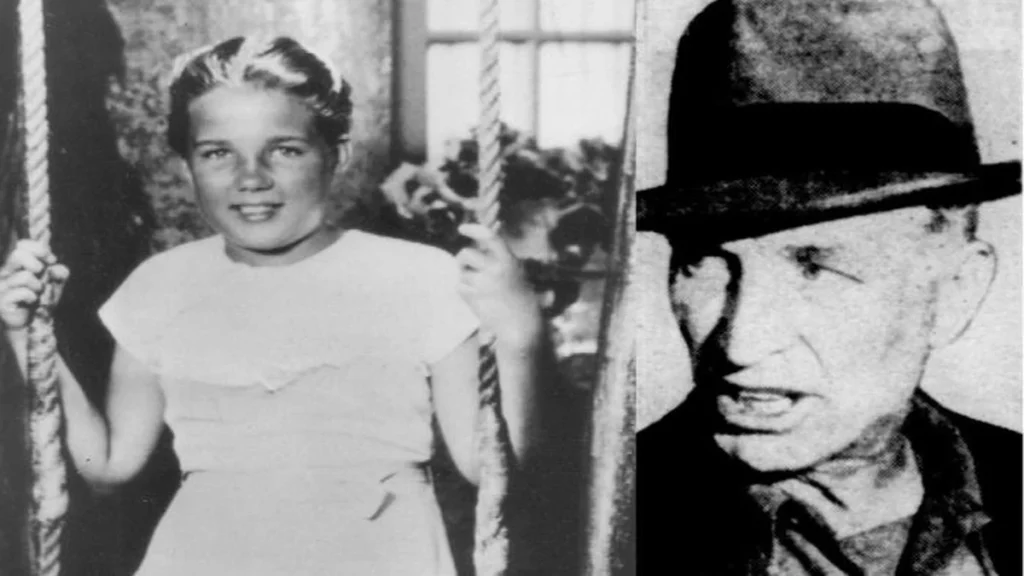
This act caught the attention of a convicted child molester, who not only stalked Sally Horner for the following months but also changed the trajectory of her life.
What led to the kidnapping of Sally Horner?
Florence “Sally” Horner was born on April 18, 1937, in Trenton, New Jersey, to Ella and Russell Horner. Russell worked as a crane operator and struggled to stay employed due to his alcoholism.
Eventually, he became abusive towards the family, which resulted in Ella leaving the house with her daughters in 1940. The family went to Camden, New Jersey, for a fresh start. After the move, Ella was left alone to take care of Sally and Susan, her daughter from a previous marriage. She started working long hours as a seamstress to make ends meet.
Russell also tried to keep in touch with a young Sally, but due to his failing health and inability to find a job, he became depressed and took his own life in 1943.
During this period, Susan, still in her teens, took on the responsibility of caring for Sally Horner. She also dropped out of school to work and contribute more to the household income.
In 1945, Susan met Alvin Charles Panaro, a soldier in the U.S. Military. They fell in love, got married, and the couple moved to a nearby town called Florence Township. The new arrangement left Sally feeling isolated at home in Camden.
With Susan gone, Sally Horner poured her energy into her studies and became a model student at Northeast Elementary School. She not only became an honors student but was also elected president of the school’s Junior Red Cross club.
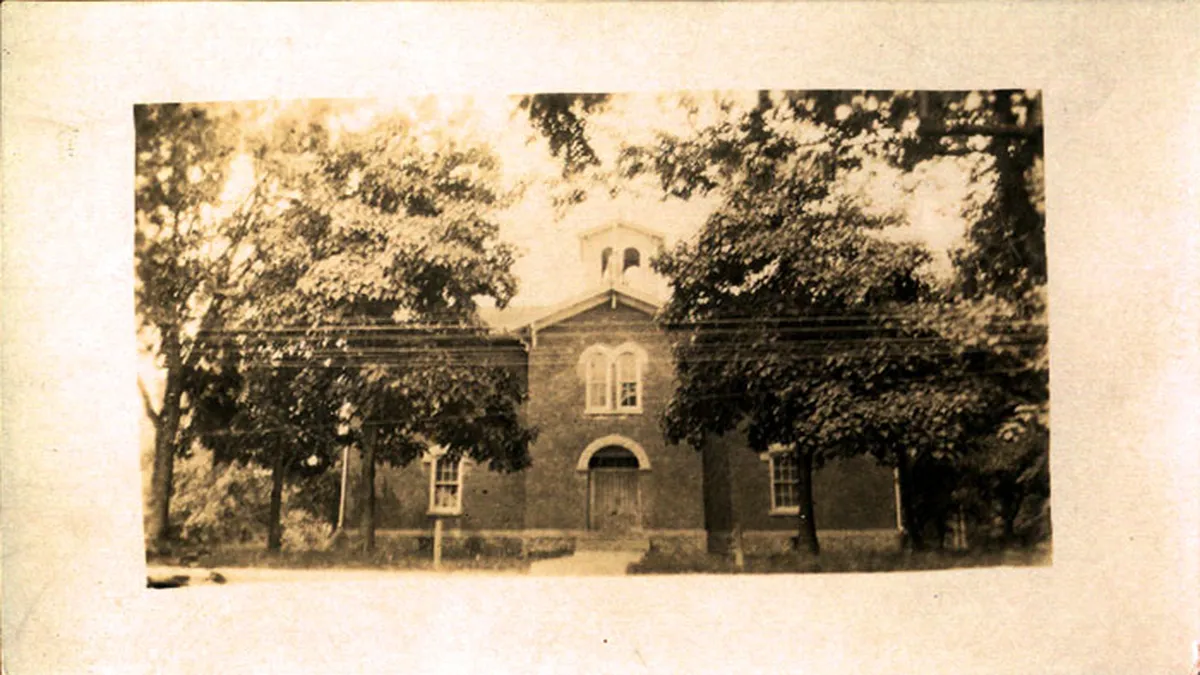
In the following years, Susan also kept in touch with the family by visiting them from time to time, though the visits became less frequent after she got pregnant in 1948. This led Sally to seek company and acceptance outside her family. Then she met a group of girls and was eager to fit into their clique.
On an afternoon in March 1948, Sally went to Woolworth’s dime store with her new friend group. The girls dared her to steal a notebook as an initiation dare. She complied, and that’s when 50-year-old Frank La Salle spotted her.
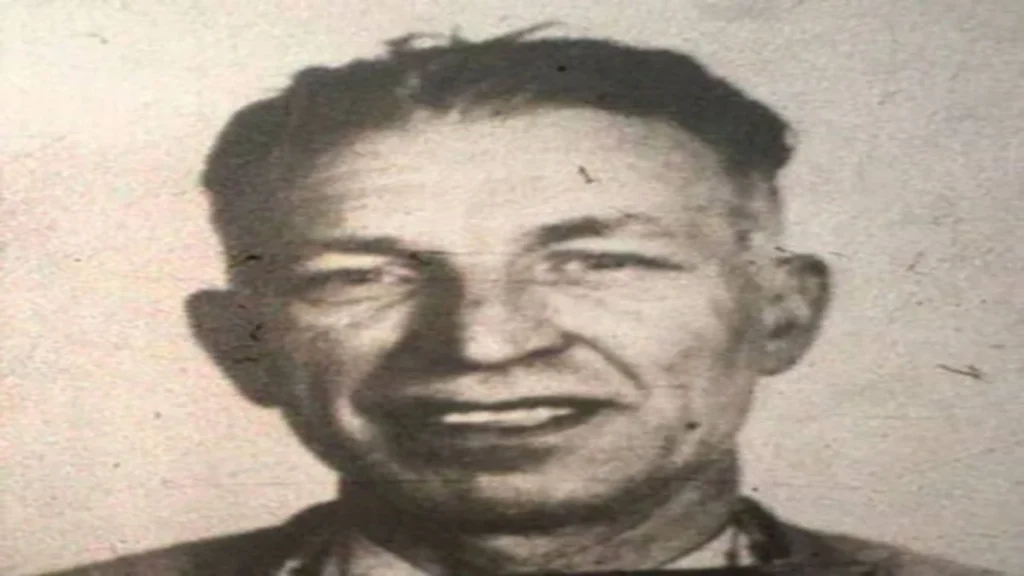
Frank grabbed her arm and claimed to be an undercover FBI agent named “Frank Warner.” He cornered Sally and threatened to send her to juvenile reform if she didn’t “report” to him.
For the next few months, Frank called Sally Horner for secret meetings and groomed her into compliance by feeding her incessant lies and isolating her further.
How Did Sally Horner’s Captivity Unfold?
On June 14, 1948, Frank stopped Sally on her way home. He coerced her into lying to her mother. Sally told Ella that she’d be in Atlantic City for the week, accompanying her school friend on a family vacation.
According to the New York Post, Frank also called Ella to confirm Sally’s story about the trip. He said, “It was a chance for Sally to get a little vacation.” Eventually, she allowed Sally Horner to leave for the trip.
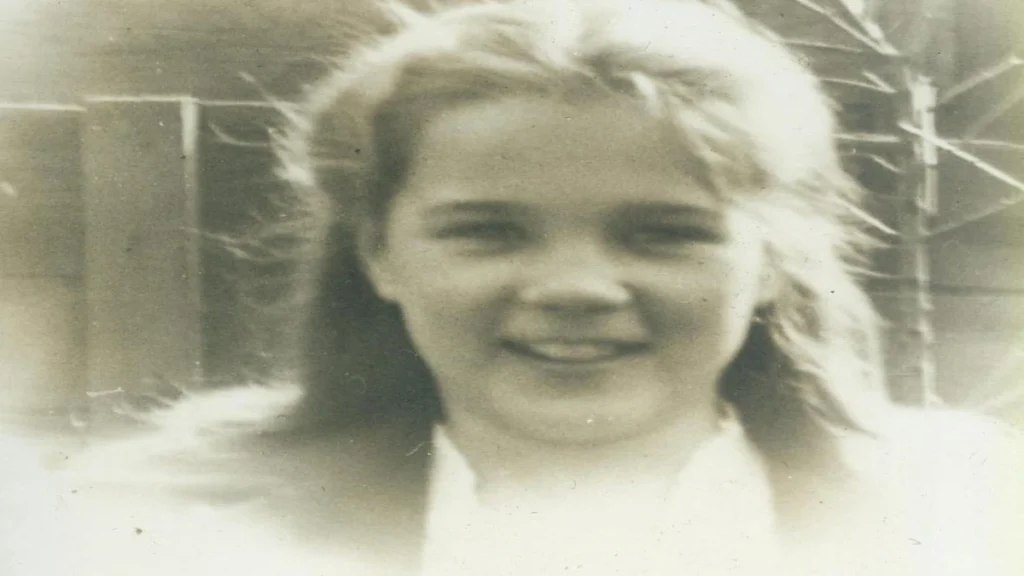
By late afternoon, they boarded a bus to Atlantic City and were joined by Ms. Robinson, who was later described as a lady in her early 20s. Frank claimed she was his assistant and earned a weekly salary of $90.
That evening, the trio arrived at their rented house at 203 Pacific Avenue. Eventually, Ms. Robinson left Sally alone with Frank, and she was never seen again.
Once Frank was alone with Sally, he held her captive and began sexually abusing the 11-year-old. Frank knew that her prolonged absence might attract suspicion or police intervention.
He coached Sally into saying she was having a good time at the beach. The excuses worked until July 31st, when a letter mentioned her moving to Maryland.
New Jersey Monthly noted that in the same letter, Sally Horner also wrote, “I do not want to write anymore.” The statement panicked Ella, and she immediately contacted the Camden Police Department.
The search for Sally Horner has officially begun. She wasn’t the only victim of Frank La Salle. He was a convicted criminal who had previously been charged with five counts of sexual assault.
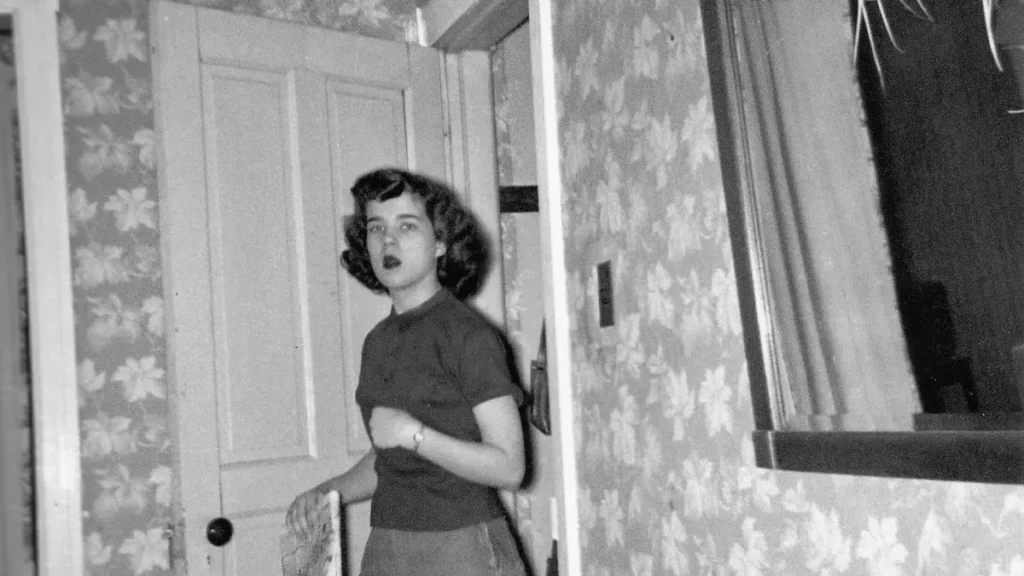
On August 4, the police traced Sally’s letters back to an Atlantic City boarding house. When they arrived, they found only two packed suitcases and a studio picture of Sally left behind.
Though the trail went cold, Frank was paranoid and kept Sally on the move across the states. By late 1948, he took her to Baltimore, Maryland, but their stay was short-lived.
In April 1949, Frank drove Sally Horner to Dallas, Texas, where they settled in a trailer park. He introduced Sally to the neighbors as his daughter and enrolled her in a local Catholic school under the pseudonym “Florence Planette.”
Oak Cliff Advocate reported that their neighbors viewed them as a “typical 12-year-old living with her widowed father.” In the same report, they further mentioned that Sally had a “generous allowance for clothes and sweets.”
In late 1948, Ruth Janisch and her family moved into the trailer next to them. They were among the few people who ever got close to La Salle’s odd arrangement with Sally.
After spending time with Sally, Ruth realized something was off. Oak Cliff Advocate reported her statement, “He never let Sally out of his sight, except when she was at school. She never had any friends her own age.”
They saw Sally Horner taking on all the household chores. She cooked, cleaned, and baked every day while attending school. In September 1949, she developed acute appendicitis and was admitted to Scottish Rite Hospital for Children in Dallas.
During this phase, she missed school for 10 consecutive days and spent at least 3 nights at the hospital. She was barely able to function after her discharge.
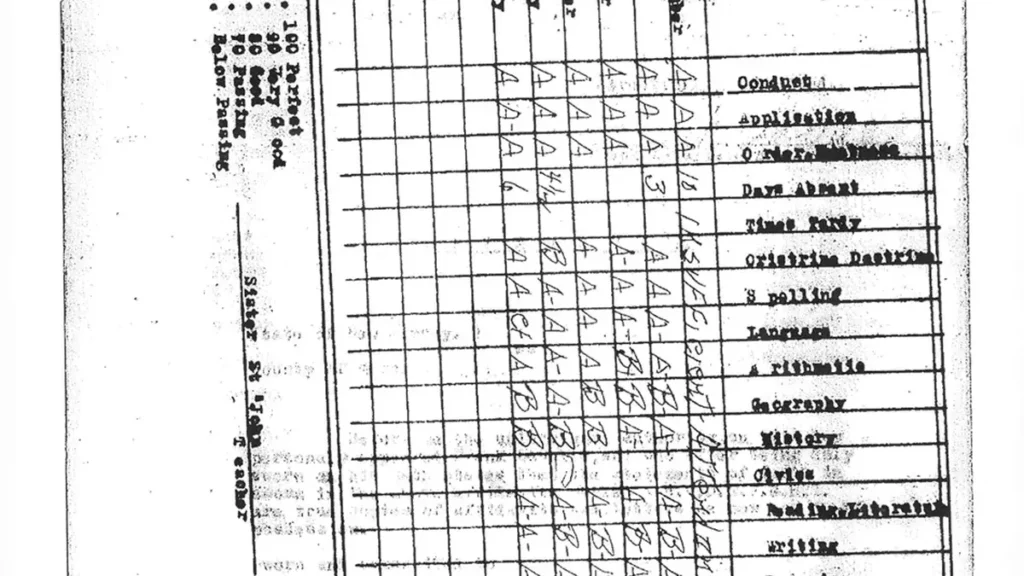
According to Hazlitt Magazine, Josephine Kagamaster, the wife of Frank’s business partner in Dallas, overheard him saying that Sally “walks like an old woman.” Sally became even more isolated after Ruth moved to San Jose, California.
By December 1949, Frank La Salle had grown increasingly paranoid as he couldn’t keep up the facade any longer. Ruth invited them to San Jose so Frank could look for better job opportunities.
On March 18, 1950, Frank drove his trailer to the El Cortez Motor Inn, pulling into the spot Ruth and her husband had reserved for them. For the first few days, Frank took public transport while looking for a job.
Sally was farther from home than she had ever been, and Frank’s lies were not enough to ease the anxious 12-year-old. March 21 marked the biggest breakthrough in the case, when Ruth invited Sally for dinner.
During the dinner, Ruth gently nudged Sally Horner about her dynamic with Frank La Salle. This time, Sally didn’t remain silent and spoke up about her kidnapping and her desperation to go back home.
After hearing about her ordeal, Ruth immediately handed her the phone so she could contact her family. Sally couldn’t reach her mother, so she contacted her brother-in-law, Alvin Panaro.
Hazlitt Magazine reported that Sally Horner desperately called Alvin for help, saying, “Send the FBI after me, please! Tell mother I’m okay, and don’t worry. I want to come home. I’ve been afraid to call before.”
Alvin immediately contacted the FBI, which connected with the Santa Clara County Sheriff’s Department. On March 23, local officers raided the El Cortez Motor Inn. They arrested Frank and placed Sally in protective custody.
Sally Horner Was Finally Reunited With Her Family
On March 31, 1950, Sally was finally reunited with her family at Philadelphia International Airport after spending 21 months in captivity. That same night, she was taken to the Camden County Children’s Shelter for protective custody until the trial.
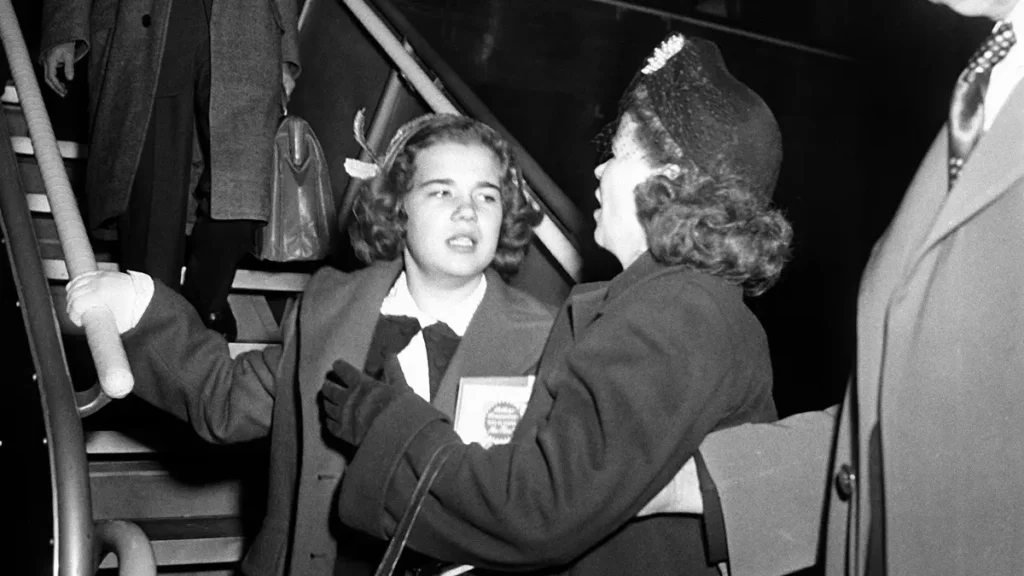
Sally Horner’s case rapidly moved through the legal system. On April 3, 1950, Frank pleaded guilty to the charges of sexual assault and abduction. According to Camden History, the judge called him a “moral leper” during the proceeding.
Frank La Salle was sentenced to 30 to 35 years in prison under the federal Mann Act. He was ordered to serve his sentence at Trenton State Prison.
As the case garnered more attention, the press began asking Ella if she could “forgive” Sally for being sexually active. According to CBC, Ella Horner told the media, “Whatever Sally has done, I can forgive her.”
Following the trial, Sally Horner returned home. She rejoined school to finish eighth grade. Despite facing bullying by her peers, she graduated with honors.
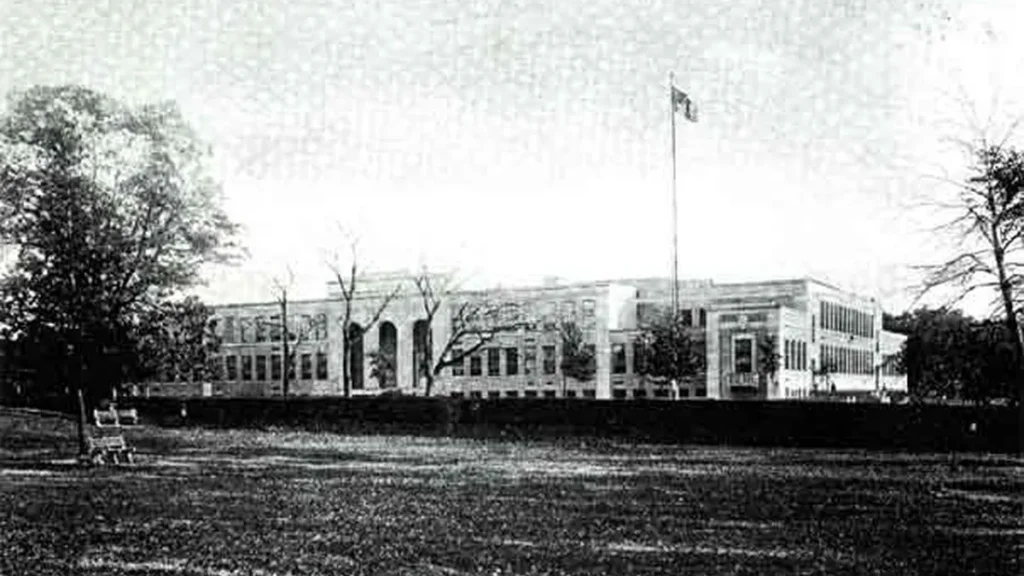
In September 1951, Sally enrolled at Woodrow Wilson High School. But the rumors followed her to the new school. She was ostracised from social circles and continued to face bullying.
Amid the isolation, Sally found a friend in her classmate Carol Starts. Their friendship gave Sally a sense of normalcy. During winters, they even took weekend trips to coastal towns like Wildwood and Cape May.
By June 1952, Sally Horner took a summer job at a cafe in Haddonfield. She met Edward John Baker, 20, and the pair started dating by July. Sally kept her past from Edward to avoid judgment and stigma.
On August 17, Sally spent a fun summer day with Carol and Edward at the beach in Wildwood. During the drive home, Edward’s car crashed into the back of a truck on a two-lane highway near Woodbine.
The impact broke Sally’s neck and crushed her chest. She lost her life at the scene on August 18, 1952, at the age of 15. Edward sustained injuries but survived the crash. He was taken to the hospital for treatment.
Later, the local prosecutor charged him with operating a vehicle with faulty equipment, citing the wrecked car. The charge was later dropped in 1954.
The Aftermath of Sally Horner’s Death
Sally Horner’s funeral was held four days after her passing, on August 22. That morning, her family was appalled to see floral arrangements sent by Frank La Salle.
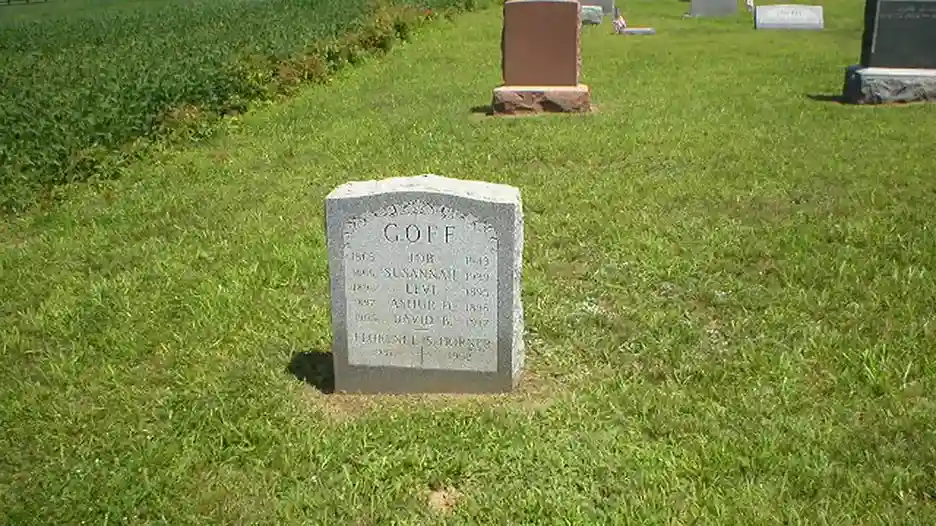
Her sister and brother-in-law immediately ordered the flowers to be removed and not displayed. More than 300 people attended her funeral service. She was laid to rest at Emleys Hill Cemetery, in her mother’s family plot.
Carol struggled to cope with Sally’s death. The Cut reported her saying, “I would hear that we should be moving right along. I wasn’t willing to move right along. I wanted to grieve.”
After Sally Horner’s death, her family chose to stay out of the public eye. They neither gave interviews nor wrote about Sally’s ordeal. The same could not be said about Frank, who continued trying to evade incarceration.
He tried to change Sally Horner’s name in the official court filings. According to the Los Angeles Times, Frank renamed her as “Natural Daughter Florence Horner La Salle.” Later, he also tried to alter her birth certificate.
By 1955, New Jersey appellate courts had rejected all his pleas, deeming them attempts to rewrite history. He remained behind bars until his death in 1966.
Sally Horner’s story didn’t just create headlines; it allegedly inspired Vladimir Nabokov’s novel Lolita. The novel was published in 1955, three years after Sally Horner’s death. Its plot bears striking similarities to the dynamic between Frank and Sally.
NPR cited an excerpt from Nabokov’s novel that directly refers to Sally’s case. The protagonist says, “Had I done to Dolly, perhaps, what Frank La Salle, a 50-year-old mechanic, had done to 11-year-old Sally Horner in 1948?”
However, Nabokov always maintained Lolita was purely a work of his imagination. In 2018, journalist Sarah Weinman wrote The Real Lolita: The Kidnapping of Sally Horner and the Novel That Scandalized the World.

Her work drew renewed attention to Sally Horner’s case and the similarities between her experience and the events in one of the most controversial books in literary history.
For more stories that delve into the darker corners of history, you can explore the tales of Grady Stiles Jr. and Julia Martha Thomas.