
Chuck Murphy noticed a bad smell when he checked on the empty cabin, but mice, chipmunks, and raccoons had gotten into the place. Nobody had lived there for at least a decade. A large piece of furniture blocked the fireplace, and he saw no reason to look behind it.
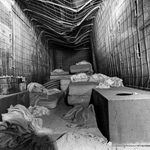
On August 7, 2015, workers demolishing the cabin opened its chimney and found a human body. Murphy described knees positioned above the head and one hand raised near the face. He suspected someone had stuffed the body inside.
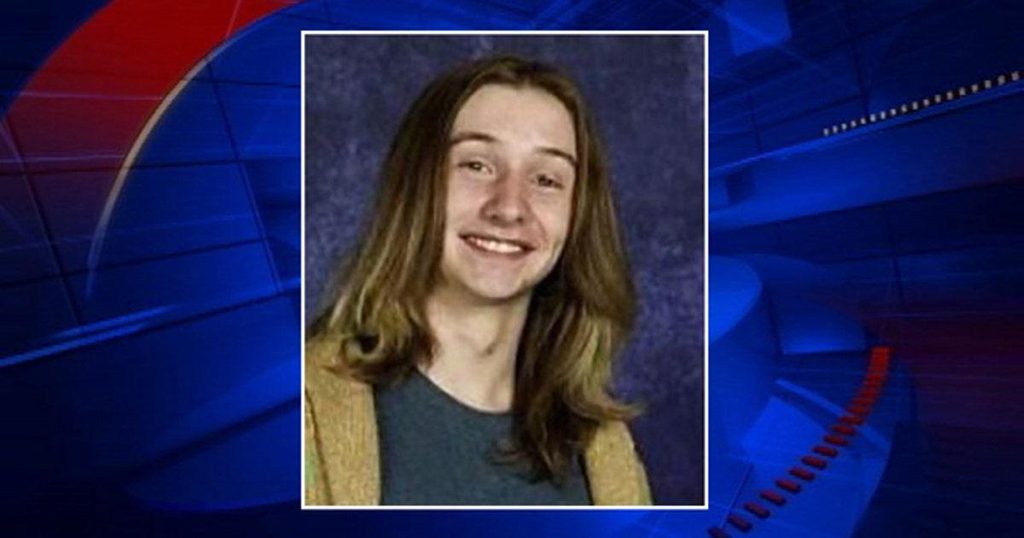
The cabin stood in Woodland Park, Colorado, less than a mile from the home of Joshua Maddux, an eighteen-year-old who disappeared seven years earlier. His family imagined him traveling, playing music or starting a life somewhere else. The discovery would finally tell them where he was. Explaining how he got there proved considerably harder, even for people who examined the same chimney.
Josh wrote stories and played music. At school, he wore a top hat and carried a briefcase. His family remembered an intelligent, creative young man whose kindness mattered as much to them as his abilities. His sister Ruth recalled his insistence that people should never speak badly of others, a standard she tried to follow.
“He was my best friend, and he always inspired me to strive for greatness,” she wrote in a tribute preserved by local journalist Rob Carrigan.
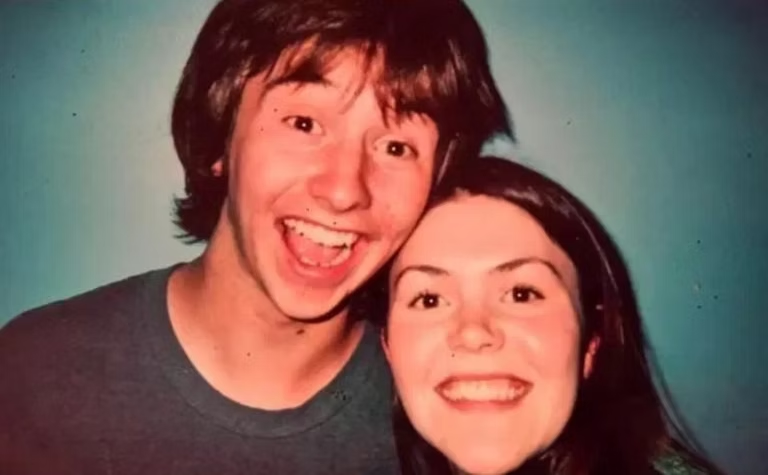
There had already been a death in the family. Josh’s older brother, Zachary, died by suicide in 2006, two years before Josh disappeared. Their father, Mike, said Josh admired his brother and struggled with the loss. It became part of the background people considered when he went missing, although no evidence established that it explained his disappearance.
For Mike, the two losses were inseparable from his experience as a parent. He had buried one son and was trying to find another who had reached adulthood without necessarily being ready to manage everything that came with it.
“They still need a lot of help,” he told the Pikes Peak Courier.
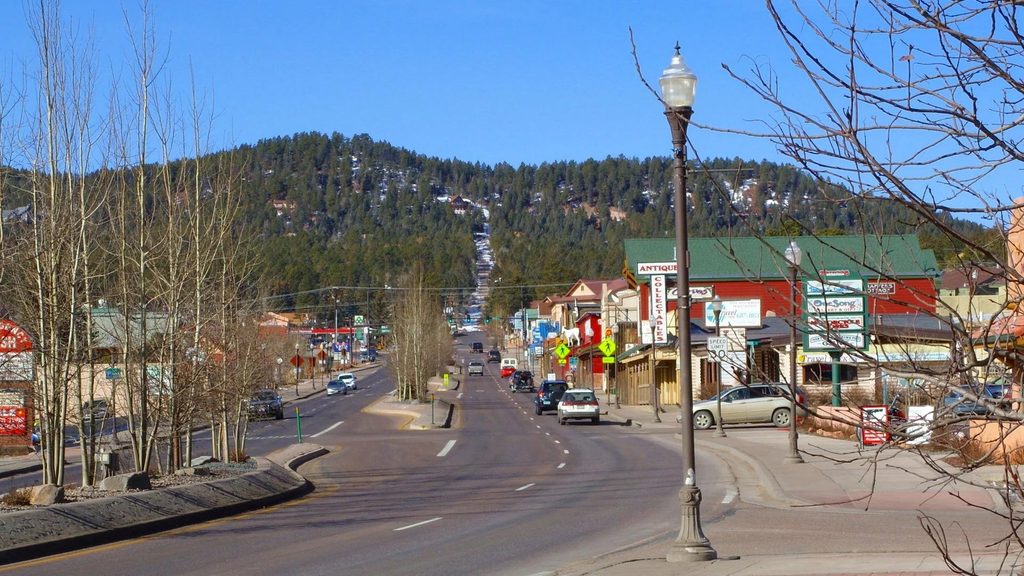
On May 8, 2008, Josh told his sister Kate he was going for a walk. He was eighteen, and he enjoyed spending time outdoors. By the time his father returned from work, Josh was gone.
When he still had not come home the following day, Mike called his friends. Nobody could tell him where Josh was. On May 13, he reported him missing.
Those inquiries did not settle whether Josh was in danger. He was an adult, and police had no immediate evidence of a crime. Leaving town voluntarily remained a possibility. His name entered the missing-person records while his family kept looking for him.
Josh’s interests gave Kate ways to imagine what an independent life might look like. Perhaps he was touring with a band. Perhaps the stories he liked writing had become successful novels published under another name, allowing him to live quietly in the woods. She pictured him returning to their father’s house with a wife and children, introducing them to grandparents and aunts who had never known they existed.
These were possibilities she chose to believe, not sightings or messages from him. They allowed room for a future in which the family would meet an older Josh and learn what he had been doing. As long as he remained missing, that future could not be ruled out.
The family also had moments when they had to consider something much worse. At one point, a body found in New Mexico was thought to be Josh’s. It wasn’t.
“It’s a long-term thing where you’re grieving on hold,” Mike said.
The cabin that eventually ended the wait belonged to another family with a long history in Woodland Park. Murphy’s parents bought it around the 1950s. It had been part of Thunderhead Ranch, a local dining and gambling establishment, and Murphy’s brother lived there for thirty years. Later it became a rental, then stood empty.
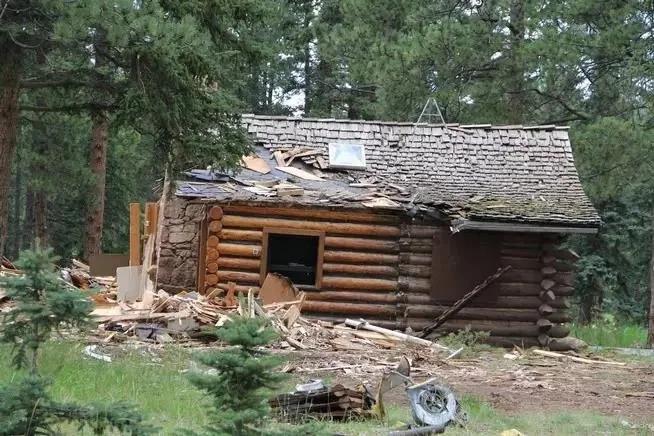
Murphy, a builder, planned to replace the old property with a development of thirty-two single-family lots. The demolition crew came to remove a building that had outlasted its usefulness. Until the chimney was opened, the furniture across the fireplace and the smells inside had not seemed to require any further explanation.
Woodland Park police, the Teller County coroner’s office and the Colorado Bureau of Investigation became involved. The CBI’s forensic team later included the recovery among the cases highlighted in its 2015 annual report.
Dental records identified Josh. Another distinguishing feature supported the finding: the missing tip of his right index finger, which he lost in a childhood bicycle accident. By late September, the family knew the remains recovered in August belonged to him. He would have been twenty-five that year.
The examination found no detectable injuries indicating violence, such as broken bones or gunshot wounds. Teller County Coroner Al Born believed Josh tried to enter the vacant building through its chimney and became trapped.
A wood-burning insert in the fireplace blocked the route into the room below. In Born’s reconstruction, Josh began a descent he could not complete. His slender build might have allowed him to enter the chimney, but it did not give him a way through the obstruction at the bottom.
The ruling was accidental death. The precise cause remained undetermined.
That distinction left substantial uncertainty. A proposed route into the chimney did not account for everything that happened afterward. Hypothermia was suggested, but it was not established as the cause. The discovery did not reveal how long Josh survived or what efforts he made to get out. The position of his remains could be described, but no one could reconstruct the movements that put him there.
His clothing introduced another problem. Josh’s body wore only a thermal shirt, while other clothes and his shoes lay beside the fireplace, inside the cabin he was supposedly trying to enter.
That did not establish a crime. It did, however, make the proposed accident difficult to follow from beginning to end. An attempted entry from the roof still required an explanation for belongings already inside. Had Josh entered the cabin earlier? Why would he then approach it through the chimney without his trousers or shoes? The recovered clothing supplied no answers.
Murphy challenged the route itself. He said heavy wire mesh installed near the chimney’s top kept animals out, and he believed it remained intact.
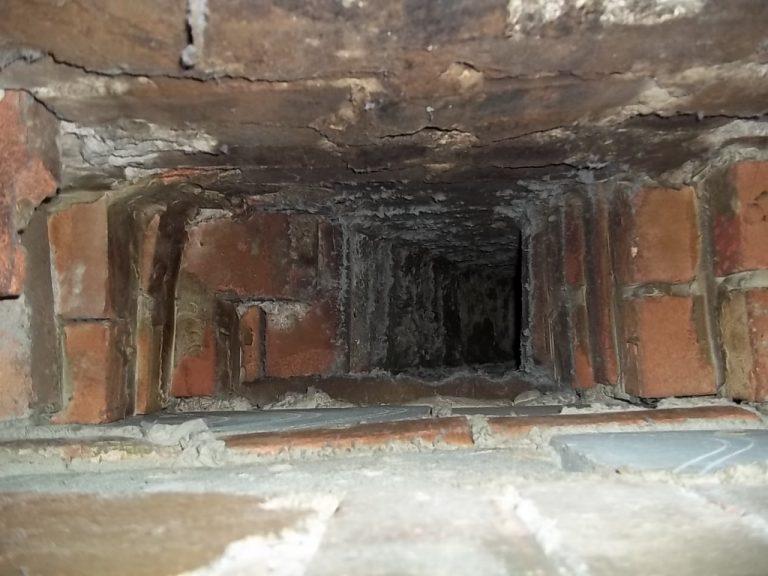
“All I know is he did not go down that chimney,” he told the Courier.
He also described a heavy breakfast bar that had been pulled from a kitchen wall and placed across the fireplace. Born reopened his inquiry and met Murphy for two hours in early October.
They could not resolve the mesh’s condition. Murphy said workers threw it into a truck before investigators arrived. Born said photographs showed none and suggested it could have corroded or been removed.
The barrier mattered because an intact grate would undermine the proposed descent. But Murphy’s recollection of what was installed and Born’s photographs of the demolished chimney did not establish the same thing. Neither supplied a clear view of the opening when Josh disappeared seven years earlier.
Murphy remained convinced Josh entered from below. Born retained the accidental ruling.
“He did come down the chimney. That’s our conclusion.”
Reports of someone boasting about killing Josh also reached authorities. Born said detectives checked one man’s violent history but could not place him in Woodland Park when Josh disappeared. Other tips lacked the times and specifics needed to connect someone to the death.
Such reports offered an apparent way to explain the disturbing circumstances, but they could not substitute for evidence. A person’s criminal history did not establish involvement in this death. Nor did the owner’s objections identify someone who forced Josh into the chimney. They exposed gaps in the accidental-death explanation without filling them.
The furniture posed a similar difficulty. A heavy object across the fireplace might have prevented an exit, but its presence alone could not establish who moved it or whether Josh was already in the chimney when that happened. The body, the clothing, and the obstruction were all found together. Their order of arrival was missing.
Born’s conclusion rested on the explanation he considered most plausible and the absence of evidence demonstrating homicide. Murphy’s conviction rested on his knowledge of the building. Their meeting left them disagreeing about the route into the chimney, and no witness could describe Josh’s arrival at the cabin.
By the time his identity became public, the cabin was gone. Born said investigators completed their work at the scene before demolition resumed. Any further reconstruction would have to rely on what they recorded, what they recovered and what people remembered.
Josh’s family had a more immediate task. After seven years of looking, they could arrange a funeral.
Kate established a memorial fund to cover his final expenses, with any remaining money intended for charities that helped find and recover missing people. A service was scheduled for October 17 at Woodland Park Community Church.
Ruth did not claim that finding him made everything comprehensible. She wondered whether Josh had wanted somewhere to spend time and tried to enter the empty cabin. The circumstances still seemed strange to her. His niece Liora wondered whether he had ever intended to be away for very long.
Ruth had initially thought her brother might simply be traveling. Eventually she began to feel he should have returned by then. The family continued hoping and looking, even as his absence became something they endured every day.
Now she could speak about giving him the burial he deserved. It was something definite the family could do for him without first resolving every question about the cabin.
“But at least now we can stop looking.”
If you enjoy stories about mysterious disappearances, you might also want to read The Woman Who Came Back From the Dead and The Strange Case of the Grimes Sisters, Whom Even Elvis Presley Urged to Come Home.