
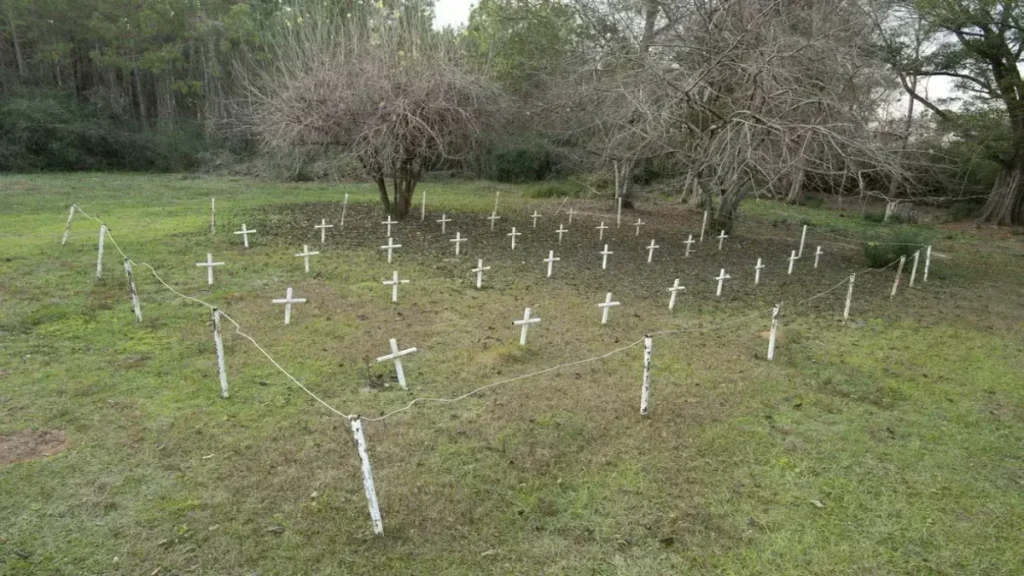
On August 31, 2013, a crew from the University of South Florida knelt in the dirt with trowels, hand brushes, and buckets at the former Arthur G Dozier School for Boys. Led by Dr. Erin Kimmerle, the team spent more than a year mapping the area with ground-penetrating radar to look for human remains.
The site was known locally as Boot Hill Cemetery, and the remains the team sought were believed to be 19 inches to three-plus feet below the surface. They removed the soil in thin layers, sifting each bucket, but speed was not the goal.
According to USA Today, Kimmerle said, “In these historic cases, it’s really about having an accurate record and finding out what happened and knowing the truth about what happened.”
The team had been granted a one-year window by the Florida House of Representatives to excavate the school grounds, exhume any remains, and do DNA testing. They were also ordered to rebury any remains they could not identify.
By the second day, the crew found its first burial site, and it matched nothing in the official record. It was a boy wrapped in a cloth shroud, which was held together with metal pins and buried in a coffin.
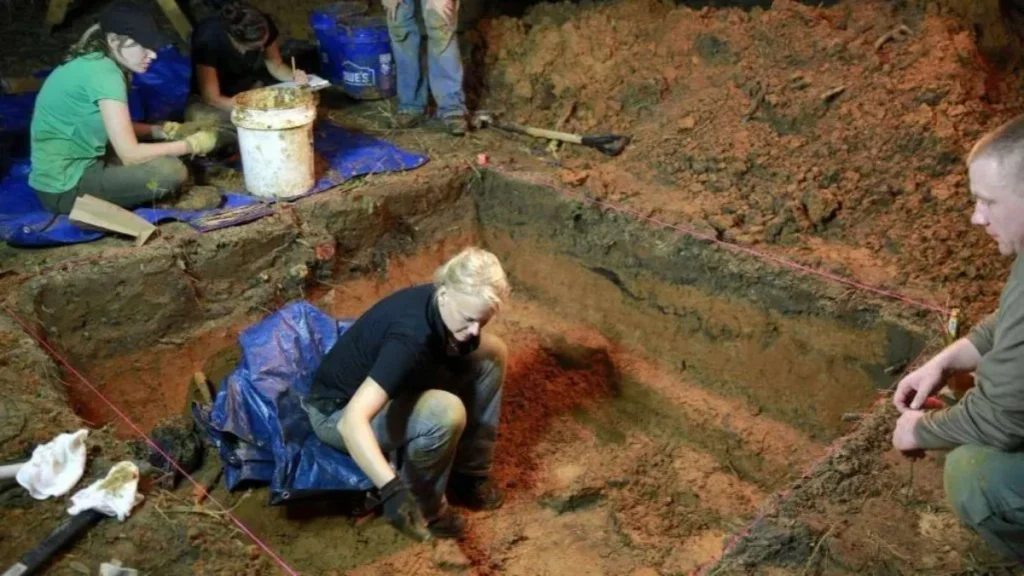
Kimmerle described the preservation as better than expected. The state had also previously maintained that thirty-one boys were buried there, but the current dig suggested otherwise.
By then, multiple families had contacted the research team, hoping a DNA Match would tell them what happened to a brother, uncle, or son who had gone into Dozier Boys and never came back.
The team shipped samples pulled from the excavated bones to the University of North Texas Center for Human Identification for comparison. The dig at Boot Hill was also scheduled to run through Labor Day, before pausing and resuming through the fall.
By the time the initial investigation ended in 2016, the team found more than twenty additional graves aside from the officially documented ones.
A Century of Warped Discipline
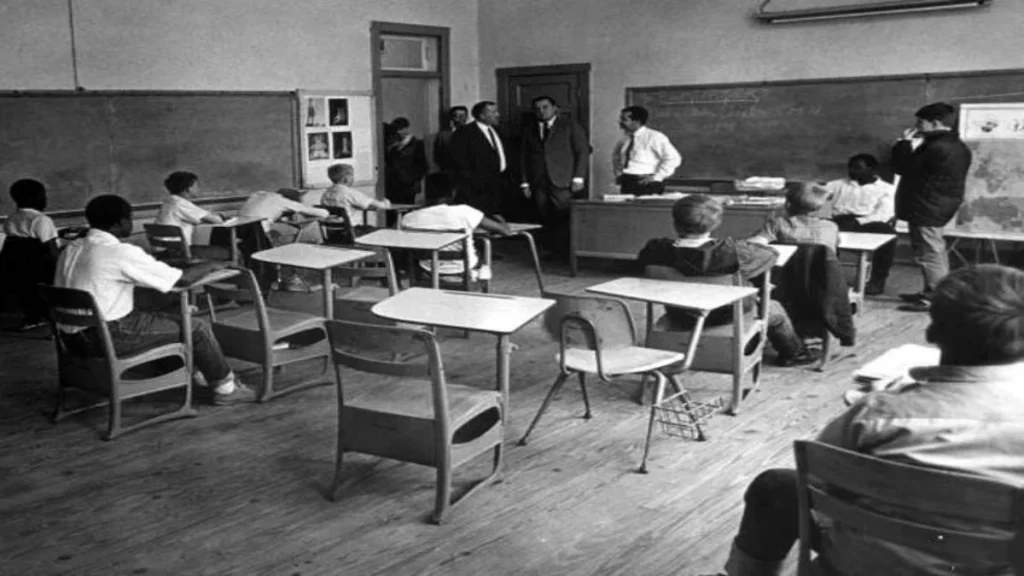
The school opened on January 1, 1900, as the Florida State reform school on 1,400 acres outside Marianna. It was renamed the Florida Industrial School for Boys in 1914 and the Florida School for Boys in 1957.
In 1967, the institution was named in honor of former superintendent Arthur G. Dozier, who died earlier that year. During his tenure, the school grew exponentially into the largest juvenile reform institution in the United States.
Unfortunately, even then the school had a decades-old reputation for abuse. Reports of children chained to the walls and forced into unpaid labor surfaced as early as 1901.
Authorities turned a blind eye, though, considering it housed juvenile delinquents, minor offenders, and homeless children. Another reason for their complicity was corporate greed, as the boys served as a massive unpaid workforce.
They cleared forests, harvested crops, manufactured bricks, and cut sugarcane. White officials also knew that during the Jim Crow era, the complaints of black children, who were a large percentage of the school’s population, carried zero weight in the legal system.
In 1914, a dormitory fire killed six boys and two staff members, and they were buried at Boot Hill. By 1918, the abuse was so notorious that the Tampa Tribune ran an editorial that asked Floridians how long they would tolerate it.
In 1934, a thirteen-year-old named Thomas Varnadoe, committed for trespassing, died thirty-eight days after their admission. The administration sent a telegram to Thomas’s parents claiming that the boy suddenly passed away from pneumonia.
Without asking the family’s permission, they quietly buried the boy in an unmarked grave in the campus woods and closed the case file.
This system went on for decades. According to the Tampa Bay Times, Governor Claude Kirk toured the campus in 1968 and found the overcrowding so severe, he remarked, “Somebody should have blown the whistle a long time ago.”
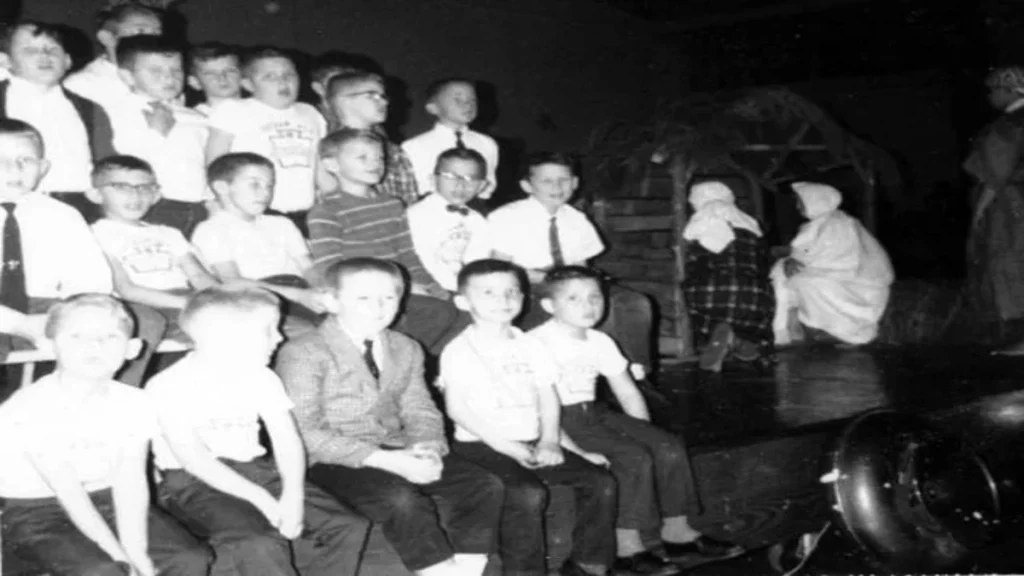
That year they banned corporal punishment, though survivors’ accounts claimed the school continued the practice well past then. This was corroborated by a 1982 inspection that found boys hogtied and held in isolation for weeks.
The discovery prompted an ACLU lawsuit, and by 1987, advocacy groups determined these patterns of torture and neglect were deeply entrenched in other Florida reform schools. It prompted the federal courts and the U.S Department of Justice to step in and assume control over the state’s juvenile justice system.
Dozier limped on, failing state inspections in 2008 and 2009, until the Department of Juvenile Justice announced it would close permanently. The school ultimately closed on June 30, 2011, after 111 years of operation.
The White House
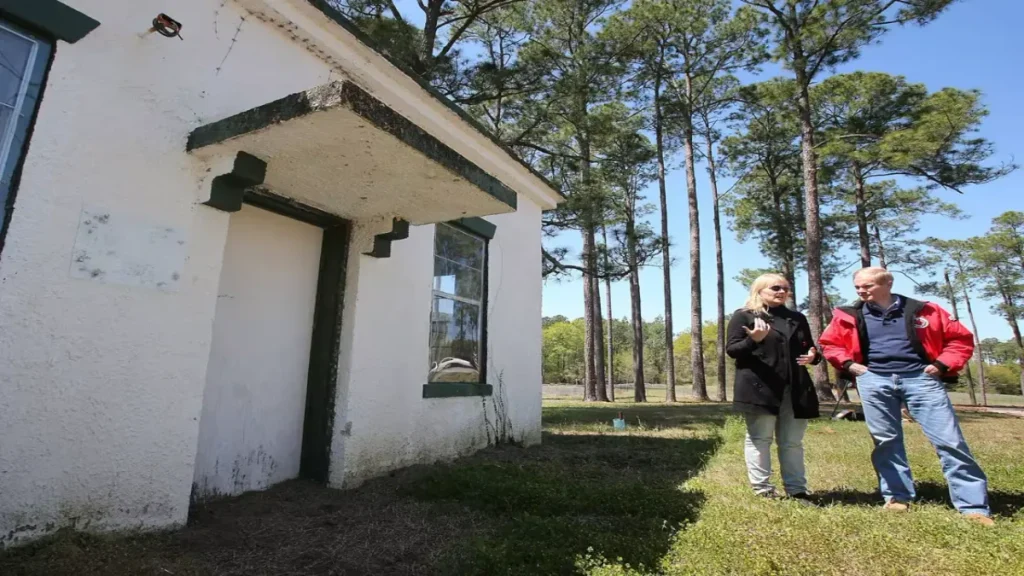
Almost every survivor account from the school centers on the same building. A small, plain concrete structure students named the White House, where boys were taken for beatings at night.
Robert Straley, who was sent to Dozier in 1963 for running away from home, said that when he tries to remember his time there, most of what surfaces is a red haze. In 2008, he returned to the facility and stood in the exact spot where he once listened to the screams of other boys.
Another survivor, Jerry Cooper, was sent to Dozier in 1961. A 16-year-old Cooper ran away from home and was hitchhiking before being picked up by an AWOL Marine who happened to be driving a stolen vehicle.
When the sheriff’s intercepted the vehicle, Cooper was also arrested for being a passenger and committed to Dozier’s. At the school, he said the beating that followed went on for so long that he lost count of the strokes.
Another boy who had been in the same room told him afterward that he had taken 135 lashes. Later on, when he retold the story, Jackson County residents claimed Cooper was lying, and he proved his story by taking a voluntary polygraph.
Another boy named Roger Kiser, who was sent to Dozier as a ward of the state, described a school that taught him to bury his emotions permanently. Kiser said he wanted to love people but couldn’t.
In one account, he described watching a boy die in a bathtub following a beating and seeing another boy’s body pulled from an industrial dryer.
Kiser joined the hundreds of other survivors who found each other online during the mid-2000s. They called themselves the White House Boys after the building that represented their collective trauma.
What the Radar Already Found
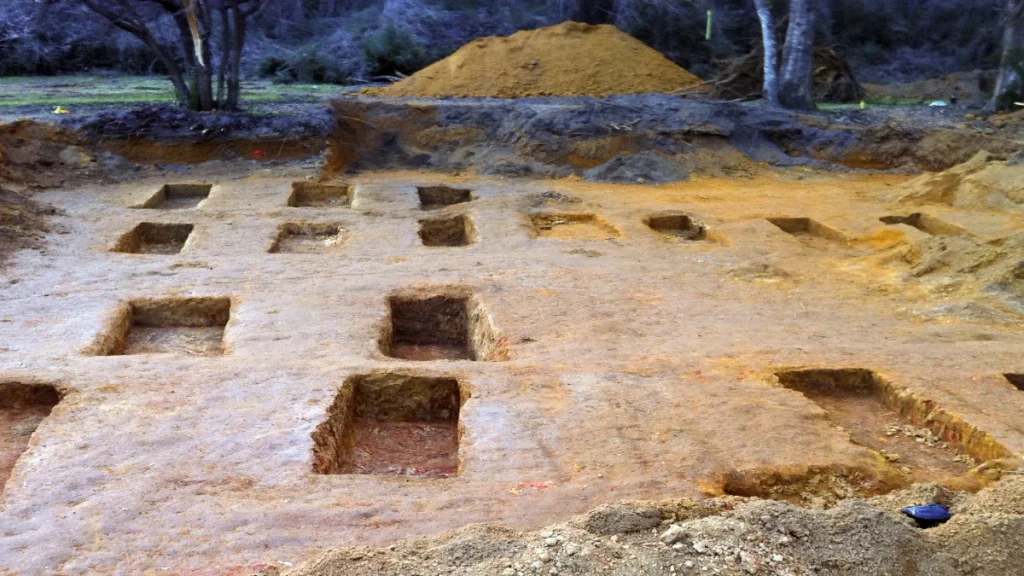
The Labor Day dig was not the beginning of the investigation. Rather, it was the moment the shovels finally went into the ground after researchers spent a year mapping it.
In 2008, a group of White House Boys convinced then-Florida Governor Charlie Crist to order a formal inquiry. The Florida Department of Law Enforcement spent fifteen months interviewing more than a hundred former students, family members and staff.
Investigators did not open the graves, but they ran a forensic sweep of the White House punishment building and reported finding no evidence of blood on the walls.
The school’s disciplinarian, Troy Tidwell, told investigators the leather strap used on students was a mercy adopted because wooden paddles apparently risked worse injury. As a result, the FDLE concluded there was no evidence linking any death to staff conduct.
The White House Boys did not accept the answer, and this led to the ground radar effort in 2012.
Kimmerle’s team, along with colleagues from the University of South Florida, Christian Wells, Antoinette Jackson, and Richard Estabrook, surveyed Boot Hill using ground-penetrating radar. They published a report showing soil anomalies consistent with unmarked graves.
These were scattered beyond the fenced cemetery boundary, under overgrown trees and access roads, and did not correspond to the burial ledger. The burials also sat at inconsistent depths and angles.
Some were clustered together, while others lay beneath what became a paved access road. Kimmerle’s team recovered bones, teeth, and personal artifacts from each one of the fifty-five burials.
They were twenty-nine more than what the official records indicated. Though the random nature of the burials pointed to a smoking gun, it did not answer every question.
Some of the deaths were explained by the 1914 fire and a flu epidemic that swept through the campus in the early twentieth century. Some of the bodies, though, seemed to have died from drowning, physical trauma, or other undetermined causes. All of them were children.
The Three Names
Identification took significantly longer. The University of Florida did not announce its first DNA match until August 7, 2014. The remains belonged to George Owen Smith, who was sent to Dozier in 1940 at the age of fourteen.
His family never saw him again. Owen’s mother, Frances, wrote to the superintendent, Millard Davidson, that December asking about her son. The school apparently wrote back that no one knew where he was.
In January 1941, the family was told Owen had died after escaping and was found dead under a house. When they traveled to Marianna to claim Owen’s remains, they were led to an unmarked grave.
Owen’s body was found wrapped in only a burial shroud, and they determined his identity by a DNA match to his sister, Ovell Krell. Krell said Frances had never accepted her son was dead and spent the rest of her life waiting for him to walk back through the door.
Florida Senator Bill Nelson told NorthEscambia.com, “So that brings closure to one family. But think about all the other families that still don’t know.”
Kimmerle also gave a statement saying, “We may never know the full circumstances of what happened to Owen or why his case was handled the way it was. But we do know that he now will be buried under his own name and beside family members who longed for answers.”
Six weeks later, on September 25, 2014, USF announced two more names from the identification process. They were thirteen-year-old Thomas Varnadoe and twelve-year-old Earl Wilson.
The remains of Thomas were found close to Owen Smith’s, and his DNA matched a sample from his brother, Richard Varnadoe.
Earl was the first black student identified from the excavation. Court documentation showed that in August 1944, two months after he was admitted, Earl and eight other boys were moved into a small confinement building on the property referred to as the ‘sweat box’.
Days later, four of the other boys killed Earl. Trial evidence showed the cause of death as blunt trauma to the head. Kimmerle told CNN, “Our ability to provide answers and the physical remains of those who died to their brothers and sisters after more than 70 years is a remarkable privilege. We recognize the need to help families and victims find resolution, no matter how many decades pass.”
By the time the identification work wound down years later, the investigators had identified fewer than a dozen of the fifty-five recovered sets of remains. Most of the boys buried at Boot Hill remain nameless.
Too Little Too Late
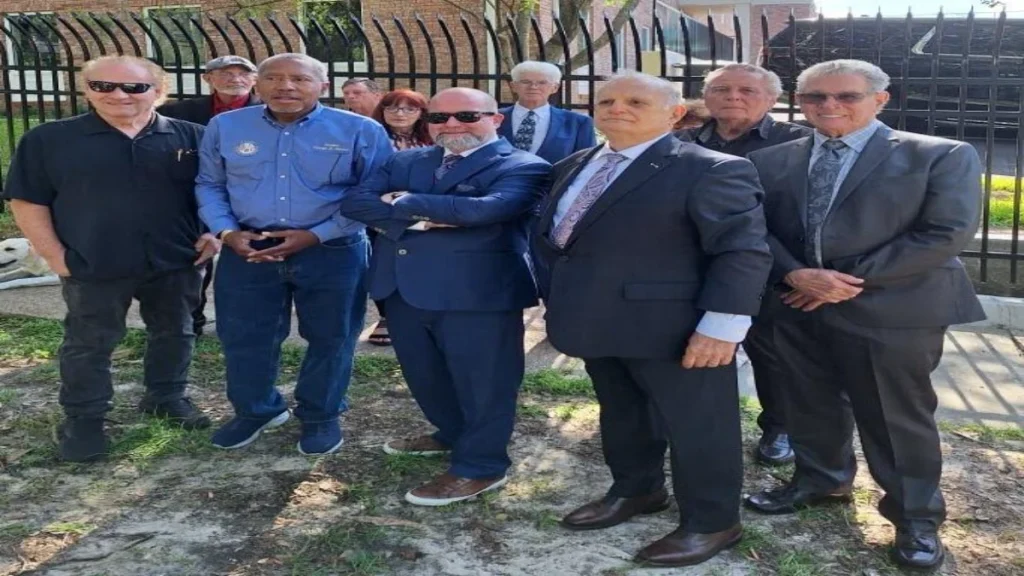
In April 2017, the Florida Legislature gave a formal apology. Seventeen former students sat in the House gallery on April 4 as members voted unanimously to acknowledge that what happened at Dozier violated human decency.
One survivor, Charles Fudge, who was sent to Dozier in the 1960s along with three brothers, wiped away tears during the vote. He told WFSU news, “It has affected my life mentally and emotional…losing my brother at 24-years-old, committing suicide. It’s sad, and I know it all stems from all the abuse he took and the things that they did to him when he was there. He was in there in the 1950s, ’58 and ’59. And, we were there in ’60 and ’61.”
Fudge also disagreed with Florida Agriculture Commissioner Adam Putnam, who recommended rehabilitation of the property, saying, “I don’t agree totally with Mr. [Adam] Putnam, but I’m sure that property, until they find the remaining bodies, they should never let any kind of buildings be put on that property. Those boys…when we were sent there, we didn’t expect to be beaten, and we certainly didn’t expect to die.”
Another survivor named Johnny Lee Gaddie said the death toll went well beyond the fifty-five toes which were recovered, claiming some of the boys were fed to the hogs on the property.
The Senate followed the legislature’s apology with theirs on April 26. Senator Darryl Rouson, who was sponsoring the resolution, told WUSF News, “We apologize. We are sorry. This resolution, on behalf of this Florida Senate, commits to ensuring that the children of Florida are protected from this kind of abuse and violations of fundamental human decency.”
According to the Tallahassee Democrat, he placated the citizens, saying, “The people of Jackson County, this is not on you. Politicians of today, this was not your fault. Those people all died. I only ask this: please don’t ever let anything like this happen again.”
The Cost of Silence
The Dozier school story is especially tragic, given that the state did nothing to help the children for over a century. The phenomenon of child cannibalism in the Congo is one of the only stories that surpass this level of child brutalization ever recorded.
Fortunately, it ended once child welfare policy and the state became more actively involved.
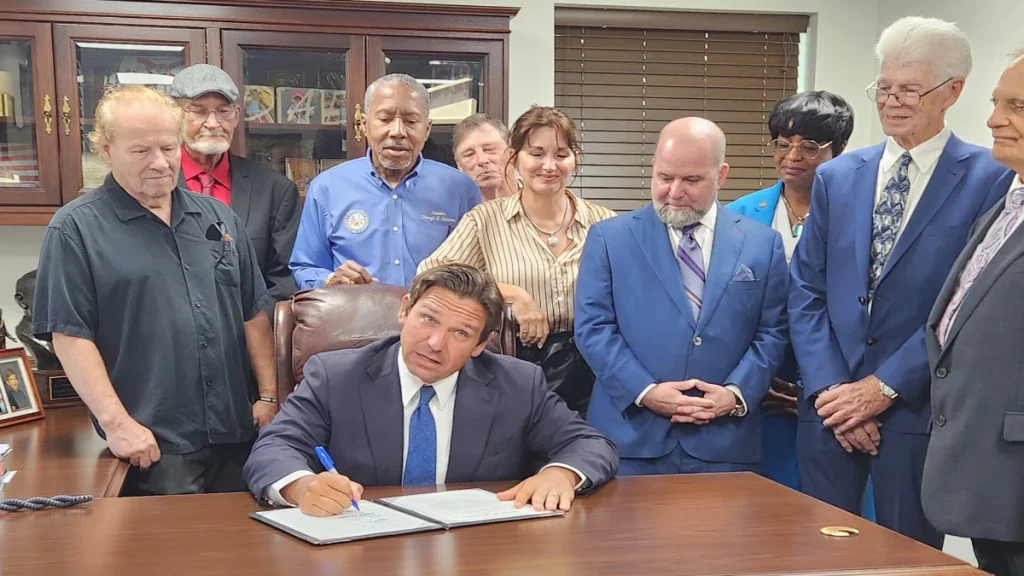
It took seven years for the state to back its apology with money. In June 2024, Governor Ron DeSantis signed a bill that created a $20 million victim compensation fund for those confined in Dozier between 1940 and 1975.
An estimated 400 living survivors were believed to be eligible. Retired Army Ranger Bryant Middleton, who was held at the facility between 1959 and 1961, told the Tallahassee Democrat, “Let’s put it this way: They beat our asses but, in the end, we beat them. That’s all. This (is) one of the greatest feelings.”
By June 2025, the Florida Attorney General’s office reported it had received more than a thousand applications and approved 926 for an initial payment of $21,253 each.
Boot Hill Cemetery still holds dozens of boys with no names attached to the bodies. Erin Kimmerle, twelve years later, said the work was never about the bones. It was about an accurate record and telling families the truth of what happened to the children the state was meant to reform.
For other true crime stories involving unsolved murders, read our articles on Frauke Liebs and Christopher Thompkins.