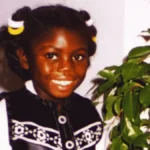

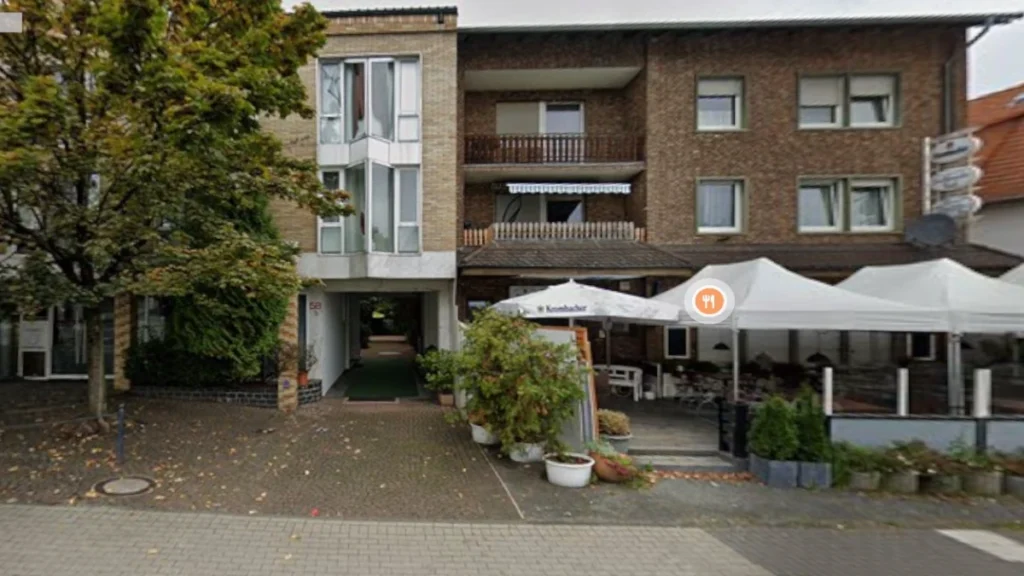
It was June 27, 2006, in Paderborn, Germany. At their apartment, Christos Karaoulis was cradling the phone, straining to hear every sound in the background as his 21-year-old missing roommate, Frauke Liebs, replied to his queries in a detached tone.
It was a few minutes before midnight, and Christos, also 21, had been eagerly awaiting this call. Frauke had called four times over the past 5 days but refused to disclose exactly where she was on each call.
Christos brought the phone’s receiver right next to his mouth and asked Frauke if she was being detained against her will. She answered in the affirmative and then swiftly denied it.
Desperate to keep her speaking, Christos asked if he could visit her. He asked for the address where she was, when she would be returning home, and whether she felt scared.
She gave evasive replies before the call was abruptly cut off. Christos stared at the phone and hoped Frauke would call again, but he had no way of knowing that he would never hear from his roommate or see her alive ever again.
Who Was Frauke Liebs
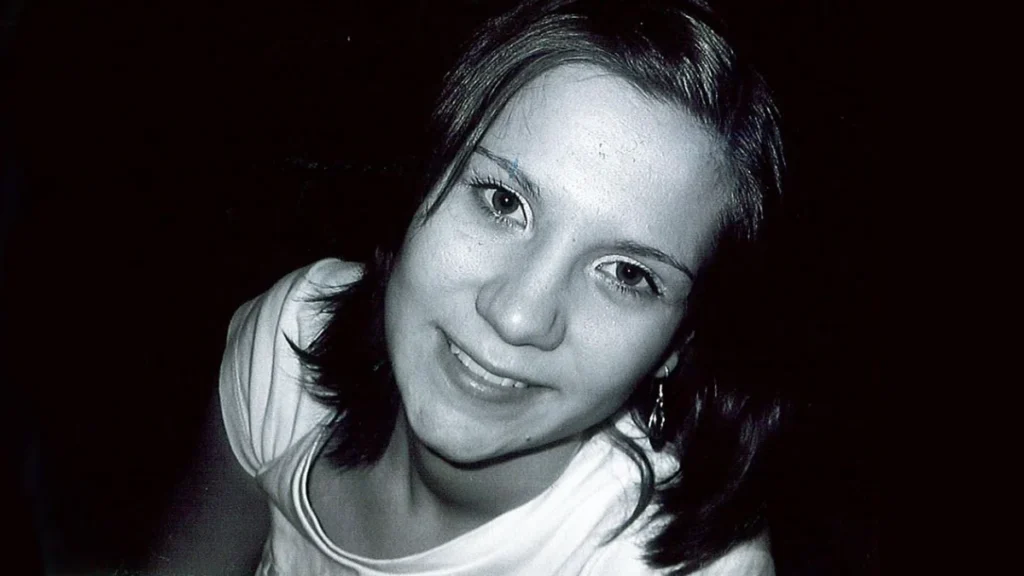
Frauke Liebs was born to Ingrid Liebs and her partner on February 21, 1985. Some residents of northern Paderborn and of the town of Lübbecke, where Frauke was raised, would later confirm that she was caring and empathetic, with a big laugh.
As the middle child in the family, Frauke grew very close to her mother, Ingrid, and sister, Karen. She also often expressed her intention to work as a nurse in the future.
Her friendship with Christos Karaoulis began in their teens and blossomed into a romantic relationship. After a few years, they realized they were better as best friends than intimate partners.
Their bond remained exceptionally strong, and Christos almost became a part of her family. After finishing her high school education, Frauke enrolled in Paderborn’s St. Vincenz Hospital School of Nursing. She swiftly made friends and decided to rent a student apartment with Christos.
The two had cultivated a strong friendship that remained undisturbed by unresolved, lingering feelings. Christos was already in a new romantic relationship, and Frauke was dating a man named Niels while she was studying nursing.
Frauke also often texted Ingrid, her sister Karen, and her brother Frank to keep them updated on developments in her school-related and personal life.
The Day Frauke Disappeared
Germany hosted the FIFA World Cup in June 2006, and cities installed enormous television screens in public places so football fans could follow successive matches.
The residents of Paderborn were also similarly affected. Their city had not been selected to host any of the tournament’s globally popular matches, but its 140,000 residents enthusiastically followed the action.
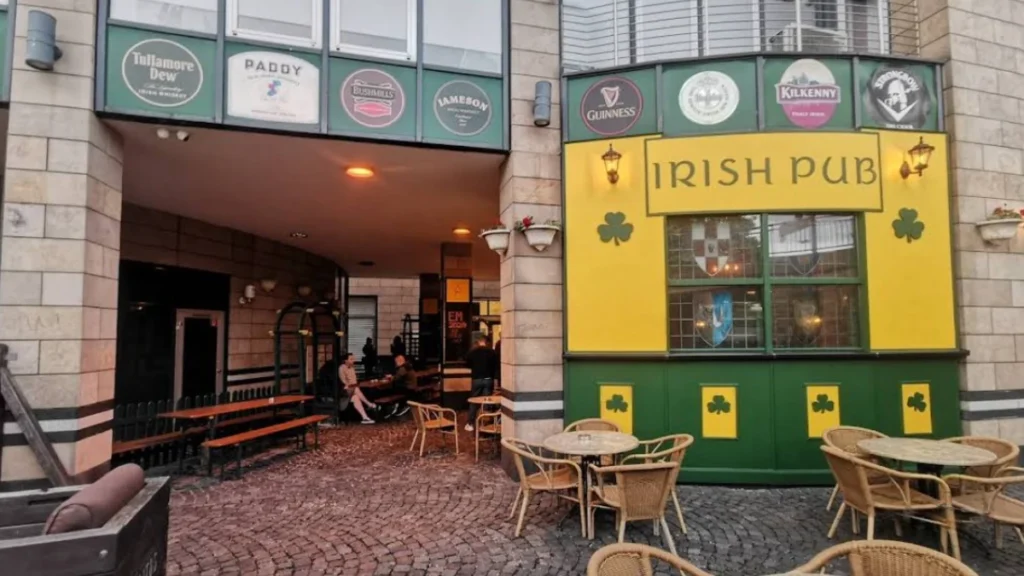
Paderborn’s beer gardens, eateries and pubs were packed to the max with football supporters. Though Frauke was not a dedicated football supporter, she was moved by the frenzy and obliged when her friends suggested they catch the ‘England vs. Sweden’ match on June 20, 2006, at a popular Paderborn Irish pub in the evening.
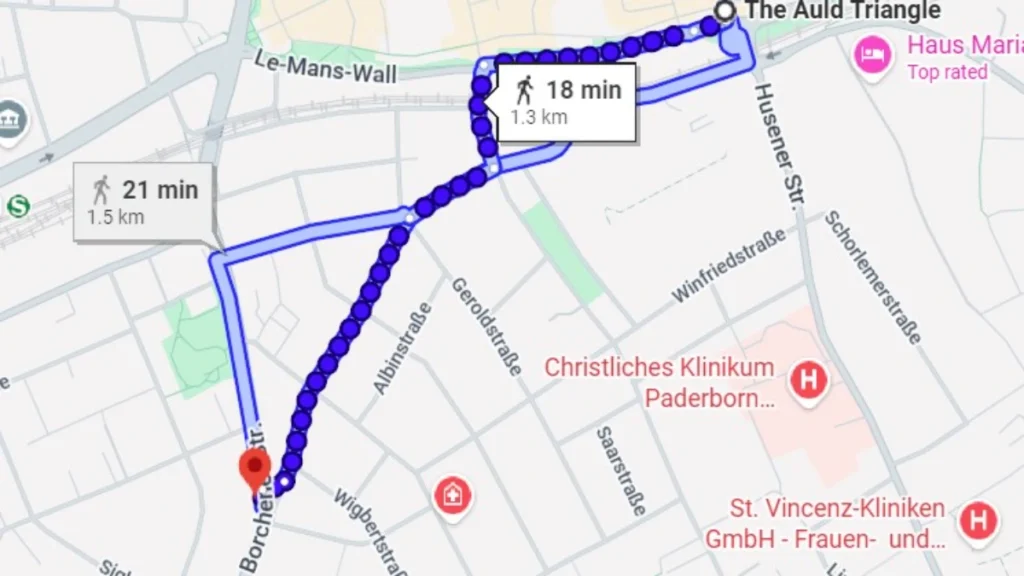
Ingrid offered to drive Frauke to ‘The Auld Triangle’, which was close to Paderborn’s Libori Gallery that evening. At 9 pm, while at the pub, Frauke borrowed her companion’s phone to charge, as her device was low on battery.
She returned the battery before the match concluded. At 11 pm, Frauke was satisfied and decided to walk back to her apartment, which was just a mile away. Her friend had opted to remain in the pub for a bit longer.
It seemed safe to do so considering the prevailing carnival atmosphere in the streets. There were still numerous people wandering about in Paderborn at that hour.
When witnesses who were between ‘The Auld Triangle’ and the apartment were later asked about her that night, they all asserted they did not see her.
According to Stern magazine, Christos, Frauke sent a message through her phone at 12.49 am on June 21, which read, “Coming later. The game was fun. Not against England. Love you so much. See you later.”
Christos was not troubled by this message and assumed Frauke might have decided to stay on with her friend. His attitude changed the next morning, after he realized he was still alone in the apartment.
Frauke was not asleep in her room or on the living room couch. Minutes later, Christos’s phone began vibrating. Frauke’s classmates in the nursing program were already asking where she was.
She had not attended the morning lessons and was not answering her phone. Christos grew even more distressed. He knew how much Frauke valued her studies, so missing that morning’s lessons was very out of character.
Christos also called everyone in their circle in hopes of finding her, but when he didn’t find more information, he called Frauke’s mother.
Ingrid later told the German media house Westdeutscher Rundfunk, “I was absolutely alarmed. I knew something was wrong and went to the police station that same afternoon to file a missing person report.”
When she expressed her concerns to the police, Ingrid did not get the reaction she wanted. Authorities felt a 21-year-old daughter had the right, as an adult, to be temporarily unreachable.
The officers asserted that there was no proof that any offense had been committed against Frauke. Though they recorded Ingrid’s statement, the police counseled her to adopt a ‘wait and see’ approach.
The Strange 5 Calls Frauke Made Over the Next Few Days
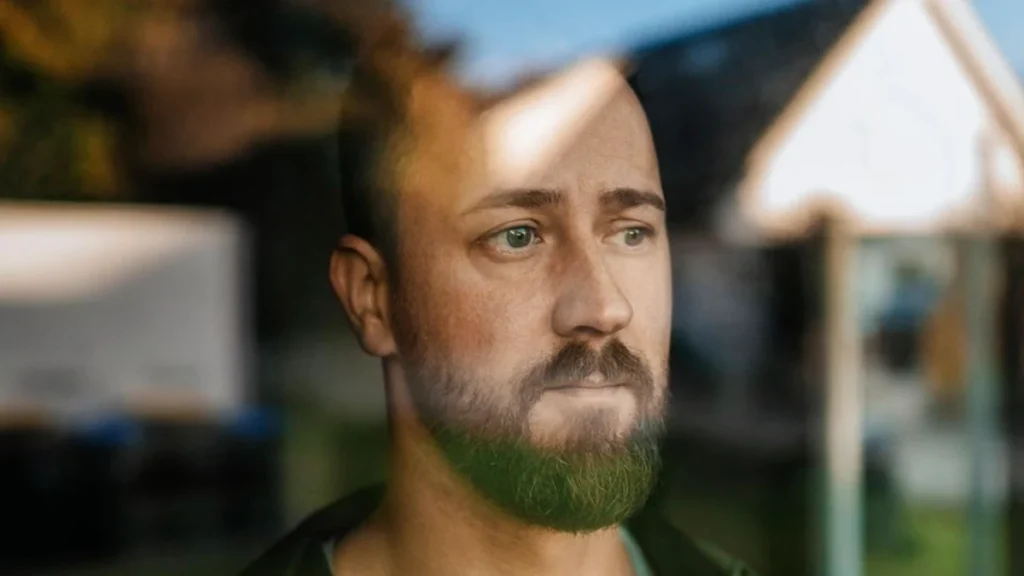
Two days after she went missing, Christos received a call from Frauke’s phone. He recognized her voice immediately, but she sounded oddly restrained.
He later told the German newspaper Die Zeit that Frauke sounded rehearsed when she said at 10.25 pm that night, “Hello, Christos. I wanted to say I’m fine and will be home soon. Tell Mom and Dad and the others.”
This unnerved him, as Frauke only used his full name ‘Christos’ when stressing a point or when she was irritated by something he did or said. Not in typical conversation, and the call was cut shortly after that.
The next day, he got a second text message from Frauke’s mobile phone. Neue Westfälische reported the message at 11.04 pm and it read, “I’m coming back home today. I’m in Paderborn…”
Frank was near Christos when he got the message, and swiftly dialed his sister’s phone number. Frank later recounted the conversation with Neue Westfalische. He asked, “Frauke, what are you doing? When are you coming home?”
Frauke gave evasive answers again, and the phone call was abruptly cut. She called Christos again less than 24 hours later at 2.23 pm on June 24. This was the third call.
Frauke did not make any sense saying, “I won’t be back so late. I’ll be home tonight.”
Christos wondered if Frauke was trying to send a secret message. When he asked if she was hurt, Frauke suddenly emphasized, “No! I’m in Paderborn. I’m in Paderborn. I’m in Paderborn.”
Her friends and family members were also baffled by these replies. Paderborn’s police force, though, believed that her regular phone calls proved Frauke would eventually return home.
On June 25, Frauke made the fourth call, phoning Christos at 10.28 pm. She again informed him that she would soon arrive home. When he asked if Frauke was in any danger, she said she was not.
When Christos asked why Frauke had not come the previous day as she had promised, and with whom she was, she said she would tell him after arriving home. By this time, the police had taken an interest in the case and had begun to trace Frauke’s calls.
They noted that the calls were being made from assorted industrial areas within Paderborn. Frauke’s final call to Christos came at 11.29 am on June 27. She was evasive as ever, but this time requested to speak to Karen.
She spoke to Karen and reminded her to tell their parents she loved them.
When Christos asked Frauke whether she had been held against her will, she softly confirmed that she had been, but then suddenly contradicted her earlier answer. As with all previous calls, this last call was abruptly cut after Christos asked her to call every day.
The Discovery of Frauke’s Remains
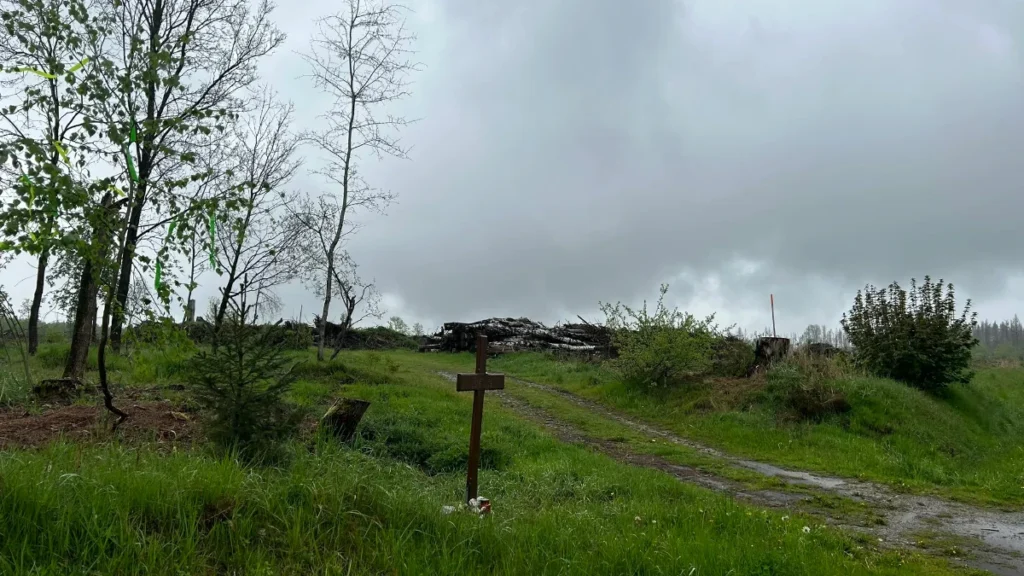
On October 4, 2006, a local hobby hunter named Dirk S was finishing a routine tour of his hunting grounds. As he was pulling away from a dirt logging path onto the L817 state road, he spotted a small path of crushed brushwood.
Intrigued, since the area lacked any official hiking trails, he pulled over to inspect the scene. He followed the narrow trampled corridor into the dense spruce trees. Behind a large tree trunk lay a shallow natural hollow.
Dirk looked down and spotted white athletic shoes. A closer inspection revealed they were attached to human skeletal remains. They were significantly decomposed from the hot summer weather and forest insects.
Recognizing the gravity of his find, he walked to his vehicle and immediately alerted the police. Homicide detectives cordoned off the entire section of the woods. Within a short time, the forensic analysts used dental records to confirm the body belonged to Frauke Liebs.
When the chief investigator, Ralf Östermann, called Ingrid late on October 4, 2006, she immediately knew what the call meant before he said anything. She later recalled that a mother’s intuition had already prepared her for the worst.
However, hearing the official confirmation caused her world to collapse entirely.
The crime scene did not contain any foreign fingerprints or biological evidence of a struggle, or skeletal injuries. Paderborn’s medical examiner was also unable to detect the real cause of Frauke’s demise.
All that the investigators were sure of was that Frauke was not murdered at the scene where her decomposing remains had been discovered.
The Police Investigation
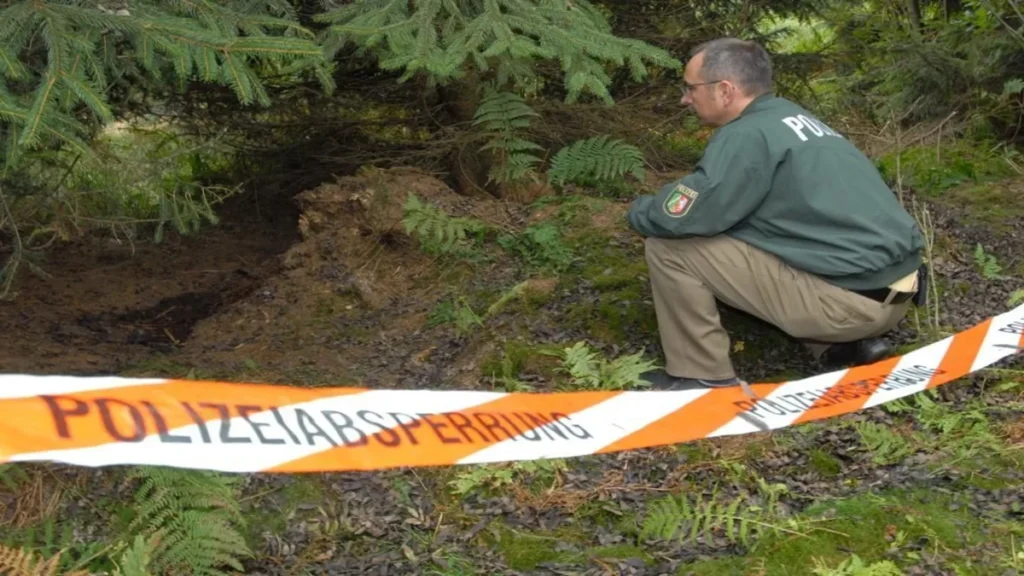
Paderborn’s police officers investigated Frauke’s classmates, friends, relatives, and former romantic partners. Her face was featured in different crime programs across Germany as the case gained interest.
Investigators also looked into Frauke’s phone records in depth to try to identify where she might have been held. After cross-referencing the phone records, investigators realized that her second, fourth, and last calls to Christos had come from the Sennelager region near Nieheim.
They gradually widened their ‘People of Interest’ group to include 900 persons who were casually or professionally affiliated. By December, 2006, the officers had ruled them all out.
Officers also conducted broader inquiries into vehicle records dating back to 2006. Their focus was on citizens who often traveled late at night between Paderborn and Nieheim.
An expert group of investigators, called the Mordkommission (MK), was also created to oversee the case. It was led by now-retired Chief Detective Inspector Ralf Östermann and comprised officers from the Bielefeld and Paderborn police departments.
Initial investigations focused on the region where Frauke’s body had been found and on searching for the victim’s missing mobile phone and fossil watch.
Officers affiliated with the Mordkommission group reviewed more than 750 leads and public tips sent by members of the public and confirmed witness statements.
The officers also evaluated countless mobile phone and fixed-line connections to reveal cell tower locations. They also interviewed potential witnesses who suggested sites where Frauke might have been held.
Paderborn’s then public prosecutor, Kai Uwe Waschkies, disclosed to a journalist affiliated with the media conglomerate Westdeutscher Rundfunk, “… the murder of Frauke Liebs is, of course, a particularly special case for me as a public prosecutor.”
Uwe Waschkies further mused, “How did Frauke Liebs fall into the perpetrator’s clutches? Did she go with him willingly, or was she attacked? What happened after that, leading up to her passing away?”
Paderborn’s police department also revealed their suspicions that Frauke may have fallen victim to the serial killer couple, Wilfried W. and Angelika B. These infamous residents of Höxter were, according to The Sun, known for “luring young women so they could torture and murder them.”
In July 2020, Ingrid offered €30,000 to potential witnesses in hopes they would break their silence. Westfalenblatt reported her saying, “If you were an accessory, the statute of limitations has expired – you can remain anonymous and face no punishment.”
The Case Today
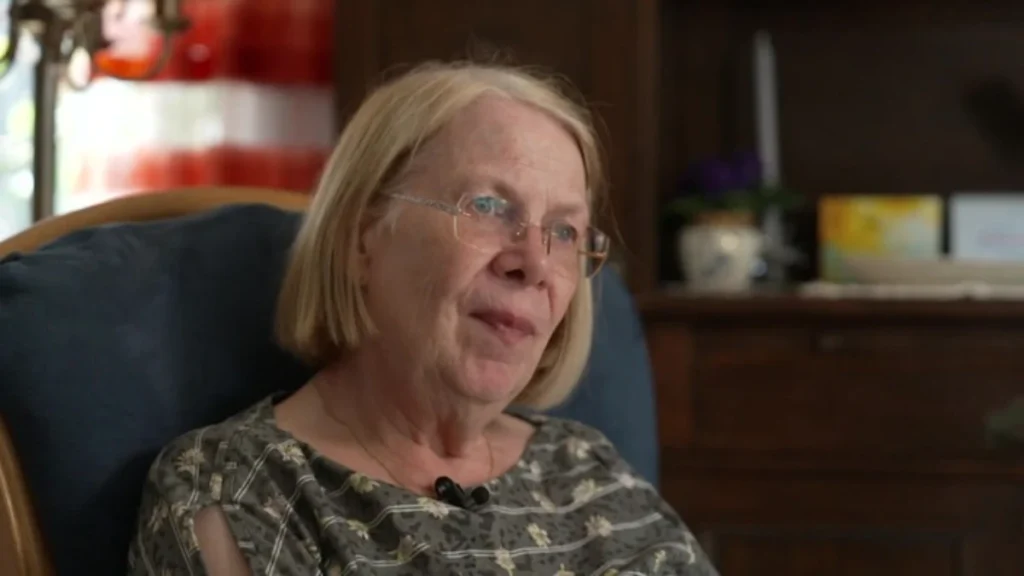
In August 2022, police acted on concrete citizen tips submitted directly to Ingrid Liebs and executed search warrants at the residences of two men in Paderborn and Lichtenau.
Both were briefly questioned but maintained their innocence. Detectives spent over a year going through a large collection of mobile phones belonging to the men and swept their homes for DNA evidence.
In October 2023, prosecutor Waschkies announced that the digital and DNA forensics showed no connection between the two men and Frauke Liebs. After their exoneration, the case became a specialized cold case.
The subsequent years marked a shift away from active localized raids toward long-term digital forensics, systemic reviews, and media appeals. To date, her abduction and murder have yet to be solved.
Her abduction was most likely related to the influx of tourists during the World Cup, but it becomes harder to trace leads each year that passes. Frauke’s story also bears some similarity to that of Molly Bish, who was abducted from her lifeguard post in June 2000. Her remains were also discovered later in 2003.
Paderborn’s police department still encourages people with evidence, or who come upon evidence related to the case, to contact them at +49 (0) 521-5450.
For more stories on unsolved disappearances, explore our articles on Darla Harper and Sophia Koetsier.