
17-year-old Amy Billig walked out of her family’s home on March 5, 1974, to go on a short errand, but she never made it to her destination.
She came home from Adelphi Academy of Coral Gables at noon, and ate a yoghurt in the kitchen before calling her father, Nathaniel ‘Ned’ Billig, to ask if she could borrow two dollars. Amy had plans to meet some friends for lunch at Peacock Park, which was only a few blocks away.
Her father agreed, and Amy changed her blouse, stepped outside, and began hitchhiking towards her father’s art gallery on Commodore Plaza. The route was less than a mile away, and she had gone there countless times.
This day was the one exception.
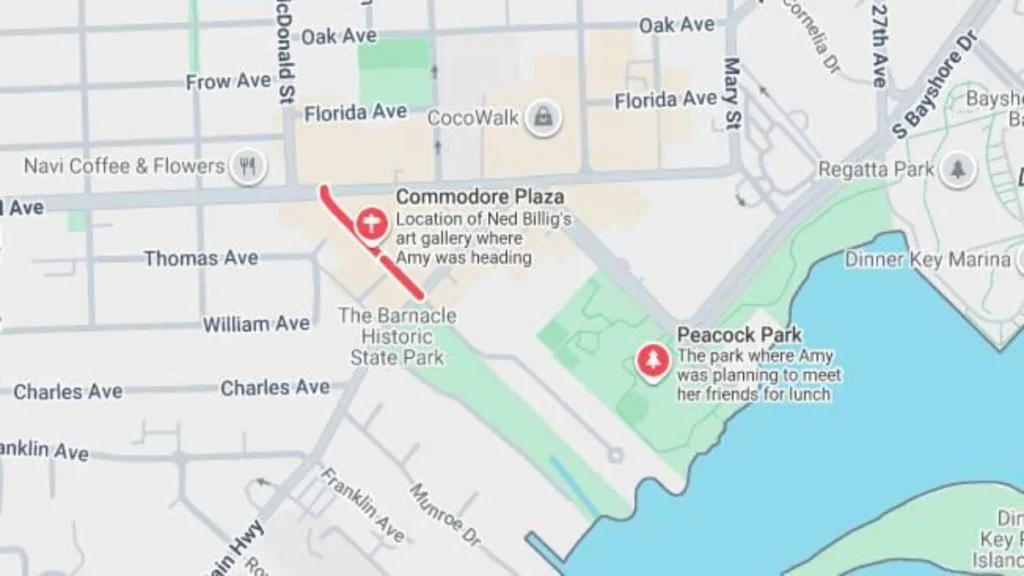
That afternoon, her mother, Susan Billig, confirmed Amy didn’t make it to the gallery, so she immediately phoned the friends Amy was supposed to meet at the park. They confirmed that Amy did not show up for lunch.
Ned and Susan, along with family friends, drove and walked the short route between their South Grove home and the gallery, trying to see any sign of their daughter. They questioned neighbours, shopkeepers and workers at Main Highway and Poinciana Street.
It was the construction workers who revealed that they had seen her at the corner of Poinciana Street and Main Highway, her thumb out, that afternoon. Other witnesses later claimed they saw a teen girl matching Amy’s description getting into a white van.
Blind Trust in the World

Susan Billig had suffered four miscarriages before giving birth to her firstborn daughter, Amy, in Oyster Bay, New York, on January 9, 1957. Needless to say, she was cherished as a miracle child.
Amy’s childhood was spent in a close-knit, deeply supportive environment. She also had one sibling, her younger brother Joshua, who was born a year after her.
Growing up so close in age, Amy and Joshua shared a highly positive sibling relationship. They also ran in similar social circles and attended local private schools together.
In 1969, Ned and the family relocated to Coconut Grove, due to the neighbourhood’s reputation as a haven for artists and free spirits. Amy immediately found her place in the Grove community.
As an art-oriented teen, she played the flute, guitar and wrote poetry. Amy was also a practising vegetarian at the time, which made her stand out, and she volunteered with a local dolphin training program at the Miami Seaquarium.
Amy was also very close to her mother Susan, who once stated, “I would look at her and think ‘What did I do to deserve such a beautiful thing?'”
Now, in 1974, hitchhiking was considered a practical, free, and socially acceptable way for students and other young people to get around town. It was particularly common in artsy, tight-knit communities like Coconut Grove, and Amy did it constantly to get around the neighbourhood.
It was never for long trips because she did not own a car yet. Amy was, in the words of people who knew her, a trusting kid.
One friend recalled Amy saying that mosquitoes didn’t bite her because they knew she loved them.
Alarm At the Billig Household
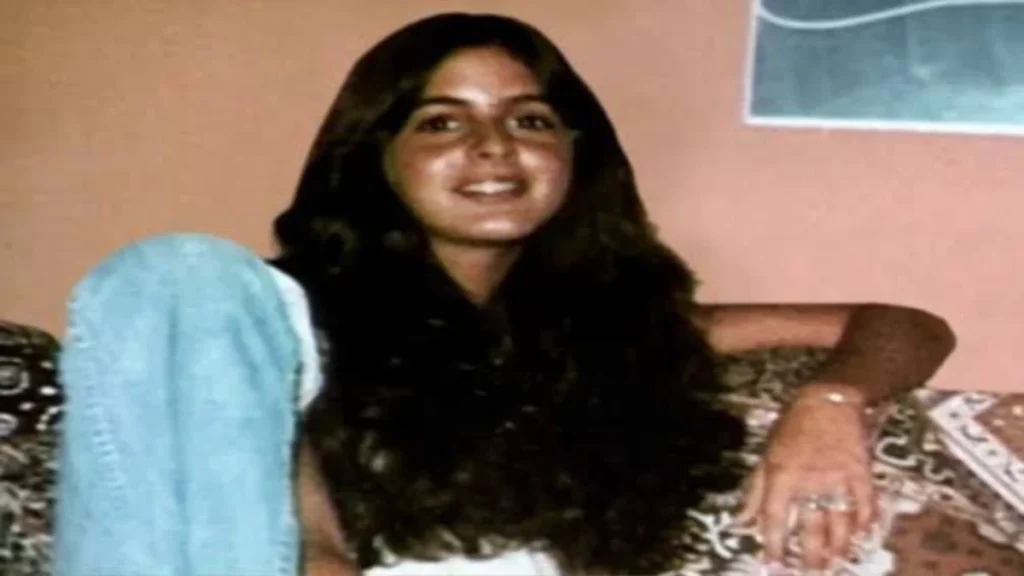
By evening, the ordinary rhythm of the household had ground to a halt. Susan called the police after they failed to locate Amy that afternoon.
The response was a brush-off dressed as reassurance. Detective Michael Gonzalez told her, “Don’t panic. Call back if Amy isn’t home by morning.”
Amy was not back by the morning. At 6 am, a frantic Susan called the police again, and this time they initiated routine questioning and searches in the Coconut Grove community.
From the statements, it shifted from a runaway scenario to an involuntary abduction. Amy had left the house with almost nothing on her. No bag or money aside from the two dollars she owed.
Because she was a known hitchhiker in the neighbourhood, police theorised that she must have gotten into a vehicle willingly with someone she either knew slightly or trusted on sight. This theory was never disproven or confirmed.
Concurrently, Susan and Ned Billig distributed flyers, pressured the local media, and organised searches.
A City Papered in Her Face
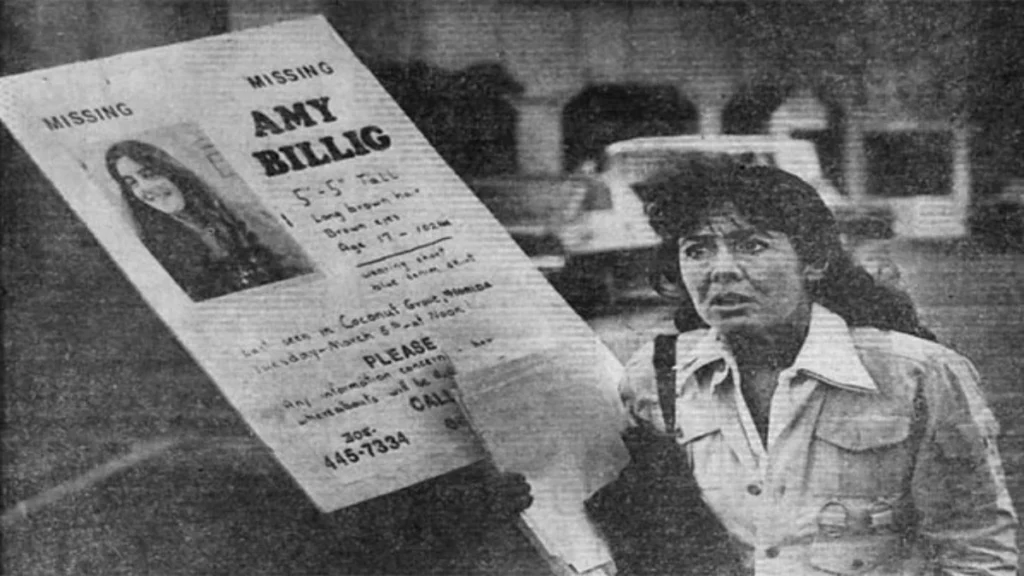
Within days, the Billig family had turned their home into a search operation. Ned and Susan printed and distributed hundreds of posters across Miami-Dade County. They also hired a private investigator, but they failed to develop any solid leads.
Susan then began calling the police station nearly every day for updates on the case. She finally began holding press conferences to keep her daughter’s face in the public eye.
She stated, “I feel she’s alive, and somehow, if she is alive, she knows that I’m looking for her. But if she was killed at the beginning, I have to know that, too. I have made a promise to Amy in my heart. I must find her.”
The first newspaper headline on Amy’s disappearance ran five days after she vanished, on March 10. It reported that both the police and close family suspected that she had possibly been kidnapped by a motorcycle gang.
That evening, a benefit concert raised $850 for the search, and a bank account was opened to collect donations. A $1,000 reward went out for information leading to the recovery of Amy Billig.
Only one single piece of physical evidence was ever found, and it came about by accident. On March 18, a hitchhiking college student found Amy’s Instamatic camera lying in the grass near the Wildwood exit of the Florida Turnpike, 250 miles northwest of Miami.
Most of the film was overexposed and unusable, but two frames survived. One of these showed a light colored pickup truck parked against a vine-covered wall. The other frame showed a white van.
Investigators have never been able to trace either vehicle or determine the building. The camera was the only tangible object connected to Amy’s disappearance ever recovered.
The Motorcycle Gang Theory
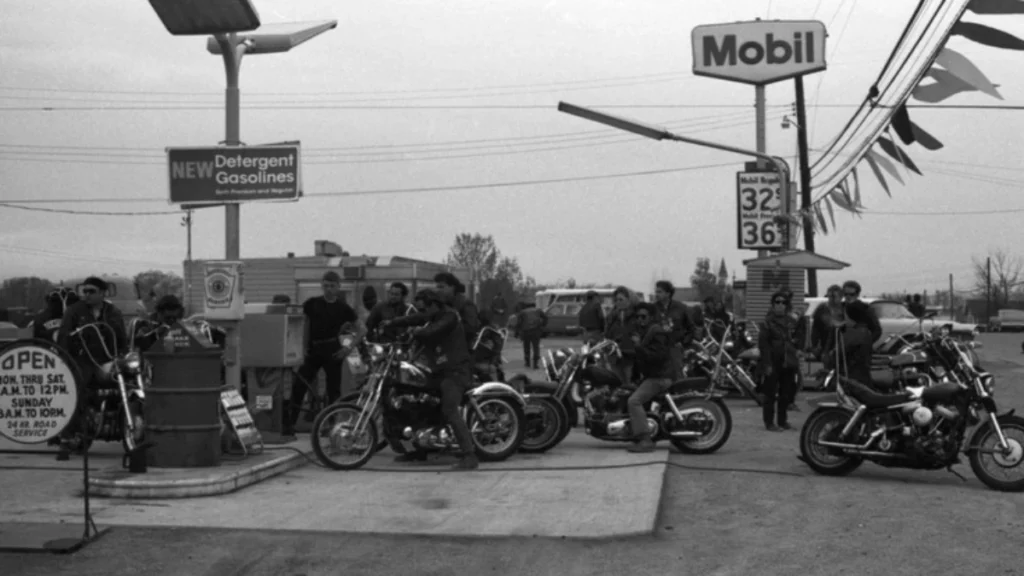
This became one of the most prominent and heavily investigated angles in the disappearance of Amy Billig. It spanned decades involving several biker clubs, undercover FBI operations, and even deathbed confessions.
Shortly after Amy went missing, an informant told investigators that a member of the Pagans Outlaw Motorcycle Club had bragged about snatching a girl matching Amy’s description in Coconut Grove.
At the time, South Florida had a highly active underground biker culture. Gangs including the Pagans, Outlaws and the Reapers frequently moved through the area.
Following the tip, police raided local biker hangouts and properties but found no physical trace of the girl. Frustrated by the lack of police progress, Susan boldly entered biker bars and clubhouses, carrying photos of her daughter.
She travelled across Florida and even other states, meeting high-ranking gang members. Some of the bikers took pity on Susan, but others used her desperation against her.
She was repeatedly given false leads, told that Amy was being held in different states or that she was being sold from one club to another. The FBI launched a crackdown on South Florida motorcycle gangs in 1979.
Susan agonised over Amy’s plight, saying, “Who knows what condition she is in — beaten to the point where she has no memory. If she is alive, she’s been through such harrowing experiences.”
Because of the persistent rumours, federal agents explicitly questioned bikers concerning Amy and searched the gang-owned clubhouses and rural properties for her remains. While these raids dismantled the gangs’ operations in some places, no concrete evidence linking them to Amy was uncovered.
In 1997, a former member of the Pagans gang named Paul Branch was dying of cancer. On his deathbed, he made a formal confession. Branch stated that on the day Amy disappeared, she was abducted by fellow gang members.
She was allegedly drugged and taken to a party in the Florida Everglades. He claimed Amy died there of a drug overdose.
Branch said that after she died, her body was taken deep into the Everglades and dumped in a swampy area near an alligator wallow.
Acting on this, law enforcement and forensic teams launched an extensive search of the specific Everglades location identified. They found nothing.
Investigators ultimately cast doubt on Branch’s confession. Some detectives believe that he might have fabricated the story to gain attention or secure a legacy within the subculture.
Extortion And the Voice Over the Phone
Sixteen days after Amy went missing, the family got a call from an individual demanding $30,000 in ransom. The man followed up with another call and let her hear a girl’s voice saying, “Mama, mama, please.”
The caller instructed Susan to pack the cash into a black attaché case and bring it to a rendezvous point at the Fontainebleau Hotel in Miami on March 22.
Convinced the voice was Amy’s, Susan successfully borrowed some money from friends and went to the hotel. When she arrived, she refused to hand over the attaché case until the man provided proof of life.
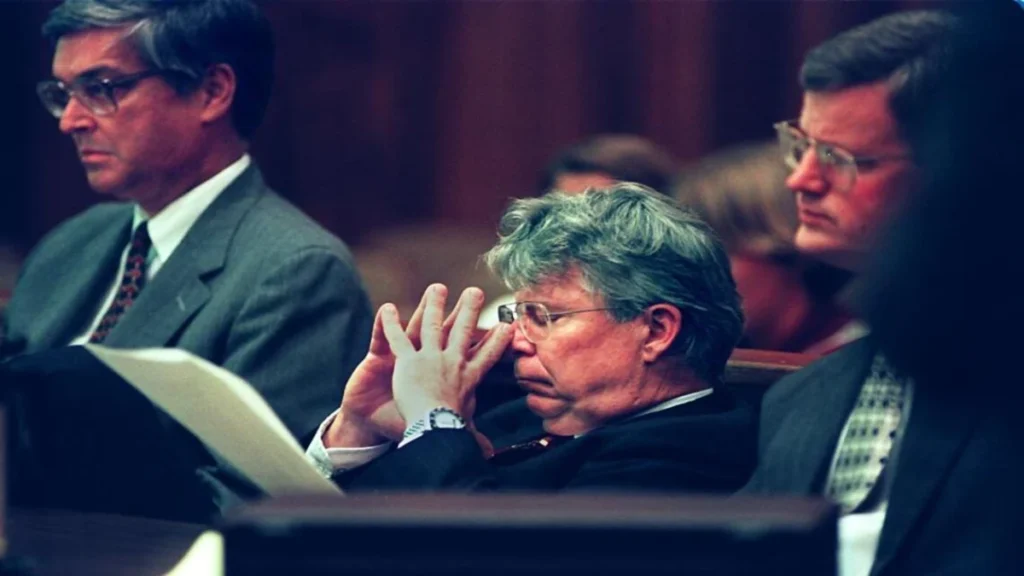
Police moved in immediately and arrested him at the scene. The extortionists turned out to be sixteen-year-old twin brothers, Charles and Lawrence Glasser, who had no connection to Amy.
They pleaded guilty to felony extortion, and Judge William Gladstone, who was overseeing the case, stated that they had a long way to come back from the serious delinquent and tragic events which they caused.
Shattered by the cruelty of the hoax, Susan told the media afterwards, “Please no more crank calls like that one. I would have done anything to get her back — begged, borrowed or stolen.”
Within months another caller began phoning the house identifying himself only as ‘Johnson’. Unlike the Glassers, he never asked for money.
Johnson did describe in graphic detail the torment that he was inflicting on Amy. He also threatened that Susan would suffer the same fate.
In one call, he told her that Amy had two weeks left to live. On another call, he claimed to have cut out Amy’s tongue. Susan alerted the police and local law enforcement to these threats, and the Dade State Attorney’s Office worked to catch him.
Police also instructed Susan to keep detailed logs of every call, noting the dates, times, and statements. For more than 20 years, the police failed to apprehend him.
Johnson routinely called in erratic spurts from various public pay phones across Miami. Even after setting up physical surveillance at pay phones and arranging meetings through Susan, Johnson still eluded the police.
The harassment took a horrible toll on Susan, depriving her of sleep, causing seizures and wearing her down physically. She kept engaging with the caller, though, hoping he would slip and reveal her daughter’s location.
In a tragic twist, in 1992 both Ned and Susan were diagnosed with lung cancer, and she told Johnson, hoping it might reach something in what was left of his conscience. Instead, he worked the diagnoses into his taunts.
Ned’s cancer progressed very aggressively and was inoperable. He eventually passed away from the disease in 1993.
Doctors decided to operate on Susan, and it allowed her to temporarily regain her health.
FBI agents finally closed in on 21 October 1995, working off tracking traps and a tip from Susan. Upon arrest, the individual was identified as Henry Johnson Blair, a highly respected 48-year-old US Customs special agent.
Johnson was a married father of two with 24 years of distinguished service for the federal government. He was convicted on two counts of stalking in March 1996 and sentenced to two years in prison.
At the trial, Johnson admitted the calls gave him sexual gratification, but he denied every meeting with Amy or knowing anything about her disappearance.
Susan settled a $5 million civil suit against him in 1998, and Johnson only made two $10,000 payments to the family before ultimately passing away in 2006. He never apologised, and Susan told the Tampa Bay Times, “I just don’t understand why he pinpointed Amy and me. There has to be a reason.”
Investigators did note an unsettling detail. Weeks before Amy disappeared, she had written in her journal about a man named ‘Hank’, who had asked her to run away with him to South America.
Amy had written that she told him he was crazy. Now Johnson’s nickname was Hank, and his job required a temporary posting to South America around the same time period.
Despite the significant coincidence, it has never been enough to tie him to Amy’s abduction. He was only convicted of the stalking and torture of Susan Billig for two decades.
The Mother Who Never Stopped Searching
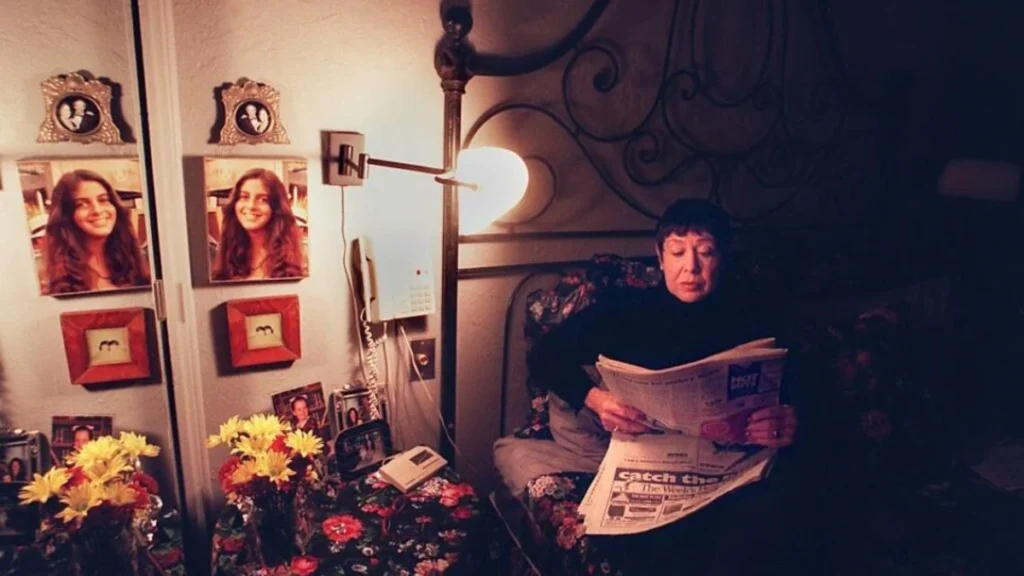
For thirty-one years, Susan has personally searched for her daughter. Getting on planes and driving across state lines to meet with shady organised-crime figures who claimed to know something.
She confessed to the Miami Herald, “Because I didn’t know if she was dead, I couldn’t forsake her and move on.”
Susan spoke with death row inmates as well. However, as with the encounters, Susan found that most of them were lying maliciously to delay their execution dates.
The family sold their possessions, closed the art gallery, and moved into a smaller home so they could keep funding the search. In 1984, one decade in, Susan told a reporter, “Had I known 10 years ago that it would be this long, I could not have survived. Every day I think that tomorrow, I’m going to find her.”
In 1998, twenty-four years after Amy’s disappearance, Susan and Joshua finally accepted that Amy was almost certainly dead. Susan then held a private memorial at her home that March and told friends afterwards that she experienced an unexpected peace.
Edna Buchanan, a reporter who covered the case for the Tampa Bay Times, said, “She’s been through more than any other mother I’ve ever met in all those years of covering missing children and homicides.” Susan eventually succumbed to a heart attack in 2005, at the age of 80.
Two days following her death, Joshua told a reporter, “I don’t think she ever found peace. She took that as a really tough wound right to the grave.”
He built a memorial bench for Amy in Peacock Park. The park she never reached that day. Joshua also kept his mother’s old phone line active in case Amy ever tried to call it.
He eventually let it go, telling the Coconut Grove Spotlight, “If my sister got it together enough to call my mother’s number, she can figure out how to call mine.”
The Miami Police have confirmed the case remains open. A department spokesman said that the only recent development was a man who claimed to have attended school with Amy before she vanished.
The lead has since dried up.
Amy Billig’s case remains one of the state’s most enduring unsolved mysteries. More than three decades after she disappeared, another case would grip the state when Orlando resident Jennifer Kesse also vanished on her way to work in 2006.
Despite extensive searches and investigations, neither case has been solved. Amy Billig would be 69 years old in 2026. No arrest has been made, nor has a body been recovered.
If you or anyone you know lived in the South Florida area in March 1974 and remembers details that would be helpful to the authorities, please contact the Miami Police Department or the Florida Department of Law Enforcement.
For more stories on unsolved disappearances, explore our articles on Brian Laspisa and Jo-Anne Pedersen.
NOTE: Third-party images are credited to their respective sources and used for editorial and public-interest reporting. Rights holders may contact us with any concerns, and we will review or remove the image where appropriate.