

On July 7, 2012, Shelia Eddy went door to door with Mary Neese, asking neighbors whether they had seen Mary’s 16-year-old daughter, Skylar. Shelia had been Skylar’s friend since childhood. She came into the Neeses’ home without knocking, and Mary welcomed her help with the search. Early the previous morning, Shelia and another friend, Rachel Shoaf, had driven Skylar into the Pennsylvania woods and stabbed her to death.
Skylar had returned from a vacation with Shelia just a week before the killing, her father, Dave, later told CNN. As the investigation continued, he and Mary passed along what police told them. They thought Shelia was missing Skylar, too. The girl who knew where their only child lay was receiving updates on the effort to find her.
Skylar was an honors student at University High School near Morgantown, West Virginia, with a 4.0 average and a part-time job at Wendy’s. She played flute in the school band and wanted to become a lawyer. At home, she read through the Twilight books, then began discovering older novels. Her mother remembered how much she liked Great Expectations. She was getting ahead on her summer reading when she disappeared.

Shelia and Skylar met when they were eight. Rachel joined their circle in high school, and the three became close. Other friends gradually fell away. They argued, but Shelia remained someone Skylar worried about and tried to help. Mary sometimes heard her daughter on the phone, scolding Shelia over something foolish she had done. To her mother, Skylar seemed to believe she could save her friend.
The parents knew the girls sometimes broke rules. Once, police brought them home at 2 a.m. after a speeding incident. Mary thought the reprimand had worked. Skylar cried about the others getting into trouble and said she understood. When she came home from work on July 5, she told her parents she loved them and went to her room. After midnight, she climbed out through the window.

Dave found that her bed had not been slept in. Her window screen was in the closet, and a stool was there to help her get back inside. She had left her phone charger behind. When she missed her afternoon shift at Wendy’s, her parents called the police. Shelia supplied an explanation. The three girls had gone driving and smoked marijuana, she told Mary, and she and Rachel had dropped Skylar near home so she could slip back in without waking her parents.
Shelia put the pickup at about 11 p.m. and said Skylar was back before midnight. The apartment building’s surveillance camera recorded something else. A car arrived around 12:30 a.m. on July 6, and Skylar emerged from the apartment and got into it. In the account the girls gave, she was safely home before the camera showed her leaving.
Still, a false account of a forbidden night out did not tell investigators what happened afterward. Police heard a rumor that Skylar had died of an overdose at a party and that frightened people had disposed of her body. They followed leads while the family circulated her photograph and asked strangers for help. On Twitter, Shelia continued posting about school, television, homework and her friendship with Rachel.

In September, Dave appeared on television to ask for help finding Skylar. A caller wanted to know what the girls had done during their drive. Dave said he had been told they listened to music and drove around. He questioned the friend, who said she brought Skylar home, but he still tried to trust the answer. “I like to think nobody would lie to me about this,” he said.
By October, the Neeses were facing the prospect of Thanksgiving and Christmas without her. Their daughter liked helping her mother season the Thanksgiving dinner, though she wasn’t much of a cook, and she especially liked the stuffing. One year, when Mary did not feel like decorating for Christmas, Skylar insisted on a tree. Now the apartment held the two parents and Skylar’s dog, Lilu. Mary told the Dominion Post that she missed hearing her daughter on the phone, laughing with friends.
Investigators suspected those friends knew more than they admitted. State Police Corporal Ronnie Gaskins publicly urged the people in the car to help bring Skylar home. Mary resisted the possibility that the two girls were responsible. “No. You guys, they are having as hard a time with this as we are,” she remembered telling police in an Associated Press interview.
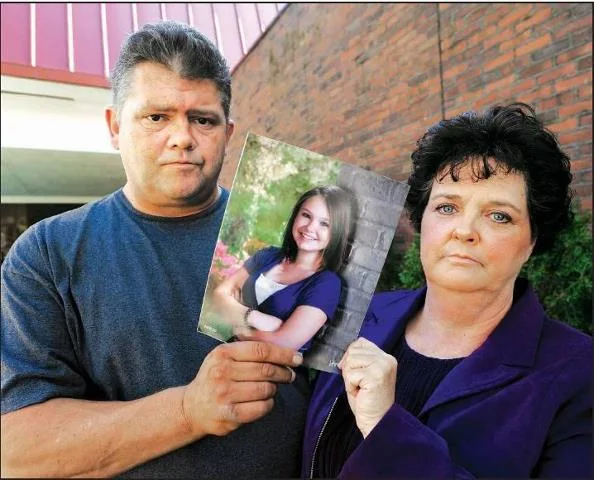
Investigators checked the girls’ accounts against phone records and convenience-store surveillance footage. Their versions changed, and during a November 30 interview, their stories didn’t match. Rachel eventually suffered what investigators described as a breakdown. On January 3, 2013, she admitted that she and Shelia had killed Skylar. Gaskins asked why. He was told they no longer liked her.
Rachel described a plan to take Skylar out for a drive and attack her at an agreed signal. The family’s later lawsuit, summarized in a federal court opinion, alleged that the girls concealed kitchen knives taped to their bodies. They drove in Sheila’s mother’s Toyota Camry to a remote spot near Brave, Pennsylvania, where the three got out to smoke marijuana.
The signal was a count to three. According to Rachel’s account, later recounted in court by prosecutor Marcia Ashdown, Skylar tried to run when the attack began, and Rachel tackled her. The knives struck Skylar’s neck and back. Rachel described noises coming from her neck as she lay wounded. Ashdown told the court that both girls continued stabbing until those sounds stopped.
ABC News later reported that authorities counted more than 50 stab wounds. The girls tried to bury Skylar but could not, so they covered her body with branches. The location was across the Pennsylvania border, roughly half an hour from the home where her parents would spend the coming months waiting for her. All three girls were 16.
Rachel’s confession gave investigators a place to search, but they still needed to corroborate her account and build the case against Shelia. Rachel agreed to wear a wire; the effort did not produce an incriminating admission. Investigators seized the Camry, kitchen knives, and electronic devices from Shelia’s home. An FBI examination found Skylar’s blood in the car’s trunk.
Investigators recovered a body in Wayne Township, Pennsylvania, on January 16. Identification took longer. For weeks afterward, public reports still described Skylar as a missing girl. In early February, her family planned a vigil at home for her seventeenth birthday. Asked whether there was an update, Dave told a local radio program, “Not that we can talk about, no.”
On March 13, the U.S. attorney’s office announced that FBI laboratory testing had identified the remains as Skylar’s. Shelia posted a tribute alongside photographs of the two of them. She wrote, “Rest easy, Skylar, you’ll ALWAYS be my best friend.” In another message before her arrest, she posted a sentence that echoed the signal Rachel described: “we really did go on three”.
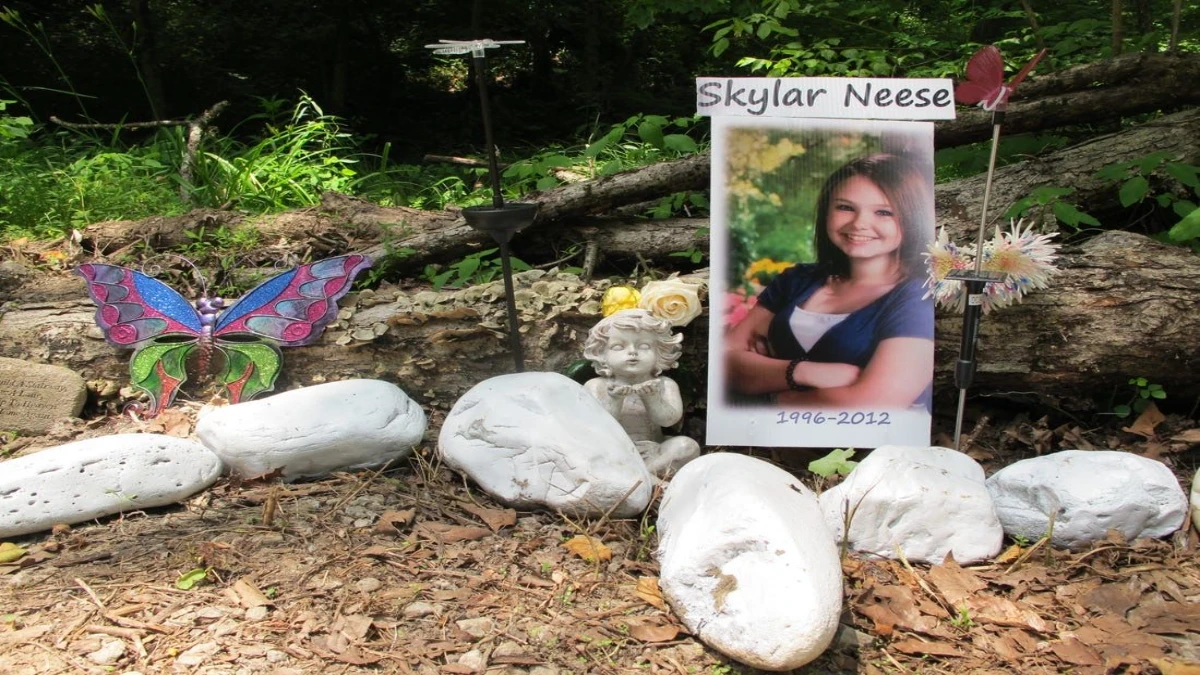
On May 1, 2013, Rachel, still 16, agreed to be prosecuted as an adult and pleaded guilty to second-degree murder. Authorities arrested Shiela that day in a restaurant parking lot. Authorities initially withheld her name because she was a juvenile. Rachel’s cooperation had given prosecutors a witness who could describe both the preparation for the killing and the attack itself.
Shelia’s case was scheduled for trial in January 2014, with Rachel expected to testify. Instead, on January 24, Shelia pleaded guilty to first-degree murder. Judge Russell Clawges sentenced her to life with the possibility of parole, allowing her to seek parole after 15 years. She answered the judge’s questions but did not explain the killing. Her lawyer apologized on behalf of Shelia and her family.
Dave spoke for Skylar. The courtroom could see the person who killed her, he said, but it could not see his daughter’s face. He described what the killing had done to him and Mary. “We are no longer a family,” he said.
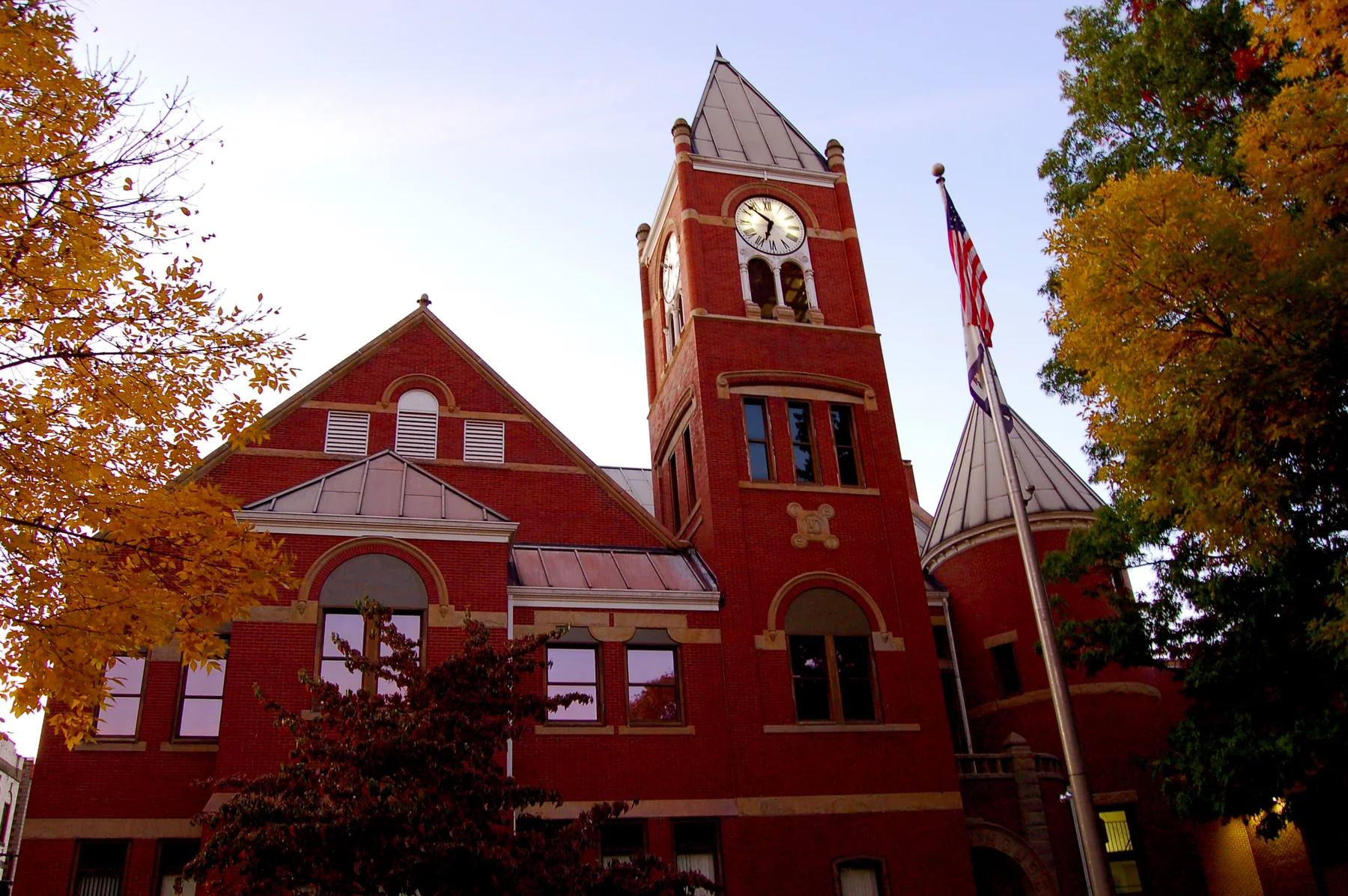
Rachel was sentenced on February 26. She apologized and said, “That was not the real me.” Prosecutors recommended 20 years in return for her cooperation. Her lawyers asked for treatment as a juvenile. Clawges imposed 30 years, with parole eligibility after ten. Dave had wanted the maximum of 40 but told reporters that 30 was good. He was less receptive to her apology. “She can take her apologies and sit on them.”
By then, the Neeses had also helped change how West Virginia police handled missing children. Police initially treated Skylar as a runaway. The legislature passed Skylar’s Law in April 2013, requiring local officers to contact state police early in a missing-child investigation so an Amber Alert coordinator could assess the case. The law retained the conditions for issuing an alert, including a belief that the child had been abducted. It required an early review, rather than an automatic alert in every case.
The guilty pleas settled who was responsible for Skylar’s death without a trial that might have tested Rachel’s account in public. Why the girls decided to kill her remained harder to explain. At Shelia’s hearing, Ashdown said they feared Skylar would reveal their secrets, without specifying what those secrets were. The brief explanation that they no longer wanted her friendship stood beside the evidence of a planned attack.
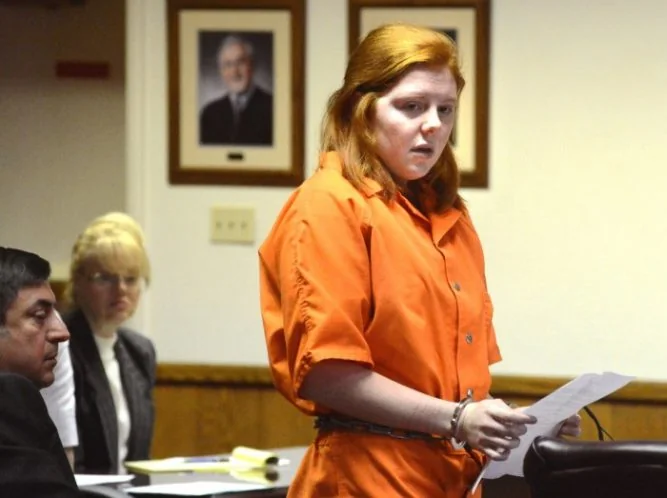
A more specific account emerged at Rachel’s first parole hearing in May 2023. According to Dave’s account, Rachel said she and Shelia had been in a romantic relationship and feared Skylar would tell people. Dave regarded it as the explanation the family had waited eleven years to hear. He and Mary had expected to attend by video link. When that did not happen, they participated by phone.
The board denied parole. It denied Rachel again in 2024, and the board waived a 2025 hearing. On June 8, 2026, the board rejected her third request, with her next consideration set for June 2027. Shelia would not be eligible for her first hearing until 2028. Dave addressed the board again in 2026, still trying to keep the two women imprisoned.

The hearings were only part of the work the family took on in Skylar’s name. Friends in a local motorcycle club organized annual rides, and people who had never met her raised money for the Neeses. In 2015, with a $10,000 gift from a New York school expected, the family announced that an account established to help them would become a scholarship fund. The money would assist a West Virginia University law student with tuition.
Asked about the ambition behind the fund, Dave remembered his daughter’s talent for arguing. “If you ever argued with her, you’d see why. She was great.”
Read more about the teenagers who lured Shanda Sharer from home and the killing of Reena Virk and the trials that followed.
Image rights notice: If you are a copyright holder and have concerns about an image used in this article, please get in touch with us. We will review your request and remove the image where appropriate.