
If there’s anything to be learnt from all the wars that have been plaguing this world, it’s the fact that a crowd can make violence feel rather impersonal. An individual act of violence often requires one to think consciously about their action before actually carrying it out.
Conversely, when one person strikes, and another follows, and soon a third, and all this ‘conscience’ seems to be eaten up by a collective fury in which no one feels entirely responsible
Again, war is not the only place in which this barbarity occurs. We see it all around us, in almost mundanely normal aspects of our lives.
Sometimes, the war zone could even be a patch of grass beneath a bridge, with the combatants teenagers, and the person caught in the middle not an enemy but a fourteen-year-old girl.
How Reena Came to Be
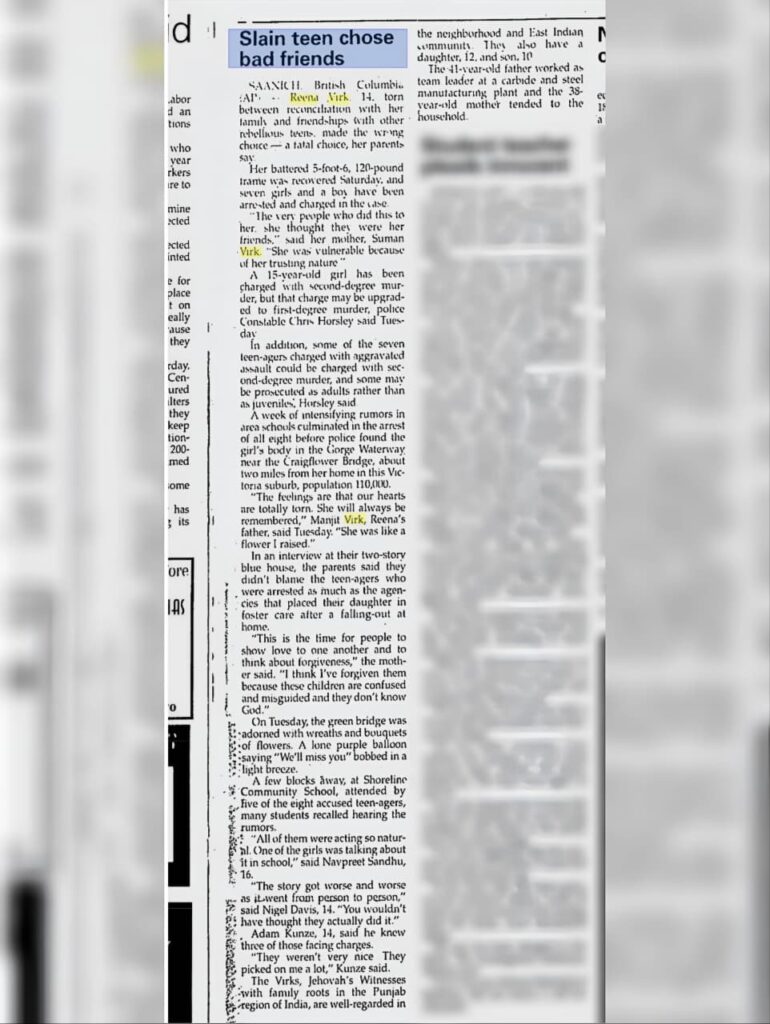
“Slain Teen Chose Bad Friends” would be a headline strewn across newspapers in Canada in November 1997, as the country struggled to wrap its head around the death of a young teen.
It had happened just days earlier, on the night of 14 November.
A group of teenagers had gathered beneath the Craigflower Bridge in Victoria, British Columbia, in what seemed, at first, to be an unremarkably mundane gathering of rebellious teenagers smoking, drinking, and spending time together.
Except that, before the night was over, one of them would be dead.
The circumstances of this death would force an entire country to confront a much more uncomfortable question than who had killed her: how could a group of teenagers turn on one of their own with such extraordinary brutality?
To understand the mindset of the perpetrators, though, we must first understand the girl who would become its victim, Reena Virk.
The Early Life of Reena Virk
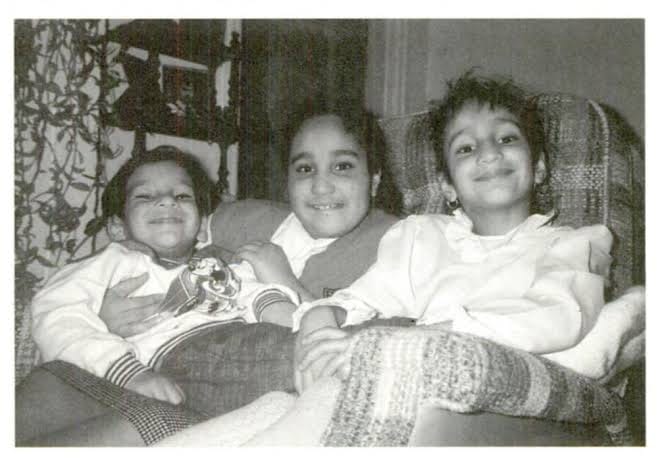
Reena Virk was born on March 10, 1983, to Manjit and Suman Virk in Saanich, British Columbia. Her father had immigrated to Canada from India, while her mother had been born in Canada to a family that had converted from Hinduism to Jehovah’s Witnesses. She was the oldest of three kids.
Now, for those of you reading this who may not be familiar with the social dynamics of 1990s Victoria, there is one thing worth keeping in mind.
Reena was, in a way, a minority within a minority, being the daughter of South Asian immigrants (that too, Jehovah’s Witnesses) growing up in a predominantly white Canadian community.
What this essentially meant was that Reena was growing up with more than one set of expectations around her.
At home, of course, there were her family’s faith, culture, and the rules that came with it. Outside, there was a very different world of school and teenage friendships, which seemed poles apart from her life behind closed doors.
Life Between Two Worlds
Naturally, Reena wanted to belong.
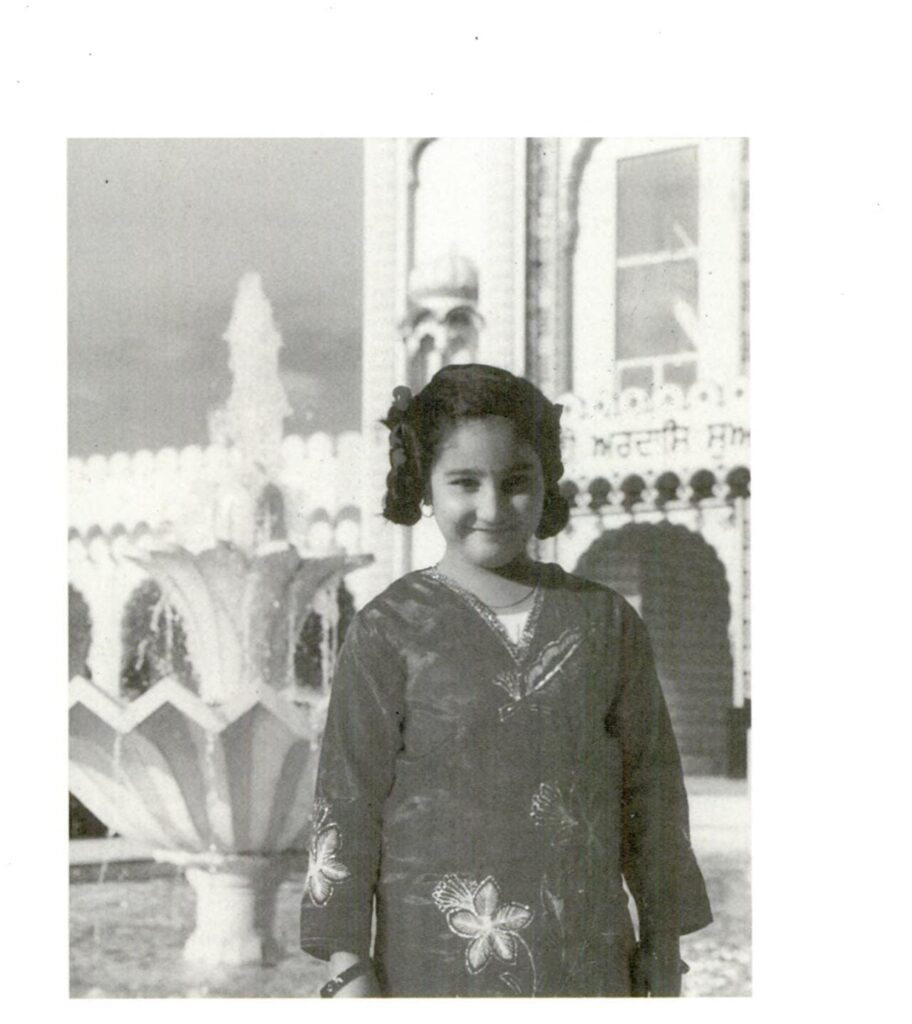
But for a stout, brown girl with dark brown curly hair that fell just below her chin, and dark brown eyes (features that seemed to ostracize her in a predominantly white community), fitting in wasn’t straightforward.
Reena was bullied right from elementary school, and the experience reportedly affected her so deeply that she began fighting frequently with her family and became depressed.
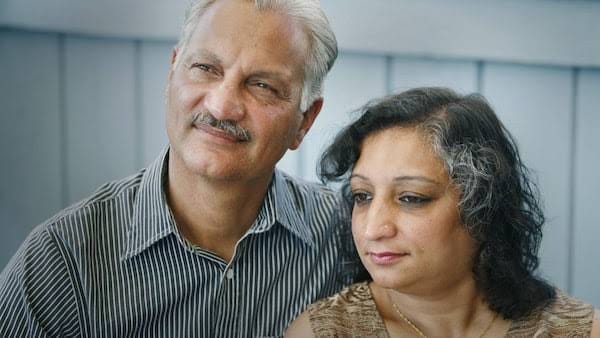
“She was very puzzled. Why would people pick on her?” her dad asked.
In the end, her family was forced to move, so Reena could change schools.
This wouldn’t do much for Reena’s self-esteem, though, and, as it turned out, the relentless bullying wasn’t going to cease anytime soon.
In 1996, Reena entered Colquitz Middle School, where her search for acceptance began taking her in directions that worried her parents. She began associating with teenagers who smoked and drank, and increasingly rebelled against the restrictions imposed by her family and religion.
Her father later described her as “a naive, 14-year-old girl trying to find herself in a hard world.”
Manjit often reminded his daughter of a scripture from 1 Corinthians: “Bad associations spoil useful habits.”
Trouble at Home
And spoil they would.
The friends Reena had found at Colquitz Middle School were a world (or maybe two) away from the one her parents had tried to build for her. They seemed to possess every sort of freedom that Reena had spent the beginning of her adolescence craving.
To ‘fit in’, Reena began smoking cigarettes and marijuana, drinking, and her clashes with her parents became far more frequent.
A devilish idea occurred to Reena in 1996, when she was barely thirteen. A friend suggested that all she had to do was report to the police that she was being abused and she’d get a new home.
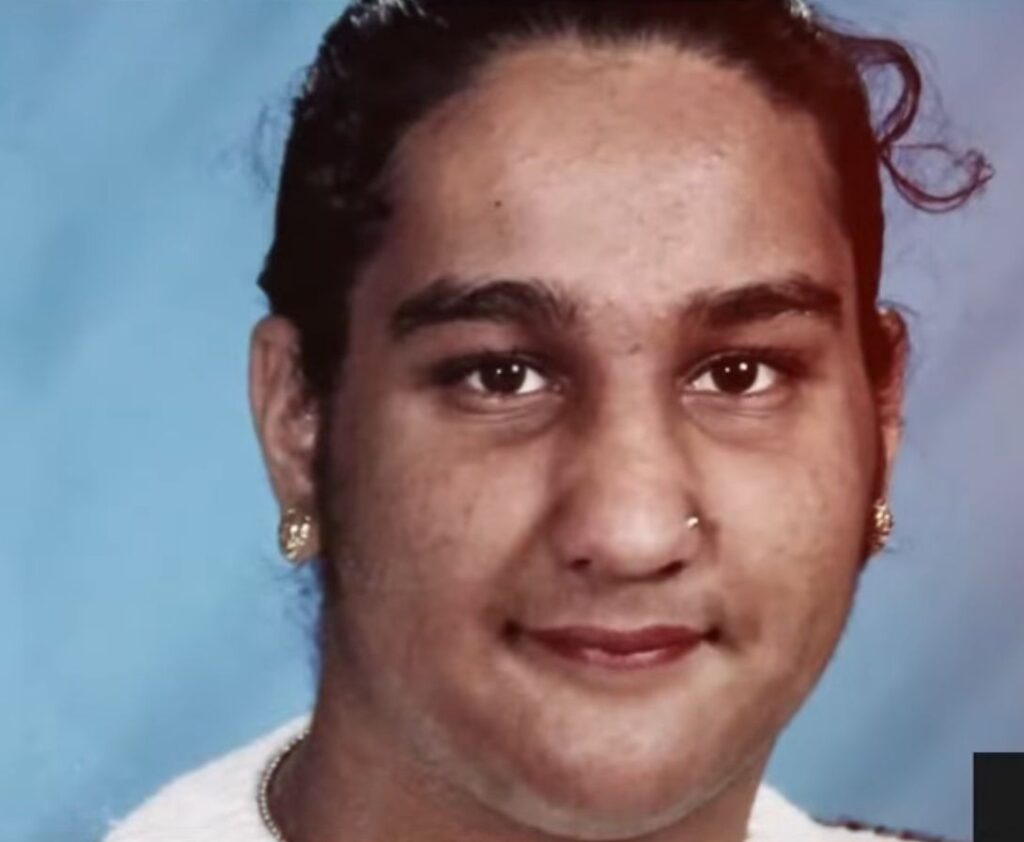
Blindly following what she was told, Reena accused her father of sexual abuse, prompting authorities to remove her from the family home. She was initially placed in the care of her maternal grandparents, before eventually entering provincial care.
Reena’s father was arrested after a social worker accompanied Reena to the police to make a complaint.
Interestingly, the B.C. Children’s Commission would later review the allegations, which had begun with claims against unnamed relatives in India before eventually including her father and involved alleged physical, mental, emotional, and sexual abuse, but wouldn’t find credible evidence.
“Due to concerns about the youth’s credibility and her history of fabricating events, criminal charges against her father were stayed in court,” the report said.
Away From Home, Away From Home
Provincial care would hardly provide Reena with the unfettered freedom that a thirteen-year-old might have imagined when she first sought a way out.
But the system did provide Reena with access to a social circle she had long coveted.
Here, she met teenagers who lived in foster care themselves, some of whom were already familiar with smoking, drinking and street life. The Independent notes that, roughly a year later, Reena would be invited to a party by schoolmates, including two teenagers she had met through the foster care system.
Tragically, these were the very people who would cause her demise. “Reena, 14, was beaten to death in 1997 by two teens she met through the foster care system” , a later report noted.
Eventually, though, tired of the restrictions and curfews of foster care, Reena recanted the allegations and asked to return home. The charges against her father were dropped, and in September 1997 she returned to her family.
Out of the Frying Pan into the Fire
This not-so-happy reunion did not last long.
Within about a month, Reena had left home again, ended up at a youth shelter, and was placed in another foster home.
This time though, luck (or misfortune if you will), was on her side, and she chanced upon a group of other teens in the foster care, who suggested that if she “wanted more freedom, she could move out into a group home, [which] were the next level after foster homes, [with] no rules, no curfews, and more freedom”.
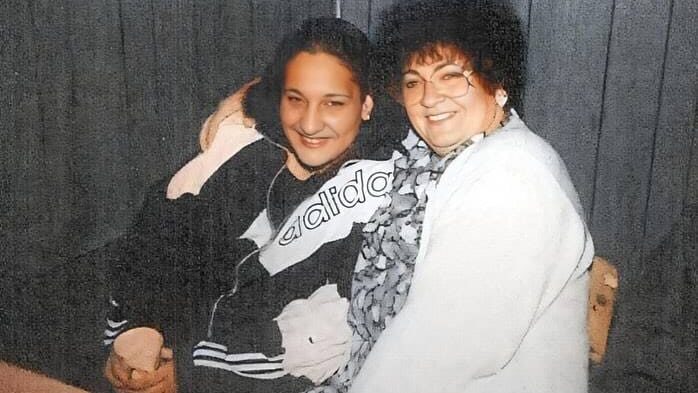
Almost instantly, Reena maneuvered herself out of foster care and into a group home and started missing school to join the crowd of people she saw as friends, to party and commit minor acts of vandalism.
The Night of November 14
Shortly after, Reena was invited to a party on Friday, 14 November 1997.
A couple of girls, aged fourteen and fifteen, asked Reena to meet them in the parking lot of a nearby Walmart. From there, the group headed to the field behind Shoreline Secondary School, where an even larger crowd was already waiting.
By nightfall, around 30 teenagers had gathered, drinking and smoking cigarettes and marijuana.
It didn’t take long for the crowd to turn rowdy. At around 8:30 p.m., one of the teenagers threw a rock through a school window, prompting a janitor to call the police.
When officers arrived to break up the gathering, the teenagers scattered in smaller groups, with some heading towards nearby shops and others making their way to the secluded area beneath the Craigflower Bridge.
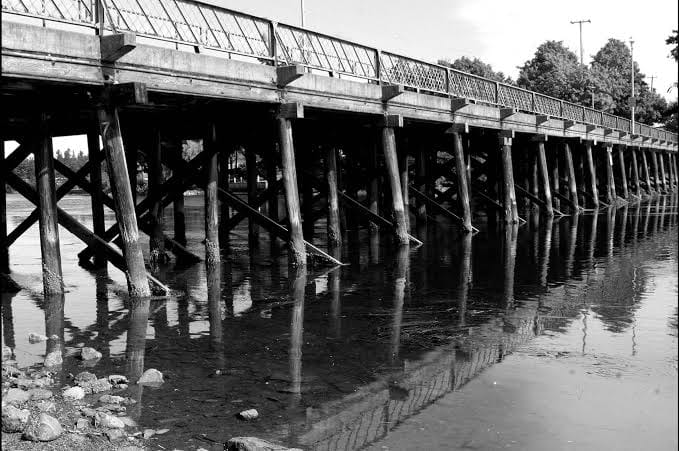
Reena would be one of the girls who ended up at the convenience store, where she called her parents to let them know she would come home for the night. She told her parents she’d be there in about 20 minutes.
Before Reena could leave, though, two girls linked arms with her and persuaded her to come to the bridge for another cigarette.
Apparently pleased to be included, Reena went with them to the south end of the Craigflower Bridge.
This would prove to be fateful.
Twenty Minutes That Never Came
Meanwhile, Reena’s parents waited in tense anticipation after her phone call. She’d said she’d be home in 20 minutes, but it had already crossed midnight.
They contacted her group home, only to learn that she had not been there since the previous night. Because Reena was a ward of the state and had a history of breaking curfew, her disappearance did not initially warrant an extraordinary response.
This was also partly because police were accustomed to receiving numerous reports of missing youths in care, many of whom returned the following day.
“On any given night, we could have as many as 15 alerts for missing kids,” a local police officer said at the time.
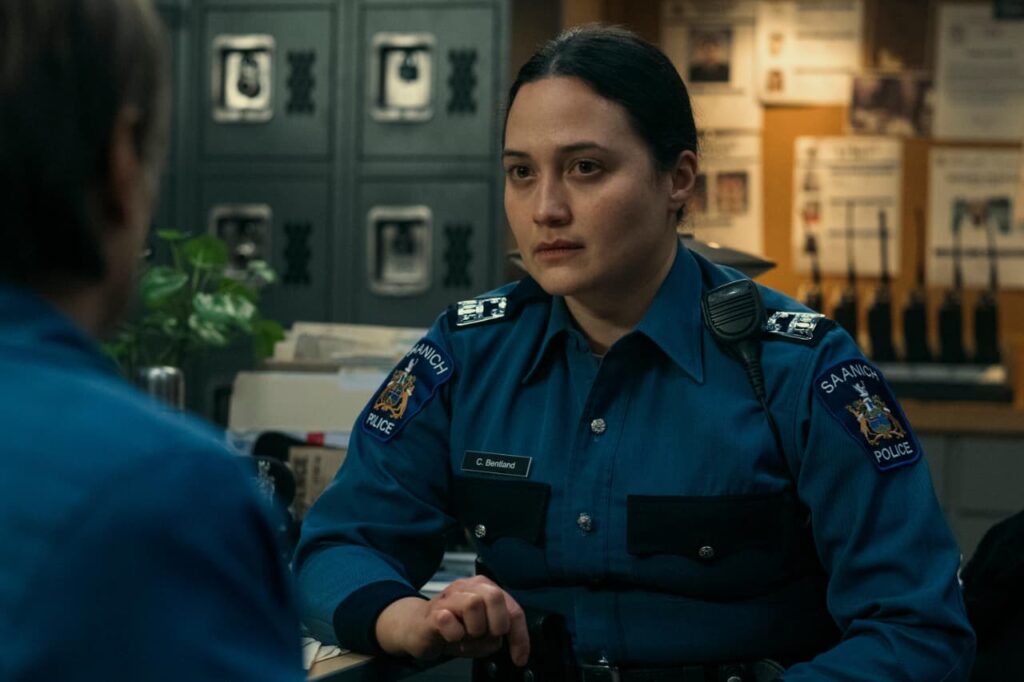
When Reena still had not returned the next day, her mother, Suman, contacted Saanich Police, where she was told that they would have to wait 48 hours before further action could be taken.
For the next two days, the family desperately searched for information, working through the address book in Reena’s room and calling her friends.
By Monday morning, rumors were spreading through Shoreline Secondary School about an assault beneath the bridge on Friday night, with Reena being named as the victim.
In fact, one girl reportedly began bragging that she had been responsible, making comments insinuating that “Reena might not come back to school, ever.”
Further, reports claim that “The girl went around bragging, saying that ‘it’ felt so good and she wanted to do ‘it’ again.”
The rumors eventually reached parents and guardians, who contacted police. The 48-hour period had long passed, and investigators began questioning Reena’s friends, classmates, and residents of her group home.
Everyone Knew Something
The problem was that much of what the police heard was second- or third-hand accounts of what had actually transpired, and consequently much of the story seemed distorted or contradictory.
The one thing they could establish was that Reena had not been seen or heard from by anyone at all since Friday night.
It would only be four days after the attack that police received a much-needed breakthrough, in the form of a resident and another group home, who came forward with a troubling story.
The police were told that a girl at her group home had been boasting about a vicious attack she had carried out on Reena.
The assault was, in fact, not random at all, but had been planned for days. People had been called beforehand and were invited to meet under the bridge to participate in the attack upon Reena. Others who had heard about it asked to participate because they wanted revenge for things that Reena had allegedly done.
What the Police Found
Given this information, the police searched the area where the alleged assault had taken place, but were disappointed by the very little evidence they could find.
Finally, however, the police were able to contact a girl who had actually been present when the assault took place, and she described Reena’s final moments in excruciating detail.
When Reena had arrived under the bridge, around twenty teenagers had apparently been waiting and had formed a semicircle around her, accusing her of flirting with one of their boyfriends and stealing a girl’s phone book to call boys from it. They said they wanted revenge.
In MSCNBC’s Dateline episode titled Bloodlust Under the Bridge, one of the girls, Nicole Cook (named Josephine Bell in the series) admitted to lighting a cigarette and putting it out on Virk’s forehead to imitate the placement of a bindi. This was reported to be the beginning of Virk’s assault.
Seven girls and one boy then joined in, punching and kicking her as she cried, “Please, leave me alone.”
What Had Happened Under the Bridge
Given this information, police planned a carefully coordinated roundup of the teenagers named in the investigation, arresting them simultaneously and then separating them for questioning. The accounts they gave varied considerably.
However, investigators were soon able to piece together a basic timeline.
After the first assault, Reena was left alone beneath the bridge, crying in the mud. She had a bloody nose, her eyes were swollen, and after a couple of minutes, she slowly tried getting up and walking up the bridge to get back home.
One of the girls, Kelly Ellard, and the only boy involved in the assault, Warren Glowatski, then allegedly followed her, reportedly fearing that she might “rat people out after the assault.”
When they caught up with her, Reena apparently told them, “F*** off, just leave me alone.”
Instead, they grabbed her and claimed they would walk her home. They then dragged her to the other side of the bridge, where the assault began again.
Reena was beaten, knocked unconscious against a tree, and dragged towards the water. At the water’s edge, Ellard held Reena’s head beneath the surface until she drowned.
Chillingly still, Ellard had apparently told the officers at the station, “I’m a girl; I never thought girls get arrested for murder. It’s not very ladylike.” She further mentioned that she thought the missing person’s name was Trina, not Reena, while yawning, and denied any involvement at all, alleging that Reena might have been abducted.
One of the most horrifying details from this incident that later came to light was the fact that Ellard had apparently smoked the entire cigarette while keeping Reena’s head submerged beneath the water with her foot, ensuring her death.
The Search for Reena
Police now had an active homicide on their hands, and finding Reena’s body was of utmost importance.
Reena’s body was finally found by police divers on November 22, 1997, in a ‘shallow tidal pool’ around 1 kilometer away from where she was murdered.
Laurel Gray, the pathologist who conducted Virk’s autopsy, found that she had severe internal and external bruising, including a crushed small bowel and a bruised liver; her brain was swollen, and there was a shoe imprint on her head “consistent with a stomping or a kick.”
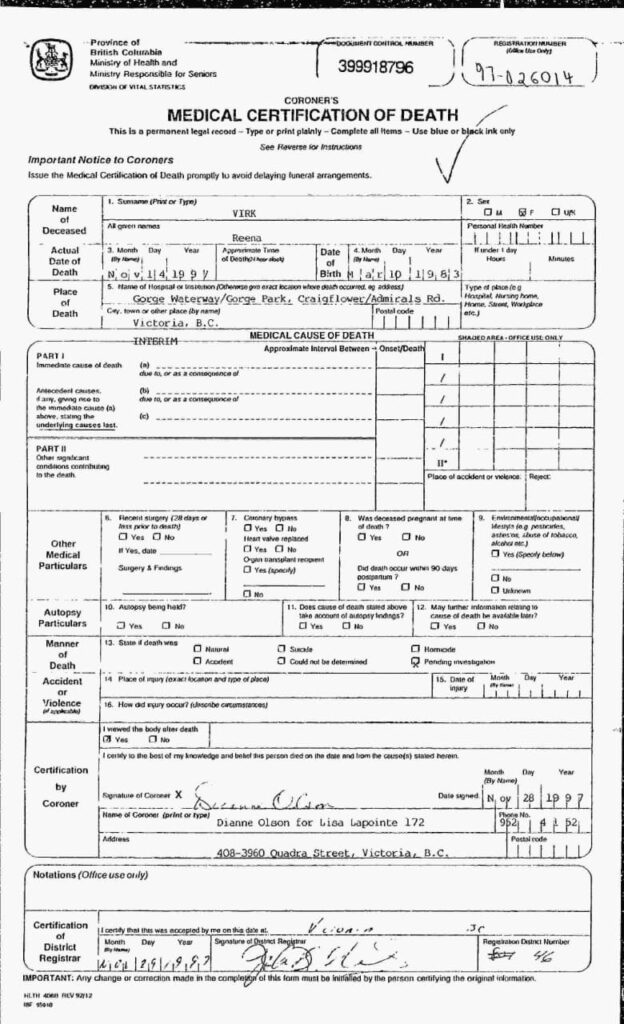
She also found pebbles in Virk’s throat, which was consistent with drowning face down in shallow water.
Now that the body was found, police were faced with the problem of who to convict, because an entire crowd had participated in this brutal assault.
The Trials
In the end, six teenage girls, aged 14 to 16 and referred to as the “Shoreline Six,” were tried and convicted for assaulting Virk.
Warren Glowatski, then sixteen, was convicted of second-degree murder in 1999 and sentenced to life imprisonment, with no possibility of parole for seven years.
Kelly Ellard was convicted of second-degree murder three separate times, but each conviction was overturned on appeal or otherwise, a retrial, before her fourth trial finally ended with a conviction in 2010.
Reena’s case raised eyebrows around the world, especially regarding how the very systems designed to protect vulnerable children can fail them. The Victoria Climbié case later exposed similar vulnerabilities in Britain’s child protection system.
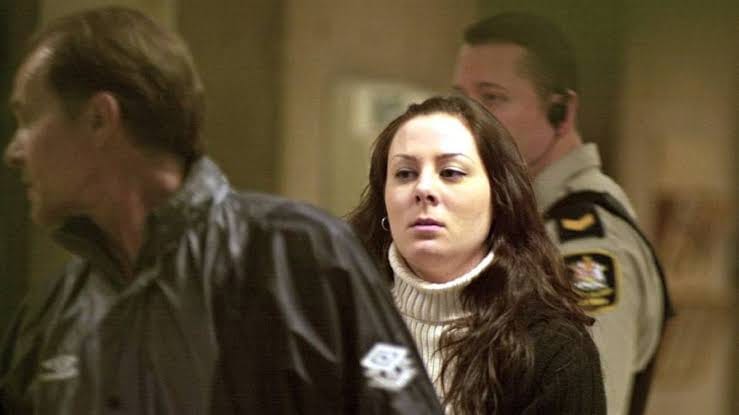
She was sentenced to life imprisonment with no possibility of parole for seven years.
The Aftermath
More than two decades later, Reena’s story would return to public attention when Rebecca Godfrey published her 2005 book, Under the Bridge: The True Story of Murder in a Small Town, which she had compiled after “conducting exclusive interviews with parents, classmates, police, prosecutors and several of the youths involved.”
In 2024, Hulu and ABC adapted the book into the television miniseries Under the Bridge, bringing the story to a new generation.

Since Reena’s death, her family has campaigned for anti-bullying programs and shared her story in schools across the country. Her father, Manjit Virk, said he hopes his daughter’s legacy will continue to reach teenagers.
“There’s a new generation, and if they are not taught now that bullying is not OK, they will grow up to be adults and carry on this practice,” he said. “Nobody wants these kinds of things to happen, and that really gives us courage,” he further added.
If you are interested in reading more such true crime articles, do consider visiting our articles on Margaret Fox and Michael Madden.