
In 2009, a man imprisoned at Norwich asked Britain’s Press Complaints Commission to correct an account of a killing he had helped commit. David Lant was not disputing that he and Robert Maudsley had tortured and killed a patient at Broadmoor. He objected to what a newspaper said happened to the dead man’s head.
The Daily Mail had repeated a story about a cracked skull, missing brain tissue and a spoon protruding from the opening. Lant supplied the autopsy report. According to the regulator’s record of the complaint, it said the “skull is intact, and the brain shows no gross evidence of injury”. The newspaper corrected its internal database and notified other national newspaper groups.
By then, the brain-eating story had become inseparable from Maudsley’s reputation. He was “Hannibal the Cannibal”, a prisoner whose supposed appetite seemed to explain why he needed an extraordinary cell. Removing that detail left four dead men, three killed inside secure institutions. The prison authorities still had to decide how to contain someone who had repeatedly killed people in their care.
The first man he killed was John Farrell, whom he strangled in London in March 1974. Maudsley was working in the sex trade and using drugs. He later presented his victims as sexual offenders, but the surviving legal record described an accusation of killing and robbing a man to buy drugs. In June, he pleaded guilty to manslaughter with diminished responsibility and was sent to Broadmoor.
Maudsley was born in 1953 in Liverpool into a family of 12 children. His brother Paul remembered their early years in the care of nuns as comparatively happy. Paul later described their father beating them with his fists, a belt, and sometimes a stick, and their mother encouraging him. In the family accounts recounted by Crime+Investigation, Robert said he was once shut in a room for six months while his father came in to beat him. He was eventually placed in foster care.
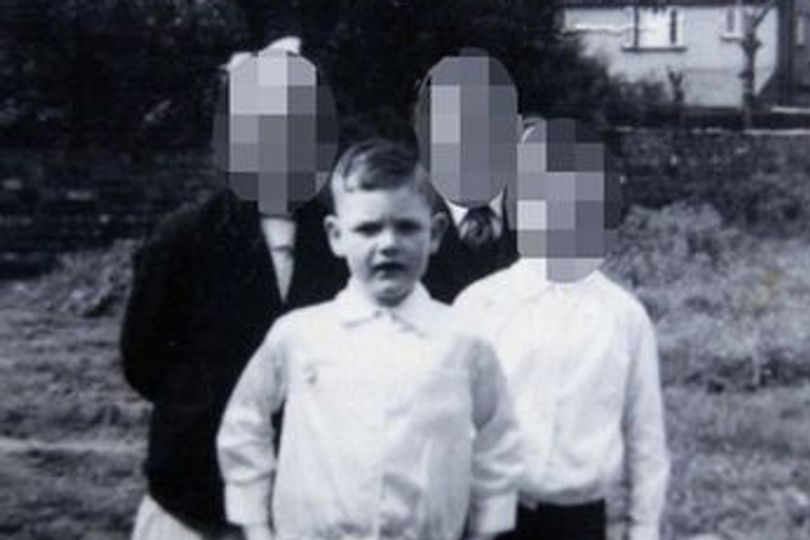
In London, he made repeated suicide attempts and told a psychiatrist he felt murderous rage toward his parents. Years later, when a doctor tried to help him talk about his childhood, Maudsley struggled with how much he could face at once. By then, four people were dead, and he was being kept apart from other prisoners.
At Broadmoor, he attempted to strangle another patient in 1976 and participated in a hostage-taking. The following February, he and another patient tortured and killed David Francis. This was the death around which the brain-eating story accumulated, and the killing Lant would later revisit with the autopsy.
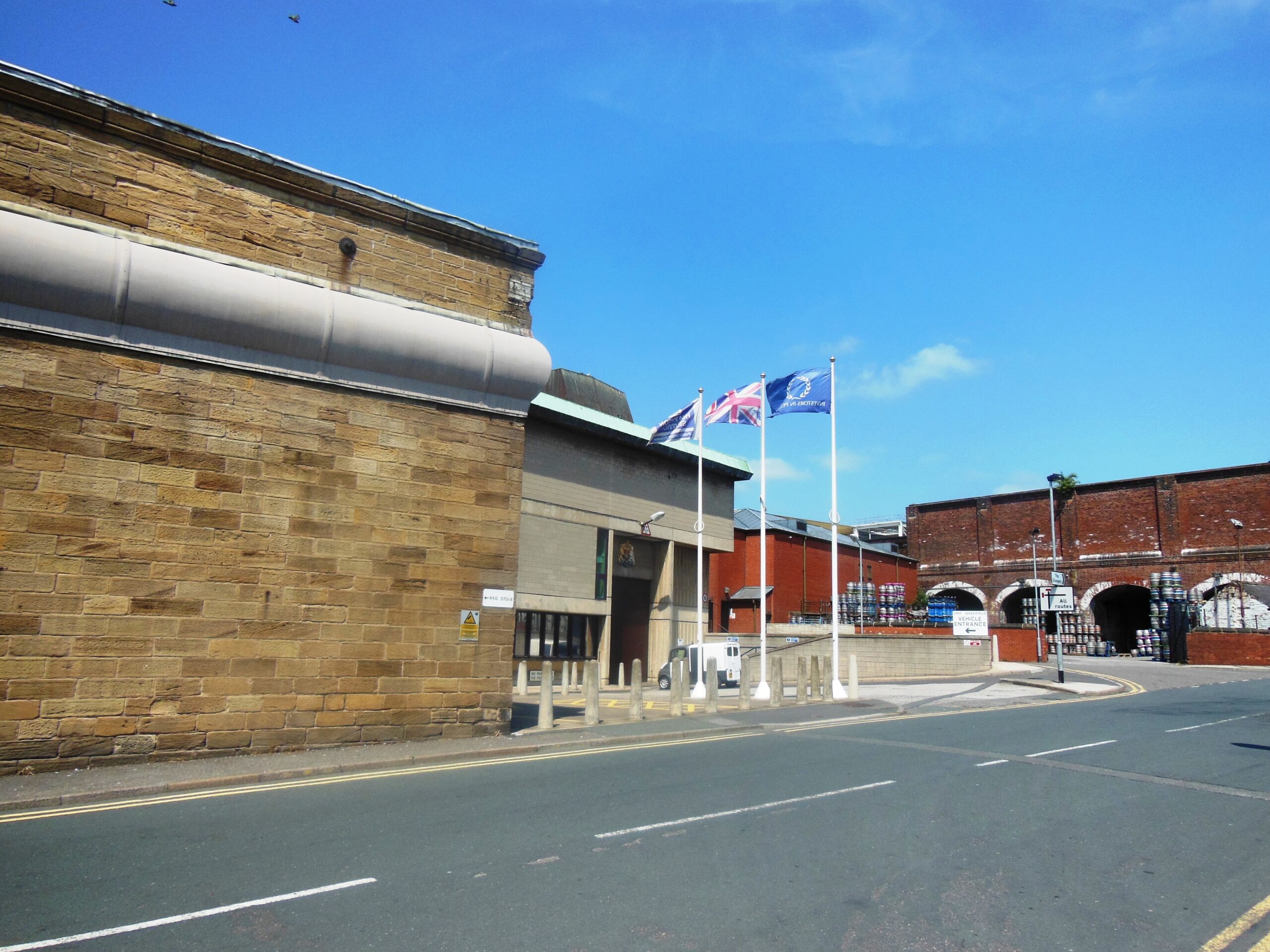
Maudsley was convicted of murder in October 1977. The judge recommended considering a return to a special hospital, but most medical reports found no basis for that transfer. He entered the prison system instead. After a period at Bristol, he arrived at Wakefield in March 1978 and was allowed to associate with other prisoners. Four months later, two of them were dead.
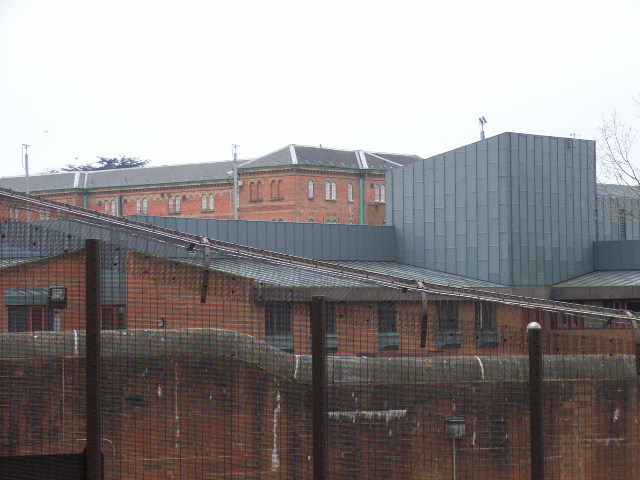
The victims were Salney Darwood and William Roberts. A later Liverpool Echo account described Maudsley strangling and stabbing Darwood, then hiding his body beneath a bed. The Observer later reported that he attacked Roberts with a makeshift knife and repeatedly smashed his head against a wall. The second killing happened while the first victim’s body remained concealed.
His separation at Wakefield began in July 1978 under Rule 43, the prison rule used to remove someone from ordinary association. In December 1981, Lord Avebury asked the government who had authorized the steel-mesh barrier inside Maudsley’s cell and what it was meant to achieve. The answer recorded in Hansard was practical. The inner door protected officers against a sudden attack when they unlocked the solid outer door.
It also allowed that outer door to remain open, giving staff a way to speak to the prisoner without exposing themselves. The government said the governor selected the cell to lessen the isolation created by segregation. Maudsley could ask for the solid door to be shut. From inside, he described a different experience of the room.
Maudsley’s later complaint described four mattresses on the floor, cardboard furniture and a frosted window. Through a ventilation gap, he could see a wall and a thin strip of sky. Medical officers saw him daily, the government said. He described those encounters as brief greetings and disputed whether they amounted to a proper reassessment of his condition. In 1983, the European Commission of Human Rights declared his complaint inadmissible, citing his dangerousness, medical supervision and prospective improvements.
At Parkhurst on the Isle of Wight, psychiatrist Bob Johnson eventually sat down with him. He recalled first seeing Maudsley in May 1991, through another inner mesh door, and spending two or three years securing permission to begin sessions. When they finally sat together, Maudsley occupied the bed near the window. Johnson chose a place near the door.
His condition was plain: “if you frighten me, I’m going”. When Maudsley said his palms were getting sweaty, Johnson reminded him that he would leave. The recorded exchanges later featured in The Killer in My Family showed Maudsley discussing more of his childhood than he could several months earlier, while warning that they needed to proceed carefully. Johnson acknowledged the pace.
Johnson came to believe that extensive talking and counseling had produced progress and that rehabilitation remained possible. In a later interview for Making a Monster, he described the difficulty of keeping himself separate from another figure in his patient’s mind. “If you’re not careful, he projects the picture of his father onto you.”
In March 2000, Maudsley tried to make his circumstances a public question. He wrote to The Times asking for a television, classical music tapes, pictures and a pet budgerigar. If those requests were refused, he asked for cyanide so he could kill himself. The appeal put a demand for ordinary comforts beside a request to end his life.
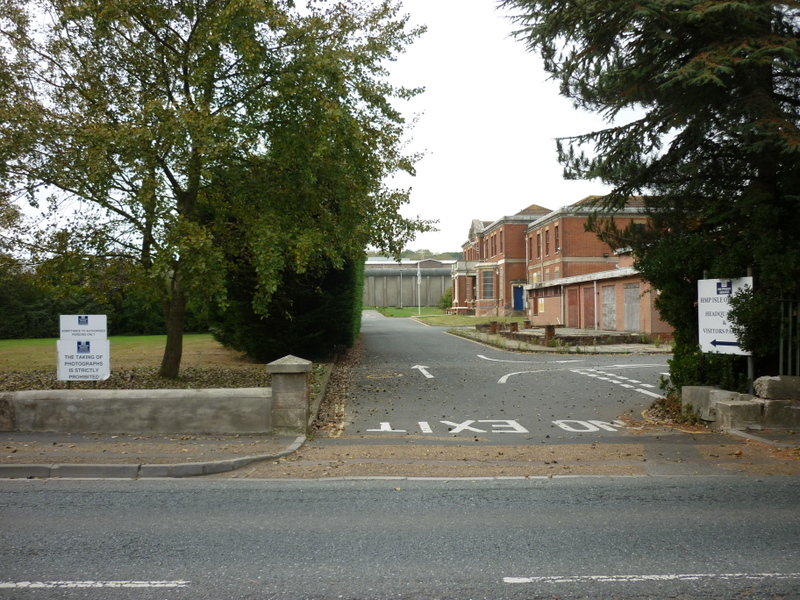
A contemporaneous Reuters report carried the Prison Service’s response. “Prisoners live in decent conditions, but we have to bear in mind security and control restrictions,” a spokesperson said. The service dismissed his appeals. His letters had sought changes inside the prison, where he had been told he would remain for the rest of his life.
His nephew Gavin Mawdsley first learned the details of Maudsley’s crimes from a newspaper. He knew Uncle Bob was in prison and had done something wrong. At about 12 or 13, he saw a schoolmate reading a newspaper with a large article and photograph of his uncle. “I knew straight away that that was my uncle Bob,” he recalled in the documentary’s account of their relationship.
The discovery did not end their contact. Gavin described receiving letters in which his uncle told him what he had watched on television, including David Attenborough’s wildlife programs. Television, once among the comforts Maudsley publicly requested, became something he could discuss with a nephew who had never known him outside custody.
Gavin’s loyalty also extended to defending the killings. Speaking in the 2019 documentary, he acknowledged that his uncle had done terrible things but described him as taking the law into his own hands. “He didn’t kill any innocent people,” he said.
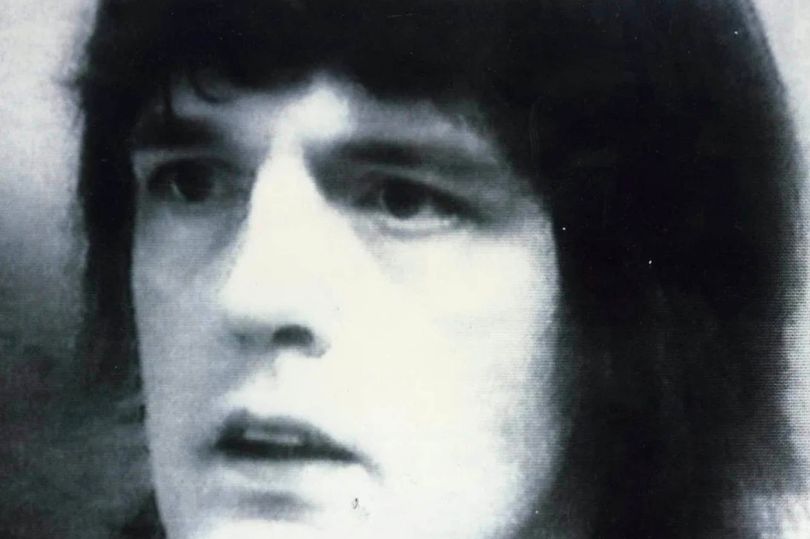
By 2022, Gavin was describing a routine of visits. The family got his uncle banana milk and chocolate, usually with a sausage roll, and Maudsley brought a flask of hot water and tea bags to make them tea. In the account reported by the New Zealand Herald, Gavin said his uncle had become comfortable at Wakefield. He also said Maudsley had written that he would kill again if given the chance, and that he believed him.
While the family described visits and television, public accounts continued to place Maudsley in an underground glass box. Criminologist Ben Crewe had gone into the Close Supervision Center system himself, beginning his fieldwork in 2017. Reaching the units involved searches, an escort, and a succession of locked gates. Once inside, he could speak with staff and prisoners and conduct interviews.
His 2026 book, Deep Confinement, explicitly identified Maudsley when discussing the recycled, inaccurate descriptions of his conditions. None of the units Crewe visited were underground. He rejected the familiar account of a purpose-built subterranean glass cell, while describing the severity of the actual regime. Some men could leave their cells only with several officers accompanying them. At Wakefield, he conducted interviews through a barred opening between adjoining rooms.
In July 2026, My Story Media reported receiving a recording of Maudsley phoning Gavin from Whitemoor Prison in Cambridgeshire to complain about his conditions. The agency said it was helping publicize his protest. Years after his nephew described him as settled at Wakefield, the family was again carrying his objections beyond the prison.
The following month, aged 73, he spoke to the Daily Mirror‘s Jeremy Armstrong. The interview placed him at Whitemoor following a transfer from Wakefield in April 2025. He described his old cell as having a barred gate and a Perspex barrier, rather than being an entire Perspex box. He also said he refused prison meals while buying food from the prison shop.
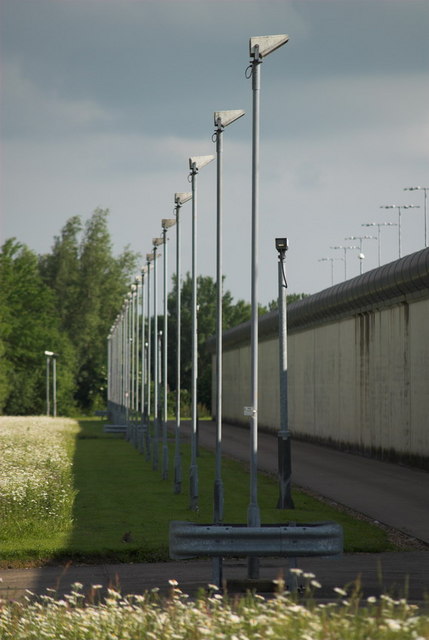
He said he had received no visits since February 2025 and that requests for visits after the transfer had been refused. The visits Gavin described, with milk, chocolate and tea, belonged to his life at Wakefield. His account from Whitemoor was a prisoner’s complaint about losing contact, made to a reporter over the telephone.
He accepted that spending the rest of his life in prison was justified by his crimes. His argument concerned the life he could have there and whether treatment might still alter his capacity for violence. More than half a century after Farrell’s death, Maudsley offered no assurance that the danger had passed.
“I do have the possibility within myself to kill again, but with therapy, I think that I could overcome that.”
For more stories about confinement and the people inside it, read about the woman who spent decades in an asylum under a number, or Mary Bell, the child killer who was released after 12 years.
Image rights notice: If you are a copyright holder and have concerns about an image used in this article, please get in touch with us. We will review your request and remove the image where appropriate.