

During the trials for the kidnapping, rape and murder of Channon Christian and her boyfriend, Christopher Newsom, Channon’s parents were told not to cry. “We got in trouble for crying, when they showed pictures of our daughter laying on a slab,” her mother, Deena, recalled afterward. She and her husband, Gary, thought the judge who presided over the proceedings was in poor health.
Richard Baumgartner was secretly obtaining prescription painkillers through a former participant in his drug court. By the time the extent of his misconduct emerged, four juries had returned convictions in the killings. The families had spent years hearing what happened to their children inside a small Knoxville house. In December 2011, another judge ordered new trials for all four defendants.
Channon was 21 when she disappeared, a University of Tennessee senior who worked two jobs. Her father remembered her staying up all night with a friend whose dad had died, talking and consoling her. She gave friends going through breakups the same attention. Gary did not know precisely what career she would have chosen, he said in a 2012 interview, but he expected her to work with children.

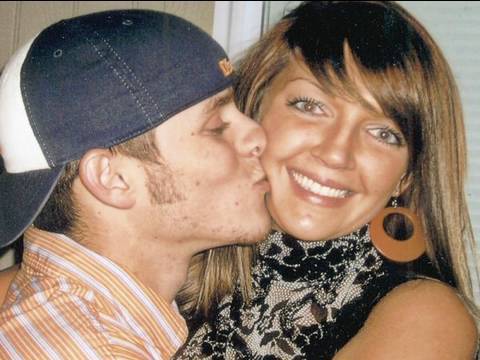
She and Chris, 23, had been dating for only a few months. They shared a liking for golf. Channon learned by following her father and brother around the course until she decided to play herself. Chris played with his mother, Mary, the day before the couple vanished and went out again that Saturday. Mary remembered his smile when he came downstairs after changing for his date.
On January 6, 2007, they planned to have dinner and then join friends at a party. Channon got ready at a friend’s apartment in the Washington Ridge complex and waited there for Chris. He dropped another friend at the party and said he and Channon would return after eating. When they failed to arrive, friends called and texted. By 11 p.m., friends had gone back to the apartment complex. Chris’s truck was there, but Channon’s Toyota 4Runner was gone.
At 12:33 a.m. Sunday, Channon called her father and said she would be home between 2 and 3. She sounded normal and calm, he later testified. Cellphone records placed the call in the Cherry Street area, near the house where she was held captive.
Gary said police initially told the family to conduct their own search. They obtained the location of the cellphone tower that handled her calls, then searched streets and abandoned buildings with relatives and friends. Early Monday, January 8, they found the 4Runner near the intersection of Chipman and Glider Streets. Its decals had been removed, the seats pushed back, and the floor muddied. The clothes Channon carried in the back, intending to donate them, were missing.
A railroad worker had already found Chris’s body nearby on Sunday afternoon. His hands and feet were bound, his eyes covered and a sock stuffed into his mouth. The medical evidence showed that he had been raped and shot three times, including a shot to the head. His attackers wrapped him in a comforter and set him on fire after he was dead. His father, Hugh, later described how he and Mary embraced their son through a body bag when they said goodbye.
Inside the abandoned SUV, investigators found a fingerprint on a bank envelope. It belonged to Lemaricus Davidson, who lived at 2316 Chipman Street, close to where the vehicle and Chris’s body were found. On Tuesday, January 9, officers entered his house with a search warrant. In the kitchen, Sergeant Keith DeBow opened a garbage can and found Channon.
The investigation reconstructed a carjacking at gunpoint outside the Washington Ridge apartments. The couple was brought to Davidson’s house in Channon’s SUV. His half-brother, Letalvis Cobbins, was staying there with his girlfriend, Vanessa Coleman, and their friend George Thomas. Chris was taken away from the house. Channon remained a prisoner inside it.
The medical evidence established repeated oral, vaginal, and anal rape. The membrane connecting Channon’s lip to her gum was torn, and the injuries around her vagina and anus extended deep into the surrounding tissue. The examiner attributed the severe genital damage to forceful contact with a blunt object. Channon also suffered blows to the head. A cleaning substance containing bleach was put into her mouth to destroy DNA evidence, according to the Tennessee Supreme Court’s account.
She was still alive when she was bound into a tight fetal position, with her head pressed toward her knees. A plastic bag covered her mouth and nose, and five more garbage bags enclosed her body. The bag and her cramped position inside the kitchen bin prevented her from breathing. She died of asphyxiation.
Davidson’s semen was recovered from her body, and his fingerprints appeared on several of the bags surrounding her. Among the possessions recovered from the house were her shoes, her purse, and an iPod inscribed with a message of love from her parents.
Davidson was gone when police searched his home. A friend, Eric Boyd, eventually directed investigators to a vacant house where Davidson was hiding. Boyd helped him obtain shelter and food while police hunted for him, conduct that brought an 18-year federal sentence. But the federal case concerned helping Davidson avoid arrest, not Boyd’s responsibility for the murders themselves. That distinction would occupy the Newsoms for years afterward.
The people staying at the Chipman Street house gave accounts that shifted responsibility among themselves. Davidson denied sexual contact with Channon when police questioned him. His lawyers later suggested consensual sex and a voluntary visit involving drugs. The explanation contradicted his own statement and the evidence. A successor judge reviewing Davidson’s convictions called the defense theory “rank speculation.”
Separate trials before Baumgartner in 2009 and 2010 produced different verdicts and punishments. Davidson received two death sentences, Cobbins life without parole, and Thomas life without parole. Coleman was acquitted of every charge concerning Chris. She was convicted of facilitating Channon’s murder, kidnapping, and rape.

Coleman said she was frightened of the men and could not leave. But she also described riding around with them in the stolen SUV while Channon remained bound inside the house. She admitted checking on Channon while she was tied up. The appeals court later concluded that the jury could infer she helped guard the captive woman and knowingly assisted the crimes.
While those trials unfolded, Baumgartner maintained a life the families knew nothing about. He presided over the county’s drug court and criminal trials. In 2009, he invited a former drug-court participant to his chambers and gave her $175 to obtain hydrocodone. She spent that money on drugs for herself. Later, he bought her a cellphone to help arrange purchases, began a sexual relationship with her, and intervened with other officials on her behalf. His conduct eventually led to federal convictions for concealing a drug conspiracy.
In March 2011, Baumgartner pleaded guilty to official misconduct and resigned. He left without expressly approving the verdicts in the three men’s cases as the “thirteenth juror,” a duty requiring the judge to weigh the evidence independently. A replacement would have to decide whether he could perform that review from the record without having watched the witnesses testify.
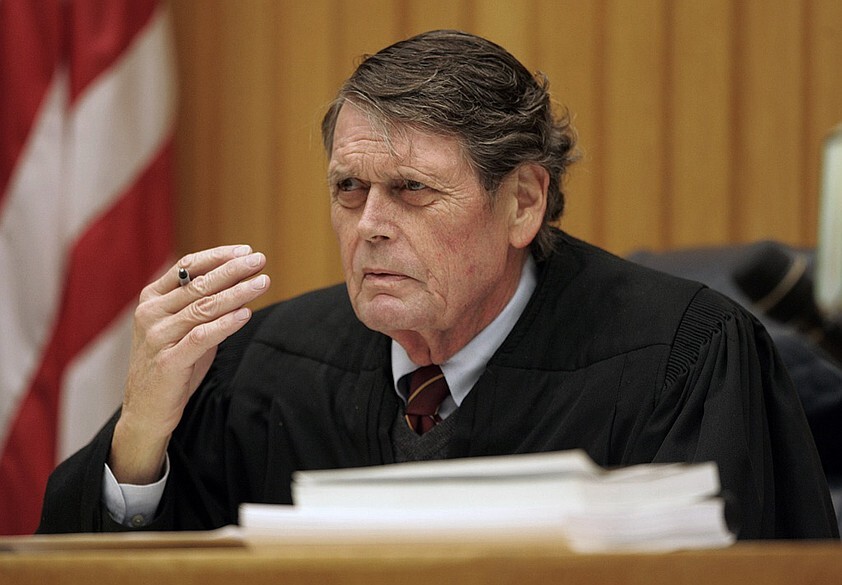
Jon Kerry Blackwood, assigned to take over, read the state investigation into Baumgartner and ordered new trials for all four defendants. The rulings that followed separated the cases again. Misconduct outside court did not automatically invalidate a trial. Eventually, another successor, Walter Kurtz, upheld Davidson’s and Cobbins’s convictions. The physical evidence allowed him to assess Davidson’s case without relying on the witnesses’ courtroom demeanor. Thomas’s case required credibility judgments a replacement could not make from the transcripts alone.
Coleman was retried in November 2012 and again convicted of facilitation. She received 35 years. Thomas was convicted again in May 2013. Channon’s and Chris’s parents returned to hear the testimony and see the photographs of their children’s deaths again.
The parents also wanted to read the investigative material that had disrupted the cases. Prosecutors and defense lawyers received the Tennessee Bureau of Investigation’s file. Some of its contents became public, but portions remained sealed. Gary, Deena, Hugh and Mary went to court seeking access. In 2015, an appeals court rejected their request.
Their children’s names also entered Tennessee law. The Channon Christian Act extended restrictions on using alleged past misconduct as character evidence to victims and others. The Chris Newsom Act created a presumption that a judge who dismissed a jury after a unanimous verdict had approved it. Both took effect in 2014.
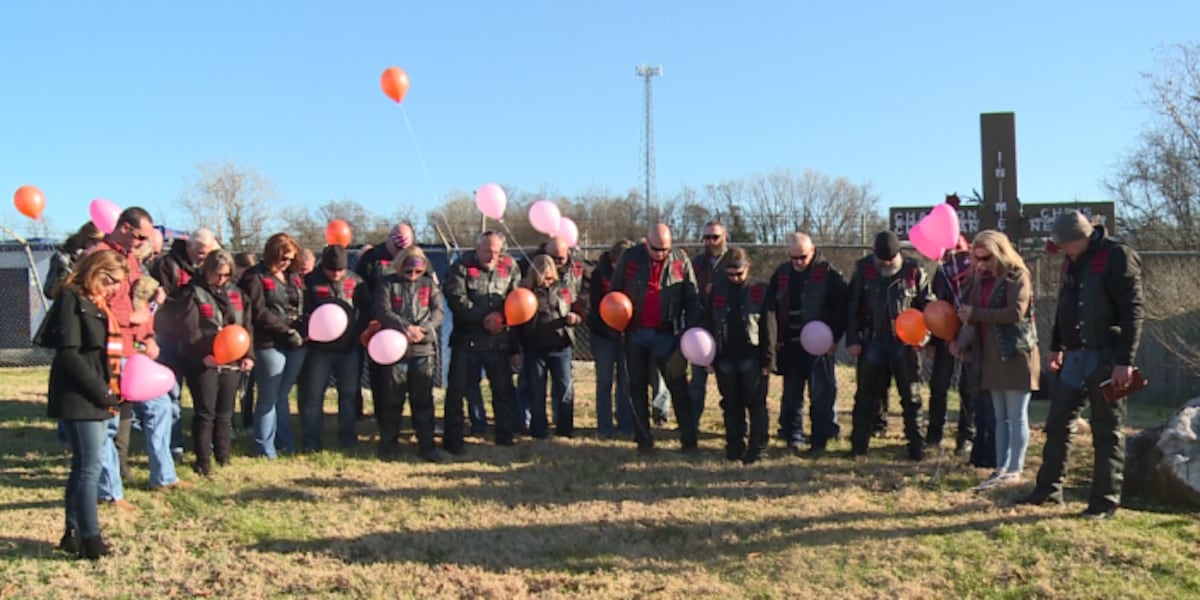
Outside court, Channon’s family raised money for scholarships through the foundation established in her name. Young women attending the University of Tennessee became “Channon’s Angels.” Golf, once a pastime she shared with her father and brother, became part of the fundraising. At a 2016 tournament, players gathered at Willow Creek Golf Club to support the scholarship.

For the Newsoms, Boyd’s federal sentence left another part of the case unfinished. They believed he had participated in the crimes, not merely sheltered Davidson afterward. They enlisted a private investigator, repeatedly pressed prosecutors to charge him with murder, and appealed directly to Cobbins and Thomas to testify. Hugh said he contacted the district attorney’s office so often he expected to be arrested for harassment.
In 2018, Thomas agreed to cooperate. He was then serving two life terms plus 25 years, the punishment imposed after his retrial. Under the new agreement, he would testify against Boyd in return for a 50-year sentence. A grand jury indicted Boyd that year.
When testimony began in August 2019, Gary Christian was watching the jurors. He told WVLT he was tired, but he watched how they responded to the witnesses. “You never know, but it looked like their reaction was the right way for us,” he said after the first day.
Thomas told the jury he accompanied Boyd as he took Chris toward the railroad tracks. He described flashes from gunfire and, afterward, the flare of gasoline being ignited. Defense lawyers challenged his changing account and the substantial benefit he received for testifying. On August 13, 2019, the jury convicted Boyd. He received two consecutive life sentences plus 90 years.

Gary was still returning to court in June 2025. He told a local reporter he wanted an execution date for Davidson, even as he described finding some peace with his wife, son and grandchildren and trying to remember good times with Channon. “It’s supposed to be through, done. Give him a date,” he said. Davidson’s legal challenges continued into 2026.
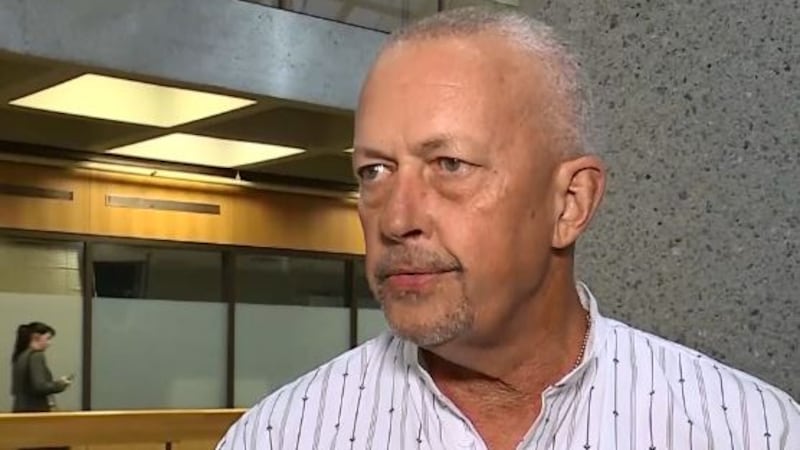
At the press conference after Boyd’s conviction in 2019, Hugh Newsom repeated a request from one of his and Mary’s other children: “We’d like to have our parents back.”
For more on the long aftermath of violent crimes, read about the search for Anita Cobby’s killers or the student film that helped solve Janet Chandler’s murder.
Image rights notice: If you are a copyright holder and have concerns about an image used in this article, please contact us. We will review your request and remove the image where appropriate.



This was terribly written