
A sketch of a Cheshire cat grinning maniacally lay on Leah Robert’s bedroom dresser with its teeth spanning absurdly wide, almost indecently cheerful.
“This is to cover bills for when I am gone. Remember, everyone is together in thoughts and prayers… I’m not suicidal. I’m the opposite. Remember Jack Kerouac,” a note next to it said, left along with a pile of hundred-dollar bills, totaling nearly 3000 dollars.
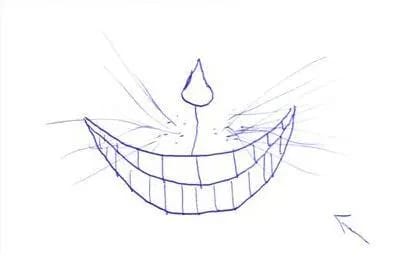
This was the last contact Leah had with her friends and family.
Who Was Leah Roberts?
It is tempting, when writing about a person’s disappearance, to begin at the moment their life becomes a mystery, but to understand Leah Roberts better, we must go back a couple of years.
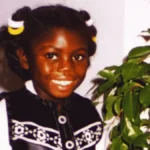
Leah Toby Roberts was born on July 23, 1976, to Nancy and Stancil Roberts.
Growing up, she had a happy, relatively normal childhood as the youngest of three children in a tight-knit family in Durham, North Carolina, alongside her older sister, Kara, and her older brother, Heath.
A vegetarian, a fluent Spanish speaker, and an avid football player, Leah was described by her siblings as a highly charming, smart, talkative, and easygoing young girl who spoke with a noticeable, thick Southern drawl.

One Loss After Another
Leah’s life began to change when she was seventeen, with her father being diagnosed with a serious respiratory illness. Just three years later, while Leah was studying at North Carolina State University, her mother, Nancy, died unexpectedly of heart disease.
Leah took time away from school to be with her family.
If this wasn’t tragic enough, while returning home, she was involved in a near-fatal automobile accident that left her with a punctured lung and a shattered femur, with the damage being to such an extent that a metal rod had to be placed inside her leg.
She later described surviving the accident as a kind of second chance at life.
A Second Chance at Life
As if the relentless bludgeoning of fate would not stop until she became totally subdued, in the spring of 1999, just three weeks before Leah was due to leave for a study program in Costa Rica, her father tragically passed away.
Broken but resilient, Leah went for her program anyway.
By then, Leah had begun to look at her life differently. She was studying Spanish and anthropology at N.C. State and had spent a semester in Spain. She had also begun writing poetry and keeping a journal.
After leaving the university, only months before she was due to graduate, she learned to play the guitar, took up photography, adopted a kitten named Bea, and began spending much of her time in a Durham coffeehouse called Cup O’ Joe.
In particular, Leah was drawn to the writings of the 1950s beatnik author Jack Kerouac, with her favorite novel being his 1958 autobiographical work, Dharma Bums, set in Whatcom County, Washington.
In the Dharma Bums, Kerouac writes about his alter ego, Ray Smith, and his friend Japhy Ryder (based on poet Gary Snyder) as they hitchhike across America, climb mountains, and spend time in the wilderness while exploring Zen Buddhism and Eastern philosophy.
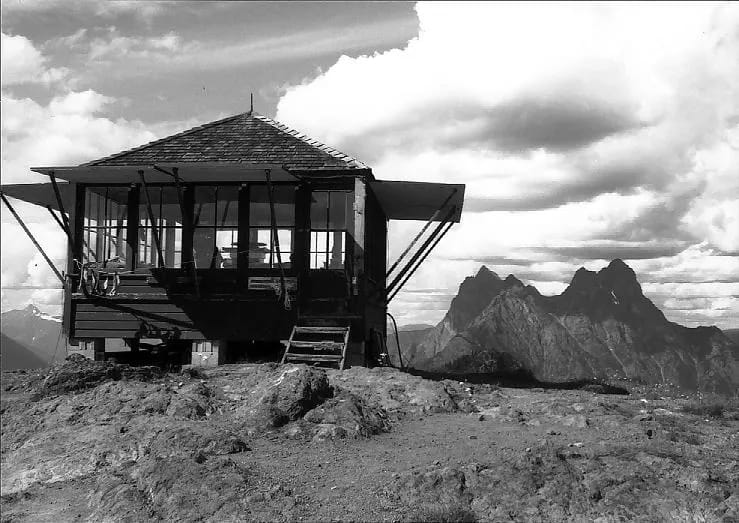
For Leah, though, the appeal of Kerouac’s writing seemed to extend far beyond its literary prowess.
The Pacific Northwest held a particular fascination for her. The mountains of Washington, their forests and long stretches of wilderness, seemed almost impossibly distant from the mundane urban Durham.
In fact, Leah had even discussed emulating Kerouac and going on a road trip to the Western United States with her friend Jeannine Quiller and roommate Nicole Bennett.
The Call of the Open Road
It came as no surprise then, when Leah finally decided to embark upon this journey she had spoken about for so long.
On March 9, 2000, the then 23-year-old Leah Roberts drove away from her home in Durham, North Carolina, in her 1993 white Jeep Cherokee, chasing a Kerouac-fueled dream of the open road, heading west towards the mountains and forests that had occupied so much of her imagination.
Surprisingly, though, she had spoken on the phone that very morning with her sister, Kara Roberts, who was contemplating her uncertain future plans, and the two had planned to meet very soon.
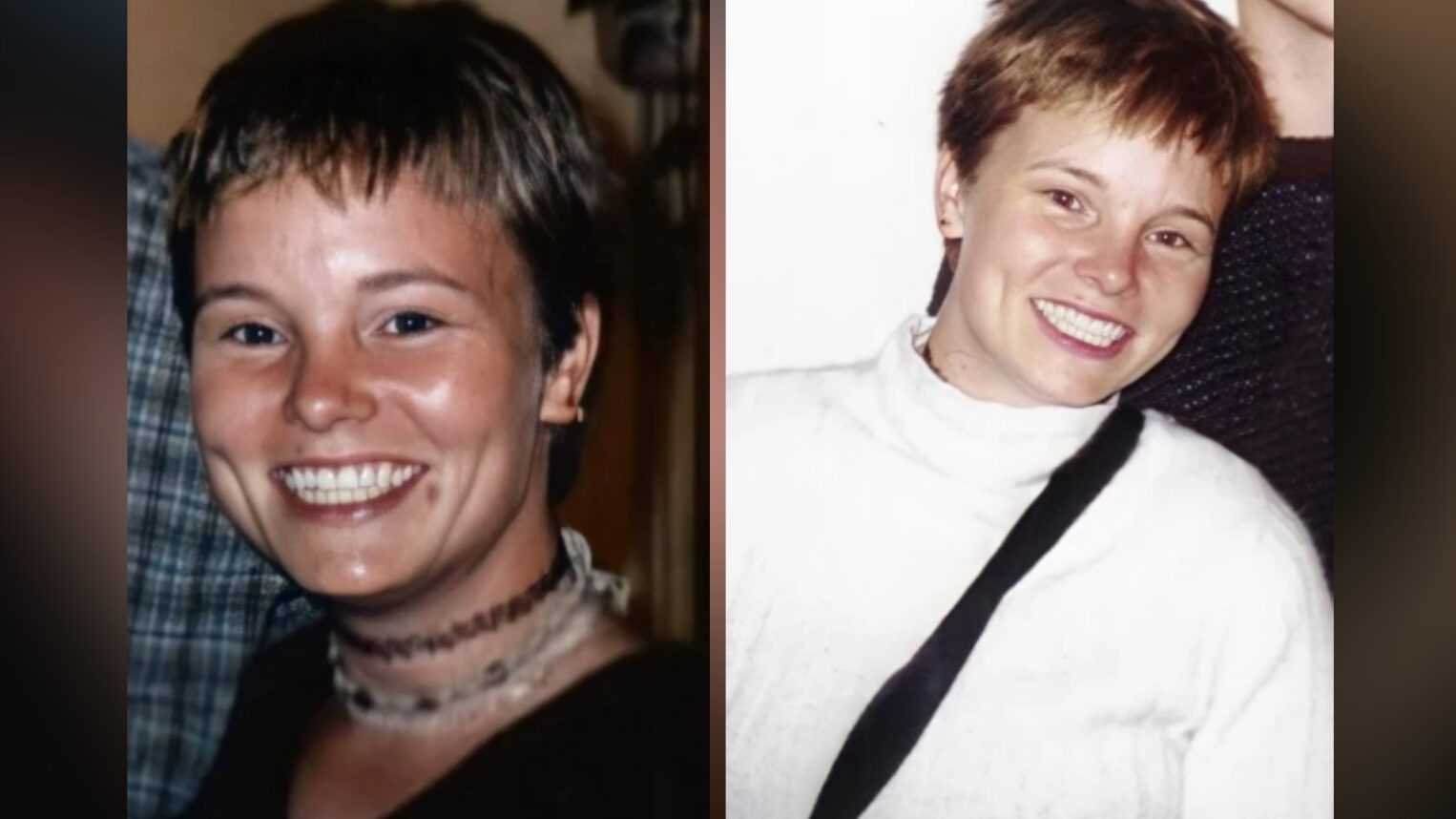
Further, she and her roommate Nicole had planned to babysit the very next day. After Nicole left for work and returned later, she noticed that Roberts and her white 1993 Jeep Cherokee were missing.
Into the West
Given Leah’s inconsistent schedule after she dropped out, Nicole wasn’t particularly concerned about her absence and attributed it to a passing fancy.
Things became worrisome, however, when Leah missed the babysitting appointment the very next day.
When two days had passed and Leah was still nowhere to be seen on 11th March, concerns heightened, and her friends tried contacting her, but to no avail.
Finally, four days later, on 13th March, Kara reported her sister missing to the Durham Police Department.
Leah’s Note is Found
It was at this point that Nicole and Kara finally decided to go through Leah’s room, where they would eventually chance upon her fateful note, mentioning Kerouac.
Further, Leah’s kitten, Bea, was nowhere to be seen, suggesting that Leah had probably taken her as well.
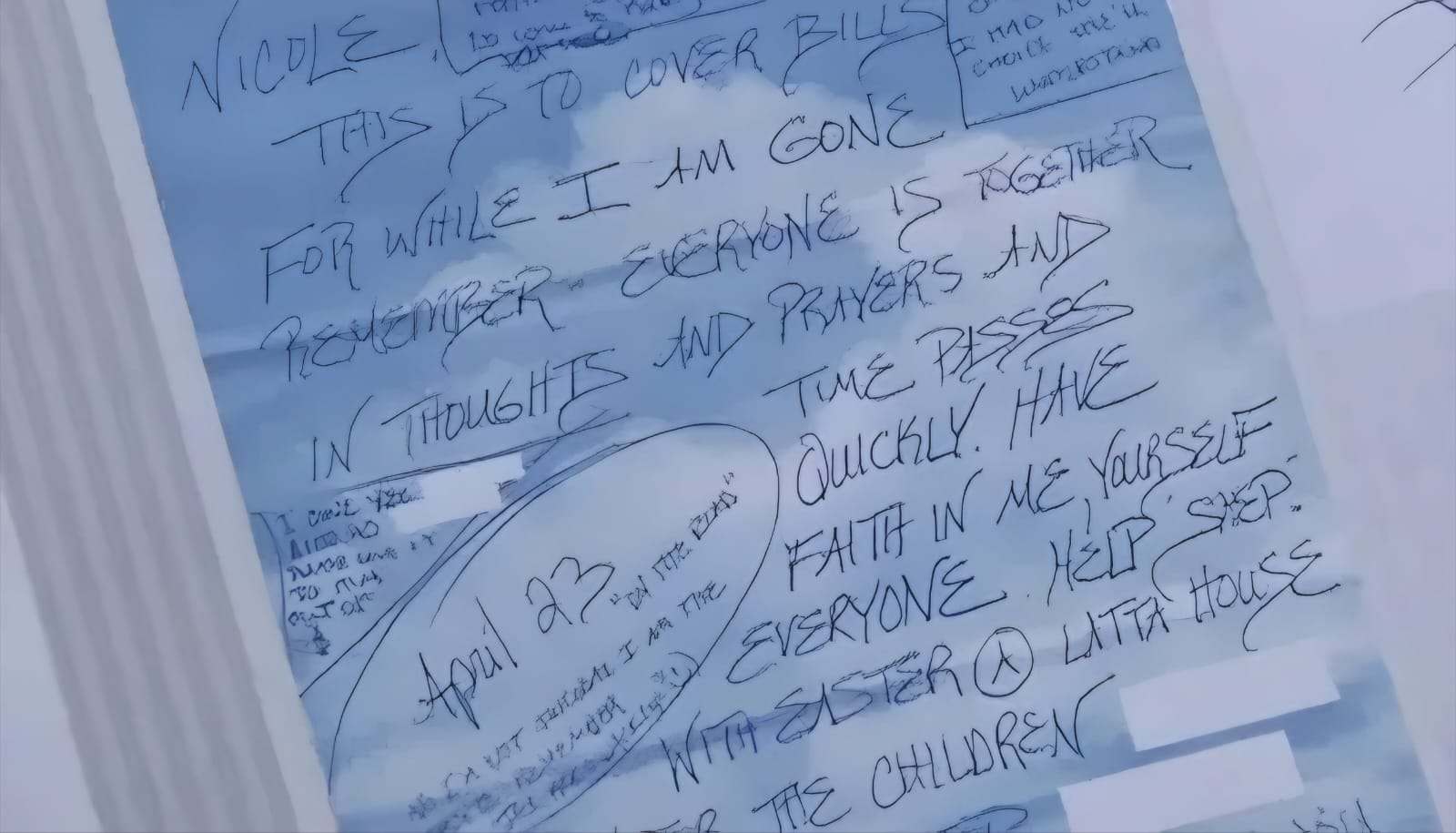
Alarmed, Kara tried to access Leah’s financial records (holding a power of attorney for her bank account), hoping against hope that she would find a money trail.
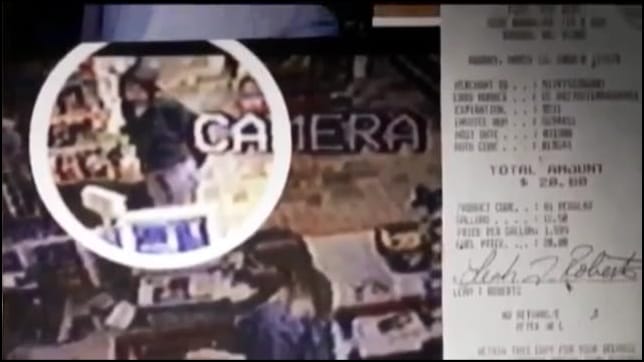
Leah had withdrawn several thousand dollars on the afternoon of March 9, and her debit card had subsequently been used to pay for a motel near Memphis, Tennessee.
The transactions that followed (mostly purchases of fuel and food) appeared to trace a journey west along Interstate 40, before turning north onto Interstate 5 in California.
Another mysterious disappearance involving a vehicle would occur in the same state, years later, when Bryce Laspipa went missing near Castaic Lake, after spending 13 hours parked on a California Highway.
Leah’s last transaction came shortly after midnight on March 13, at a gas station in Brooks, Oregon.
Security footage recovered by police showed Leah alone and apparently in good health. Yet, while waiting for her transaction to finish, she repeatedly glanced out towards the parking lot.
The Wreck on Canyon Creek
For the first couple of days, the police investigation would remain scattered, revealing little more than was already known. However, this was to change on the 18th March, 2000.
A couple (namely a young man named Lionel Paquet and his girlfriend) had been jogging near Bellingham, Washington, along Mount Baker Highway when they noticed several pieces of clothing scattered beside the road, some tied to nearby trees and branches.
Looking down the steep embankment, they spotted Leah’s severely damaged Jeep and immediately called the police. Leah was nowhere to be found on the scene.
Police investigators noted that Leah’s 1993 Jeep Cherokee was parked along the left side of Canyon Creek Road, with the exterior heavily damaged; the front of the Jeep was crumpled, and the windshield and several windows were shattered.
The immediate area was scattered with Leah’s belongings, including her guitar, passport, driver’s license, checkbook, clothes, and several CDs.
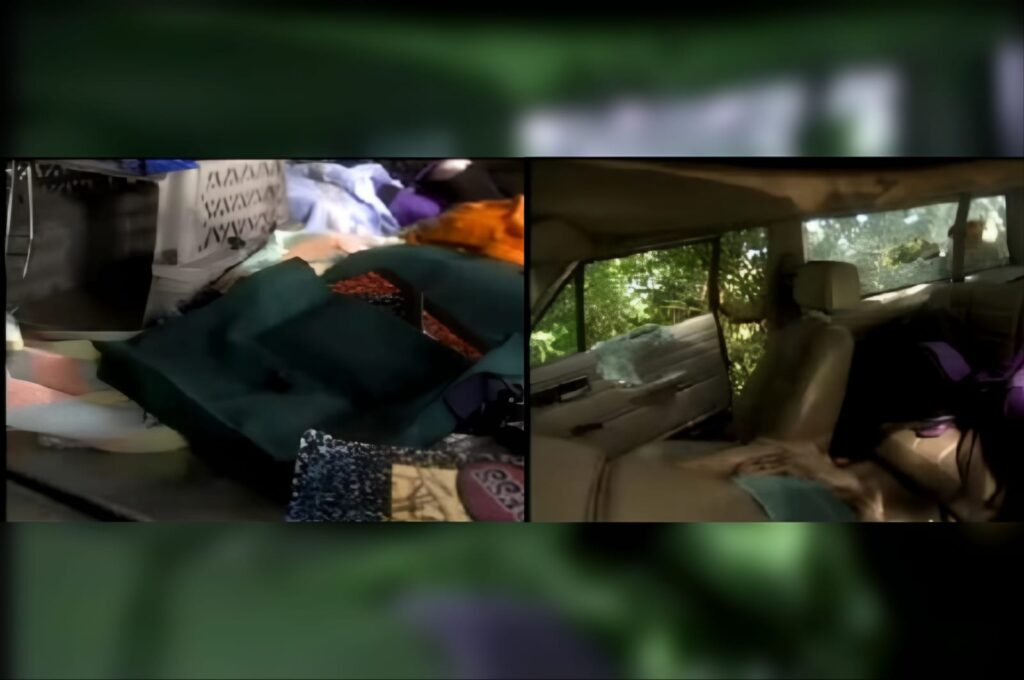
Interestingly, several blankets were draped over the windows as if someone had been camping inside the car after it had crashed.
Based on the damage, investigators estimated that the Jeep had been traveling at roughly 30 to 40 miles per hour when it left the road, tore through the embankment, and overturned several times before coming to rest among a cluster of fallen trees.
What Leah Left Behind
Eerily, investigators did not find any blood or hair, signs of impact against the steering wheel or windshield, or any unusual strain on the seatbelt of the car. In other words, there was simply no physical evidence that an actual person had been in the Jeep when it crashed.
“With the speed that the vehicle was traveling and the amount of damage to the vehicle, you would anticipate some type of injury to the person inside,” Sgt. Kevin McFadden, the then-investigating officer, would comment. “At least some type of evidence to indicate contact damage, that the person had been inside the vehicle.”
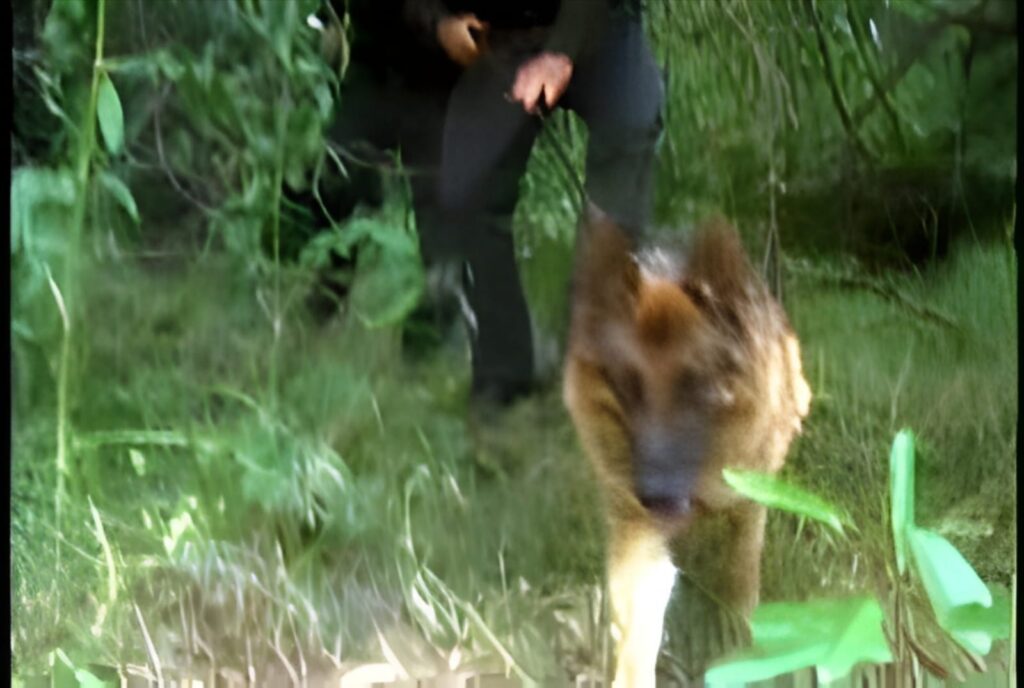
Search teams, along with dogs and a helicopter, scouted through the surrounding area but found neither Leah nor Bea. Investigators were skeptical of the theory that Leah had simply wandered into the wilderness after the crash, particularly given how close the vehicle was to the road; hence, the search continued.
Inside the Jeep, police found $2,500 hidden inside a pair of jeans, along with a wooden box containing a ticket for a 2:10 p.m. showing of American Beauty at Bellis Fair Mall on March 13.
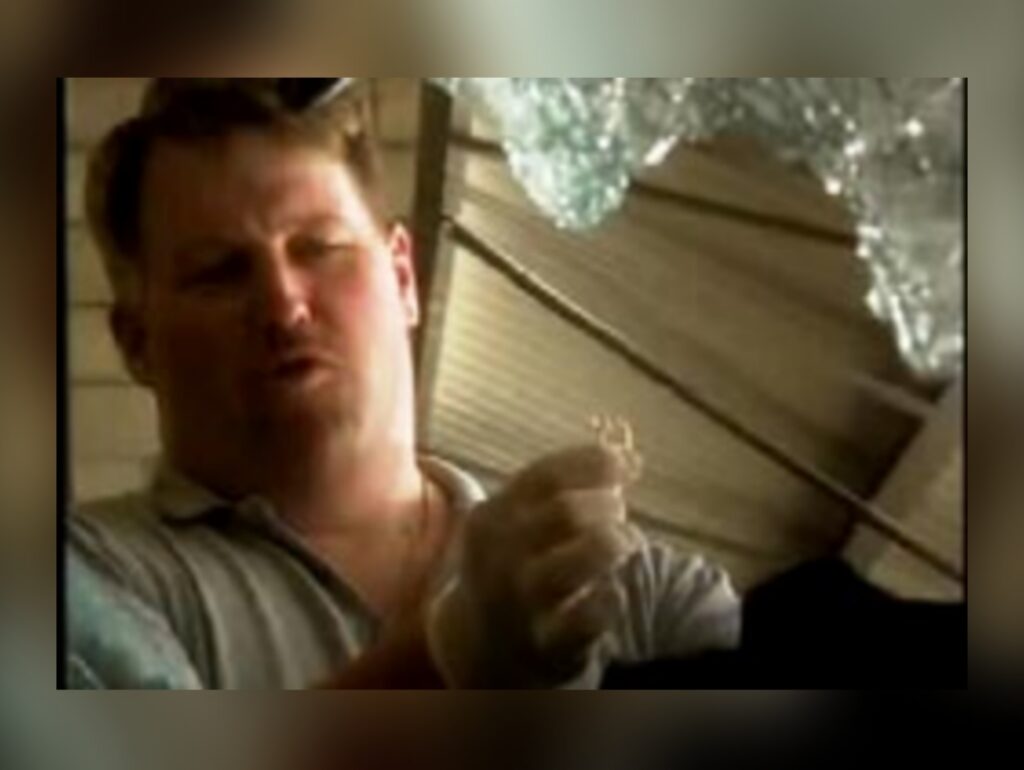
Most troubling to her family was the discovery of her mother’s engagement ring inside the car. Nicole described the ring as deeply sacred to Leah, and hence, her leaving it behind was highly implausible.
The Search Moves North
“It doesn’t surprise me that she would go off and try to find herself,” her brother Heath said in March 2000. “I was concerned about her, but I wasn’t very worried until we got the phone call that they had found her car.”
Following her disappearance, there were reports of several sightings of Leah throughout Washington, though most could easily be chalked up to sensationalism or misinformation.
But even among these, one particular tip would spark the police force’s interest.
Days after her car was found, an unidentified man called detectives and mentioned that he and his wife had met a young woman matching her description at a Texaco gas station in Everett, about 70 miles south of Bellingham.
Further, he said, the woman seemed disoriented and told the unknown caller that she didn’t know who she was or where she lived. However, he abruptly hung up before detectives could get more information. They believe that he may have panicked.
Interestingly, during their time in town, Kara chanced upon a particular restaurant, ‘Elephant and Castle’, which, to her, seemed to be exactly Leah’s type.
Knowing her well, Leah’s siblings, Heath and Kara, went to Bellingham to look for her on March 20th.
Her assumption would prove correct because the employees there recalled seeing Leah at the bar on the 13th, happily chatting with other customers.
Two Witnesses And a Stranger
Although further interactions with the patrons there at that point wouldn’t yield any results, after Heath and Kara returned to North Carolina, one of the men who had spoken with Leah at the restaurant contacted the police.
He described her as friendly and talkative and said that she had struck up a conversation with another man sitting nearby. According to him, Leah eventually left the restaurant alone.
Another patron, though, would give quite a different story. According to him, Leah had spoken about Jack Kerouac and explained why she had come to Washington. Unlike the first witness, he claimed that Leah had left with a man named Barry.
In fact, he was confident enough to describe ‘Barry’ in detail, even helping police create a composite sketch of this alleged character.
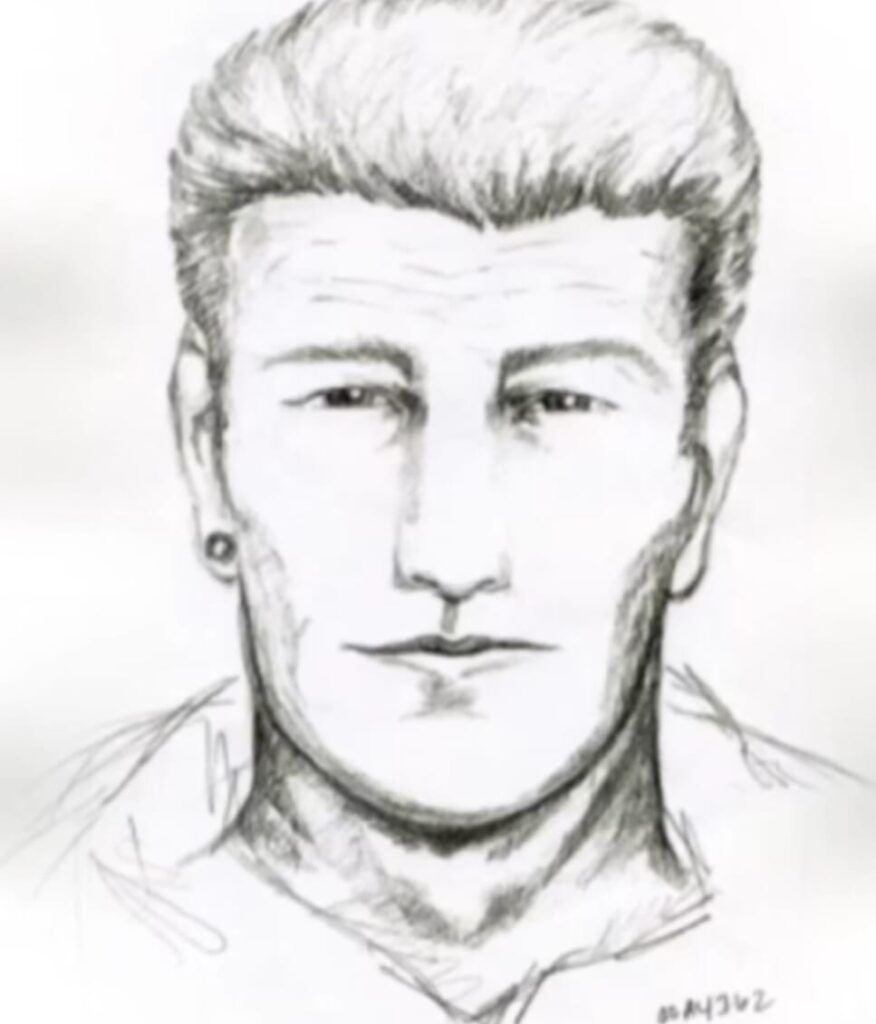
Strangely, police were never able to solidify Barry’s existence and found it suspicious that the man’s story directly contradicted that of the first patron.
When pressed further about the inconsistencies between the two stories, his behavior reportedly became so strange that it made investigators wonder if he had, in fact, made Barry up to mislead them.
As Detective Jamie Collins said in 2011, “His behavior became very odd. We tried to figure out what role he had to play. Was it just sitting down and having lunch with her? Or is there more?”
What Had Investigators Missed Inside the Car?
Kara had one decision left to make. When investigators asked what should be done with Leah’s Jeep, she asked them to keep it rather than return it to the family. She hoped that, as forensic technology improved, the vehicle might eventually reveal something investigators had missed.
Six years later, that decision would become crucial when detectives Jamie Collins and Alan Smith reviewed the case file and realized that the Jeep had not been searched as thoroughly as they had previously thought.
Although the interior was processed for blood, hair, and fibers, no one had considered examining the car’s engine for evidence.
Inside, they found perhaps the most crucial piece of evidence in this case. Apparently, the engine’s starter relay cover had been removed deliberately.
Without the cover, someone could turn the ignition on and simply press the starter relay, allowing the Jeep to accelerate into the embankment on its own without anyone inside the vehicle.
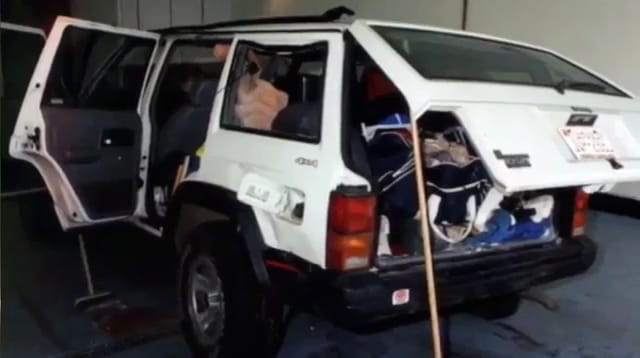
“It appeared as though the Jeep had been tampered with and that it would have taken someone with the knowledge of a mechanic in order to do that level of tampering to the vehicle,” said Detective Smith.
Unknown fingerprints were found in the engine.
Still No Answer
In a shocking revelation, it was found that the one person having the knowledge to tamper so methodically with the engine, and having every opportunity to do so, was none other than the man who said he watched Leah leave with Barry.
However, he had shifted to Canada by this point, and investigating him would be an arduous task, to say the least.
But police soon learned that he had previously served in the military and had experience as an auto mechanic. Requests to obtain his fingerprints would be made to the Canadian authorities, and they would eventually be sent two years later.
Unfortunately, they did not match the ones found inside the car’s engine.
In spring 2010, authorities obtained a male DNA sample from a clothing item in Leah’s car. They were comparing that DNA to the person of interest’s DNA in 2011, but the test results are unknown.
The Road to Remembrance
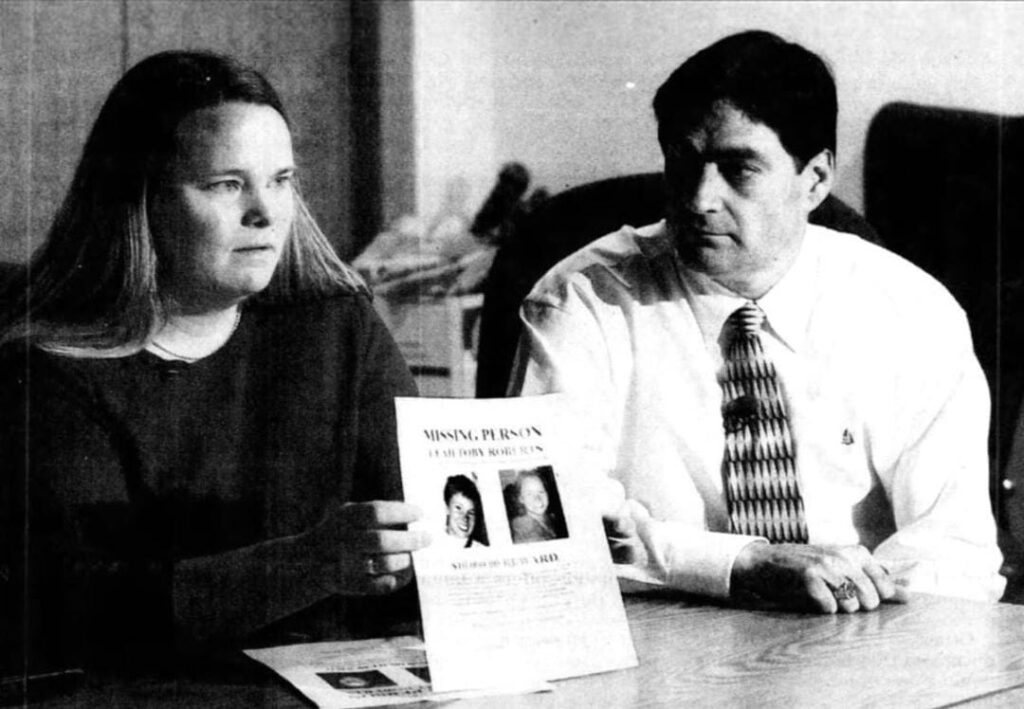
“We’re just trying to, you know, keep Leah’s face out there as much as possible.” Kara Roberts would say in a 2005 Larry King Live interview.
And, in the years since her disappearance, that is exactly what her family and friends have tried to do.
In 2005, one year after the fourth anniversary of Leah’s disappearance, missing persons advocate Monica Caison, founder of Community United Effort (CUE), organized a cross-country caravan following Leah’s route west from North Carolina to Bellingham, Washington.
This was the Leah Roberts Missing Person Run/Walk, established in her memory, bringing together people who knew Leah and those who never did, all working to keep her name from disappearing with her.
The effort went on to become an annual tradition.
More than two decades later, Leah’s face is still circulated by her family, investigators, and missing persons organizations. Her case remains open, and the Whatcom County Sheriff’s Office continues to seek information about what happened to her.
If you have any information regarding Leah’s disappearance, authorities urge you to contact the Whatcom County Sheriff’s Office at +1 (360) 778-6663.
If you like reading about mysterious disappearances, our articles on Paddy Moriarty and Ryan Shtuka will surely pique your interest.