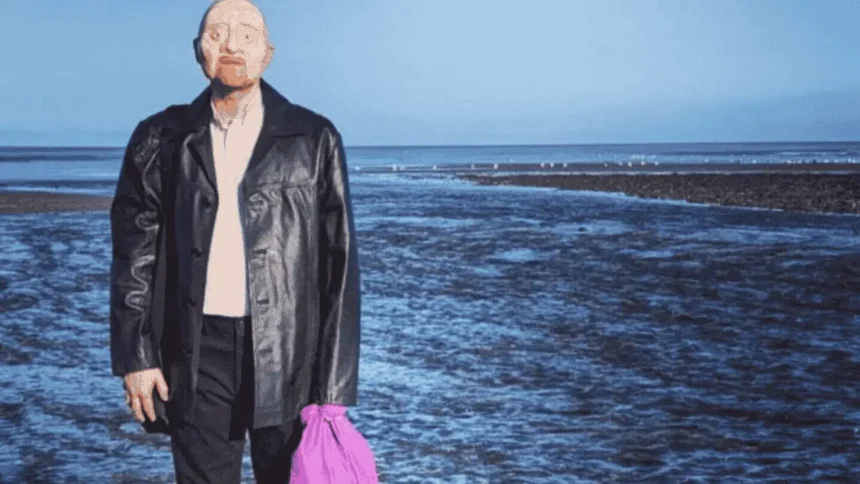

Peter Bergmann isn’t a real name. It’s the alias of a man who checked into Sligo City Hotel. 4 days later, he was found dead on a nearby beach. To this day, his identity remains a mystery.
Who Was Peter Bergmann?
This question still has no answer. CCTV footage shows that Peter Bergmann was a man in his late 50s/early 60s, with a slender build and a 5 ft 10 inch frame. He had short grey hair, blue eyes, and a tan complexion.
Locate International, a charity dedicated to ‘locating the missing and naming the unidentified’, has a dedicated page on Peter Bergmann. The page refers to him as the Sligo man, and mentions that he had a distinct gold tooth.
An article in The Irish Times says the man came from Derry on 12th June 2009. He took the Ulster Bus from the Derry Bus Station at 4 pm and reached Sligo Bus Station at 6.28 pm.
He checked into The Sligo City Hotel (now operating under the name The Address Sligo) at 6.52 pm. He checked in under the name Peter Bergmann, with the address Ainstettersn 15, 4472, Vienna, Austria.
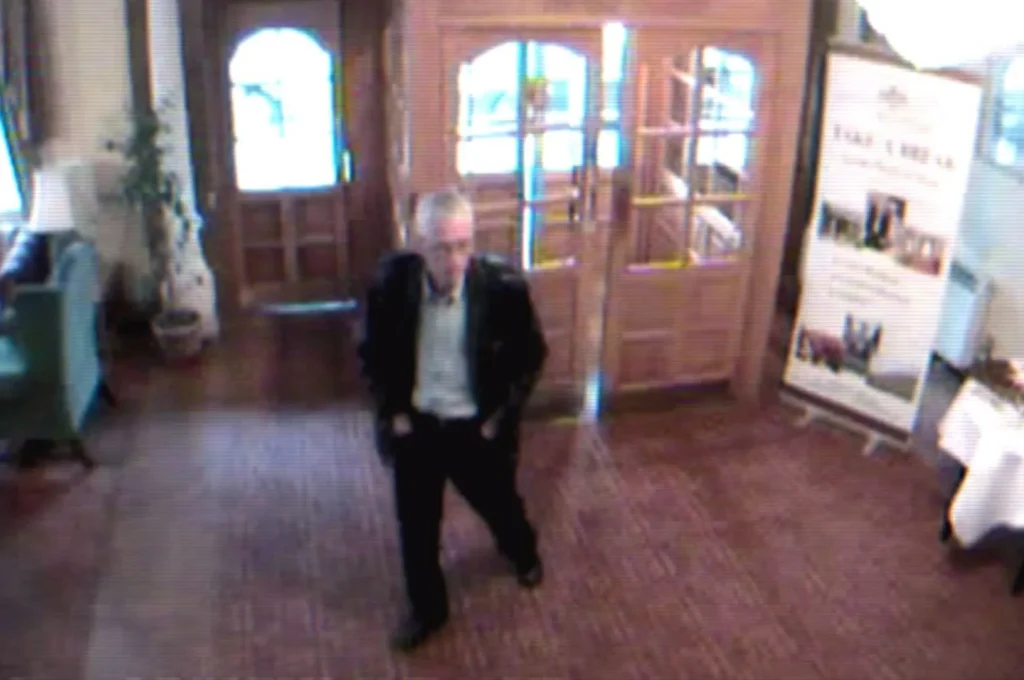
But none of it was true. The name was an alias, and the address was later found to not exist. The staff didn’t know that at check-in, since the man didn’t provide any ID.
He booked a three-night stay and paid for it upfront in cash. At check-in, he had two bags with him. The Irish Times notes that none of the bags, or their contents, were ever found.
On that day, though, from what people saw, there was nothing to suspect about him. But during his stay, he began acting very strange. This behavior began with buying stamps.
Stamps, Quiet Movement and Unexplained Behavior
13th June was the first time he left his room. Around noon, he was seen walking to the post office. The Locate International page mentions he bought 10 stamps and airmail stickers from the post office.
This is a key detail from the case. It implies he intended to send something abroad. He might have wanted to send letters or documents. This contradicts his other behavior, which aimed to stay anonymous.
His need to stay anonymous was also confirmed by the fact that he appeared to be purposely avoiding CCTV cameras while walking around town. So why would he want to send out any letters?
Investigators have never confirmed what he mailed, who he mailed it to… or if he mailed anything at all. There’s one more odd thing he did during the stay. He left the hotel 13 times with a purple plastic carrier bag.
Each time Peter left with a full bag and returned with an empty one. Sources say the bag was completely empty. The Gardaí (Ireland’s state police force) concluded he disposed of his belongings throughout Sligo.
When he returned, he would simply fold the bag and put it in his pocket. The documentary The Last Days of Peter Bergmann (see below) sheds more light on his movements and final days.
Authorities couldn’t find what he disposed of because he used public bins placed in CCTV blind spots. His methodical, meticulous movements suggest he took every precaution to hide his identity.
On the 13th, a cleaning girl tried entering his room but found it locked. So the receptionist knocked on it. When she got no reply, she unlocked it, possibly using a master key. Peter was still inside, and he froze.
“It was nearly like as if I caught him doing something that he shouldn’t have been.” The receptionist said in the 19-minute documentary, “I caught him off guard. But he was relieved, I think, that it was me.”
No one saw him again until the next day. On 14th June, at 11 am, he hailed a taxi to Strandhill. It’s a small seaside village in Sligo, known for being a surfing town. Visitors go there for sandy beaches.
This is where the case gets interesting.
Recon at Rosses Point
Peter asked the taxi driver where he could find a quiet beach for a swim. The taxi driver pointed out that, in his view, the Rosses Point beach was quieter than the rest. So that’s where they went.
Rosses Point beach is a 2-km stretch of fine sandy beach with a scenic view. It was very open, not hidden in the wilderness. It’s frequented by walkers, swimmers and people just taking in the natural beauty.
Peter, too, got out of the cab and looked around. After a bit of pondering, he seemed content. The man then returned back to Sligo. He didn’t mix or interact with anyone after that.
Over the course of that day, he continued leaving the hotel with the purple plastic bag and coming back empty-handed. The next day would be the last time he was seen alive.
The Last Days of Peter Bergmann
15th June 2009. It had been three days since the unidentified man checked in as Peter Bergmann. He was first seen that morning, requesting a late checkout from the receptionist.
He asked if he could stay an hour or two in the room as he had a few errands to run. It wasn’t an unusual request. Customers would usually extend checkout times when waiting for a late train or bus.
At 1 pm, Peter checked out of the hotel. He left with three bags. One was a laptop bag which he’d been carrying on his shoulder, and the other was a black hold-all (similar to a duffel bag).
He was next seen at the Sligo City Bus Station at 1:32 pm, according to an Irish Times article. CCTV footage shows he only had two bags. The purple plastic bag may have contained personal belongings that he disposed of.
The documentary then shows him sitting in the coffee shop. He ordered a cappuccino and a sandwich – probably his last meal. The footage also shows him tearing up a note.
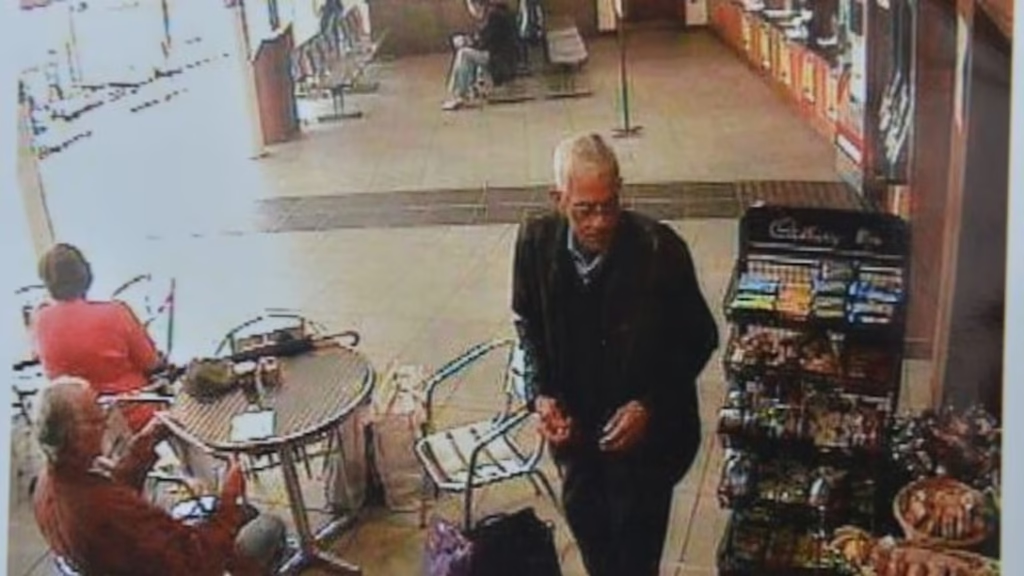
Because the Gardaí were looking at this footage 3-4 days later, they couldn’t find the pieces of the note or determine what was in it. An hour later, at 2:40 pm, Peter got into a bus headed for Rosses Point.
The bus driver said he asked for a one-way ticket to Rosses Point, not a return. This is a telltale sign that the man known as Peter Bergmann didn’t plan on returning. He got off at Rosses Point as planned.
Multiple witnesses saw him walking along the beach. “This guy stood out because he was so professionally dressed.” A witness testified in ‘The Last Days of Peter Bergmann‘. “He was very tall, and he had a newspaper under his arm.”
An elderly couple walking near the beach also noticed him. “He was fully clothed, and he had trousers rolled up to his knees. He was walking parallel to the water with his bare feet. He was ankle-deep in the water”
The first confirmed sighting is mentioned as 4 pm. And he was last seen at the beach at 11:50 pm. Peter was at the beach for a long time. No evidence shows what happened after that.
The next day brought with it bad tidings.
A Washed-Up Mannequin
Arthur Kinsella and his son, Brian, used to spend early mornings at Rosses Point beach training for a triathlon. Kinsella also walked the beach every day.
That day, he noticed something like a mannequin in a shop window. It was washed up on the sand. “As I got closer, I realized it was a person and that he had drowned,” he said in the documentary.
It was Peter Bergmann. Kinsella immediately called the Sligo Garda Station, informing the cops about the body. The Irish Times places the call at 6:45 am. At 8 am, Dr Valerie McGowan pronounced him dead on scene.
A few minutes later, the body was moved to the Sligo University Hospital Morgue by undertakers, which is where a comprehensive autopsy was done.

It turns out Peter Bergmann hadn’t drowned. Pathologist Clive Kilgallen didn’t find any evidence of “classical saltwater drowning,” or any kind of foul play. The immediate cause of death was ruled as a heart attack.
Surprisingly, despite his groomed and well-dressed appearance, the man’s health was failing. The post-mortem showed he had advanced prostate cancer and signs of heart disease. The autopsy team also found bone tumors.
Kilgallen noted that a man in this condition should have taken prescription pain medications or over-the-counter pain relievers, but none of any such medications were found in his system.
For five months, the Gardaí searched everywhere. No fingerprint or DNA matches were found in any database. The authorities also circulated his image all across Europe, since his accent suggested a possible Austrian/German origin.
The man posing as Peter Bergmann wasn’t reported missing or wanted anywhere in the world. Even the address he gave turned out to be either a vacant lot or nonexistent, according to some theories.
After the investigation was concluded as inconclusive, Peter Bergmann was buried. He was laid to rest in an unmarked grave on 18th September 2009. Only four Gardaí attended the funeral. The man’s identity hasn’t been found yet.
Over the years, Gardaí have kept appealing to anyone with information to come forward. The case stayed alive through posts by internet sleuths. Many wild theories about Peter Bergmann have come up.
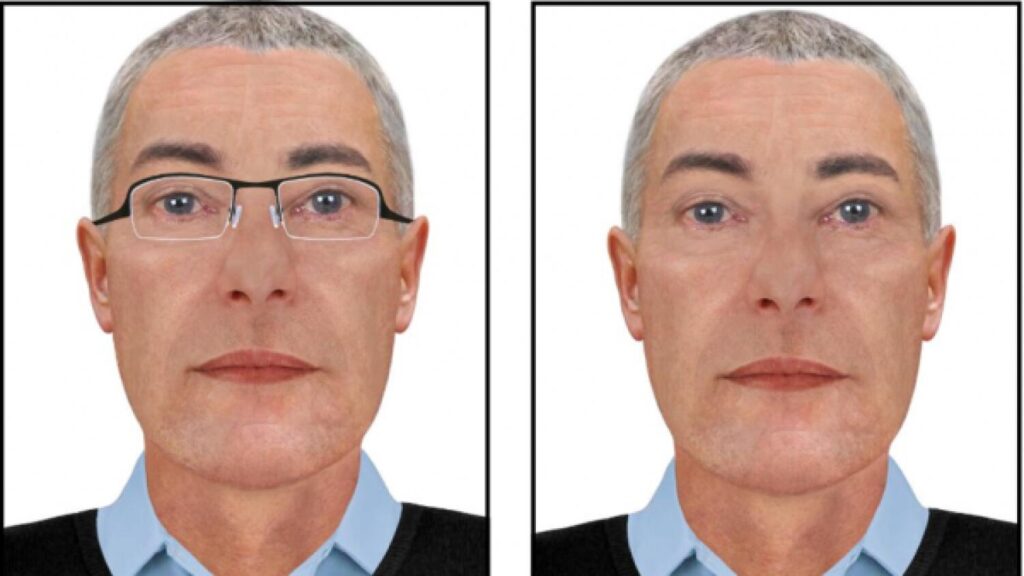
Theories About the Peter Bergmann Case
The cleanest theory is the ‘terminally-ill man’ theory. He was probably a sick man who wanted to face death on his own terms. That’s why he traveled to Ireland… to not burden his family.
Another theory is that he was a criminal/fugitive hiding from his past. Though there isn’t any evidence for this theory, it does explain using an alias and disposing of any traces of identity.
The most outlandish theory is that he was a spy/intelligence operative. People often point to this because the man was methodical, unusually disciplined in hiding traces of his identity. Though there’s no evidence of any espionage.
While Peter Bergmann’s identity is still unknown, the Location International page still has a form for anyone with details on the case. Many such disappearances are happening worldwide.
The Disappearance of Lauren Spierer and the Vanishing of Leonard Dirickson are two interesting cases for those with an appetite for the unsolved.