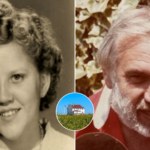

A week after Kris Kremers and Lisanne Froon disappeared during a hike in Panama, their camera recorded 90 photographs in the middle of the night. Police, volunteers and the women’s relatives were looking for the two Dutch friends. The camera they carried was still being used.
The pictures never reached the searchers. They remained on a memory card until June 2014, when a backpack containing the camera and both women’s phones turned up beside a river. The families would have photographs, emergency-call records and, eventually, fragments of their daughters’ bodies. They still had to work out how those things belonged together.
Kris, 21, and Lisanne, 22, knew each other through work at an Amersfoort restaurant. Their six-week trip began with Spanish lessons and a holiday in Bocas del Toro, followed by volunteer work in Boquete. After completing their studies, they left the Netherlands in March.
Kris completed a degree in Cultural and Social Education at Hogeschool Utrecht the previous year and volunteered at Festival a/d Werf. Lisanne studied applied psychology at Saxion in Deventer and played volleyball, spending seven years with Sovoco in Soest after growing up in the Keistad club. Kris also played youth volleyball at Keistad.
Lisanne’s brother, Martijn, was reluctant to call his sister a homebody. She was attached to home, he explained, but she had carefully prepared for the journey. “She had worked everything out in detail because she wanted to be sure nothing would go wrong,” he told Dutch broadcaster RTL.
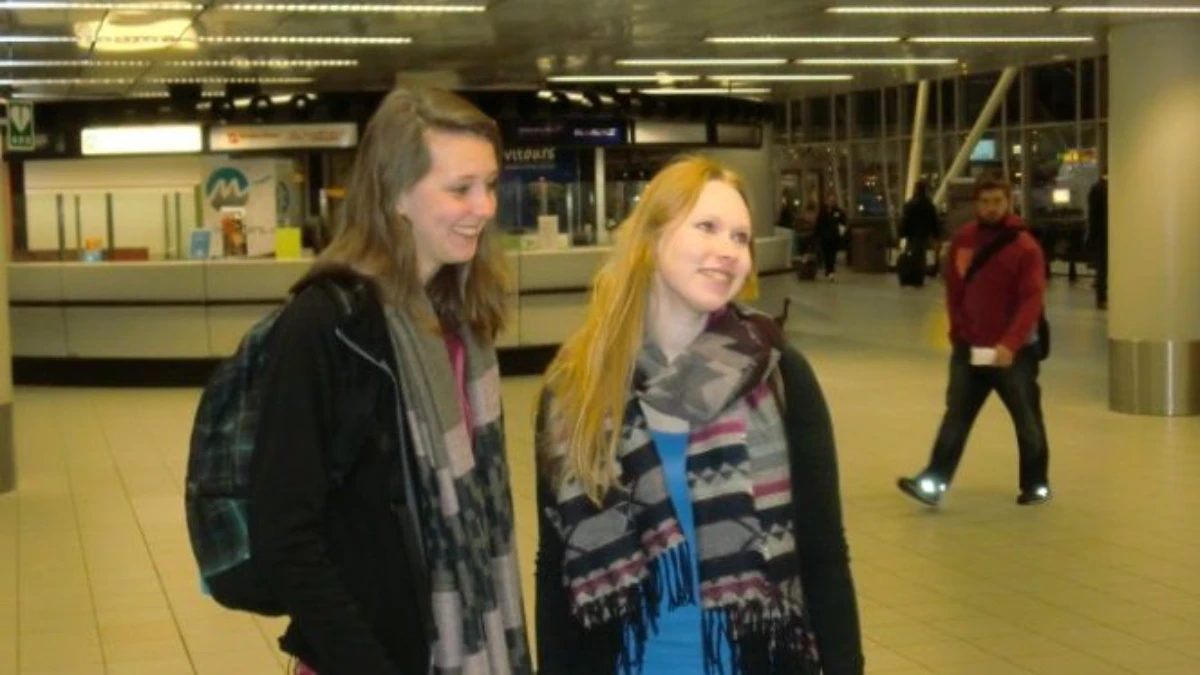
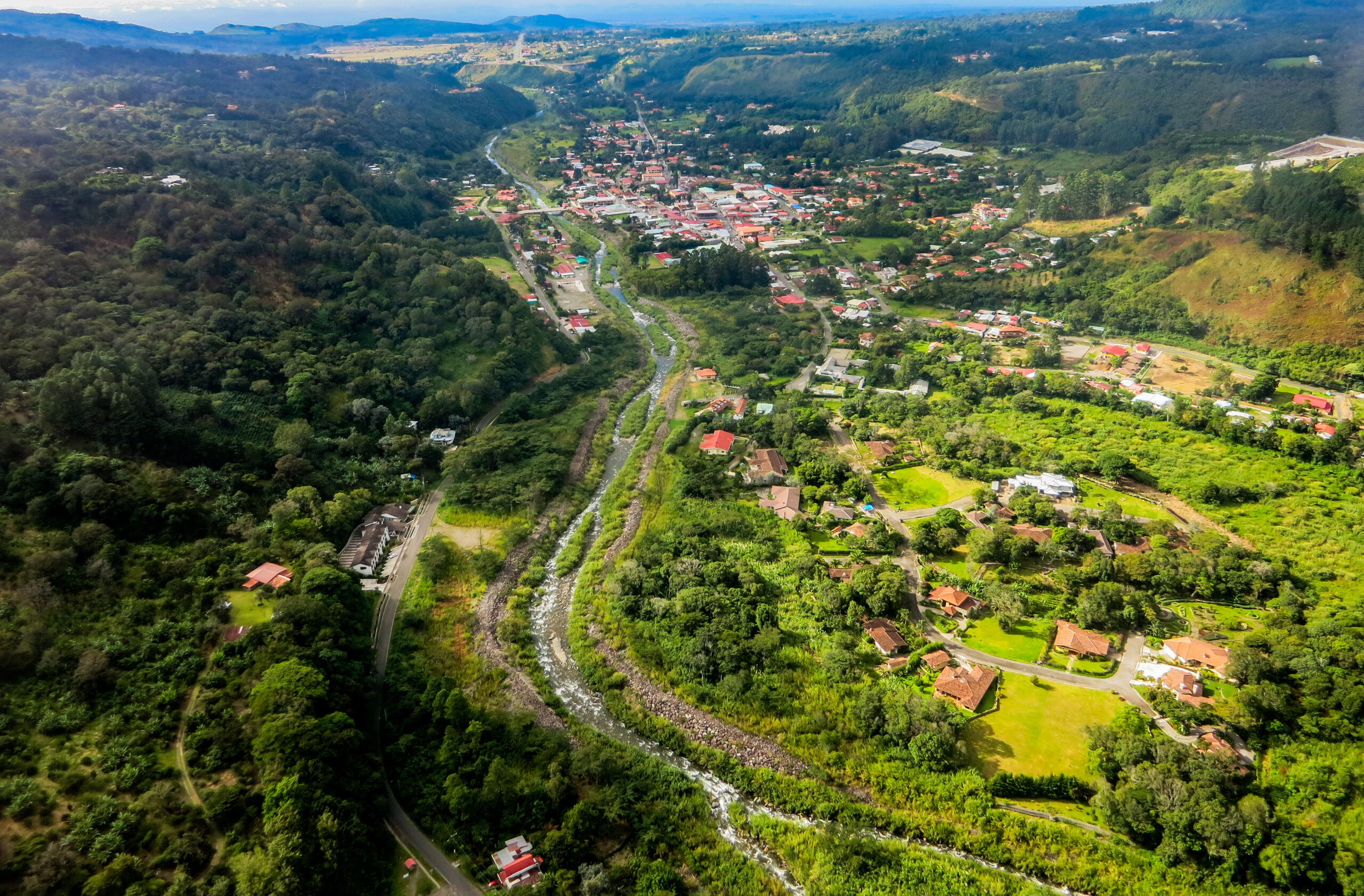
The friends reached Boquete on March 29. After the Caribbean coast, they were staying in a highland town with walking routes into the surrounding mountains. A problem with the volunteering arrangements unexpectedly left them with a free week. On April 1, they set off along El Pianista with a camera, their phones, and a small backpack.
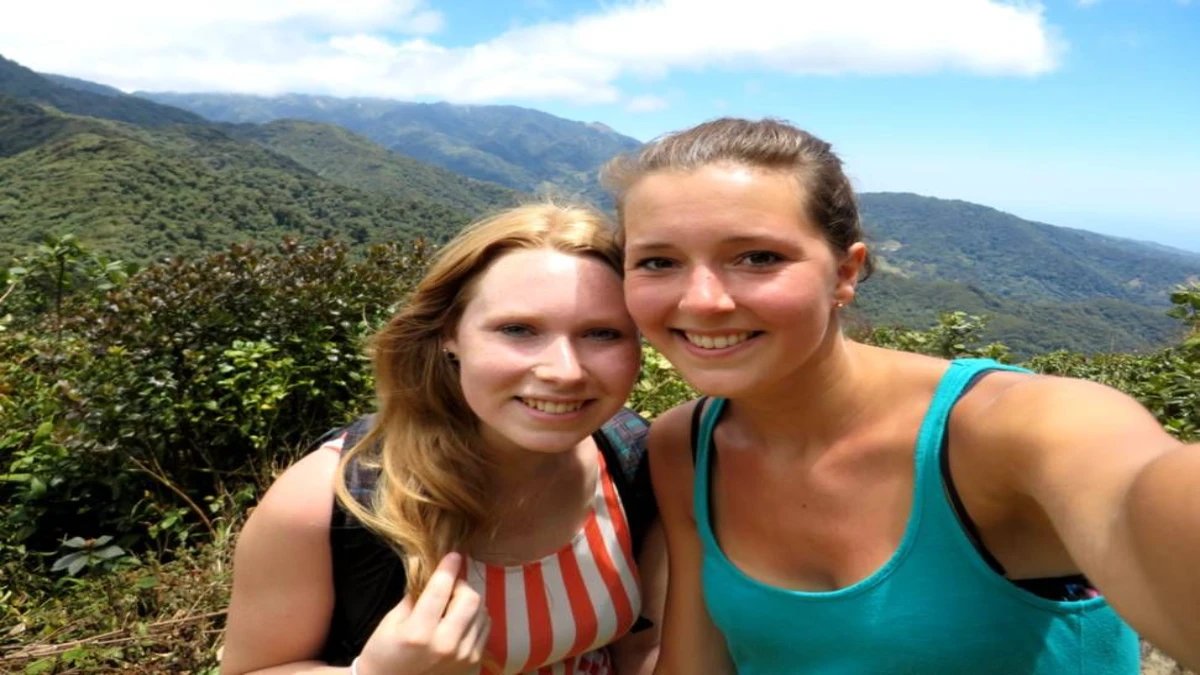
The recovered daylight photographs showed them making their way uphill. Kris wore shorts and a striped sleeveless top, and Lisanne wore a turquoise top. At the viewpoint, they smiled for pictures, with clouds and distant slopes behind them. The camera placed them there around 1 p.m. They continued beyond the viewpoint, and one of the last daylight images showed Kris beside a small stream.
At 4:39 p.m., Kris’s iPhone recorded an attempt to call 112, the European emergency number. Twelve minutes later, Lisanne’s Samsung tried the same number. Neither call connected. Between the photographs and those calls, something had gone wrong. Publicly reported records did not explain what had happened.
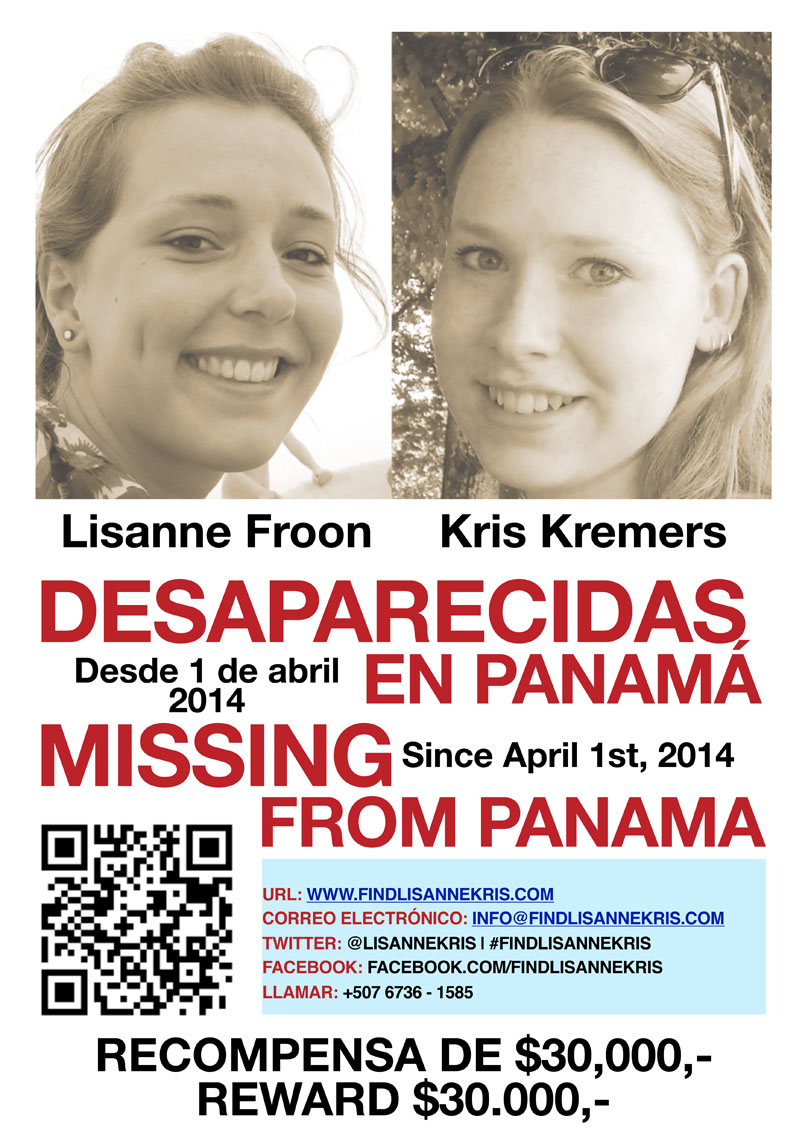
The next day, a tourist guide went to their accommodation looking for the women and reported them missing. Searchers checked paths and hills, and helicopters joined the effort. Relatives traveled to Panama. Martijn went with a specific purpose: if they found the women, he wanted a familiar face there for them.
Weeks passed without that meeting. Once investigators finished examining the women’s room, they had to pack their belongings. Kris’s parents and Lisanne’s brother did it. “The breaking point was when Lisanne’s brother had to pack her things into bags,” Lisanne’s mother, Diny, said in an interview reported in May. The families were still searching, but the women’s belongings were being gathered up.
At home, former teammates arranged a benefit match between Sovoco and Keistad. Their announcement explained the choice. “Volleyball, that’s what we can do and what we enjoyed doing with Lisanne for years.” The clubs planned to contribute admission fees and bar takings, and hold a raffle. The match would give people who knew the women a way to help from the Netherlands.
A Dutch rescue-dog team reached Panama in late May. Its expedition diary recorded work in steep ravines and along slippery paths, with local guides sometimes cutting branches to get the searchers through. On May 28, after another day in the mountains, handlers and some of their dogs joined relatives and local residents in a silent march through Boquete. It rained heavily. People carried candles and posters.
After returning from three weeks in Panama, Kris’s father, Hans, told the Dutch newspaper Trouw, “As long as you search, you have hope. As long as you have hope, you have strength.” His words appeared in a June 10 report. He and Kris’s mother, Roelie, feared that their daughter had been abducted. Within days, people living near the river found the backpack.
It contained the camera and phones, along with sunglasses, bras, and cash. The discovery gave investigators a place to concentrate their work, along rivers beyond the mountains where the friends began their walk. Until then, the search had produced no confirmed trace of either woman.
Among the discoveries that followed was a shoe containing a badly decomposed left foot. Forensic researcher Diomedes Trejos told RTL that his laboratory took tissue samples and compared the resulting DNA profile with samples from Lisanne’s parents. The comparison identified the foot as Lisanne’s, although most of her body was still missing.
Investigators also recovered part of the left side of a pelvis, with no soft tissue remaining. By comparing DNA extracted from the bone marrow with her father’s, investigators identified the remains as Kris’s. A rib was also identified as hers, while Lisanne’s recovered remains eventually included a femur and a tibia. The families now knew that the women were dead. They had very little of either body to bring home.
The phones and camera offered another way to search for what happened. According to contemporary Dutch reporting, the backpack spent a long time in water, but specialists at the Netherlands Forensic Institute recovered data. After months in which other people’s recollections guided the search, investigators could examine records made by equipment the women carried themselves.
The daylight pictures gave way to the strange sequence from the early hours of April 8. Reporting based on the forensic material described rocks and vegetation, a branch with red plastic bags attached and bits of paper nearby. Many exposures revealed little that could be identified. The camera had been used repeatedly in darkness, a full week after the first unsuccessful calls for help.
Its purpose was uncertain. When Kris’s parents discussed the pictures publicly in August, they considered whether the flash had been used to illuminate the surroundings. The images did not establish who pressed the shutter. They also left investigators with a practical problem: recognizing a rock or a tangle of branches in a photograph did not tell them where in the mountains to look.
The phone records extended the known activity still further. Kris’s iPhone was switched on again on April 11, ten days after the disappearance. EenVandaag, which obtained the NFI and police files, reported the activation in December. It showed that the phone was still being operated. It could not establish who used it, or whether both women remained alive.
Even the ordinary holiday pictures changed the investigation. Early witness accounts placed the women’s departure much later in the day and described clothing that didn’t match the photographs. The camera put them at the viewpoint when some witnesses believed they were only setting out. Kris’s parents walked the route themselves, trying to understand how a walk that produced those smiling pictures became an emergency.
“We wanted to see with our own eyes which way our daughter and her friend went,” Roelie explained at the August press conference. She and Hans wanted to understand the decisions the women would have faced along the way. The photographs could show that their daughter reached a stream. Walking there could at least show them the surrounding country.
The condition of the remains raised a different set of questions. In September, Panamanian prosecutor Betzaida Pittí reported that forensic examiners found no human-inflicted cutting or deliberate dismemberment. Lisanne’s foot, femur and tibia were released through a funeral agency at her parents’ request. The findings did not support the idea that someone had cut up the bodies, although they concerned only the parts recovered.
For Kris’s parents, a piece of pelvis and a rib were too little to feel ready to say goodbye. By December, they were organizing another search, with support from Dutch authorities. This expedition had a different purpose from the one that took Martijn to Panama, hoping to greet his sister. They wanted to recover more of their daughter, and perhaps enough evidence to explain her death.
Forensic specialists and rescue-dog handlers returned in January 2015. They found no additional remains. Their assessment of the terrain, however, offered an explanation that the Kremers family would come to accept. Along the route were steep slopes from which someone could fall into a riverbed and be unable to get out. The team considered a fall the most likely explanation for the women’s deaths.
In their proposed scenario, a 30- to 40-meter drop could cause serious injury. Waterfalls and steep rock walls would obstruct escape, while climbing back up would require equipment. The assessment identified a way the landscape could trap them. It did not establish that either woman fell there, or what happened afterward.
Frank van de Goot, one of the forensic specialists, also questioned the familiar image of two tourists wandering through an enormous, empty wilderness. The area had paths and small settlements. He thought a fall fit the circumstances better than simple disorientation or kidnapping, and pointed out that the phones remained available after the disappearance. He reached that conclusion by weighing the possibilities against the terrain and the surviving evidence.
In March, the Kremers family accepted an accident as a possible and plausible explanation. Its spokesperson, Nikki van Passel, retained a qualification: “But we still have very few facts to work with.” The NFI’s confirmation of the identity of Kris’s remains also allowed the family to arrange her funeral. Hans and Roelie could make that decision without possessing an account of every hour after their daughter left Boquete.
Further physical evidence became public in 2016. The NFI confirmed multiple fractures in Lisanne’s left foot, sustained while she was alive through blunt mechanical force. The injuries supported a fall, although they did not establish what happened to Kris.
Lisanne’s parents discussed the findings in the documentary Break Free. They accepted that the women died in an accident and wanted an end to speculation about their fate. They hoped people would remember their daughter as a young woman with dreams.
The specialist who helped develop the accident explanation left room for what could not be recovered. Discussing the findings of the January expedition with NOS in March 2015, van de Goot said, “Did it happen that way? I don’t know. Is it a possibility? Absolutely.”
For more stories of journeys that ended in unanswered questions, read about the divers left behind on the Great Barrier Reef, or the runner who vanished in Wyoming’s mountains.
Image rights notice: If you are a copyright holder and have concerns about an image used in this article, please contact us. We will review your request and remove the image where appropriate.