
The dead woman’s head rested on folded jeans. She lay naked on a beach blanket in the Provincetown dunes, with both hands missing and a wound that nearly severed her head. A girl found her on July 26, 1974, about a mile east of the Race Point Ranger Station on Cape Cod. Nobody could tell police her name.
The left side of her skull was crushed. Authorities determined that a blow to the head killed her and estimated that she had been dead for weeks. The town’s official case history described the instrument used to nearly sever her head as resembling a military entrenching tool, though no weapon was recovered. A 1987 Boston Globe report also recorded sexual assault with a wooden object, apparently after death. Investigators found no sign of a struggle, and she lay on only half the towel, as though someone had shared it.
Investigators presumed that the killer removed her hands to prevent identification through fingerprints. Whatever his intention, the absence of those prints left them with fewer ways to find out who she was. Her remains were buried in Provincetown’s St. Peter’s Cemetery, but police kept her skull. Keeping it meant that later investigators still had bone to examine when identification techniques improved.

Her name was Ruth Marie Terry. She was 37, and months before her death, she visited relatives in Tennessee with a new husband. Her family knew her as a woman who liked to travel. They did not know that the unidentified woman in Massachusetts was Ruth. For 48 years, her family’s search and the Provincetown investigation remained unconnected.
Terry grew up around Whitwell, a coal-mining town near Chattanooga. Her father worked in the mines. Her mother died in 1937, the year after Ruth’s birth, according to records examined by SFGate. She spent much of her childhood with her grandparents. In 1957, she moved to Michigan and found work at the Fisher Body plant in Livonia.
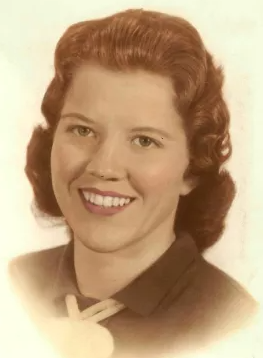
At the plant, she became friends with Dick and Thelma Hanchett. When her son was born in 1958, she arranged for them to adopt him, then moved to California. Richard grew up knowing little about her. He told the Provincetown Independent he eventually understood she couldn’t afford to raise him.
Her relatives remembered a life that extended beyond those separations. “She wanted to explore. She wanted more than what she thought her life was in Tennessee,” her great-niece Brittanie Novonglosky told NBC10 Boston, drawing on the family’s memories. California put her far from Whitwell, but she still returned to see the people there.
On February 16, 1974, Terry married Guy Rockwell Muldavin in Nevada. He was an antiques dealer, 13 years older than she was. They visited her Tennessee relatives during their travels. Her half-brother Ken remembered her anticipation of the journey. “She was just newly married, and she was happy to be going across the country,” he told the Independent. It was the last time he saw her.
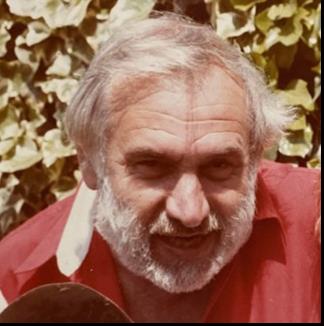
When Muldavin returned without Terry, he told her family she was missing. Her brother Jim went looking for her in California and hired a private investigator. The family received a story about sold belongings and a voluntary departure, with a religious cult offered as an explanation. Her relatives suspected foul play, but the search did not find her. Her sister-in-law Carole hoped Ruth was in witness protection, unable to contact them, even as family obituaries began listing her among the dead.
In Provincetown, Police Chief James Meads tried to give the dead woman a face someone would recognize. His son Mike remembered visiting the police station in the basement of town hall and finding his father studying the crime-scene photographs. Mike was nine when the body was discovered. As he grew up, the investigation continued. His father appeared on television with a clay reconstruction of the woman’s head and even consulted psychics.
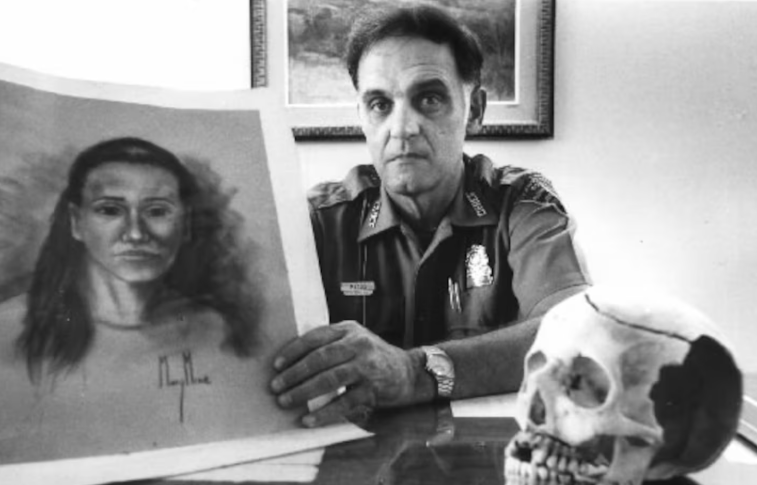
The case was hard to reconcile with the place Mike knew. Provincetown was small enough that “you know when someone gets a flat tire,” he told the Independent. Yet a woman could be found murdered nearby and remain a stranger through his father’s retirement in 1992. Meads died in 2011 without learning her name.
Each new attempt at identification depended on somebody making a connection. Investigators reviewed thousands of missing-person cases. Her remains were exhumed, and her face was reconstructed again as techniques improved. In May 2010, specialists from the National Center for Missing and Exploited Children and the Smithsonian Institution helped produce new images. The surviving bone could suggest the shape of a face, but it could not tell them where that woman worked, whom she married, or who missed her.
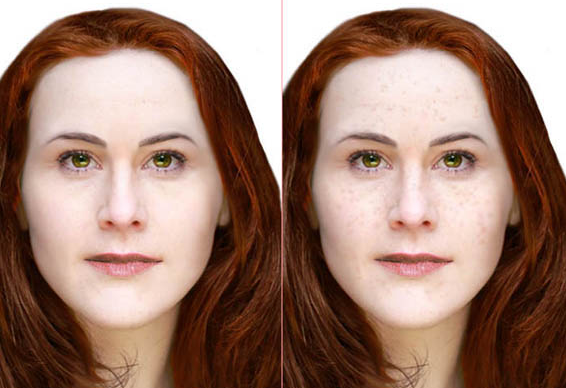
The search eventually extended into a Hollywood film. In 2015, the novelist Joe Hill noticed an extra in Jaws who resembled a reconstruction of the victim. The woman wore jeans and a blue bandanna, items associated with the discovery, and the movie was filmed on Martha’s Vineyard in 1974. Hill posted his theory online, generating another round of attention. He acknowledged that it might amount to nothing. No confirmed identification came from the resemblance, and no established evidence shows that Terry appeared in the film.
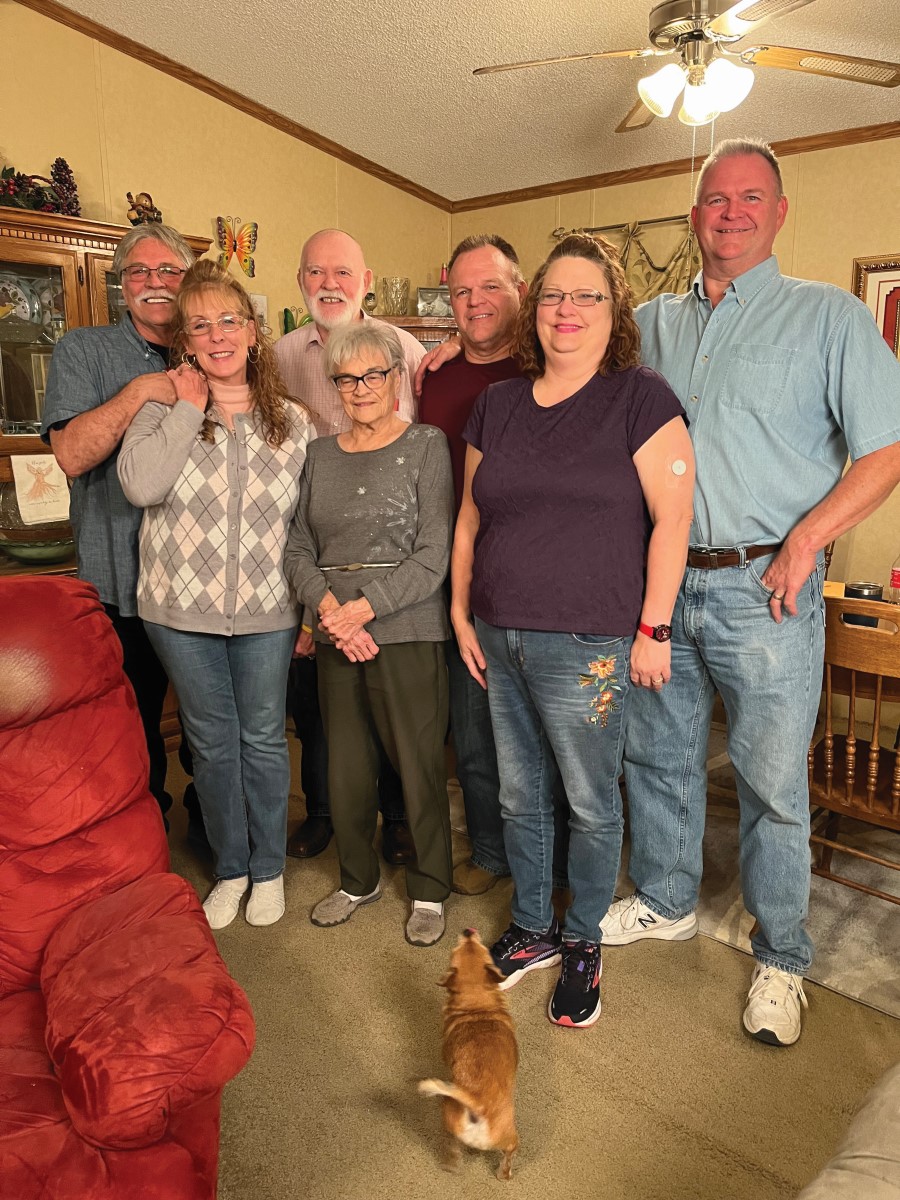
Hanchett approached DNA with a different question. His fiancée gave him an Ancestry test kit for Christmas in 2017. The test connected him with Terry’s relatives in 2018. The relative who helped make that connection was looking for him, too. Terry’s niece, Marilyn Renee Hill, visited Ruth in California and later submitted her own DNA to Ancestry in hopes of finding Ruth’s son. At a family reunion in Tennessee, Hanchett met people who could tell him about Ruth, but nobody could tell him where she was. They last saw her in 1974. Hill died in 2021, before investigators established what happened to her aunt.
The preserved evidence in Massachusetts was difficult to test. At Othram’s laboratory in Texas, scientists faced skeletal material that earlier laboratories could not turn into a useful DNA profile. Chemical preservatives, including formaldehyde, damaged the DNA. Microbial contamination complicated the task further.
Othram eventually recovered enough human DNA to build a profile for the FBI. Investigators combined it with genealogical research and historical records. A genetic link did not have to point directly to the dead woman. It could lead to a relative, whose family history offered a way to work back toward her. Further DNA testing confirmed the identification. Hanchett’s consumer test helped him find living relatives, and the forensic investigation connected those relatives to the woman buried in Provincetown.
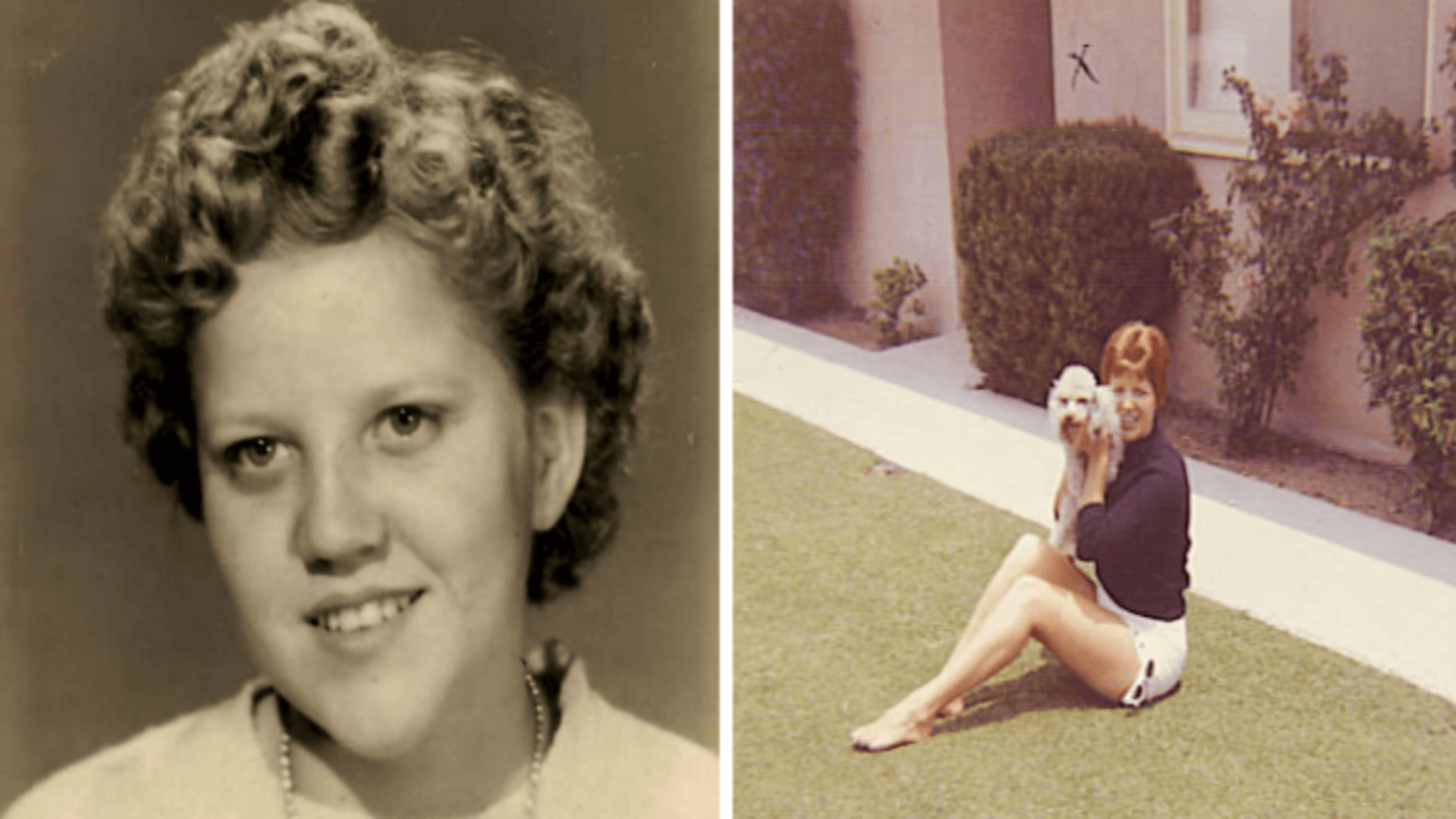
On October 31, 2022, the FBI announced her name. Agents and victim specialists informed the family before the press conference. The woman long treated as a regional mystery was Ruth Marie Terry of Tennessee, and she left a son who never got to know her. Photographs of her alive could finally accompany the reconstructions that had circulated for years.
Mike Meads watched the announcement after his daughter called him at work and told him to turn on the television. He thought of the police chief who spent so much of his career trying to reach that moment. “I didn’t see any of the other investigators’ faces,” he said. “I just saw my dad.”
The identification quickly gave police a person to investigate. Within days, Massachusetts authorities asked the public about Muldavin, the man Terry married shortly before she disappeared. They wanted information about the couple’s travels, particularly in Massachusetts and on Cape Cod. They also released the other names each used, hoping that someone who never knew a Ruth Marie Terry might remember Teri Vizina or Teri Shannon.
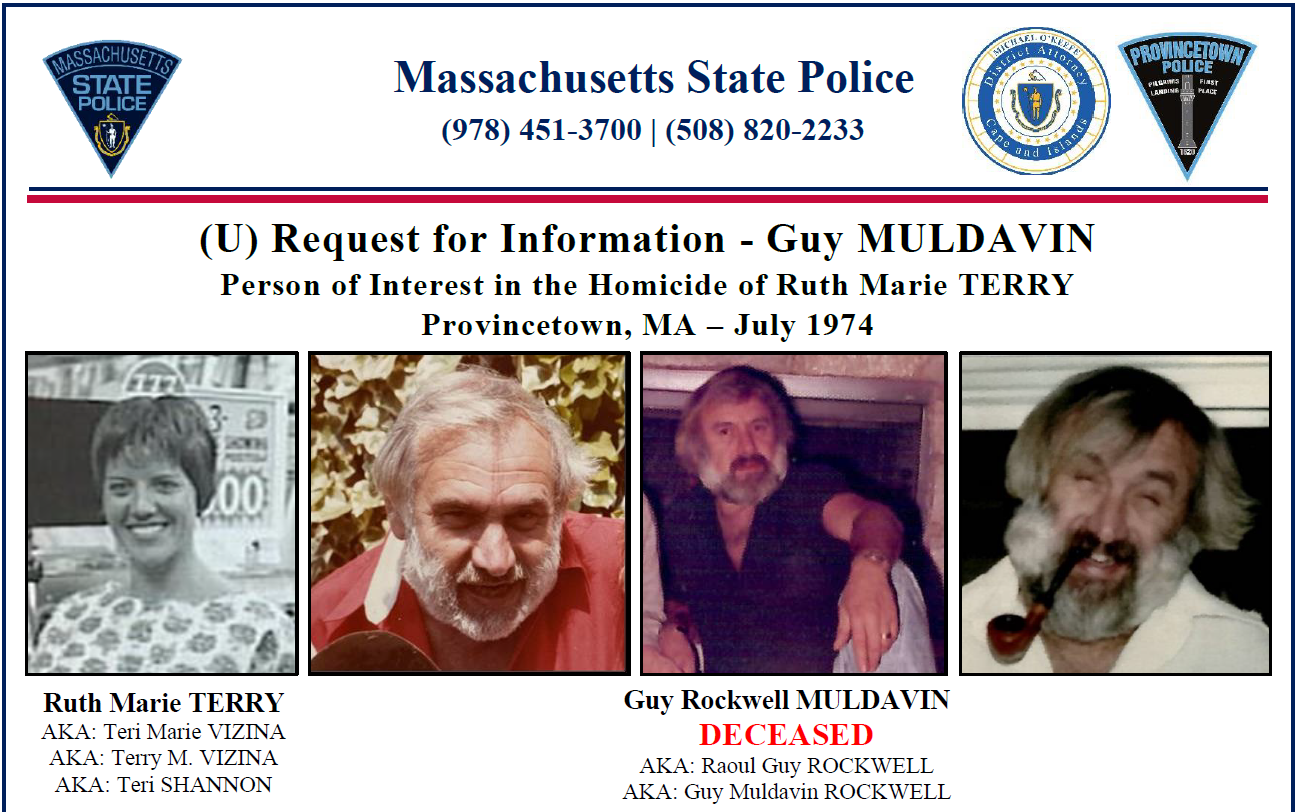
Muldavin’s name already appeared in a very different set of newspaper reports. In 1960, his wife Manzanita and her 18-year-old daughter, Dolores Ann Mearns, disappeared in Seattle. Police searching the property where they lived and operated an antiques business found pieces of human tissue in a newly sealed septic tank. That December, the FBI arrested Muldavin in a Greenwich Village apartment.
The contemporary UPI report placed the disappearances beside another allegation involving a subsequent marriage. Muldavin was accused of taking $10,000 from his new wife’s stepmother by promising to buy antiques in Canada. By then, the earlier wife and daughter had vanished, he had remarried, and investigators were trying to determine whose remains lay beneath the Seattle property. He was later convicted of grand larceny and given a 15-year sentence, which was suspended in 1962.
He was never charged with murdering Manzanita or Dolores. The remains were not conclusively identified as theirs. The parallels with Terry’s death were alarming, but the earlier suspicions did not establish what happened in the Provincetown dunes. The Massachusetts investigation still had to account for Terry’s final travels and what her husband said after returning alone.
According to the district attorney’s account, Muldavin came back from the couple’s 1974 trip driving a vehicle believed to be Terry’s. He told witnesses she had died. But when her brother tried to find her, Muldavin offered a different explanation. They fought on their honeymoon, he said, and he had not heard from her again.
On August 28, 2023, Cape and Islands District Attorney Robert Galibois announced that investigators held Muldavin responsible for Terry’s death and closed the case. They did not publish a full account of the evidence behind that conclusion. DNA had identified Terry, but officials did not announce a DNA match proving who killed her.
There would be no trial. Muldavin died in California in 2002, two decades before the public learned the name of the woman found in the dunes. He could not be questioned about the journey, the injuries, or the incompatible explanations he gave after Terry disappeared. The official finding named who investigators blamed without providing a complete account of her last hours.
For Hanchett, the identification also meant deciding where his mother belonged. He raised money for services and memorial stones in both Provincetown and Whitwell. One place held her family and childhood. The other had cared for her grave while she remained unidentified. By November 2022, flowers, shells and stones lay there beside a temporary sign bearing her name. A memorial service in Whitwell was arranged for May 14, 2023.
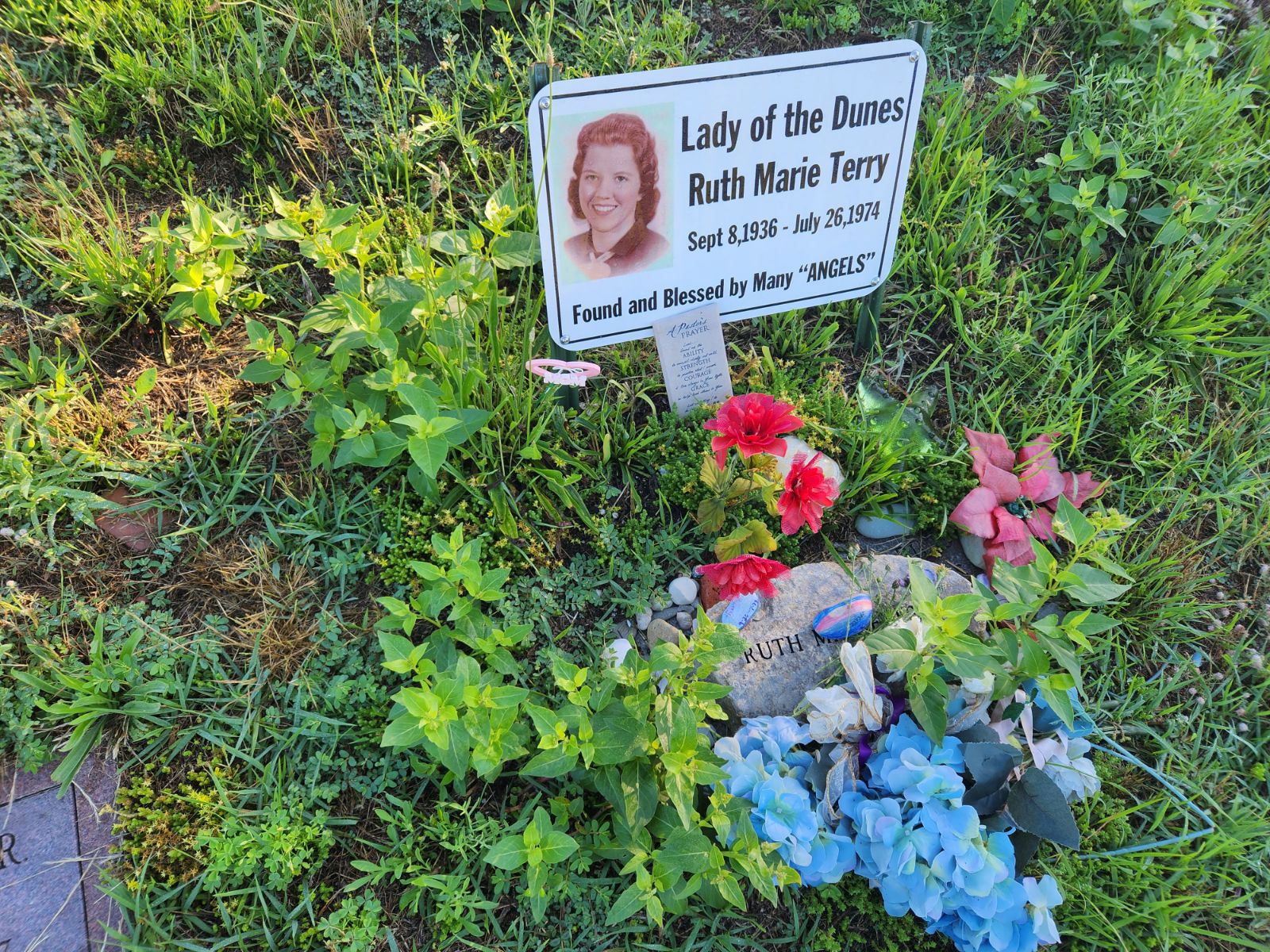
Some of her remains returned to Tennessee, while her Provincetown grave received a marker bearing her name. The headstone he dedicated in October 2024 carried her photograph. Hanchett invited the people involved in the case to the ceremony.
In 2024, Hanchett stood at that grave with Warren Tobias, a retired Provincetown detective who worked on the case for 20 years. As Hanchett recalled to the Chattanooga Times Free Press, they repeated the same thought to each other about ten times.
“It’s hard to believe we’re standing here with each other.”
For more extraordinary stories from history, read about the woman stabbed 157 times who remained unidentified for 46 years, or the woman who spent decades in institutions as Mary Doe No. 4.
Image rights notice: If you are a copyright holder and have concerns about an image used in this article, please contact us. We will review your request and remove the image where appropriate.