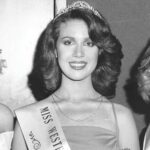

It has been more than 10,585 days since Amy Wroe Bechtel disappeared from the Wind River Range in the Shoshone National Forest.
In 2004, her husband, Steve Bechtel, had her declared legally dead in a courtroom, but her status has never been confirmed. In the words of a reporter who spent months retracing her final hours, she was not altogether alive nor convincingly dead.
To understand what happened that led to a massive search involving FBI agents, NASA, and a Russian space station, we have to go back to a hot Thursday in July 1997 in Lander, Wyoming.
July 24 was a scorcher, and both Bechtels had the day off. Amy considered driving up to Powell to see her parents and pick up some furniture, but changed her mind.
She told her mother there was too much to do in Lander on her one day off, so that morning the couple ate breakfast together and split up around 9.30 am.
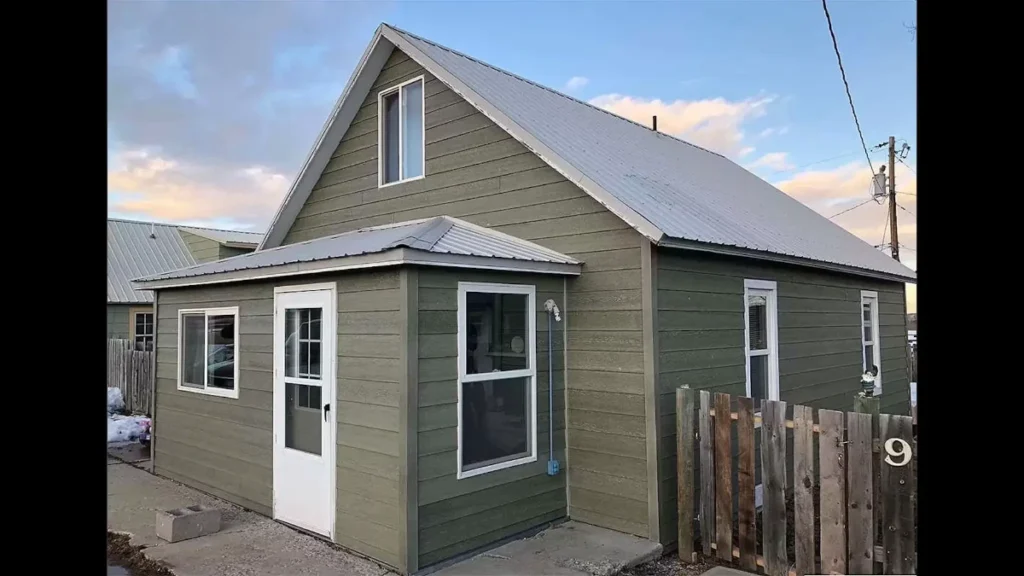
Steve then loaded their dog, Jonz, and drove 70 miles to Dubois to check climbing routes with a friend, Sam Lightner, who was visiting from Jackson. Amy arrived at the Wind River Fitness Centre at 10 am to teach a children’s weightlifting class.
By 2 pm, she left the gym and spent the next hour running errands across town. Days earlier, the couple had closed on their first home on McDougall Drive, and Amy spent the afternoon talking to the gas company, the phone company, and their insurance provider.
Afterwards, she stopped by the local photo shop, Camera Connection Photos, to drop off film and headed up the stairs to Gallery 331 to speak with her friend Greg Wagner.
Amy was interested in framing a photograph for an upcoming contest. Wagner later noted she was her usual bubbly self but seemed to be in a hurry. He would be the last confirmed person to talk to her.
It is believed she drove through Sinks Canyon and onto Loop Road, a 30-mile stretch through Shoshone National Forest connecting Sinks Canyon Road to Louis Lake Road.
At the time, Amy was also organising a 10-kilometre race to be held that September. It was a rugged hill climb that was designed to finish at Frye Lake.
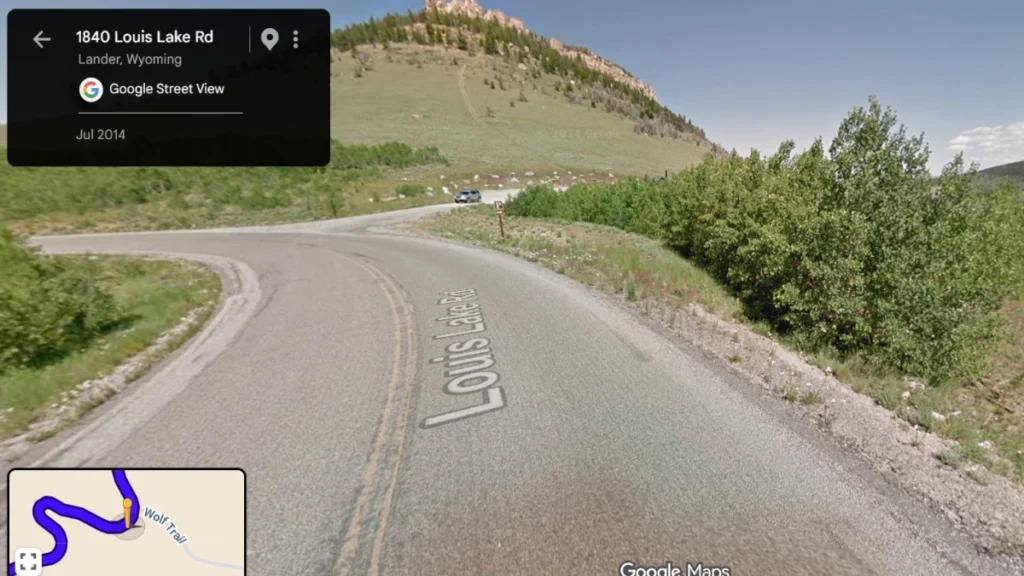
The drive was to map the course, and she had a to-do list, complete with mile-marker notes on route landmarks, that was later found in her car. Amy planned to run part of the route that afternoon, but never made it back to her vehicle.
Steve returned to their rented cottage by 4.30 pm, and Amy was not home yet. He wasn’t alarmed right away, considering the two typically didn’t leave notes, and neither owned a cell phone, so stretches without communication weren’t unusual.
He unpacked and fed the dog as he waited for his wife to get home. By 8.15 pm, he was eating dinner, and their neighbours, Todd Skinner and Amy Whistler, began to worry.
The Skinners invited him to a showing of the recently released ‘Con Air’ movie that night, but Steve said he’d rather stay home in case Amy showed up. By 10 pm, the ordinary explanations were running out, and Steve called Amy’s parents in Powell to check if she had driven up there on a whim, perhaps.
He also called the local hospital, but there were no records that she had been there. Years later, he would tell writer Jon Billman, “I got home from climbing, it’s just a normal day — get unpacked, feed the dog or whatever, then I start wondering, ‘Where is she?’ Make some calls, drive around a little bit. It gets to be like 8 p.m., 9 p.m., 10 p.m., and that incredible anxiety builds up. You’re just worried. I hope she didn’t break her ankle. I hope she didn’t run out of gas. Those normal things where you’re like, ‘this sucks.’ But you’re not going, ‘I hope my wife wasn’t grabbed by some psychopathic serial killer.’”
At 10.45 pm, Steve called the Fremont County Sheriff’s Office to report his wife as missing.
Two deputies were immediately dispatched to the house, and search-and-rescue teams were being prepared to move at first light. When the Skinners got back home from the movie, they did not wait until morning.
They got in their car and began driving up the back roads Amy might have used. After an hour of searching, they chanced upon her white Toyota Tercel station wagon.
It was parked at a turnout for Burnt Gulch, off Loop Road. The doors were unlocked, and the keys sat on the passenger seat. Amy’s to-do list was also on the seat with four out of thirteen items checked off.
Her Wallet, and a green Eagle Creek billfold were not in the car.
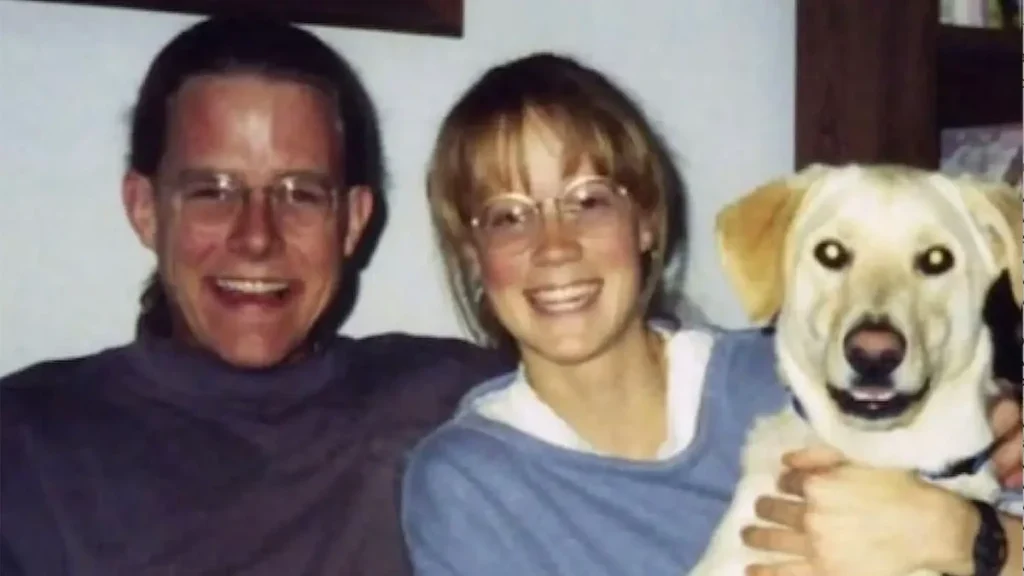
Who was Amy Wroe Bechtel
Born in California in 1972, Amy Wroe Bechtel was the youngest of four closely knit siblings. Growing up, she was described as deeply determined and trusting.
She was primarily defined by her passion for distance running. Though she was not considered naturally gifted early on, she was dedicated and went on to captain cross-country and track teams at the University of Wyoming.
In school, she broke and held the University of Wyoming school record for the 3,000-meter run. She also ran the Tucson and Boston marathons in 1995 and 1996.
Both Amy and her coaches were focused on the 2000 Olympic Games because it would be aligned with the peak of her athletic maturity.
In Lander, she was also a hardworking member of the local fitness community, splitting her time working at the local shop, Wild Iris Mountain Sports, and teaching the weightlifting class.
Amy and Steve met in college while attending the University of Wyoming. Their relationship was built around a shared passion for intense athletics and exercise science. After graduation, their vision of opening a gym and training in a rugged landscape led them to Lander, Wyoming.
At the time of Amy’s disappearance, they had been married for just over one year.
The Search Begins
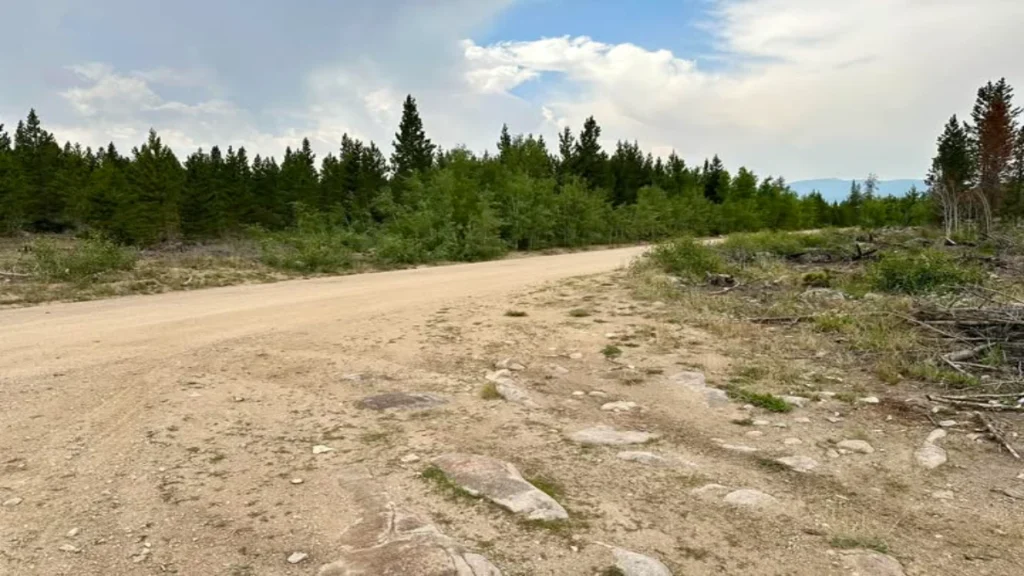
Todd Skinner then called Steve from his cell phone and told him what they had found. Steve assembled a group of local rock climbers, and they immediately drove up to the Burnt Gulch site on Loop Road.
They spent the rest of the night searching the immediate woods with flashlights, calling Amy’s name until dawn. By early morning, an official search party had taken over.
Reflecting on the investigation years later, Detective John Zerga claimed, “We actually ruined it with the vehicle… The investigation was not good for at least the first three days. There was a lot of stuff that was lost.”
Steve immersed himself in the immediate response, helping to organise the community search party, which numbered over 500 volunteers. The lead investigator, Dave King, who was newly promoted from county jailer to detective, told reporters the operation had significant depth and resources behind it.
There were swiftwater search and cave-recovery specialists involved. These were backed by trackers, cadaver dogs, the Wyoming National Guard, and the Civil Air Patrol. One of these aircraft even had infrared imaging.
If Amy had gotten lost or been attacked by a bear or mountain lion, the search would have found something fast. After five days with no trace, investigators began to consider the possibility of foul play.
The search was finally called off after eight days. Unfortunately, there were some forensic mistakes early on, as the Skinners were allowed to drive Amy’s vehicle back into town before it could be properly processed as evidence.
A promising footprint was also trampled by volunteers who thought they were looking for a lost hiker.
From Missing Person to Possible Homicide Investigation
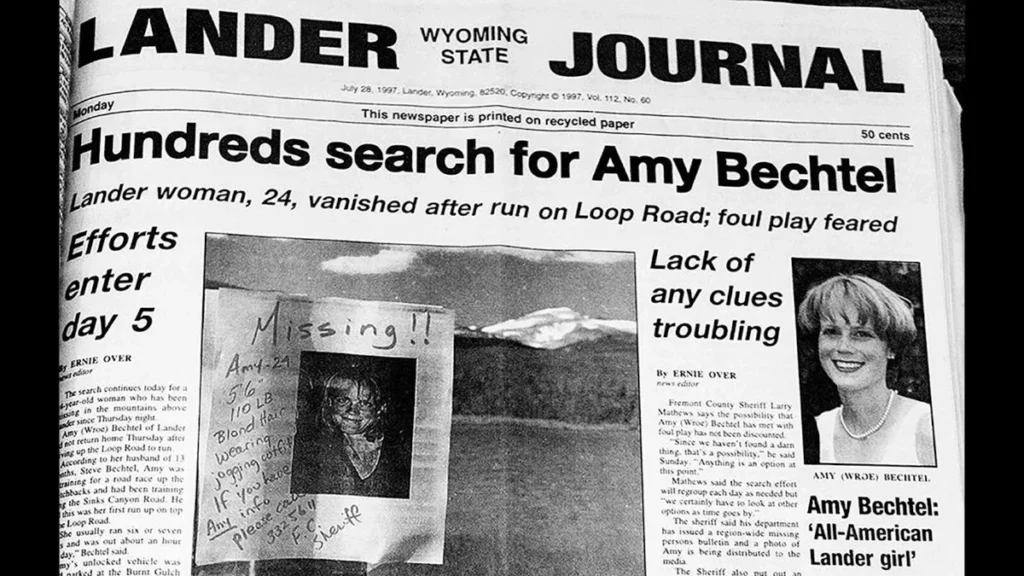
After a week, the case moved from search and rescue to criminal investigation. Dozens of FBI and Wyoming Division of Criminal Investigation agents came from Denver to set up in the sheriff’s office.
They were interviewing anyone who had a connection to Amy or had contact with her the day she went missing. Nothing useful was derived from the initial questioning.
The FBI also requested satellite imagery from NASA with the search parameters for that day. Months later, agents got images from the Russian space station Mir, taken around the same time, but cloud cover obscured the area.
Everyone who was close to the investigation seemed to agree on one thing. Amy was not the type to disappear on her own. Friends and family also characterised her as jovial, so suicide was not plausible.
The only possibility that was left was homicide, and there was no obvious suspect other than her husband. Steve himself spent the early weeks of the search leading crews, putting up flyers, and sitting for interviews with authorities.
He did four interviews, but some cracks started to manifest early on. A woman who had been driving through the search area told investigators she had seen a light blue pickup that matched Steve’s light blue pickup.
It was allegedly speeding through a campground on Loop Road at 5 pm on July 24, with a blonde woman in the passenger seat. This claim fell apart as phone records showed Steve placing a call from the couple’s home at 4.43 pm, undercutting the timeline for this sighting.
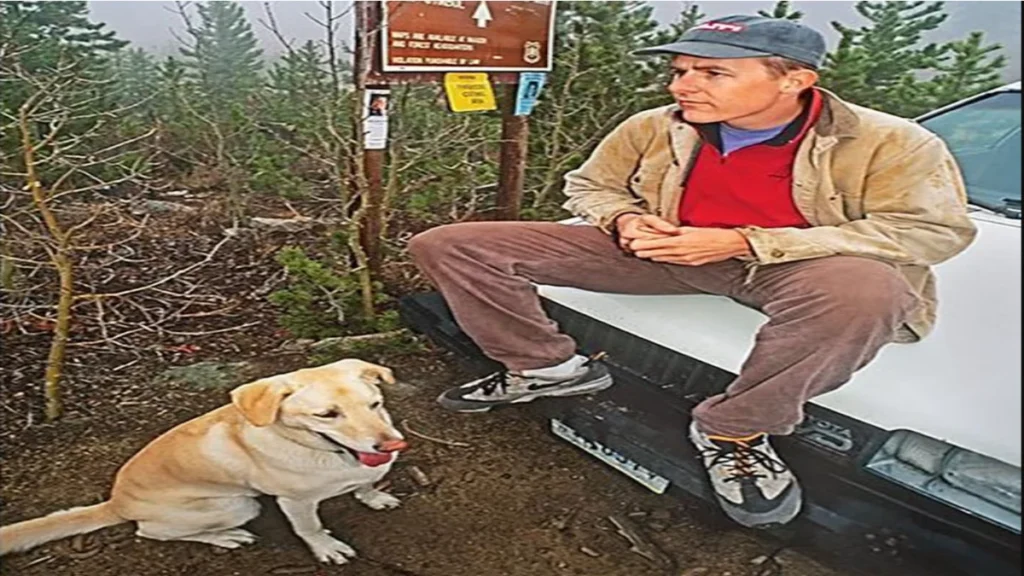
On August 5, FBI agent Rick McCullough bluffed Steve, claiming there was evidence he had murdered Amy. Steve suspected it was a tactic, but it rattled him enough to hire Kent Spence, a Wyoming defence attorney.
Following his lawyer’s advice, Steve refused to take a polygraph test. This came off as guilt to the rest of the town and Amy’s family, but Steve pushed back, claiming that refusal meant nothing.
As he put it, “The polygraph is like one of those monkey traps. Anybody who needs me to take that test — I don’t need them in my life.” To Amy’s brother, Nels, who had pressured him to do it for years, refusal only intensified his suspicion.
Detectives then secured a search warrant for the Bechtel home and Steve’s truck. Luminol tests for blood returned negative, and the dogs did not find anything.
The search did reveal dark poetry concerning violence and killing. Some of the written material was targeted at women, and especially Amy. Steve claimed they were lyrics that he had written earlier for a punk rock band, even before they met.
Detectives were sceptical, but the evidence was circumstantial. Investigators also noticed gaps in his timelines for July 24 that were not conclusive.
The town itself was split into two factions. Some felt the idea that Steve could hurt Amy was unthinkable. Others, including part of Amy’s family, grew more convinced of Steve’s involvement in her disappearance.
In 1998, the local police publicly stated that Steve was not considered a central suspect, but added that they wanted to formally clear him so they could consider other leads. This is something his lack of continued cooperation made difficult.
Almost ten years later, in 2007, Detective Sgt. Roger Rizor, who was assigned the case, told the Billings Gazette, “I believe it was a homicide.”
Psychics Weigh in on the Investigation
The tips never stopped coming. Callers even reported hearing gunfire the night that Amy disappeared. Self-proclaimed psychics bombarded the Fremont County sheriff’s office and Amy’s family with conflicting but interestingly specific clues.
They claimed to see visions of vehicles and structures where Amy was being held or buried. Speaking about the variety of psychic suggestions and the associated frustration, Steve remarked to Outside Magazine, “Let’s say someone says, ‘Check out a yellow mobile home off the highway ten miles from Lander,’ we can do that. If someone says, ‘I see a white pickup in Utah,’ well, tell me another.”
In late October 1997, three months after Amy vanished, detectives took the unconventional step of physically escorting a psychic investigator into the Shoshone National Forest.
Detectives brought the psychic directly to the Burnt Gulch area where Amy’s white Toyota Tercel had been found. According to Detective Zerga, the psychic claimed she felt a ‘high energy’ in the area.
Ultimately, it yielded no physical clues, remains, or actionable forensic evidence. When explaining why police listened to these calls, Zerga explained to Cowboy State Daily, “I don’t necessarily believe that people are psychic… But some people may have knowledge of stuff, and that’s the way they want to portray the information, or that’s how they’re going to get it out. And I get it, you know, some people have dreams or whatever.”
Killer in the Woods
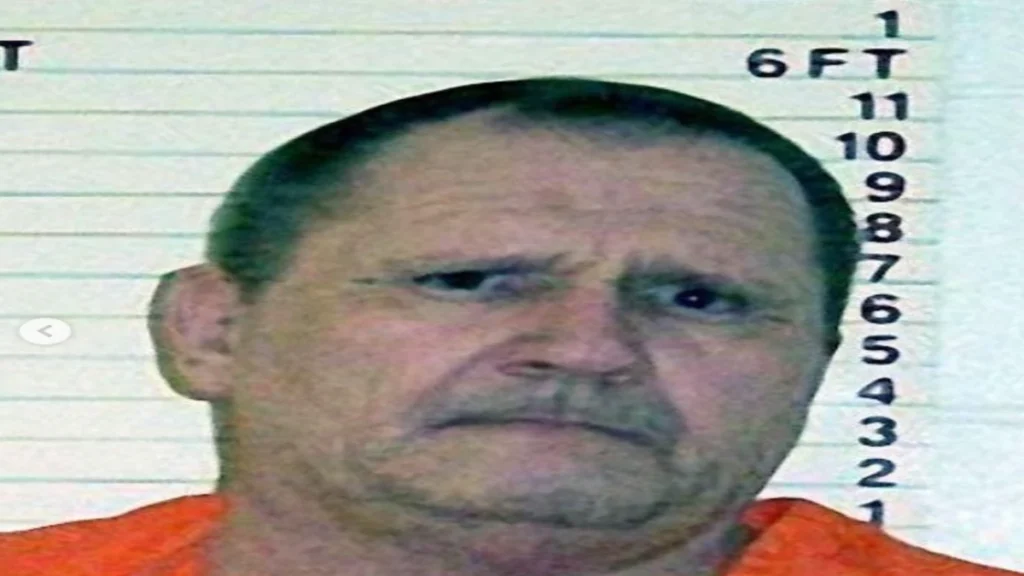
While detectives were still fixated on Steve, a tip came from a man named Richard Eaton. He told the police his brother, Dale Eaton, was camping near Burnt Gulch that same summer.
Police suspected that Richard was chasing reward money and ignored the tip. One year later, Dale was arrested for violating the terms of his parole. He was soon linked to the unsolved 1988 rape and murder of 18-year-old Lisa Marie Kimmell.
A search of his property then turned up Marie’s car, women’s clothing and stacks of newspaper clippings about missing women spanning four states. Dale has since refused to cooperate with investigators on any other cases.
Detective John Zerga, who became the lead investigator of the case in 2010, came to believe the early obsession with Steve cost investigators their shot at Dale Eaton. Two interviews with Eaton did not lead anywhere.
The second time, Eaton cursed at him and ended the meeting within minutes. After consulting with FBI profilers and detectives from the Kimmell case, Zerga told Wyoming Public Media, “There’s a good reason to believe Dale was involved with this.”
Eaton was convicted of the Kimmell murder in 2004 and sentenced to death. This sentence was eventually overturned in 2021 after he was diagnosed with dementia.
Eaton is currently in his 80s and serves the remainder of his sentence in a Wyoming prison.
Hidden Property Discoveries
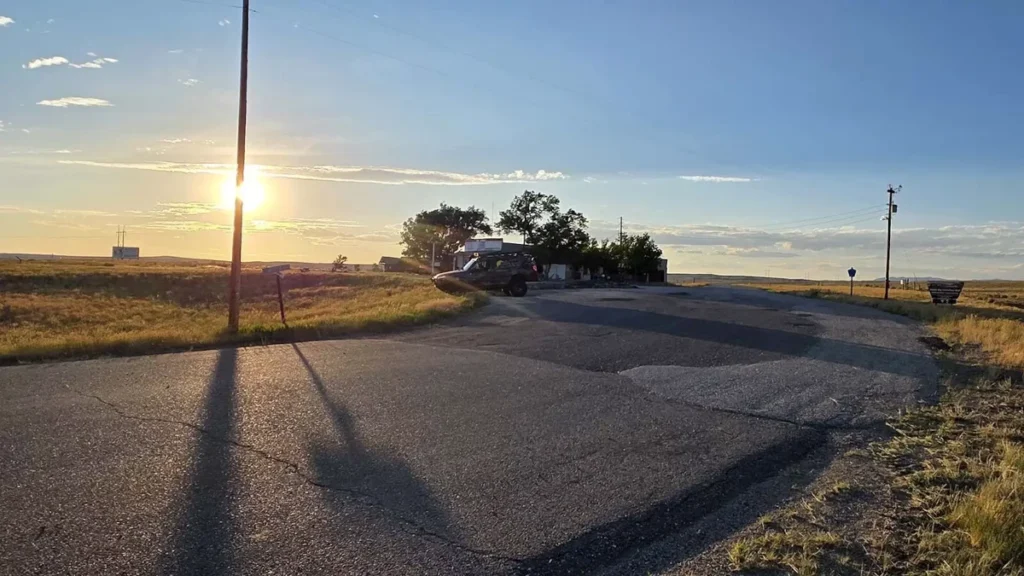
In 2024, the investigation received its most significant development in decades through a renewed focus on Eaton’s belongings. Tracey Sve, the current owner of the Waltman property where Eaton’s camper was in 1997, started implementing independent sweeps.
For years, she suspected that the land held secrets because of her personal knowledge of Eaton. Dale was a close friend of her father’s and frequently played cards with the family on the property.
Driven by an intense, persistent dream to find missing puzzle pieces, Sve decided to dismantle Dale Eaton’s old belongings on the property. She focused the search on the interior structures of the vehicles and trailers Eaton used in the late 90s.
Tearing into the old fabric and shaking out vintage work boots left in the trailer, Sve found hidden caches of logged map routes, old gas station receipts, and newspaper clippings going back to 1997.
The dates printed on the gas station receipts and papers aligned with the exact days surrounding July 24, 1997. Because Eaton’s brother previously told the FBI that he was camping near Amy’s running path when she vanished, these receipts formed a physical paper trail.
They also allowed cold case investigators to track Eaton’s fuel stops and movements the week that Amy disappeared. The Fremont County sheriff’s office, led by John Zerga, officially accepted these items.
Investigators considered the tip worth looking into because the items directly filled gaps in Eaton’s timeline. Law enforcement currently treats this as one of the most promising leads they have received in years.
However, they have determined that the investigation will not be rushed to draw conclusions until the forensic labs finish processing the papers and the ground teams finish their sweeps.
Learning to Live Without Answers
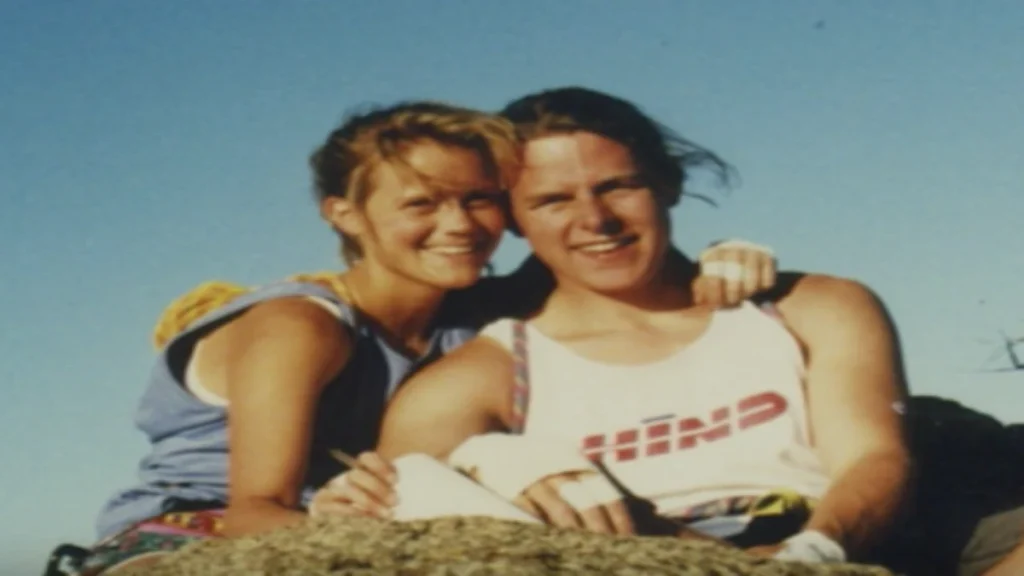
Amy’s case has drawn national coverage for years on episodes of Unsolved Mysteries and People. Steve and Amy’s sisters even appeared on the Geraldo Rivera Show, where they publicly asked him to share whatever he knew.
A hotline also ran around the clock for years. None of this bore any fruit.
Steve Bechtel remarried in the summer of 2004 to a woman named Ellen Sissman, shortly after having Amy declared legally dead in absentia. They currently live together in Lander and have two children.
They also still live in the house he and Amy purchased days before she vanished. Steve has not spoken to Amy’s family in years.
The fact that there was no trial, conviction, or case closure remains an open wound for them. Amy’s mother, JoAnne Wroe, told Outside Magazine, “We will find out. Whoever is responsible is going to make an error at some point that will lead us to answers.”
For more stories on unsolved mysteries or heroic escapes, explore our articles on the Disappearances of Lauren Spierer and the Tromp Family.