

Friday, May 25, 1979, was going to be a busy day for Julie Patz at her family loft at 113 Prince Street in SoHo, New York. 36-year-old Julie ran a daycare out of the loft, and that Friday she was getting her own three children ready, while 14 other preschoolers were due to arrive.
Shira was 8, Etan was 6, and Ari was 2. A six-week bus strike had just ended, and the buses were running again that day. During the strike, the Patzes had paid a woman named Susan Harrington to walk Etan to school.
This day, he begged his mother to let him walk to the school bus stop on his own for the very first time. He had been walking with Harrington for weeks, but wanted to be like his big sister, so he repeatedly asked Julie for permission.
Because the bus stop was only two blocks away and visible from near their home, Julie finally agreed. Etan also had a dollar in his pocket, which he had been given by the neighborhood handyman the day before for helping at the man’s workshop.
Julie told Etan he could spend it on a soda at the bodega, but he had to go there first and then straight to the bus stop. He kissed his mother goodbye and walked down the stairs of his apartment building before stepping out onto Prince Street.
Julie went back upstairs to the children, telling herself it was only two blocks away.
The boy began walking, passing a neighborhood worker who recognized him and later confirmed he saw him walk confidently toward Greene Street.
Etan arrived at the intersection of Prince and Wooster streets where the bodega was and encountered its stock boy, 18-year-old Pedro Hernandez. Hernandez lusciously offered Etan a free soda and convinced him to follow him into the bodega’s dimly lit basement.
Once they were alone in the basement, an unprovoked impulse took over Hernandez, and he grabbed Etan by the neck, strangling him to death. After he realized what he had done and knew the school bus would arrive in minutes, Hernandez acted quickly to conceal the evidence.
He threw Etan’s small body and his blue elephant tote bag into a plastic garbage bag and stuffed it into a cardboard box. The box was then placed curbside on Sullivan Street among the ordinary piles of Manhattan trash.
At the time, New York City trash usually went to massive dumps like the 2,200-acre Fresh Kills Landfill on Staten Island or dump sites in New Jersey. Etan’s remains likely found their way to one of these sites and were disposed of before anyone noticed.
A Futile Search
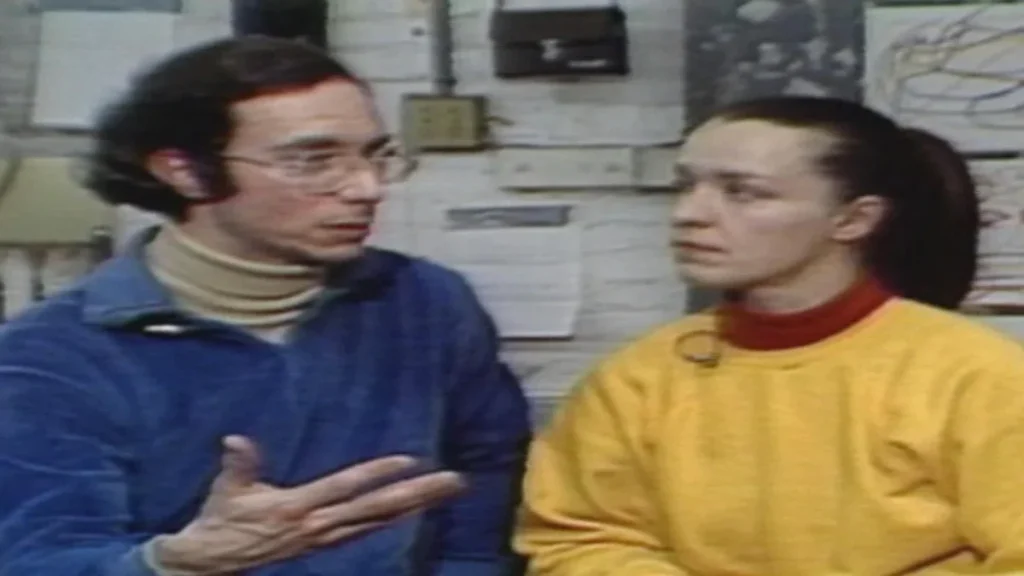
The school bus pulled up at 8.10 am, and Etan’s friend Chelsea had saved him a seat, but the boy never showed up. At school, his teacher noted Etan was absent, but at the time, schools did not automatically notify parents of absences.
Julie spent the day running her home-based daycare, assuming Etan safely boarded the bus and was sitting in his classroom. The realization that something was very wrong came around 3.30 pm when Julie walked down the street to meet the afternoon school bus.
The bus arrived, and all the neighborhood children got off, but Etan was not among them. Julie didn’t panic immediately, assuming Etan must have gone home with a classmate to play, but she started calling parents.
She finally reached Chelsea’s mother, who told Julie her daughter hadn’t seen Etan all day. Panic set in, and Julie called her husband, Stanley, at his professional photography studio.
Julie’s voice was tight with panic, and he immediately raced back to their SoHo loft. By the time he got there, the realization had fully set in. Etan was missing.
At 6 pm, Stanley and Julie called the New York police department, and within hours the Patz home became a frantic command center. Officers, local Soho artists, and neighbors flooded the scene and began searching, checking alleyways, trash receptacles, and even the subway tunnels.
Stanley handed out a striking portrait of Etan to well-wishers, and the community stayed up all night distributing posters across Manhattan. As the city entered the Memorial Day weekend, the NYPD launched one of the largest missing child manhunts in the city’s history.
More than 100 detectives and regular officers searched every building, rooftop, and coal chute in SoHo. Detectives also interviewed all local workers, including Pedro Hernandez. Because Hernandez appeared calm and gave a normal statement, police cleared him and moved on to other leads.
Stanley made sure, though, to feed the press a steady supply of high-quality, striking black-and-white portraits of his son. Etan’s face dominated evening television news broadcasts and front pages.
According to CBS News, Stanley was sure his son would be found, saying, “Both my wife and I continue to be confident that he is alive and we hope he’s being cared for by someone who might want a child as adorable as he.”
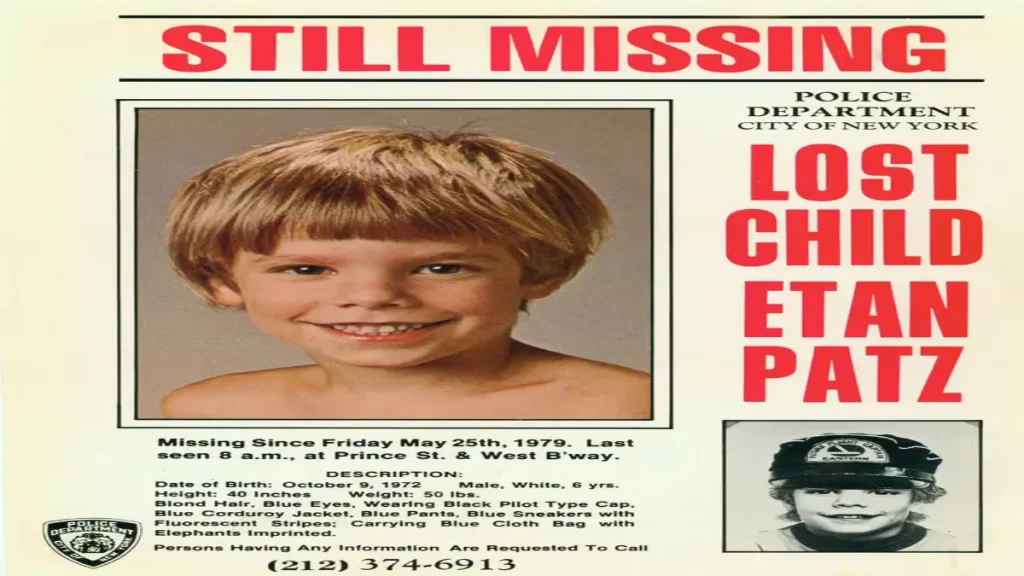
Considering they needed a way to keep Etan’s face in the public eye, Stanley’s campaign helped to inspire a massive national movement. He became one of the first missing children whose face was printed on milk cartons across the country.
Recognizing the massive public outcry that was generated by the Patz family, then-president Ronald Reagan designated May 25, the anniversary of Etan’s disappearance, National Missing Children’s Day.
The Jose Ramos Misdirect
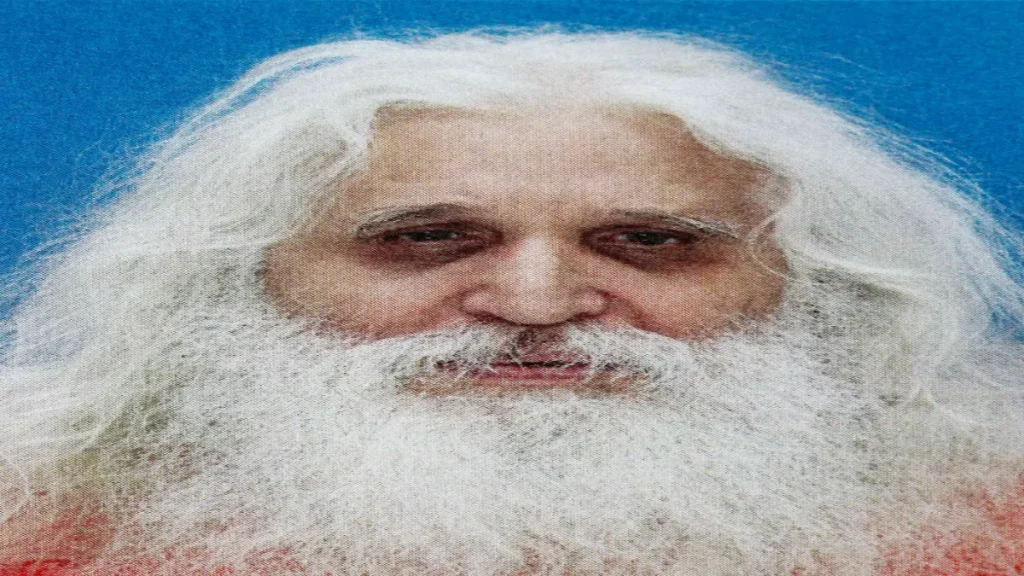
Over the next few years, investigators determined that Etan frequently played in Washington Square Park, which was a busy public space five blocks north of his home in SoHo.
This quickly became a focal point for federal and local law enforcement as they continued to map social circles and vulnerabilities that could have led to his abduction. In the late 1970s, the western half of the park was also plagued by open-air drug dealing and loitering.
According to Time Magazine, his mother said, “He thinks everyone of all ages is wonderful, trustworthy and kind and a desirable companion.” This led investigators to fear that one of the park’s regulars could have easily lured Etan.
While tracing people who frequented the area, the NYPD and the FBI focused on 38-year-old Jose Antonio Ramos. Ramos was well known in Greenwich Village and Washington Square Park.
Investigators also determined that Ramos had a direct social connection to Etan because he had once dated Susan Harrington.
When assistant U.S. Attorney Stuart Grabois officially took over the investigation in 1985, he used the Washington Square Park connection and ties to Harrington to pressure Ramos. At that time, Ramos was incidentally in prison due to an unrelated charge of child molestation.
During intense questioning, though, Ramos made a stunning confession claiming that on May 25, 1979, he had gone to Washington Square Park and picked up a young blonde boy. He also admitted that he lured the boy to his Lower East Side apartment with the intention of committing sexual assault.
According to Ramos’s account, the boy rebuffed his advances while at the apartment and left, saying he was going uptown to visit an aunt. When Grabois showed Ramos television broadcasts and missing person fliers featuring Etan’s face, Ramos said he was ’90 percent sure’ the child he had taken from Washington Square Park was Etan.
Now despite this seemingly huge admission, federal investigators ran into evidentiary roadblocks. After reviewing transit records and interviewing potential witnesses, they found no independent physical evidence or eyewitnesses to place Ramos with Etan that day.
Criminal prosecutors also felt they lacked the necessary evidence to get a murder conviction, so they shifted tactics, changing it to a civil case. In 2001, a judge also declared Etan legally dead, which cleared the way for his parents to launch a wrongful death lawsuit against Ramos.
Ramos then invoked his Fifth Amendment rights, refusing to answer specific questions regarding the park and the apartment, but in 2004, Justice Barbara Kapnick found him liable by default for Etan’s death.
Every year since then, on Etan’s birthday and the anniversary of the disappearance, Stanley mailed Ramos a copy of the missing child poster. According to CBS News, he typically wrote, “What did you do to my little boy?” on the poster.
Ramos later finished his sentence in Pennsylvania and was released November 7, 2012.
The Basement on Prince Street
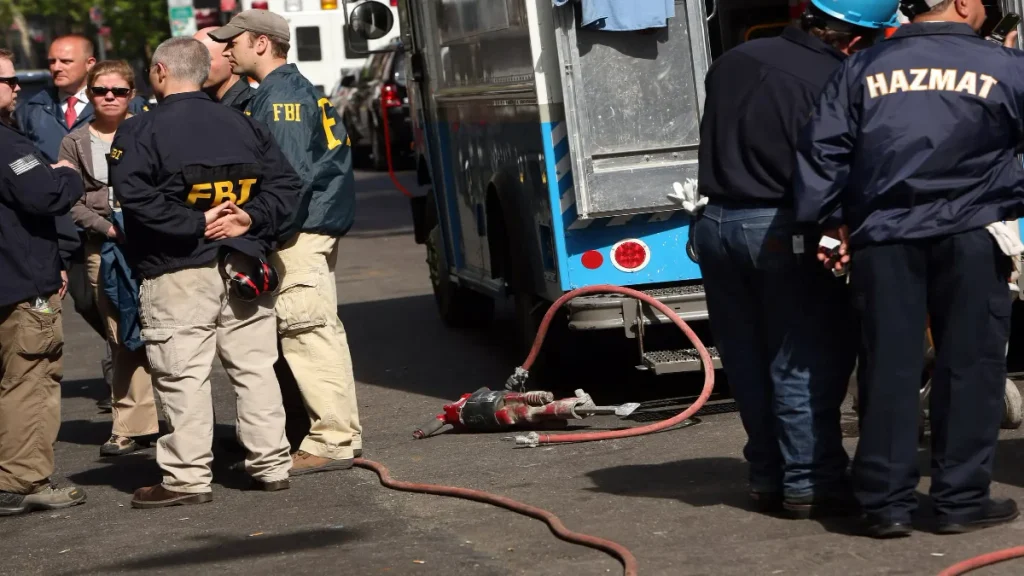
The case was not closed, though, and interest grew again in closing it for good. During his campaign, the Manhattan District Attorney Cyrus Vance Jr. promised to take a second look at the cold case and reopened it in 2010.
Investigators zeroed in on a basement workshop at 127B Prince Street just 200 feet from the Patz home. Othniel Miller, the local handyman who gave Etan the dollar, owned it.
Julie had described it as a family friend. Incidentally, Ramos also had a key to this place and did several odd jobs there in the late 1970s. They also searched the basement in 1979, but they never dug up its floors.
Cadaver dogs reacted to a portion of the floor, suggesting decayed human remains that had been resurfaced with fresh concrete.
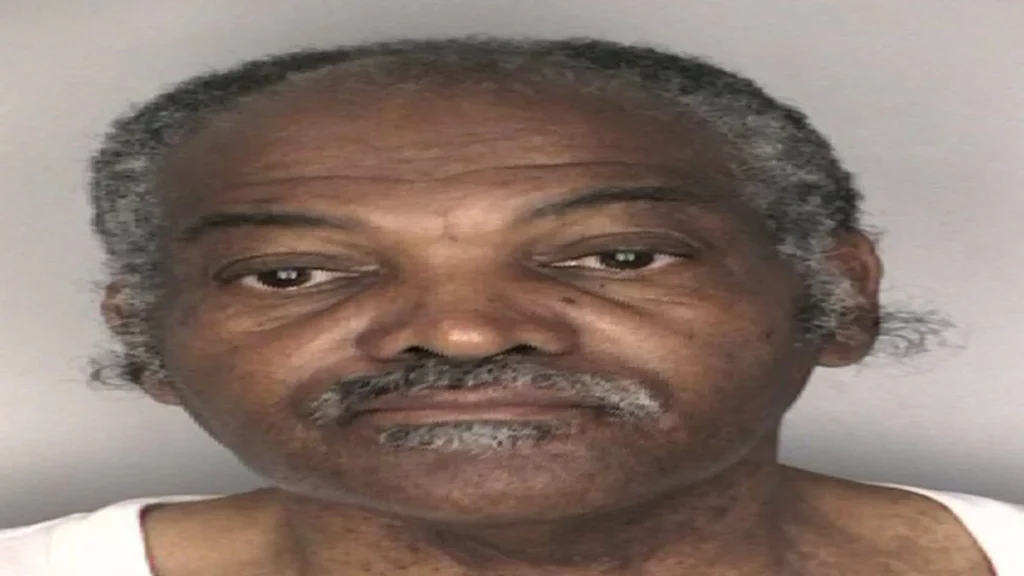
It legally justified the search warrant to jackhammer the floor, but the physical excavation failed to produce the breakthrough everyone hoped for.
ABC News reported the statements of Michael Farkas, the attorney for Miller, saying, “Mr. Miller did not do this. Mr. Miller denies involvement with what happened to this beautiful young boy, and he’s going to remain cooperative to the extent that’s reasonably possible given this investigation.”
Pedro Hernandez Confesses
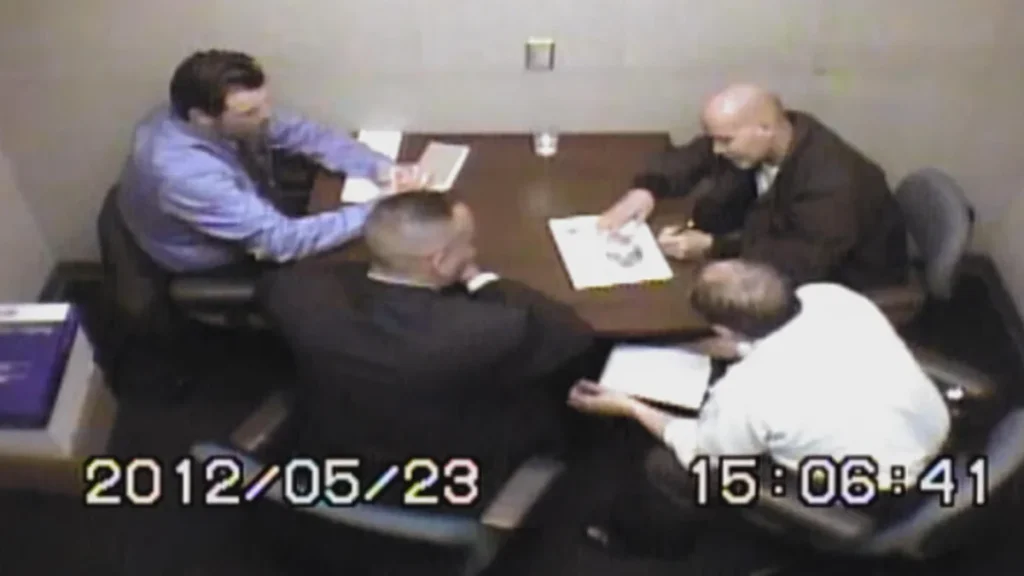
The break in this case came down to timing and conscience. In April 2012, the massive media coverage surrounding the excavation of handyman Othniel Miller’s basement put Etan Patz back on every television.
Watching the news unfold, Hernandez’s brother-in-law, Jose Lopez, recalled disturbing conversations they had decades ago. Hernandez had made vague, guilt-ridden confessions to family and a church prayer group, admitting he had ‘done a bad thing’.
He even mentioned killing a young boy in New York City. Realizing the timeline aligned perfectly, Lopez called the police tip line. Police immediately picked up a now 51-year-old Hernandez at his home in Maple Shade, New Jersey.
After hours of questioning, Hernandez broke down. He told detectives that on May 25, 1979, he used the promise of free soda to lure six-year-old Etan into the Soho bodega basement.
CBS News reported the confession in which Hernandez stated, “I was nervous; my legs were jumping. I wanted to let go, but I just couldn’t. I felt like something just took over me. I don’t know what to say. Something just took over me, and I was just choking him.”
He also described the disposal process, including sealing Etan inside a cardboard box and dumping it in a Manhattan alleyway. The case immediately became a battleground over the validity of the confession, considering there was no evidence or remains linking Hernandez to the crime.
His defense team was already positioning an insanity approach, saying Hernandez had schizophrenia and that detectives questioned him for hours without initially reading him his Miranda rights or allowing representation.
Prosecutors answered, saying Miranda warnings were issued immediately after the confession and Hernandez repeated it on video.
Two Trials
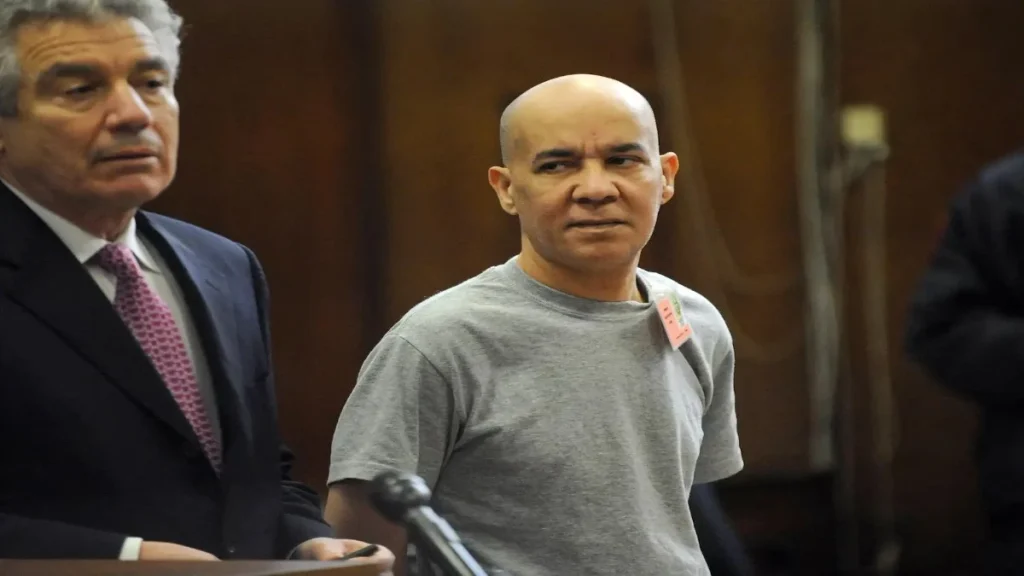
The first trial was in 2015. Senior prosecutor Joan Orbon built the case around the tape-recorded confession and testimonies given by his ex-wife, brother-in-law, and former church group members that revealed he had admitted to harming a child decades before.
The jury deliberated for 18 days before emerging deadlocked, stuck at an 11-to-1 vote for conviction. Hence, Manhattan Supreme Court Justice Maxwell Wiley declared a mistrial.
The District Attorney’s office immediately announced a retrial for late 2016. This time. prosecutors focused on the timeline, proving Hernandez was uniquely positioned at the bodega when Etan disappeared.
Hearing the breakdown of Hernandez actions in both trials, Etan’s parents became convinced that he was the killer and not Ramos. Previously, in the wrongful death lawsuit, the judge had officially ruled in favor of the parents, awarding them $2 million, but no payouts had been issued yet.
After nine days of deliberation, the jury reached a verdict on February 14, 2017. Hernandez was found guilty of first-degree kidnapping and second-degree felony murder.
On April 18, 2017, Justice Maxwell Wiley imposed a sentence of 25 years to life, the maximum. Newsday reported Stanley Patz’s statement at the sentencing, “We will never forgive you, and the god you pray to will never forgive you. You are the monster in your nightmares, and you’ll join your father in hell.”
Hernandez showed no visible emotion, remaining silent and refusing to look at Etan’s parents. Instead, his defense attorney, Harvey Fishbein, spoke on his behalf as reported by AM New York, claiming, “Pedro Hernandez is not the answer to what happened to Etan Patz 38 years ago. This is not the end.”
Appeals Overturn Second Ruling
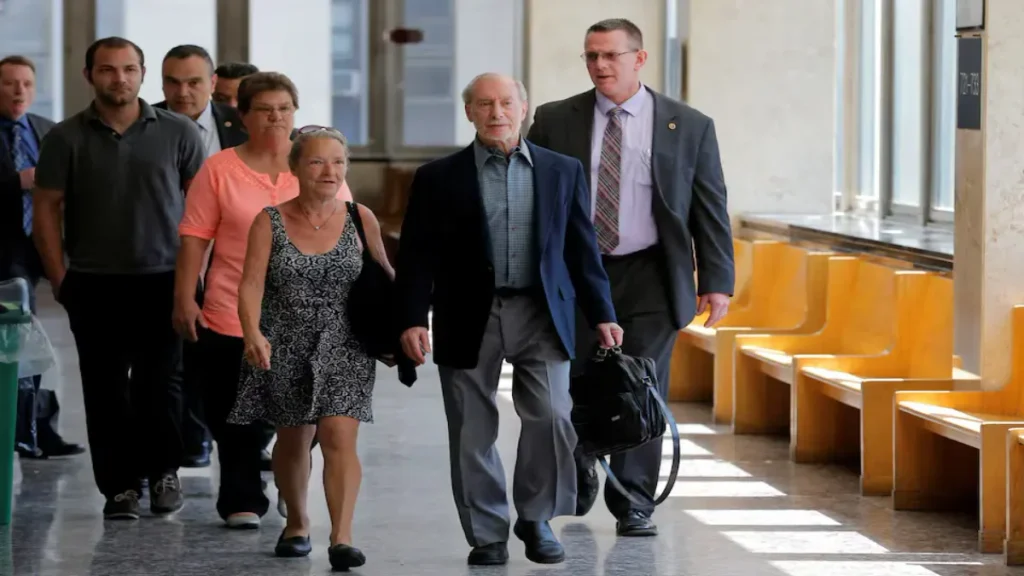
In July 2025, a federal appeals court overturned the conviction because of how he was interrogated. Hernandez was questioned for seven hours without being read his Miranda rights.
It was only after the initial confession that detectives read him his rights. Hernandez then repeated his admission on video and to the Assistant District Attorney.
In the second trial, jurors had also asked Justice Wiley if they had to disregard Hernandez’s later confessions if they found the earlier one he made was involuntary. According to The Guardian, Judge Wiley said, “No”.
The appeals court maintained that jurors should have gotten a fuller explanation and Justice Wiley should have instructed the jury to assess whether the first confession tainted the ones that followed.
US Supreme Court Reinstates Conviction
Prosecutors immediately appealed to the U.S. Supreme Court, and in June 2026, the Court issued a ruling that reversed the appeals court and reinstated the initial conviction.
Manhattan District Attorney Alvin Bragg told CNN, “Today the Supreme Court agreed with the findings of multiple lower courts and upheld the trial conviction of Pedro Hernandez for the horrific murder of Etan Patz, which changed a generation of New Yorkers. This office has remained steadfast in its pursuit of justice for Etan and the Patz family and will continue to stand by this important conviction.“
Pedro Hernandez remains incarcerated following the June 2026 Supreme Court decision. He will not be eligible to apply for parole until 2037.
The lengthy appeals process also strained the Patz family. When the federal appeals court overturned the conviction, prosecutors began considering a third trial, which would mean going through the ordeal again.
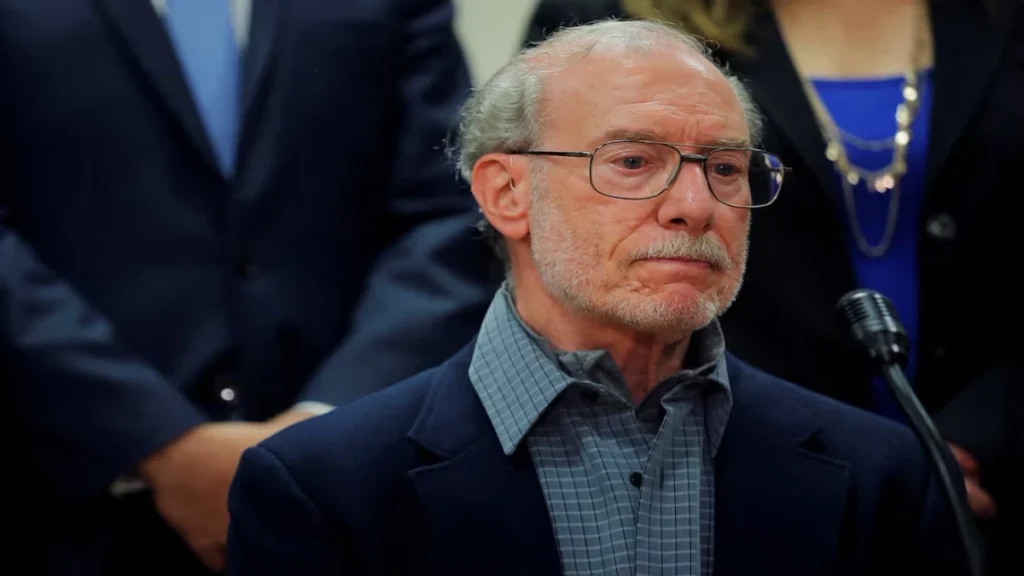
After the Supreme Court intervened, Stanley gave a rare interview to the New York Times, expressing profound relief that it was over. He emphasized, “I hope this will never, ever, come up again.”
For more true crime stories involving murders, check out our articles on Derrick Robie and Janet Chandler.