

July 16, 2011, was an unremarkable morning in St. Lucie, Florida. 54-year-old Blake Hadley and his wife, Mary Jo Hadley, 47, had a mundane Saturday ahead, with typical errands and household chores.
They were also planning to check their 17-year-old son, Tyler Hadley, into an inpatient mental health treatment program. Over the last few years, their youngest son’s behavior had deteriorated, punctuated with run-ins with the law and issues at school. His parents were also running out of options before he turned 18.
Earlier that week, Tyler asked to host a party at the house that weekend, and they explicitly said no. Unbeknownst to them, though, Tyler went ahead with the plans and had something sinister in mind for his parents.
At 11.25, he started messaging friends on Facebook, saying he wanted to throw a party at his house. Rolling Stone reported his online post saying, “party at my crib tonight…maybe.” When his friends asked if his parents were at home, he texted back, “nope… well, they’re leaving soon.”
He did not have money for the party, though. So Tyler stole his parents’ credit cards and went to the ATM to withdraw money. The camera there recorded him making the withdrawal. He used it to buy alcohol and other items for the party.
When he got back, he confiscated his parents’ phones and locked the family Labrador in a closet. He did this so the dog could not defend his parents. He took three ecstasy pills to numb himself and retrieved a claw hammer from the family garage.
That evening, towards 5 pm, Tyler sneaked into the family room and crept up behind his mother before viciously attacking her with the hammer. It didn’t take long to kill her.
Drawn out by the screams for help, Blake stood in shock in the hallway as he towered over his mother’s body. He screamed, asking what Tyler was doing. According to The Independent, he replied, “Why the f— not?” and turned the hammer on his father, killing him in the hallway.
The attacks lasted less than 10 minutes, and both parents were dead. Tyler then moved them into the master bedroom and covered them with books, sheets, and towels. It took him three hours to clean up the blood and tissue, longer than he expected.
Then Tyler changed his clothes, and The Times reported his Facebook post, saying, “Party at my house hmu.” When a friend asked about his parents, who had been especially strict with him recently, he said they would not be coming back.
At 10.30 pm, guests began arriving at the residence, and Tyler informed them that they were away on vacation. By 11.30 pm, about 40 to 60 teens were in the house. Witnesses later noted that Tyler appeared calm throughout. He did, however, maintain that all guests were off limits in the master bedroom.
The neighbors were not amused with the party, though, and their noise complaints eventually brought the police to Tyler’s doorstep. He answered and agreed to lower the volume, at which point, the officers left.
When the party ended, Tyler spoke to his 17-year-old best friend, Michael Mandell, and confessed to the murders. He also mentioned taking ecstasy earlier, so he could go through with it.
Michael initially brushed it off, but Tyler showed him the evidence of what he had done in the master bedroom. This immediately put Michael off, and he left the house. At 4.20 am, he contacted a crime hotline and reported what he had seen.
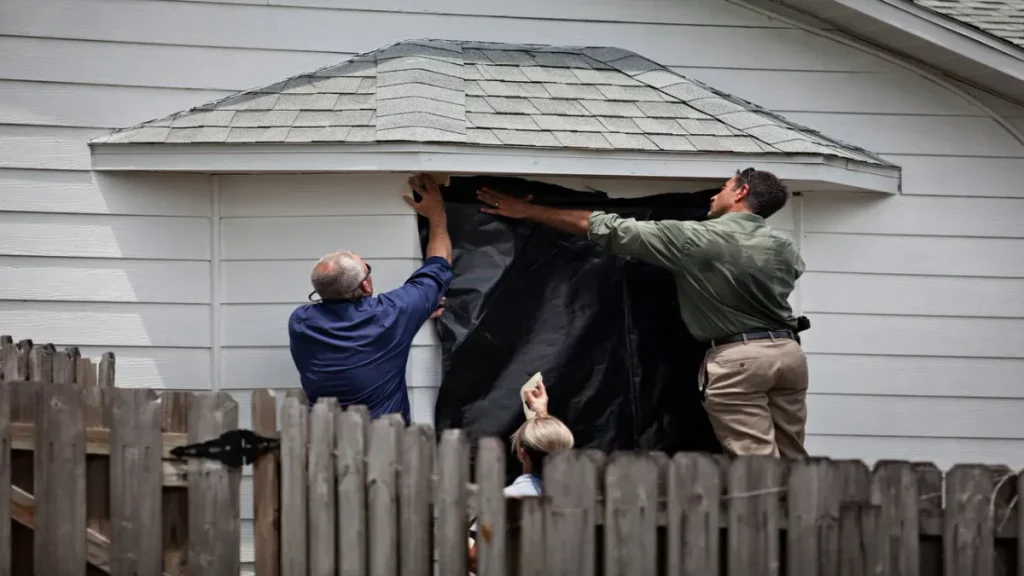
Police returned to the house and conducted a welfare check. It was then that they discovered the bodies of Tyler’s parents in the master bedroom. Police took Tyler into custody shortly after.
Tyler Hadley, the Troubled Teen
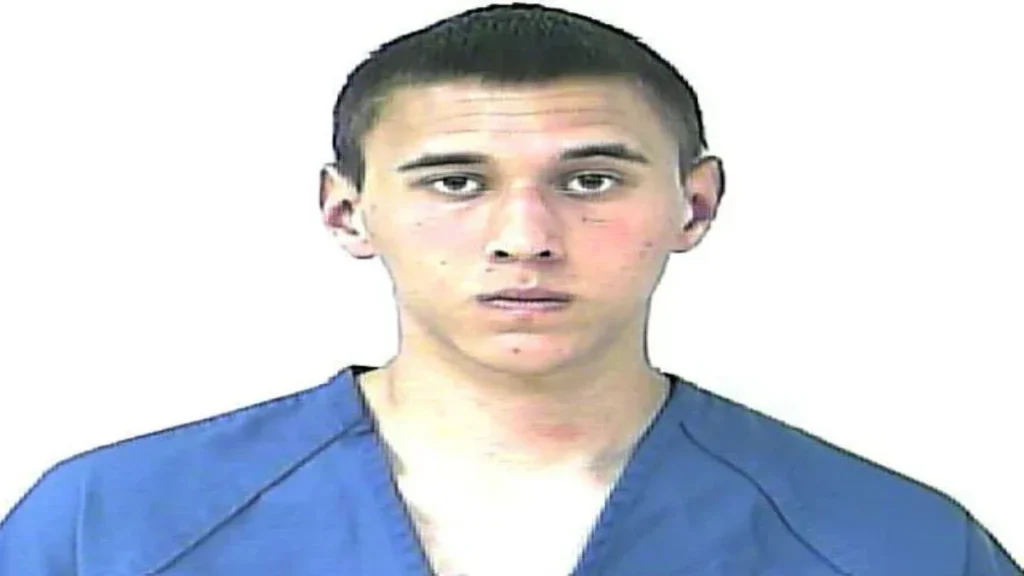
Tyler Joseph Hadley was born on 16 December 1993. He was born prematurely, weighing just 3 pounds, 10 ounces, and had to spend his first month in the NICU. His family recalled that, growing up, he was an exceptionally quiet boy who kept to himself.
He also suffered from anxiety, low self-esteem, and depression. His maternal grandmother said Tyler felt like he was ‘a step below everyone else’. Apparently, he would eagerly take up hobbies or sports interests and quit almost immediately because he did not feel good enough.
He had an elder brother, Ryan, who was six years older, and the two shared a close relationship as children.
By the time Tyler was 10 years old, however, the doctors had already put him on a cocktail of different pharmaceuticals. These were to treat depression, acne, and thyroid issues.
In middle school, Tyler started acting out aggressively in the neighborhood. He admitted to psychologists that he regularly broke windows and destroyed things. He had also developed a fascination with pyromania.
Tyler first began drinking at just 12 years old, initiating a trajectory toward substance abuse. By the age of 15, Michael noticed a significant shift in Tyler’s personality.
He was smoking marijuana heavily and actively looking for harder substances. His school attendance also plummeted as he started skipping classes to seek drugs. At school, Tyler became nonverbal and detached. The teachers noted he was becoming more prone to bizarre outbursts in class.
These behavioral issues resulted in consequences outside class, as he once hit and injured a child while driving his father’s car in June 2010. This led to a $15,000 pending lawsuit.
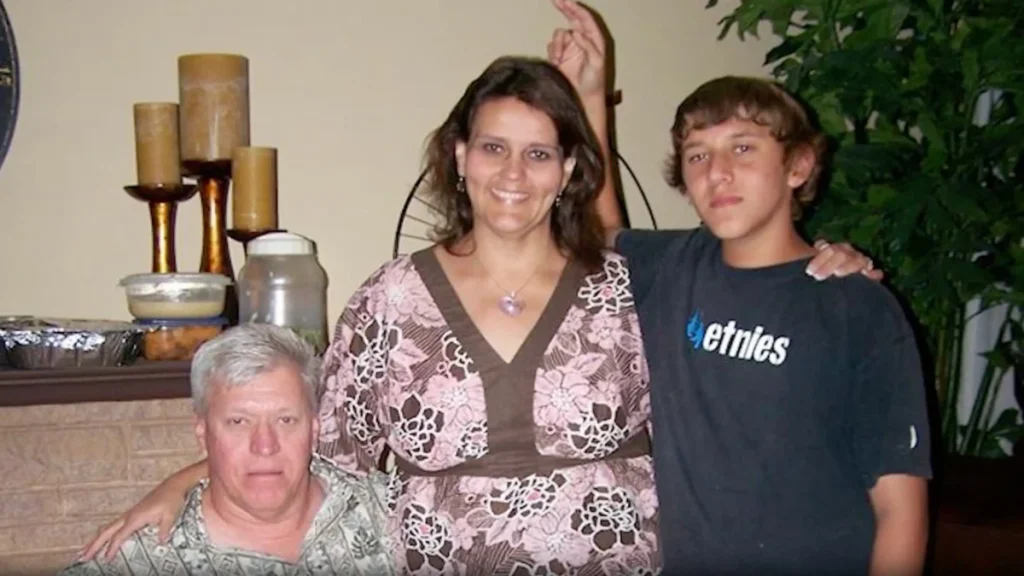
In April, weeks before the party, Tyler got into a fight and was arrested on charges of aggravated battery. Since he already had a juvenile record and was previously convicted of battery, he was sentenced to a week in St. Lucie County jail.
The penalty was followed by weeks of house arrest. On one Friday night, a month before the murders, Tyler came home completely drunk. His mother admitted him to New Horizons mental health clinic. She also invoked the Florida Baker Act.
This law allows parents to commit their children for involuntary psychiatric treatment, but only if there is a significant chance that the individual will cause bodily harm to himself or other people.
Knowing he would soon become an adult, his parents were desperate to get him help, but Tyler refused to participate in these programs.
Premeditated Murder

The case for first-degree murder was not solely built on what happened on July 16th. It was set up on what happened in the weeks before the killings.
Investigators determined that two weeks before the murders, Tyler told his friend Markey Phillips, while they were watching TV, that he wanted to kill his parents and throw a party afterward.
Tyler said no one had ever killed their parents and then held a party while their bodies were still in the house. Markey thought that Tyler was joking.
On July 2nd, Tyler messaged his friend, Mercedes Marko, on Facebook after his mother confiscated his phone. Rolling Stone reported the interactions on the platform as follows,
Tyler Hadley: “lol yup she’s a c**t fa sho i might kill her”
Mercedes Maxine Marko: “Omg no jail!! Or I mean prison! Lol”
Tyler Hadley: “oh well <3”
These exchanges removed all the ambiguity related to premeditation on the morning of the murders.
An inmate later told the police that Tyler had confessed he was never beaten or molested by his parents. Ryan called their parents ‘awesome’ and described his brother as a pathological liar.
Apparently, Tyler had claimed that Blake was not his biological father and punched him in the face. Family members who knew otherwise contradicted this.
The Trial and Plea
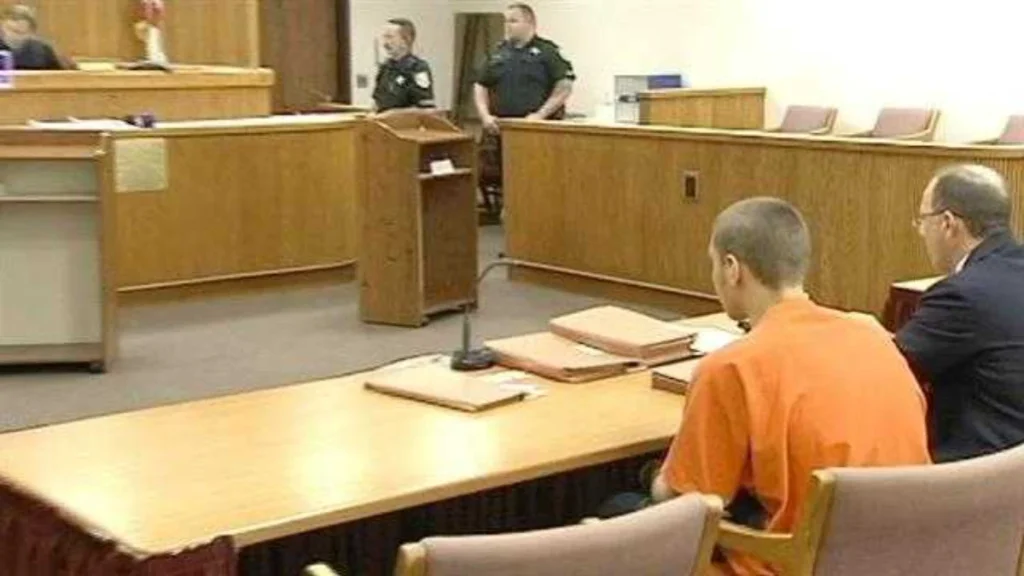
The case took three years to reach a resolution. The defense team initially announced they were seeking a plea of insanity. It would require psychiatric evaluations to determine if Tyler was able to distinguish between right and wrong at the time he killed his parents.
Competency evaluations, discovery disputes, and other motions challenging evidence delayed these proceedings. In February 2014, Tyler changed the plea from not guilty due to insanity to no contest on the two charges of first-degree murder.
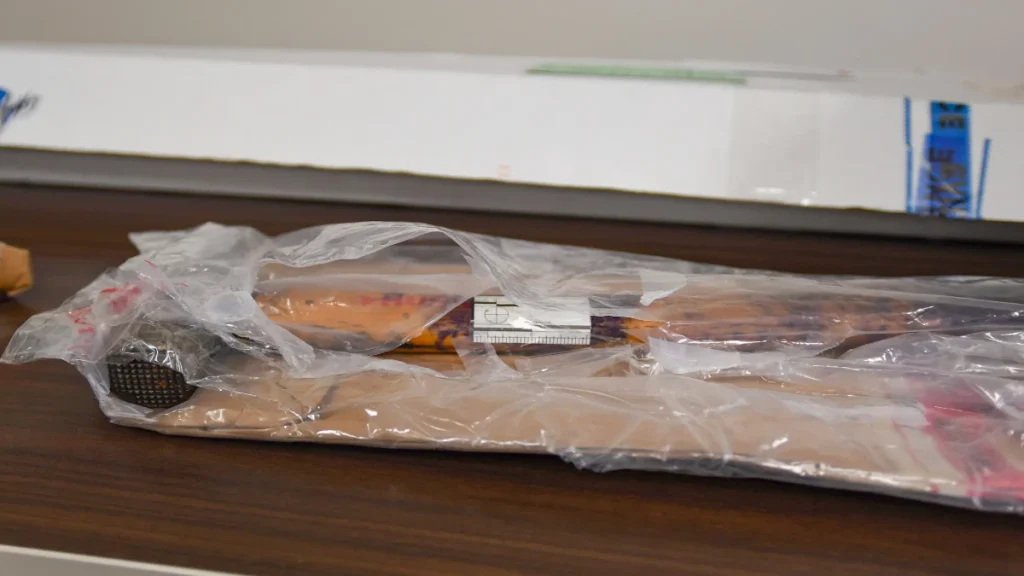
According to CBS News, Tyler’s defense lawyer, Diamond Litty, told the court, “Mr. Hadley is here before the court to take responsibility for his actions.”
Sentencing was delayed for two weeks. The court considered Tyler’s mental state and his age at the time of the crimes. Expert witnesses claimed that, though Tyler was 17, he was essentially thinking like a 12-year-old.
Mental health specialist Dr. Kathleen Heide told Mental Health Network of Care that Tyler had no plans for the future beyond the night that he killed his parents. “His intentions were to kill his parents and then kill himself. He had no plans for how he was going to survive past that.”
While he was in custody, Tyler became somewhat of a celebrity. He signed autographs for fellow inmates and called himself ‘Hammer Boy’. He also told another inmate that he had talked with the devil.
This was countered by testimonies from the family. As covered by WPTV News, Ryan took the stand for an hour; he asked the judge to impose the maximum penalty of life in prison without parole for the murder of their parents.
The larger Hadley family aligned with the prosecutors and stated that the family had already been given a life sentence of grief.
At the hearing’s dramatic conclusion, Tyler stood up, approached the bench, and apologized to his brother and grandparents. He said he did not expect their forgiveness.
On March 20, 2014, Judge Robert R. Makemson rejected the expert witnesses’ framing. He sentenced Tyler to two consecutive life terms, calling the crime heinous and premeditated.
Treasure Coast News reported his statement, which read, “These attacks on the defendant’s parents were very painful, both physically and emotionally. And I say emotionally because they realized that their own son was killing them.”
Makemson also accused Tyler of manipulating mental health experts, lying about hearing voices.
Changes in the Legal Landscape Overturn the Sentence
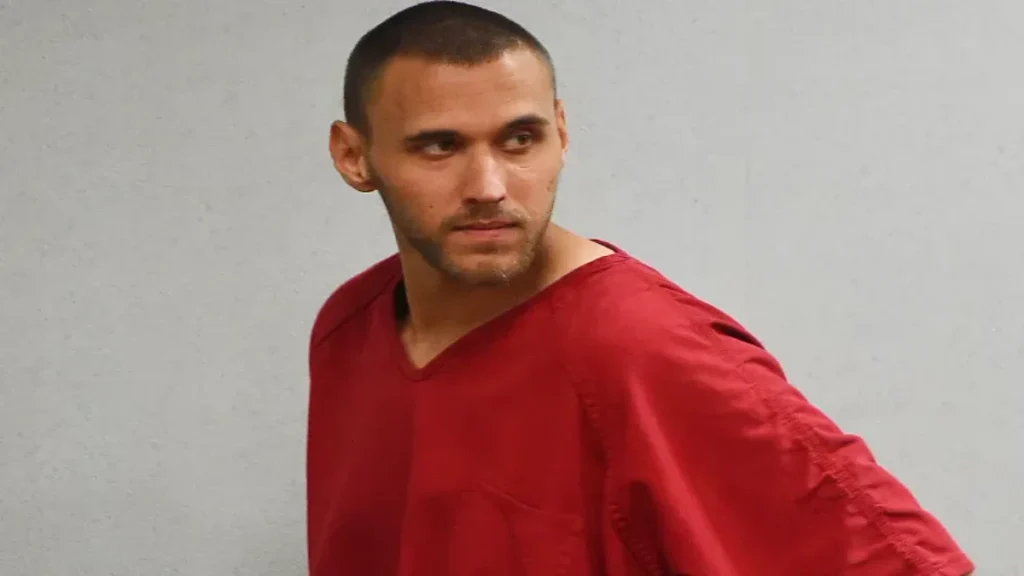
The original sentence was handed to Tyler just as national juvenile justice laws were shifting. The Supreme Court then ruled that mandatory life without parole sentences given to juveniles were against the Eighth Amendment.
The lower court did not consider its ruling in Miller v. Alabama at the 2014 sentencing. Based on these precedents, the 4th District Court of Appeal in West Palm Beach overturned the life sentences.
Tyler’s conviction for murder was untouched, but they required a re-sentencing hearing. Four years later, in 2018, when Tyler was 24, the court returned him to the county courtroom for a hearing.
This time, Circuit Court Judge Gary Sweet heard the case. The defense team seized the opportunity to emphasize that Tyler had made great progress during his time in prison.
They claimed the drug use in his teens may have altered his mental state, leading to the murders. They argued he deserved a second chance and pushed for a sentence reduction to 40 years or less.
Tyler’s family and the prosecution countered this, urging the judge not to release him. Sweet reviewed the case and rejected the defendant’s arguments.
He said the murders were calculated and heinous, and the time was too short to deduce any improvement in Tyler’s state. He was legally entitled, though, to a judicial review hearing after 25 years.
At this time, a judge will review his record to see if he is fit for eventual release. Tyler is currently serving time at the Liberty Correctional Institution.
The Aftermath of the Killings
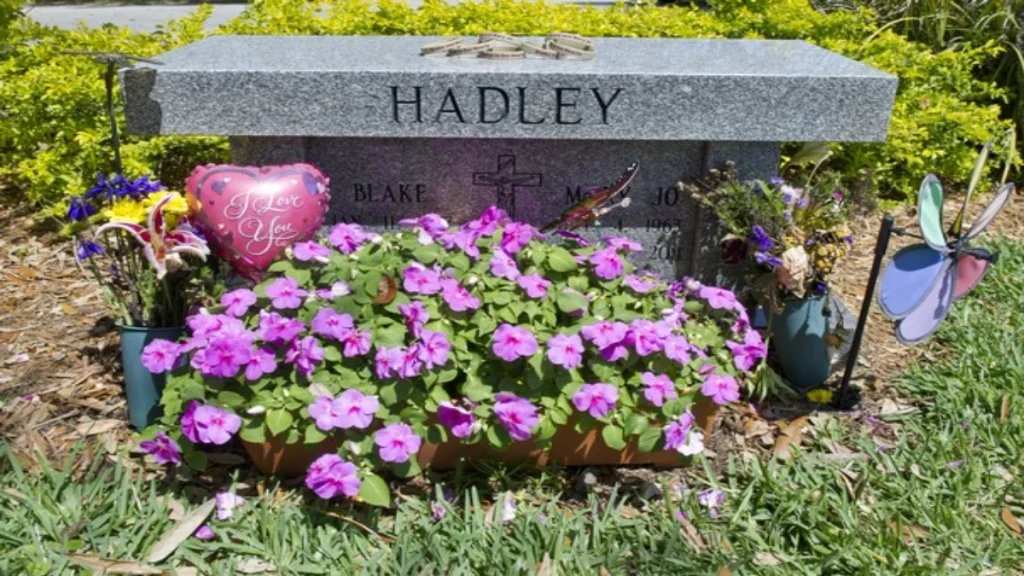
The funeral for Blake and Mary Jo Hadley was attended by almost a thousand people. Mary was a committed Catholic and a lector at St. Lucie Catholic Church.
On the morning her body was found at the house, she was scheduled to read at morning Mass. Ryan, who had only left for college six weeks before the murder, returned to bury his parents.
Ryan told a well-wisher at the funeral wake that he was planning to visit Tyler that night. This was the first time they had seen each other since the killings. His big brother maintained that his parents wanted him to do it.
Michael Mandell, the friend who called the hotline, said publicly that the night destroyed his life. Everyone from then on knew him as the best friend of a murderer.
In 2015, they demolished the house at 371 NE Granduer Avenue to erase the physical reminder of the crime. It also aimed to prevent potential true-crime tourism and allow the family to heal.
Ryan Hadley relocated from St. Lucie to the Great Smoky Mountains. He transitioned to a career in the financial services industry and lives quietly with his wife and their dog.
Tyler Hadley’s story represents the unimaginable in a family setup. Given the wrong set of circumstances and influences, teens can inflict horrible damage on their lives, as was also the case in the Reena Virk murder.
These examples represent the effects of swarm mentality, substance abuse coupled with mental issues at that age.
For more stories on unsolved disappearances, explore our articles on Darla Harper and Dee Anne Warner.