

On September 5, 2012, the Al-Hilli family was nearing the end of a camping holiday that had taken them from England to the French countryside on a familiar route.
The head of the family, Saad al-Hilli, a 50-year-old mechanical engineer from Claygate, Surrey, was a keen cyclist who loved the outdoors. He shared this passion with his wife, Iqbal’s mother-in-law, Suhaila al-Allaf, and two young daughters, Zainab and Zeena.
The family also often chose France as their destination of choice because they could pack their lives into their BMW and caravan, catch a ferry across the Channel, and stop along the way to camp as they pleased.
That day, it was seven-year-old Zainab’s turn to pick the activity of the day, and she chose to explore a popular hiking trail rather than go shopping. Just after 1 pm, the five of them left the campsite in their BMW estate, navigating the hills above Lake Annecy.
Their destination was the Route Forestière Domaniale de la Combe d’Ire. It was a forest track near the village of Chevaline, popular with hikers and cyclists for its views and ambiance.
A 45-year-old French cyclist named Sylvain Mollier was also headed out that afternoon, grinding his way up the hills.
Around the same time, witnesses lower down the trail noticed a motorcyclist wearing a unique helmet, going up the trail. At the end of the paved road sat a remote crescent-shaped dirt turnaround layout used by logging trucks.
At the clearing, Saad parked the vehicle before he and Zainab got out to stretch their legs.
Suddenly, a man emerged from the tree line, opening fire at the family. In a horrible stroke of bad luck, this was the moment Sylvain Mollier cycled into the clearing and into the attack.
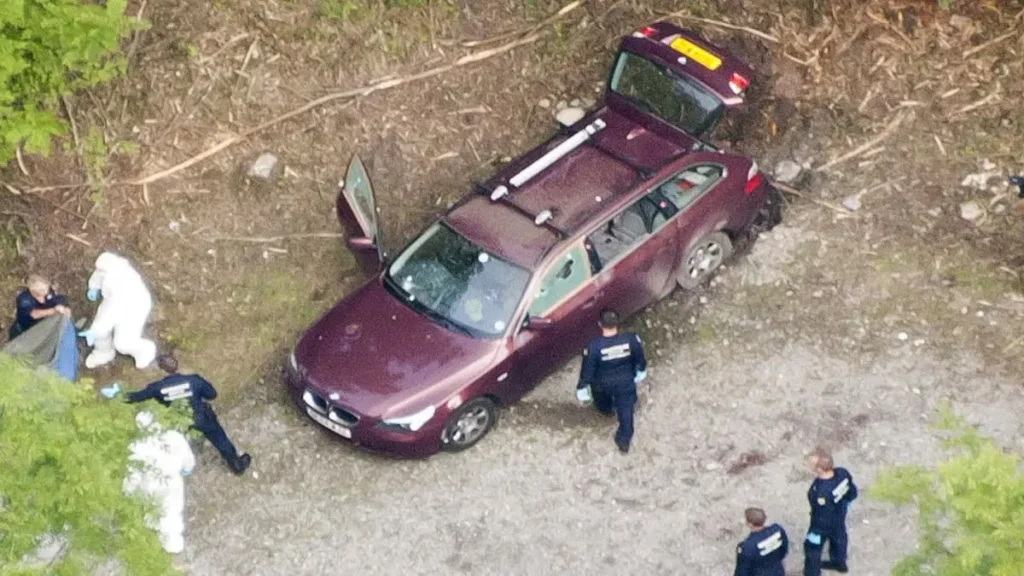
The initial bullets from the semi-automatic pistol knocked him off his bicycle. The killer then turned his attention to Saad and Zainab, who were outside the car. Zainab later recalled her parents screaming for her to get back inside as her father bolted back into the driver’s seat.
In his desperation, Saad reversed so forcefully that the car’s wheels became deeply trapped on the dirt bank at the edge of the lay-by.
The gunman calmly walked to the side of the immobilized BMW and shot Saad through the window. He then moved around the vehicle to shoot Iqbal and her mother, Suhaila, killing them with two precise, tightly grouped shots through their foreheads.
Left stranded on the road, Zainab tried to flee but the killer shot her in the shoulder. By then he had fired 25 rounds, reloaded twice and was out of bullets, so he ran her down and bludgeoned Zainab with the butt of the Luger.
In the chaos, he failed to notice the other girl. Terrified by the gunfire, Zeena dove into the rear footwell of the vehicle and hid silently under the skirts and legs of her deceased mother and grandmother.
Thinking, she was dead, he exited the scene and vanishing just as mysteriously as he appeared. His egress remained one of the most frustrating elements of the investigation because it was not clear if he escaped via motorcycle or on foot.
Two forest rangers had stopped a motorcyclist on the same road minutes before the killings. They ordered him to turn around, and the rider complied, riding back down the road, passing by the Place du Martinet where the massacre happened. He was not seen again.
A Bicycle Lying on its Side
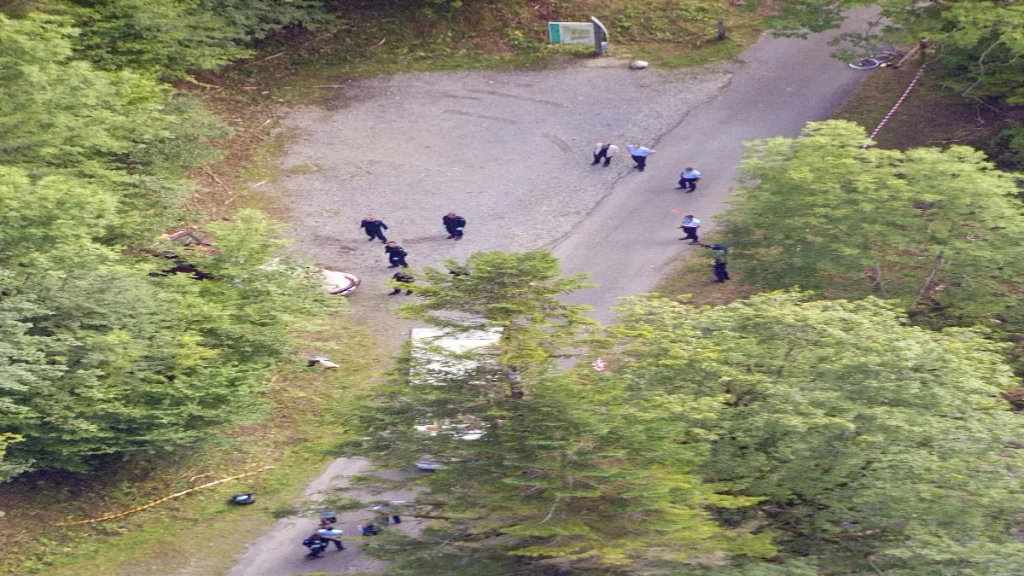
It was only a few minutes before the first scene witnesses arrived. A former RAF pilot named Brett Martin, who was living in France, set out on a bicycle ride from his home in the mountains that afternoon. He was cycling near Lake Annecy when he came across the vehicle and the bodies.
Martin told the Huffington Post the moment did not immediately register as violence. “As I approached the scene, the first thing I saw was a bike on its side. I had seen the cyclist ahead of me much earlier, so I thought he was just having a rest.”
Martin moved Zainab out of the path of the still-running BMW, whose rear wheels were spinning in the loose gravel. He then checked on Mollier and realized there was nothing much to be done. “There was a lot of blood and heads with bullet holes in them.”
Another group of cyclists arrived on the scene shortly after. One of them identified as Phillipe D, described finding the three adults already dead to France24. “I approached the car, but there was clearly no sign of life. I did not touch anything, and I realised there was nothing we could do.”
He then came across seven-year-old Zainab lying near the car. She had a bullet wound in the shoulder and head injuries. “She would not respond to us,” Philippe D said. “I tapped her on the shoulder and said a few words in English, but she did not react. I presumed she was dead.”
They did not immediately discover Zeena until forensic investigators reached the scene and searched the vehicle. Prosecutor Eric Maillaud explained afterward how she went unseen, saying she was totally invisible and silent in her hiding place.
The Family in the BMW
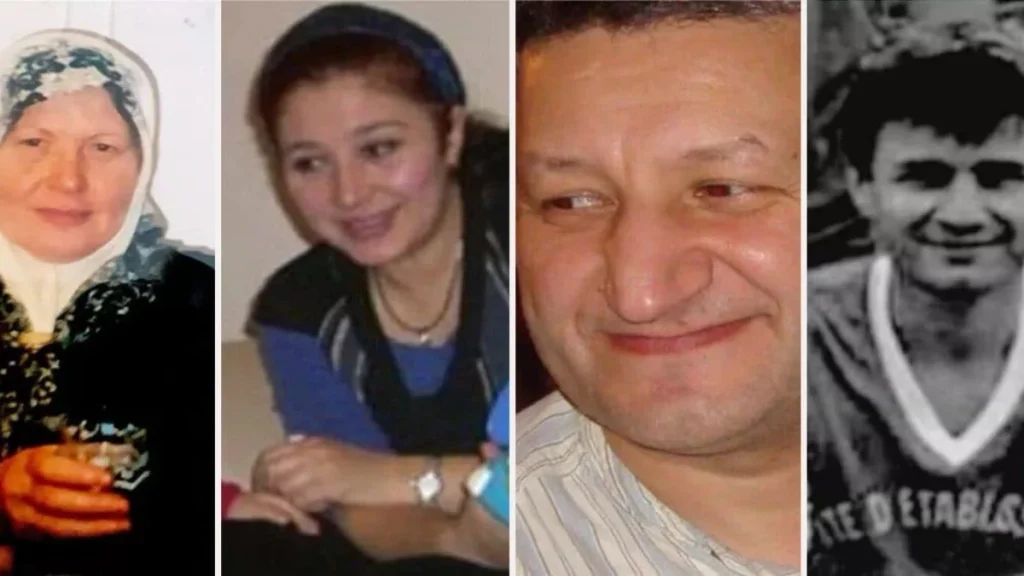
Saad al-Hilli was born in Baghdad in 1963 into a well-to-do family from the Karrada district. His father, Kadhim, owned several businesses in Iraq. As their influence grew, they fell out of favor with Saddam Hussein’s Ba’ath regime and fled the country in 1971.
Saad grew up in the United Kingdom and began working as an aerospace and satellite engineer. By 2012, they had built a comfortable life in Claygate with his wife and daughters.
Saad’s wife, Iqbal, had trained as a dentist and spent time in the United States before meeting him. It was a chapter of her life she had successfully kept secret for understandable reasons.
Iqbal once married an American man in 1999 to get a green card, divorcing him the following year without her family’s knowledge. She then relocated to Dubai and took a job working as a dental nurse.
There, she crossed paths with Saad Al-Hilli during his visit there in 2002, and the two began a relationship, which led to their marriage in 2003. The two welcomed their two daughters, Zainab in 2005 and Zeena in 2008.
In a strange coincidence, Iqbal’s former husband also died of a heart attack in Mississippi on the same day the Al-Hilli family was killed in France. Investigators determined there was no link between the two incidents.
Suhaila al-Allaf, Iqbal’s mother, was also close with the family and often travelled with them. This is probably why she ended up with them on the fateful day.
The Man on the Bicycle
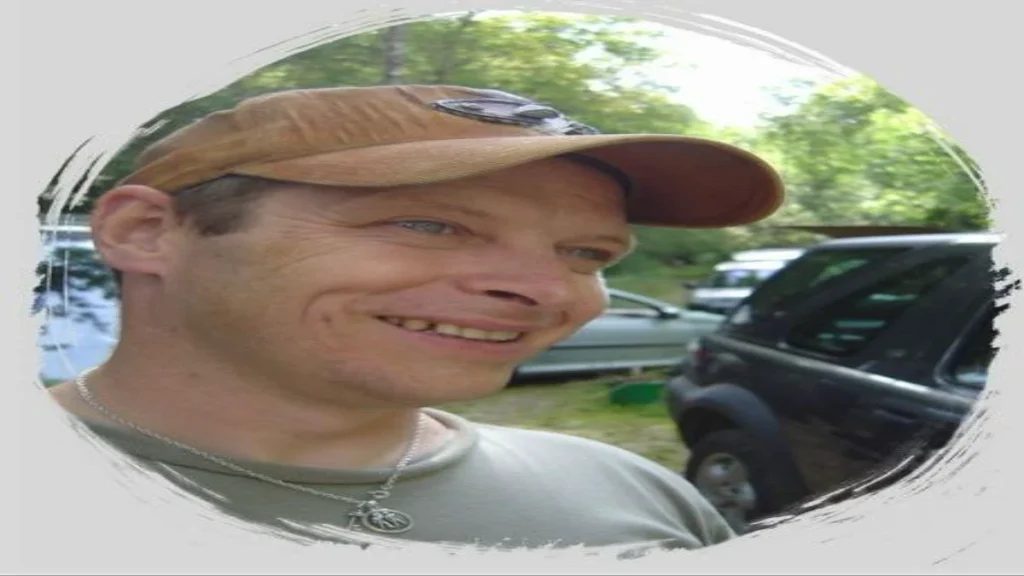
Sylvain Mollier has often been reduced to a footnote considering the media’s coverage of the family massacre. He worked as a welder at a subsidiary of the nuclear group, Areva.
Detectives went through Mollier’s work logs and professional relationships to see if he was selling nuclear secrets or caught in a black-market corporate dispute. This line of inquiry fell within a month.
According to the The Guardian, a law enforcement source stated, “He doesn’t appear to have been exposed to nuclear secrets.” This rules out the theory that he had been the actual target over classified work.
Mollier was a father of three and had been in a relationship with a woman named Claire Schutz, whose family owned a pharmacy business worth millions.
Forensic data on the scene did prove that Mollier was hit by the first bullets and was shot five times. It was only after he was neutralized that the shooter turned the weapon on the Al-Hilli family vehicle.
For several years, his family watched the case pursue theories almost entirely about the Al-Hilli family, waiting for answers for Mollier, who just seemed to be at the wrong place at the wrong time.
A Brother Under Suspicion
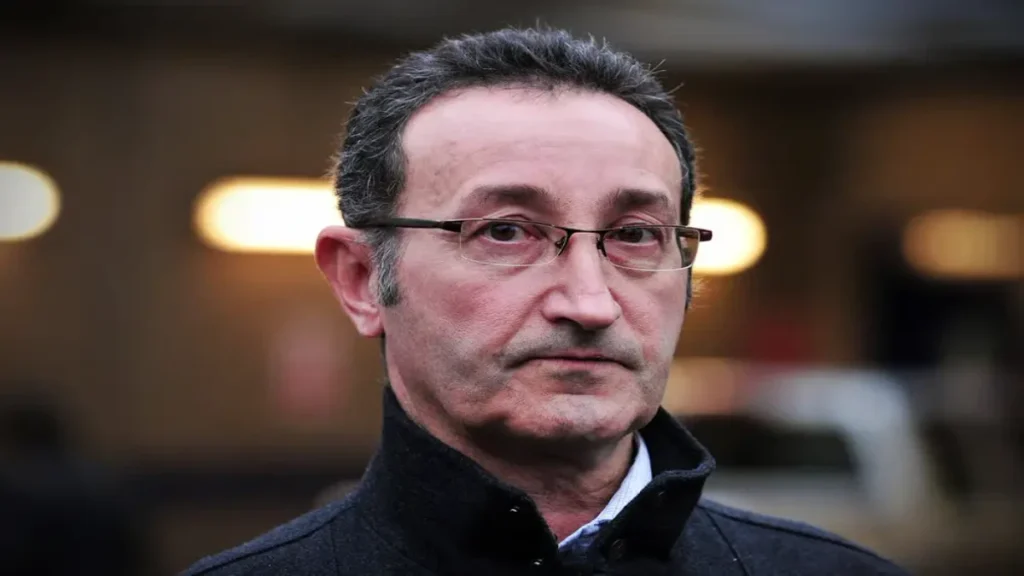
Hours after the bodies were identified, Saad’s brother Zaid al-Hilli came forward to Surrey police and confirmed his identity and clarified his relationship with his brother. At this stage, he was treated only as a witness.
Within weeks of the initial investigation, detectives discovered that Saad al-Hilli had been so paranoid concerning his brother that he changed the locks to his family home in Claygate and carried a taser for personal protection.
French police sifted through the cache of laptops and hard drives found in the BMW and uncovered audio recordings. When these were translated, they discovered the brothers were locked in an inheritance conflict concerning a house in Claygate that their mother had left to them.
The rift between the two widened after the passing of their father in 2011, as he left a multimillion-pound estate.
Investigators then shifted focus to a Swiss bank account in Geneva that held roughly 800,000 euros left by their late father. French prosecutors then uncovered evidence that Zaid had allegedly attempted to withdraw money from this account using an expired card.
Swiss and British forensic teams also analyzed the inheritance documentation and determined that Zaid had attempted to doctor the family legal papers to try and alter their father’s will.
On June 24, 2013, detectives executed a raid on Zaid’s flat in Chessington, Surrey, and he was arrested on suspicion of conspiracy to commit murder. During the detention, British judges and French magistrates grilled Zaid about his phone logs.
Investigators also tracked the incoming and outgoing calls from his home during the weeks leading up to the Al-Hilli trip in France, searching for links to burner phones. The timelines were cross-referenced comprehensively.
At the time of the killings, he was in England, meaning police were looking to see if he had hired a hitman. Zaid denied the allegations and even offered to take a lie detector test to prove his innocence.
The evidence of estate tampering is suspicious considering similar cases like Dee Warner where the husband was found to be behind the murder for financial reasons. However, the police did not find evidence to prove a direct link.
After several extensions of his bail, the audit hit a wall. There was no paper trail, wire transfers, or communication that linked Zaid to contract killers in France.
According to Channel 4, police issued a statement saying, “At this stage there is insufficient evidence to charge him with any criminal offence, and no further police action is being taken at this time.”
The Legionnaire and Who Took His Own Life
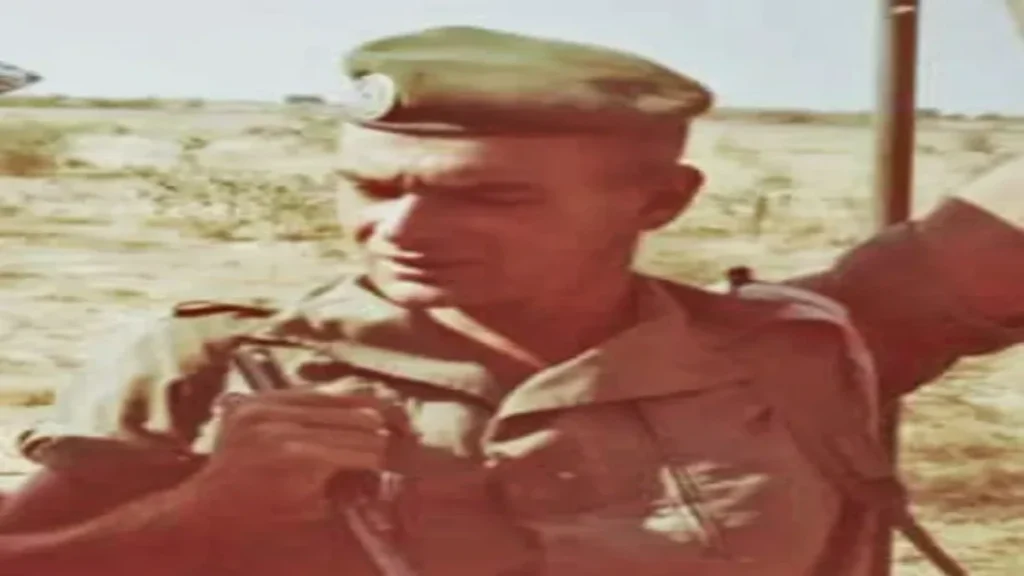
In 2014, a former French Foreign Legion soldier named Patrice Menegaldo died by suicide. He had been living in the nearby town of Ugine and had a 7 years-long affair with the French cyclist, Mollier’s sister.
Prosecutor Maillaud later called him the investigation’s strongest local lead, telling the Guardian, “The hypothesis at the top of the chain for investigators is a local killing. We have a real suspect. I am referring to the Legionnaire from Ugine. Here is a middle-aged man who kills himself and, to explain this, leaves a letter saying he couldn’t handle being considered a suspect.”
Police believed Menegaldo took his own life after realizing he was a suspect, though they stated he hadn’t been treated as a primary one when questioned months previously.
Years later, the attention shifted to Nordahl Lelandais, a former soldier who was already in custody over the disappearance of an eight-year-old girl, named Maëlys de Araujo. He was also questioned over the murder of a hitchhiking soldier in the same region.
Prosecutor Thierry Dran told the BBC News, “We are going to look at all the disturbing disappearances which have taken place in this region.” He was never charged in the Al-Hilli case, though.
The Futile Hunt for the Motorcyclist
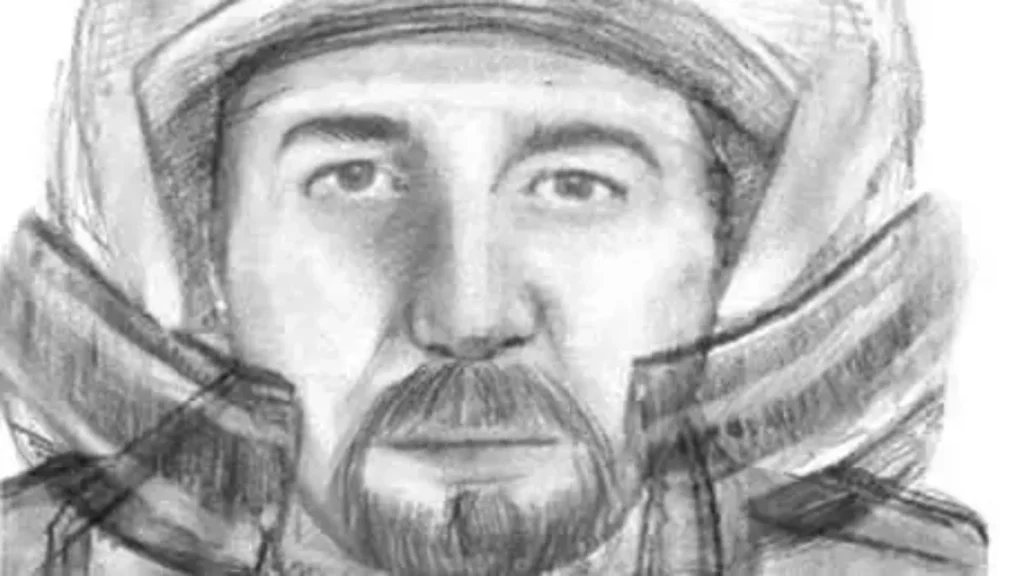
Because forest rangers reported stopping a bearded man with a goatee wearing a highly specific GPA ISR motorcycle helmet near the logging trail, police were convinced that he was either the killer or an eyewitness.
In 2013, the police released a composite sketch of a biker to the media, but it did not return sufficient hits. The next year, police arrested a local municipal policeman and weapons collector from the village of Lathuile who resembled the sketch, but he was cleared after his DNA failed to match what was at the crime scene.
After cross-referencing thousands of mobile phone records and motorcycle registration databases, detectives tracked down the motorcyclist. He turned out to be a local businessman from Lyon.
He explained to police that he had driven up the mountain path by accident to check out a site for his paragliding hobby. The motorcyclist also told police he rarely watched the news and completely missed the media frenzy.
Prosecutors subjected him to background checks and officially determined he was beyond any suspicion. Years later, in 2022, French gendarmes re-arrested and detained the same man due to minor inconsistencies in his story.
His attorney, Jean Christophe Basson-Larbi, condemned the arrest, telling UPI News, “I am pleased and relieved to announce that my client’s custody has come to an end. He lived almost 48 hours of hell; it will take time to recover.”
Handover to the Cold Case Unit
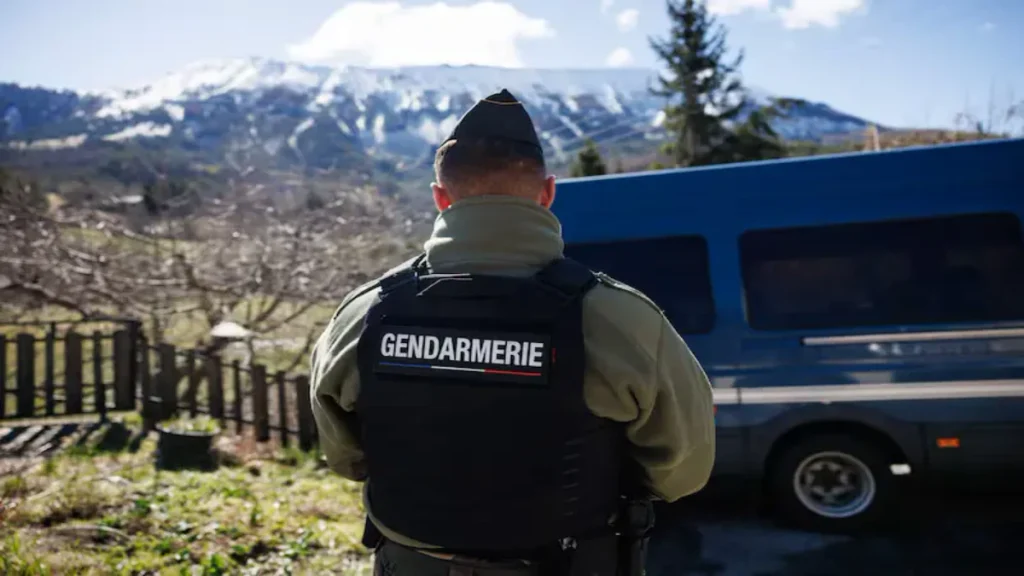
In September 2022, the file was handed to France’s cold case unit in Nanterre, bringing in renewed forensic firepower. A British forensic psychiatrist also described the shooter as male, in his 30s to 40s, single, and with a prior criminal record.
Three years later, the French Army firearms experts reached a different conclusion. They determined that the killer probably got specialized military training, which lines up with the tightly grouped headshots.
The killer’s skill and composure under stress were also a sign of previous combat training. The technique used, known as plunging fire, is not standard military instruction and was linked to special mission units and intelligence services.
Investigators considered the possibility the shooter could be a Swiss national in his 50s with advanced paramilitary training who experienced a psychological break. This theory would mean the victims were not targeted. They were jubst in the wrong place at the wrong time.
In May 2024, the cold case unit ordered new DNA testing on fragments left behind by the weapon. It was concluded that the gunman emptied two magazines before running out of bullets or jamming, and he turned to pistol-whipping Zainab.
For a brief period, investigators believed they had a breakthrough when a new DNA profile was isolated from the sports jersey of Sylvain Mollier. Unfortunately, deep-dive testing matched it to a forensic medical examiner who worked on the original 2012 crime scene.
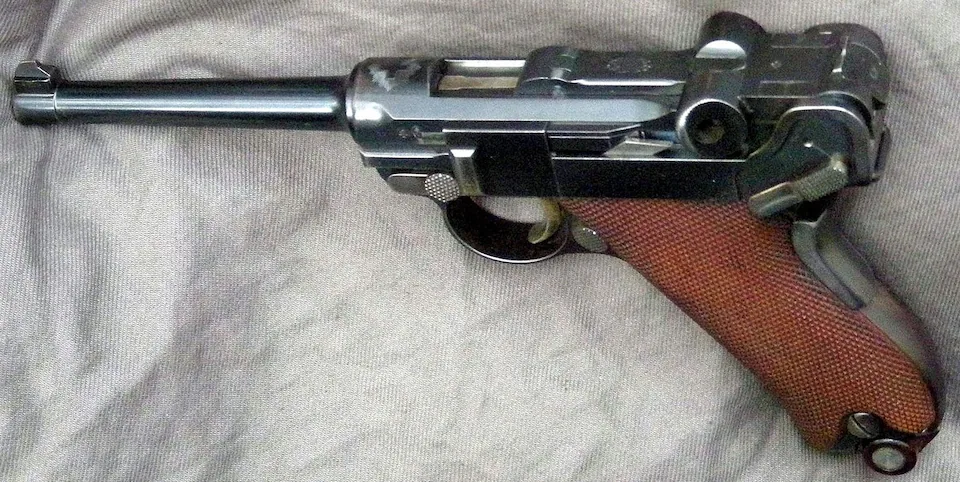
The latest breakthrough happened in August 2026 when British tourists swimming in Lake Annecy pulled a rusty semi-automatic pistol from five feet of water. It resembled the Swiss military firearm believed to be the murder weapon.
However, chamber testing done by the Chambery Gendarmes showed the weapon from the lake was a 9mm Luger P08. The actual weapon used to kill the family, though, was a 7.65mm Luger P06/29, so this theory was ruled out.
The cold case unit continues to investigate the case and is assessing clues every day, with hopes of getting the killer. Zainab, who is now an adult, has continued giving investigators fragments of memories over the years as well.
Neither French nor British investigators have formally closed the file, and the reconstruction, DNA testing, and other leads suggest they have not stopped trying.
For more true crime stories, check out our articles on Maddie Clifton and Amore Wiggins.