
Content warning: child abduction and sexual abuse.
Steven Stayner brought a five-year-old boy to the police station in Ukiah, California, and told him to go inside and give his name. He intended to leave the boy with the police and walk away. But the child became frightened and ran back out crying.
It was the night of March 1, 1980. Steven was fourteen, and he had spent more than seven years with the man who abducted them both. He had brought Timothy White, known as Timmy, out of their captor’s cabin by walking and hitchhiking. Getting Timmy home was the immediate task. His own homecoming was much less certain.
An officer questioned the boys and took them into the station. Steven later testified that he intended to continue to Merced, the town where he lived before he disappeared. Asked whether he knew where to go once he reached it, he answered, “No.”
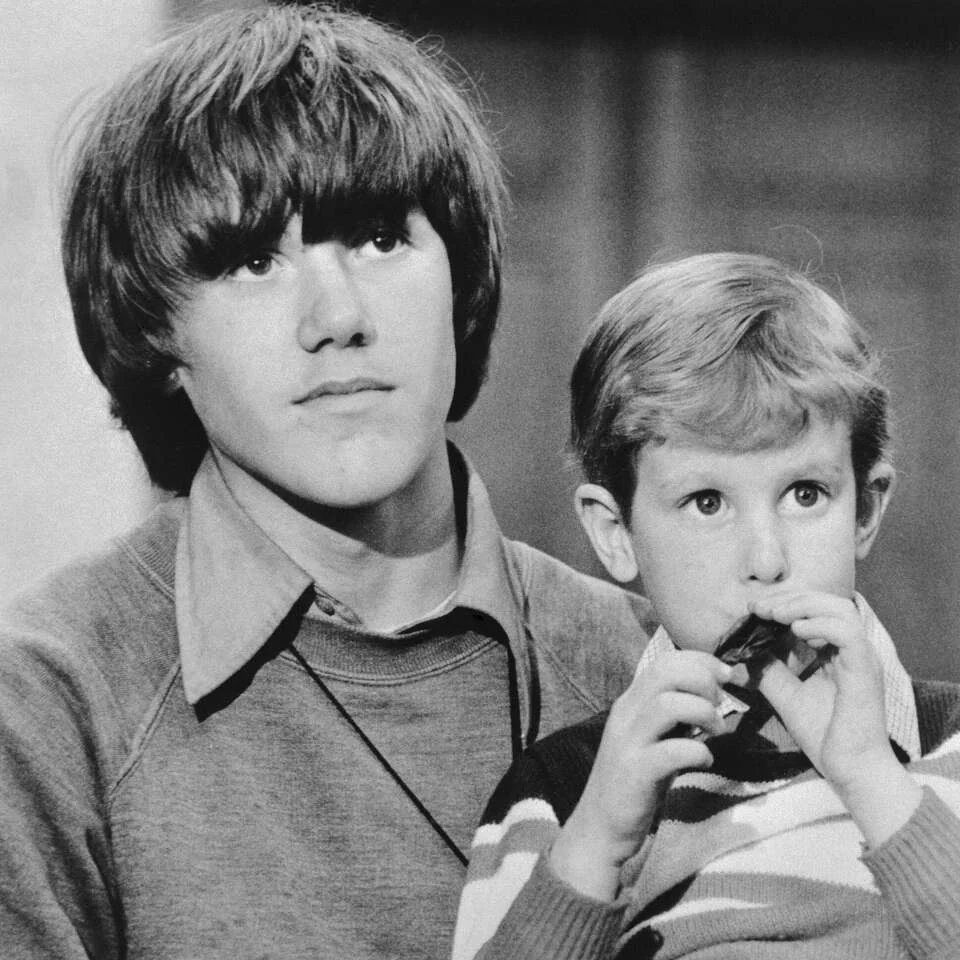
He was seven when a man approached him on his way home from school on December 4, 1972. The man, Ervin Murphy, offered religious pamphlets and asked about a donation to a church. Steven thought his parents might contribute. Murphy offered him a ride home.
The driver was Murphy’s friend and fellow Yosemite lodge employee, Kenneth Parnell. They drove past Steven’s street. When he pointed it out, they said they would telephone his parents to ask if he could stay overnight. Steven suggested going to his house to ask. They kept driving.
At a rented cabin in Cathey’s Valley, toys were already waiting for a child. Parnell soon told Steven that a court had given him custody. He also said his parents no longer wanted him and couldn’t afford to keep him. The man taking him away presented himself as the person who would look after him.
Back in Merced, his parents, Delbert and Kay Stayner, searched for him. They sent notices to elementary schools throughout California and appealed to television stations. They kept the family home, hoping Steven might find his way back.
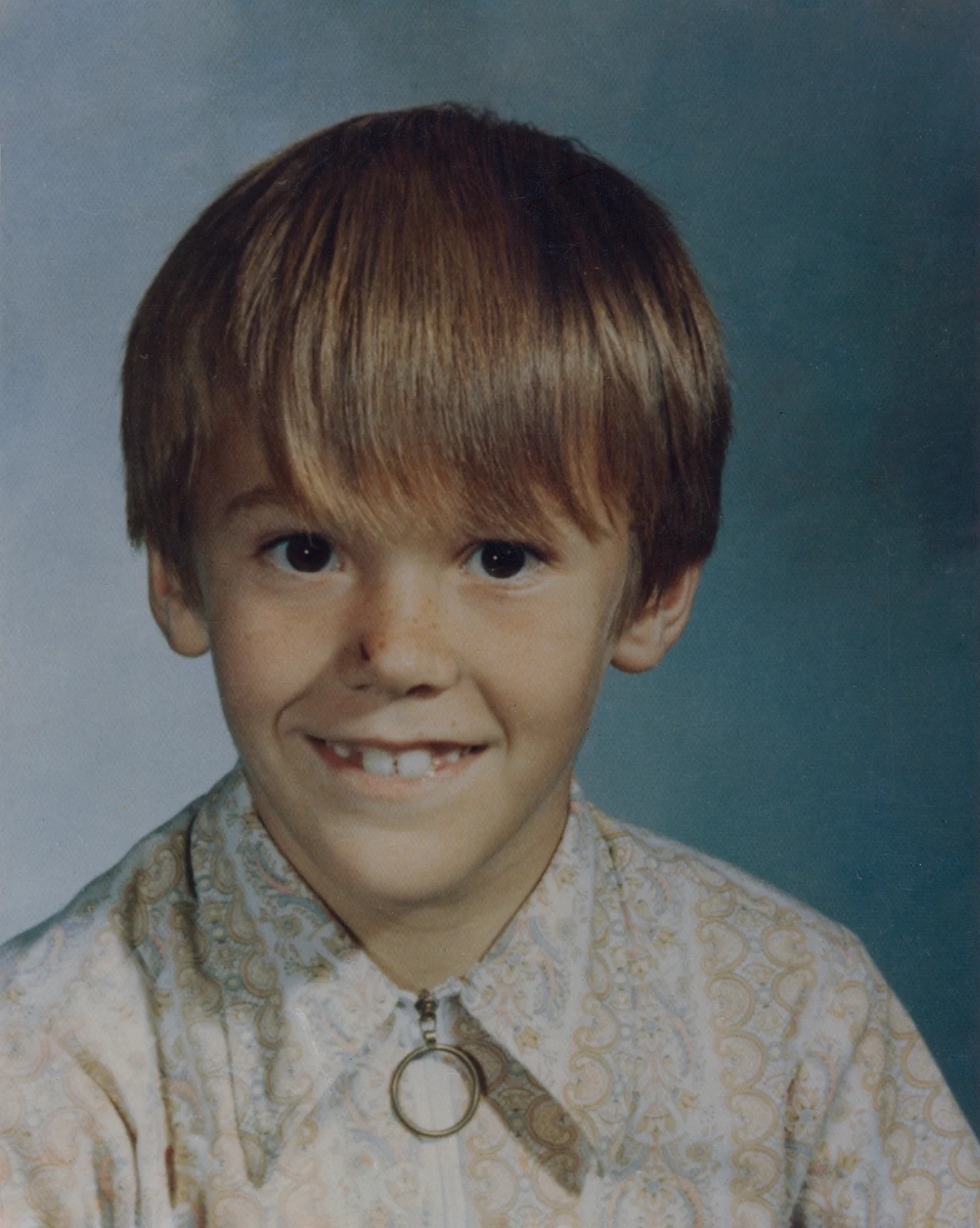
Parnell changed Steven’s hair color and gave him sleeping pills so he would sleep while Parnell worked. He moved him around Northern California and enrolled him in school as Dennis Parnell. He told the boy to conceal his real identity. Steven learned to call his abductor Dad.
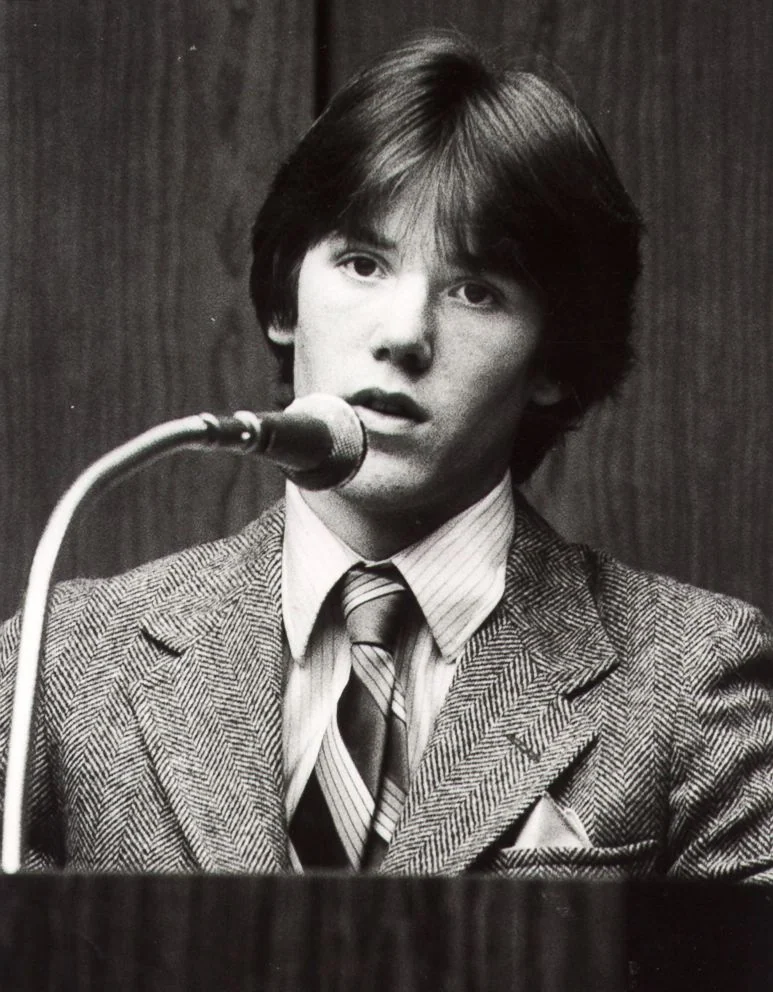
Parnell repeatedly sexually assaulted him. At sixteen, testifying in court, Steven described abuse occurring roughly every two weeks over the years he was held. When a prosecutor asked whether he knew why he hadn’t left, Steven said he didn’t.
He had tried walking away while they lived in Santa Rosa. He became frightened and returned.
As he grew older, he went to school, stayed with friends and traveled with a football team. He could hitchhike and make telephone calls. In the criminal proceedings, Parnell’s lawyers questioned whether a boy who moved about so much could still be considered a captive.
Steven did not know how to get home, and he feared that an adult approached for help would notify the man everyone understood to be his father. In a 1989 interview with People, he asked, “Where would I have run to? How could I have found my way home? I was a child.”
A psychologist who testified at Parnell’s trial described a pattern of threats and sexual abuse interspersed with pleasant experiences and unusual freedom. The false custody story reinforced Parnell’s authority.
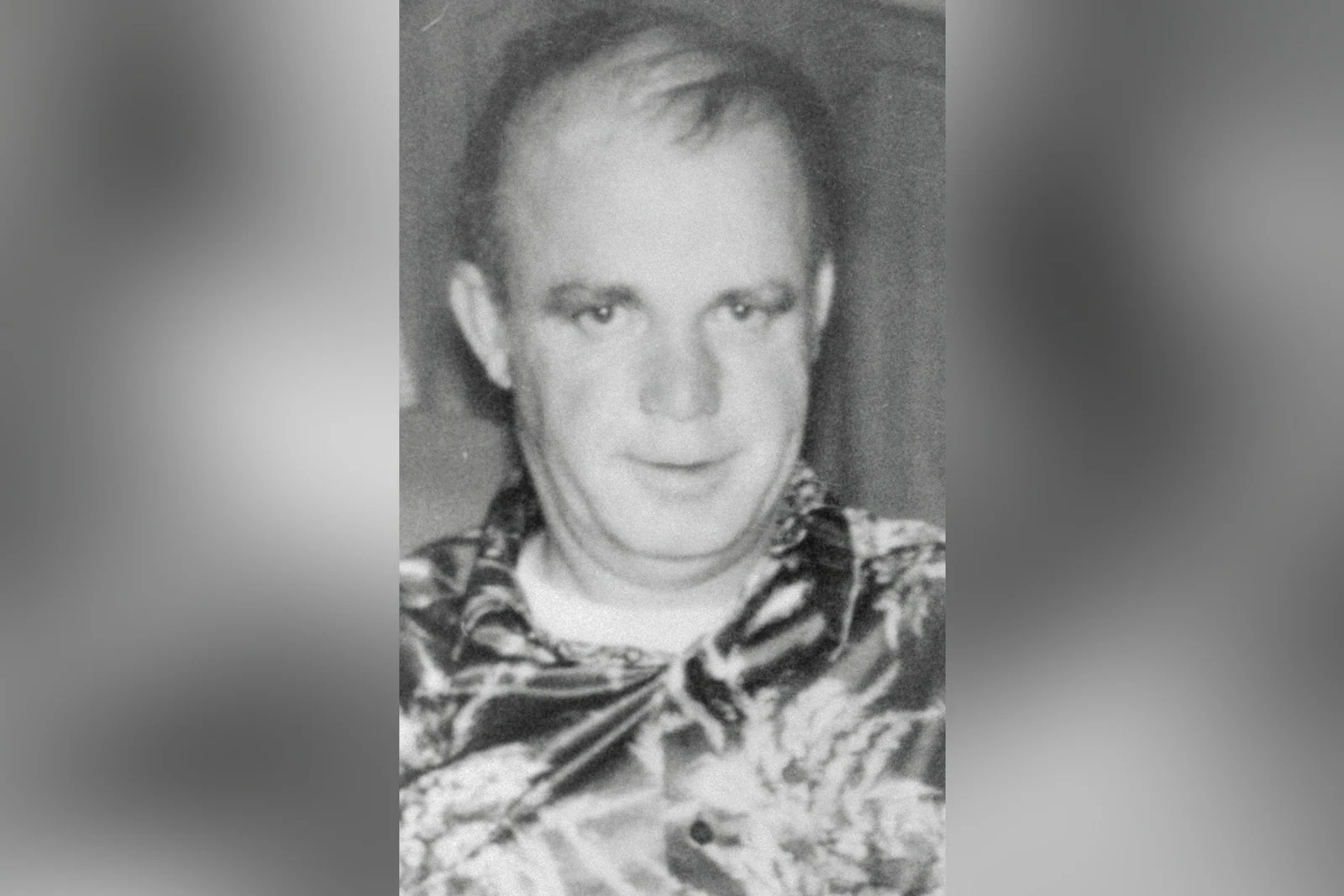
A girlfriend who knew him as Dennis remembered a playful, sociable teenager. Parnell also tried to get Steven to help him find another child.
At a Santa Rosa shopping center, Parnell sent him to approach a boy and bring him to the car. Steven returned with an excuse about the boy’s mother being there. When sent toward another child, he came back with another excuse. His later courtroom testimony described the unsuccessful attempts.
Parnell then recruited Sean Poorman, a teenage schoolmate of Steven’s. Poorman testified that Parnell supplied money, marijuana, and liquor. They bought small children’s clothes at a garage sale before abducting five-year-old Timmy White in Ukiah on February 14, 1980.
Timmy refused Poorman’s approach and ran screaming. Poorman chased him, forced him into the car, and covered him with a blanket. At Parnell’s instruction, he gave the child sleeping pills. Steven remembered first seeing Timmy huddled under a blanket in the back seat.
Now there was another boy in the cabin, grieving for his family. Steven said he understood that Parnell had kidnapped Timmy because the same thing had happened to him. He decided to get the child home.
“I didn’t want to see what happened to me happen to somebody else,” he told the court.
Getting away took more than deciding to go. Timmy later testified that they tried hitchhiking toward Ukiah three times, but “the cars wouldn’t stop.” The cabin was near Manchester, on the Northern California coast, about forty miles from the town where Timmy belonged.
On March 1, while Parnell was working his night shift at the Palace Hotel in Ukiah, the boys made the journey that ended at the police station. They walked and accepted rides. “Sometimes I’d carry him, and sometimes we’d rest,” Steven testified.
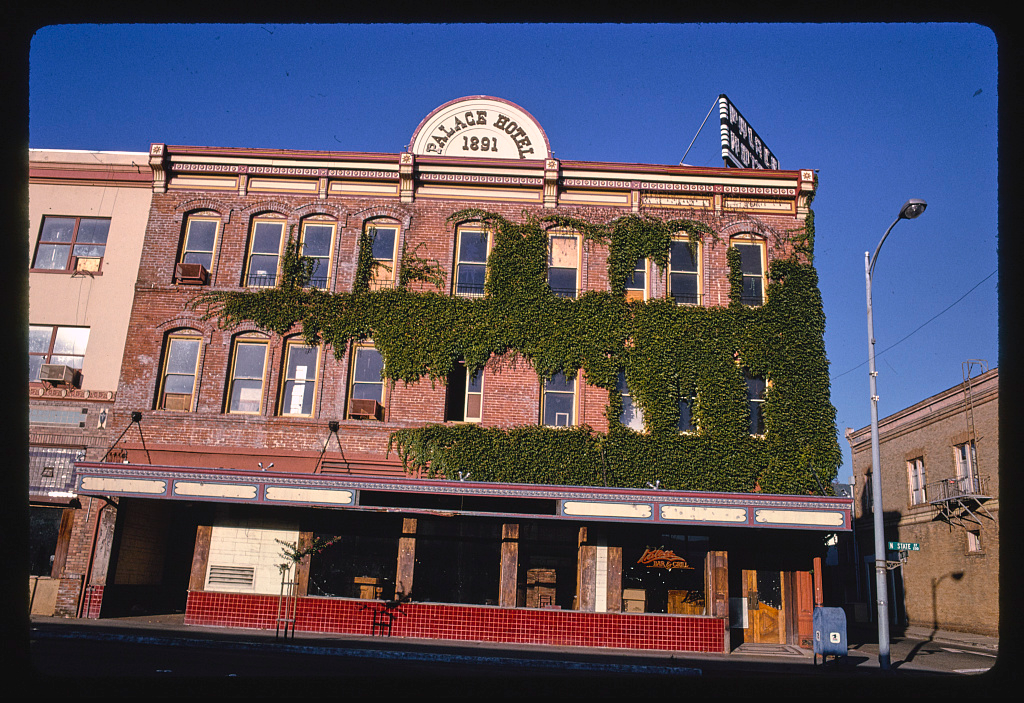
Once police had both boys inside, Steven could give them the connection between a recent local abduction and a child who vanished from Merced years earlier. Officers arrested Parnell at his hotel job. Steven’s parents learned that their missing son was alive.
He identified himself as Steven. The words “I know my first name is Steven” became the best-known part of his account to police. After years in classrooms and friends’ houses as Dennis Parnell, he was being connected to the name his parents had put on missing-child notices.
The family reunited on March 2. A hand-painted “Welcome Home” sign hung over the house, and hundreds of relatives and friends gathered. Christmas and birthday presents waited in the family room, some dating back to 1972.
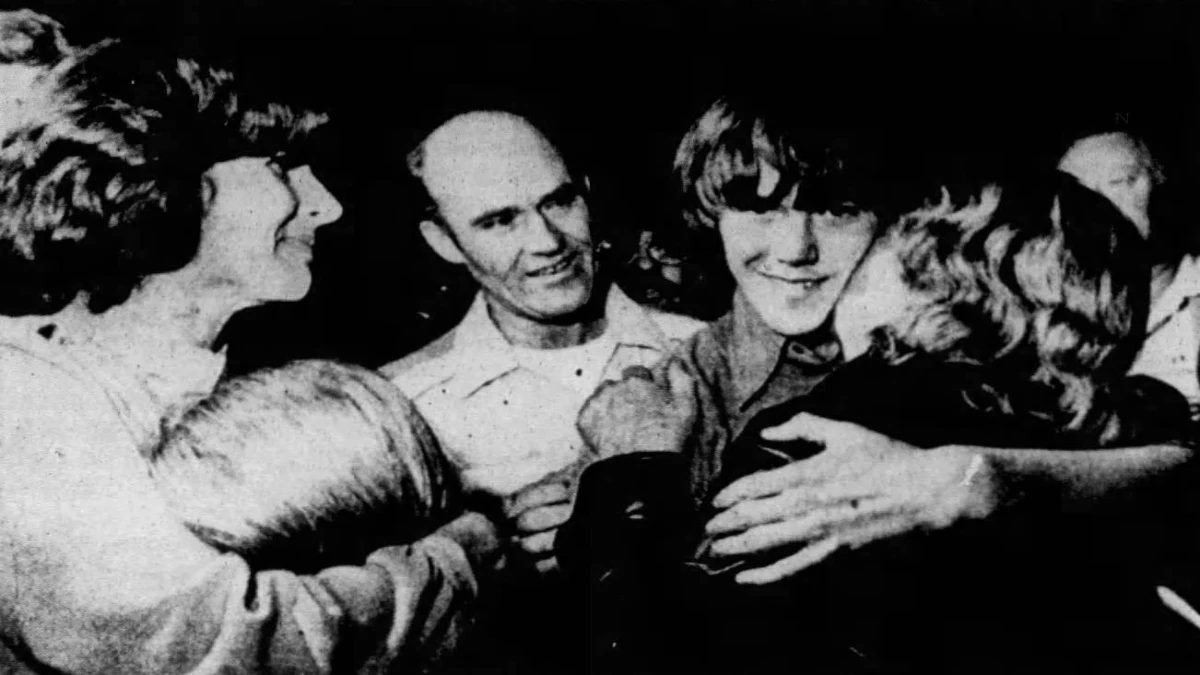
Delbert admitted that he began losing hope after five years. Still, whenever he saw a crowd on television or people in a magazine photograph, he looked for Steven among the faces. He said Kay kept believing their son would find his way home once he was old enough.
According to Steven’s uncle, detectives first had to convince the teenager that his family loved him and had missed him.
Within days, Steven appeared on Good Morning America, saying his parents looked much as he remembered, but his brother and sisters had changed so much he did not recognize them.
Early reporting described him defending Parnell and insisting he had not been mistreated. He also told police he did not want to see him again. His account of the repeated sexual abuse emerged in the court proceedings that followed the celebrated homecoming.
At home, Steven had to share his parents with a brother and three sisters and follow rules that were unfamiliar after years with Parnell.
“For seven years I have been supposedly an only child,” he said in another GMA interview in 1983. He was accustomed to freedoms his parents did not expect a fourteen-year-old to have. They were trying to raise the son who returned, with their memories of the seven-year-old who disappeared.
School brought further difficulties. Other children bullied him about the sexual abuse. His mother told a reporter in 1985, “He never got in one full semester that was uninterrupted.”
Steven attended brief counseling sessions after returning, but declined further therapy. He did not volunteer the details to his parents, and they did not press him.
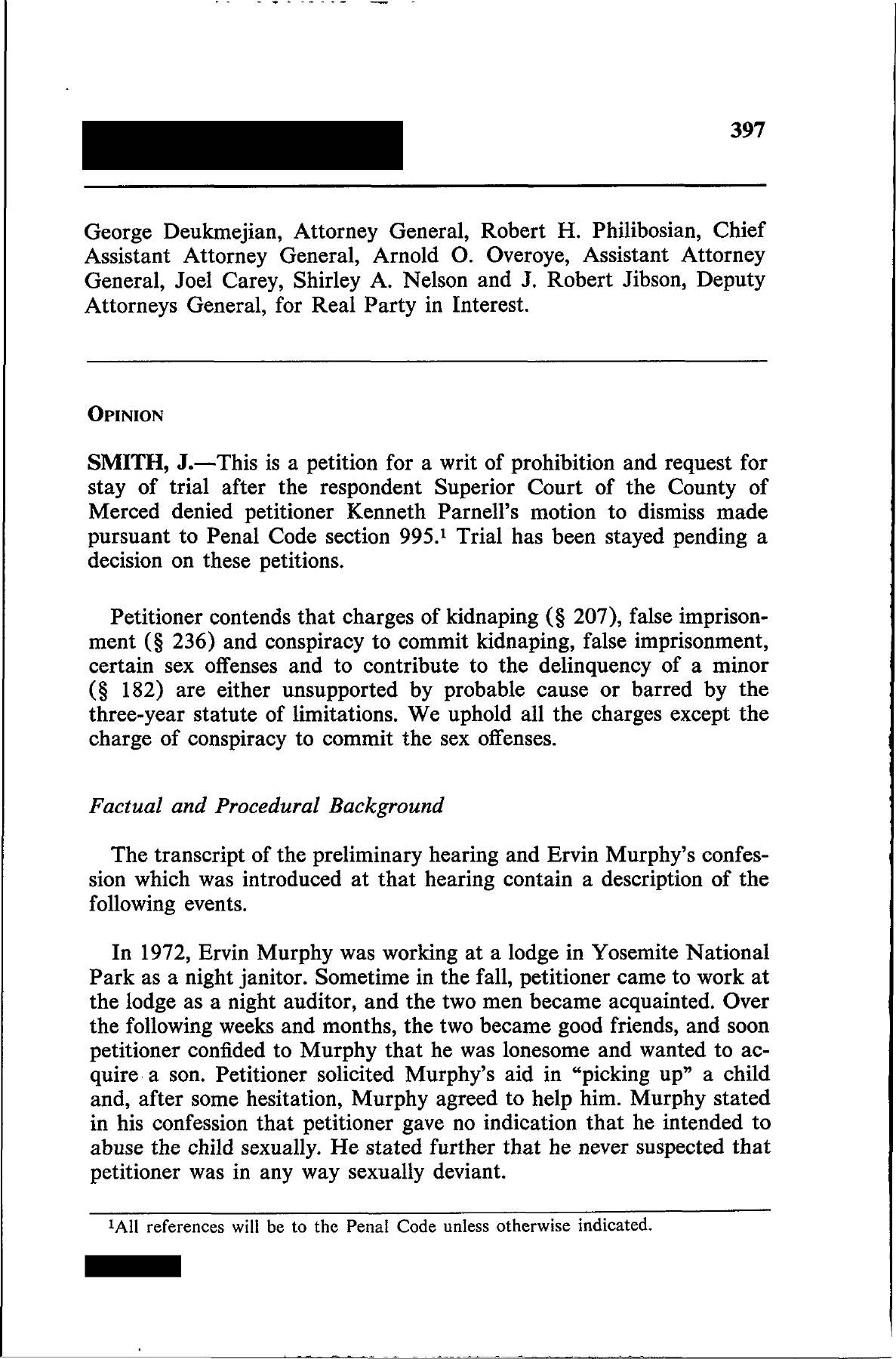
In court, however, he had to describe the years with Parnell. Before the trials, Parnell tried to have the kidnapping prosecution stopped because more than three years had passed since Steven was taken. His lawyers argued that the crime was complete in 1972 and the time allowed to prosecute had expired.
The appeals court rejected that argument in 1981. Kidnapping continued while the victim remained detained. The judges considered Steven’s freedom of movement alongside his dependency, fear, and Parnell’s assumed parental authority. Attending school and visiting friends did not establish that he stayed willingly.
When Steven testified in Timmy’s case, he waved to the younger boy across the courtroom. Timmy, now seven, took the stand too, his face barely above the witness table. He answered questions about the car, the cabin, and their attempts to get away, often with only a word or two.
Parnell blamed another man for the abduction. When that man was brought into court, Timmy was asked whether he had ever seen him before. He shook his head and said no.
Parnell was convicted of Timmy’s kidnapping in June 1981 and received seven years. A separate trial for Steven’s abduction ended with convictions in January 1982 for Parnell and Murphy, the man who helped lure Steven into the car.
The sentence for Steven’s kidnapping added only twenty months to Parnell’s existing term, bringing the total to eight years and eight months. The sentencing judge, M. O. Sabraw, acknowledged the limits of the result.
“This is not in keeping with what the court would feel appropriate, but it is in keeping with the law.”
A prosecutor later said further sexual-abuse charges would have distressed Steven while adding little prison time. Parnell was paroled in April 1985, after roughly five years behind bars. Steven spent longer living with his abductor than his abductor spent imprisoned for taking him.
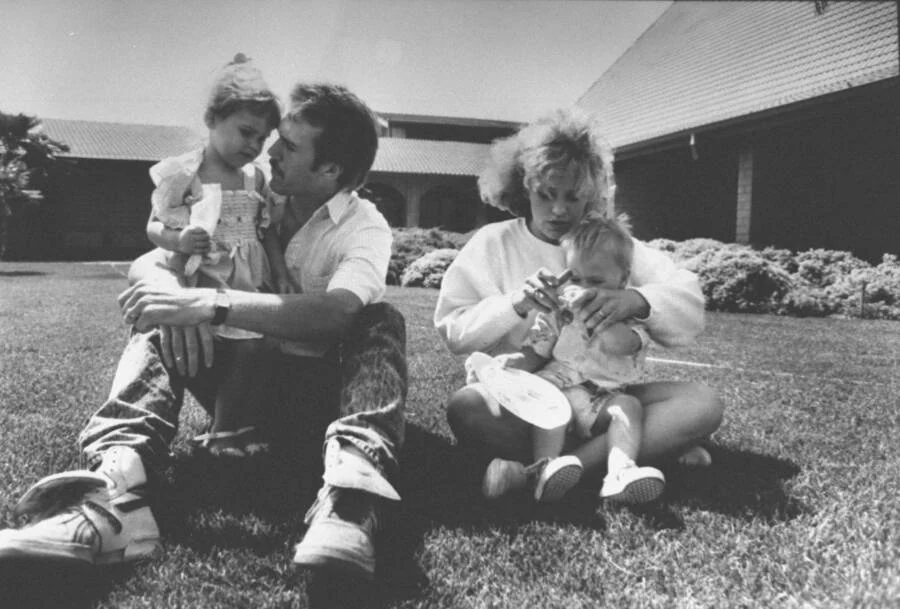
That same year, Steven married Jody Edmondson. They had a daughter and a son. Parenthood gave him a household of his own, and he watched his children closely. They went outside only with someone supervising them. If they played on the porch, he kept the door open so he could hear them.
His story continued to circulate. In May 1989, NBC broadcast the two-part miniseries I Know My First Name Is Steven. Steven cooperated with the production and visited the set. He even appeared in a small role as a police officer, escorting the actor playing him through a crowd of reporters.
Before the broadcast, Jody said the film would show her details Steven had never discussed at home. She had left it to him to decide what he wanted to tell her.
Steven hoped telling his story would help other missing and abused children. Jody remembered him becoming “a very happy man living a normal life with two beautiful kids.”
On September 16, 1989, he was riding his motorcycle home from his pizza-delivery job when a car pulled out in front of him near Merced. His motorcycle struck the vehicle, and the driver fled. Steven suffered fatal head and internal injuries. He was twenty-four.
Highway Patrol investigators said he was traveling within the speed limit. He was not wearing a helmet. He died in hospital shortly after the collision, leaving Jody with their two young children.
His parents were away camping when friends found them to deliver the news.
“It’s final this time,” his father said after his death. “I know where Stevie’s at now.”
For more extraordinary stories from history, read about Shasta Groene’s forty-seven days with her family’s killer, or the twenty-six schoolchildren buried alive for ransom.
Image rights notice: If you are a copyright holder and have concerns about an image used in this article, please contact us. We will review your request and remove the image where appropriate.