
Content warning: child abduction, sexual violence, and murder.
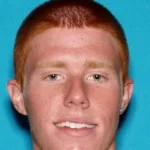
The woman in the park said she had lost her poodle. Twelve-year-old Sian Kingi stopped to help, and the woman’s husband came up behind her. He forced her into their car, leaving her bicycle on the route she usually took home.
The woman was Valmae Beck, and her husband was Barrie Watts. Beck later described the trap to police, explaining how they abducted Sian from a familiar path in Noosa Heads, Queensland, on November 27, 1987.
Earlier that Friday afternoon, Sian and her mother, Lynda, were shopping for fabric for an outfit she would wear to a friend’s birthday party that weekend. She played netball and was remembered for stopping mid-game to help an opponent she accidentally knocked over.
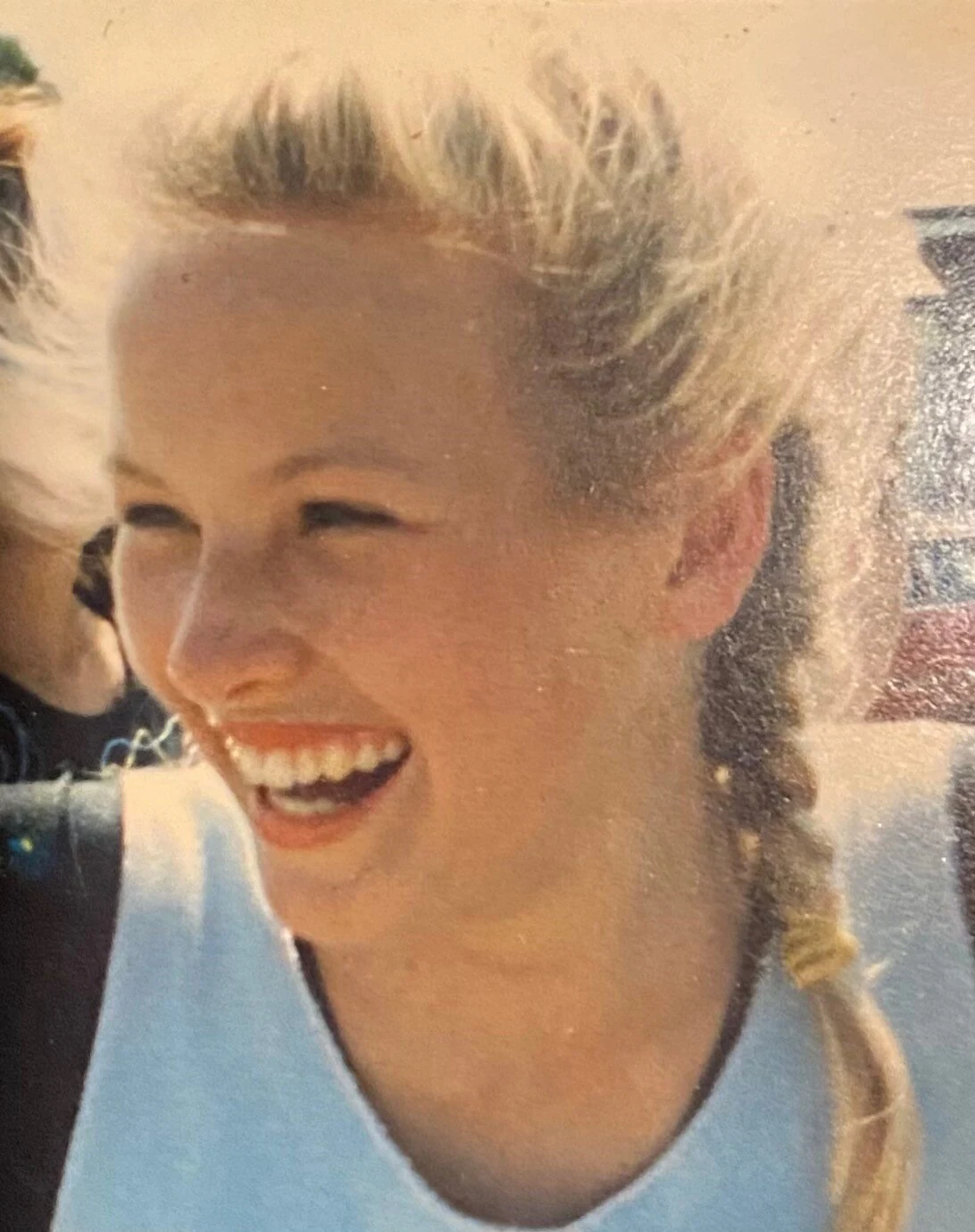
Mother and daughter separated for the short trip home. Lynda walked along a sandy track unsuitable for a bicycle, while Sian took her usual cycling route through Pinaroo Park.
When she failed to return, her parents contacted friends and eventually went looking themselves. They found her yellow bicycle in the park that night and took a photograph of their daughter to the police.
Detective Bob Atkinson recognized the girl in the picture. Her parents told him that running away or staying out after dark would be completely out of character.
Atkinson knew Sian by sight through local netball, which his daughter also played. He went back to the park with her parents, but they found no sign of her. Returning to the station, he contacted the Sunshine Coast Daily after its usual deadline and got her photograph into the next morning’s newspaper.
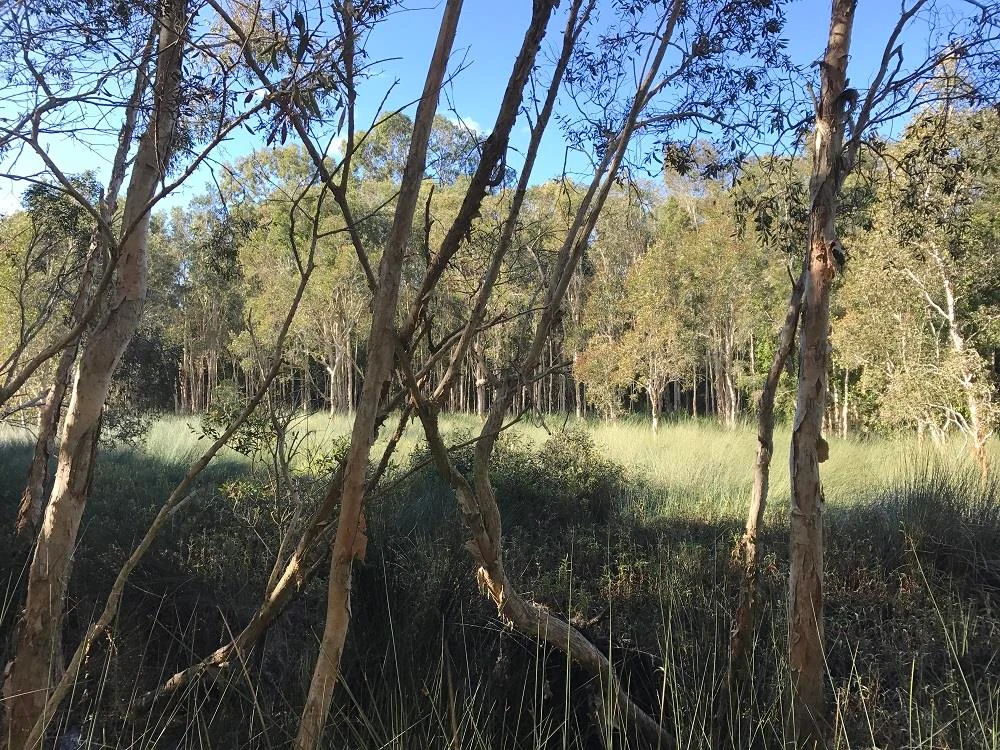
Six days later, on December 3, a fruit picker found her body in a creek bed in Tinbeerwah Forest, inland from Noosa. She had been raped and strangled. Reporting after the trial, journalist Adrian McGregor described 12 stab wounds to her chest, three penetrating her heart, and two severe cuts to her throat.
Her mother wanted to know everything that had happened. A senior detective reluctantly agreed to tell her, according to his recollection later relayed in Queensland Parliament by local MP Dan Purdie.
During the investigation, Sian’s parents brought food to detectives working into the night. On one occasion, they arrived at about 1 a.m.
On December 8, family and friends gathered for a private funeral on her parents’ property. One of her school friends read from Peter Pan, and John Lennon’s Imagine played at the service. Police were still looking for her killers.
Investigators were following sightings of an old white Holden station wagon. A witness who noticed suspicious behavior in a beach car park supplied a registration number, which police traced to Beck. The car also connected the Noosa inquiry with earlier attempts to abduct women around Ipswich, southwest of Brisbane.
In one of those attempts, Beck asked a woman for directions before Watts pulled a knife and tried to force her into the car. The woman fought him off and took the knife from him. The couple had already used an apparently harmless request to bring a stranger within reach.
The Ipswich inquiry had a registration number off by one digit. A police bulletin eventually connected the investigations, and the search led to a rented house in Lowood, west of Brisbane. By the time officers arrived, the couple had left.
They had continued paying rent, however. A money order sent from The Entrance, a coastal town in New South Wales, gave police their next destination. Their effort to keep the Queensland house helped detectives locate them interstate. Police arrested them on December 12, and they returned to Queensland two days later.
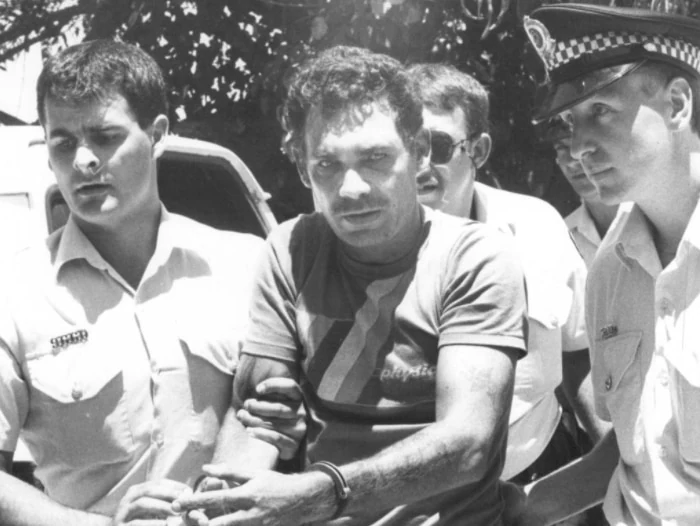
Watts did not confess to investigators. Beck’s account developed over questioning that continued through the night, explaining both the abduction and what happened after the car left Noosa.
According to Beck’s account, Watts wanted to rape a virgin and be her first and last sexual partner. She said she agreed to help because he told her it was the only way to save their marriage.
Her participation continued in the forest. She helped restrain Sian and assisted Watts in raping her. After he killed the girl, Beck helped dispose of evidence and washed their clothes. Much of the reconstruction depended on her admissions, including actions that directly implicated her.
She also identified a place where the couple discarded evidence. At Six Mile Creek, divers recovered a bundle containing a knife, a belt, and tape with Sian’s hair attached. The discovery gave investigators physical corroboration of her account.
Meanwhile, police secretly recorded conversations between Beck and Watts in their cells. Officers read her account to him, and his response when he returned to speak with her became part of the evidence against them.
“Why did you have to tell them everything?” he asked.
Beck still offered to help him. Their recorded conversations included proposals to tailor a statement and construct an account of insanity for his defense. Police had her answers to their questions and the couple’s own discussion of what those answers meant for them.
Beck admitted participating in the abduction and rape but disputed responsibility for murder. She argued that Watts went beyond what she agreed to do. In October 1988, a jury found her guilty of murder, and she received a life sentence.
She pursued that distinction on appeal. At a High Court hearing in December 1989, her lawyer argued that the killing fell outside their common plan. The judges questioned why the jury had to accept the parts of her account that reduced her responsibility, particularly given her active participation and the conversations in the cells.
The judges also raised a practical problem with that argument. Neither abductor had concealed their identity, and Sian could identify them. Her lawyer maintained that killing her to avoid capture was a separate decision by Watts, beyond the plan to which Beck agreed.
The High Court refused permission for a further appeal. Watts was convicted and sentenced to life imprisonment in 1990. Beck testified against him.
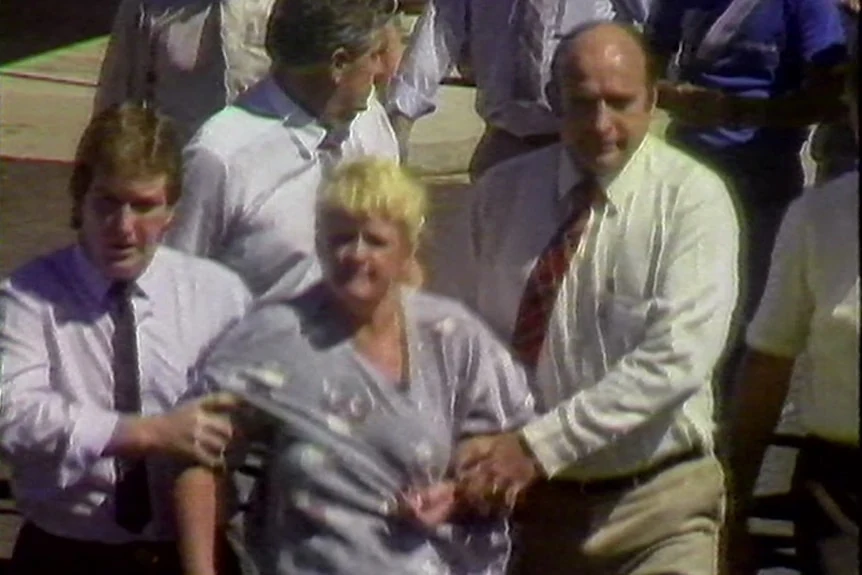
Justice Jack Kelly made his view of Watts’s future plain. “The sentence for murder is life imprisonment, and in my view the sentence should mean just that,” he said, in remarks later quoted in Parliament.
But a life sentence still allowed an application for parole. Whether Watts remained imprisoned would depend on later assessments of the risk he posed, as well as the crime for which the judge sentenced him.
In 2006, police questioned him again during a separate investigation. He acknowledged murdering Sian, an admission he had withheld from the original investigators. The interviews, obtained and reported by ABC News in 2021, showed how he spoke about the crime nearly two decades afterward.
Watts presented the murder as an aberration in a criminal career he described as a “good track record.” Asked whether evil explained what he had done, he described a succession of crimes. “And that was just another crime,” he said.
Later in the same exchange, he professed remorse and said he deserved punishment. He also spoke about a possible life outside prison, saying he hoped to work as a dry cleaner when he was released.

Beck died in Townsville Hospital in May 2008 while still serving her sentence. Atkinson, by then Queensland’s police commissioner, told Sian’s family. Watts was refused parole in 2009 and again in 2015.
Another application, lodged in November 2020, brought her parents fresh notice. They supplied material opposing his release, then waited for a decision. By May 2021, the application was still unresolved.
In June 2021, the family joined friends and former teachers in a public campaign. A petition calling for stronger parole restrictions gathered about 72,000 signatures and was tabled in Queensland Parliament. They wanted a change that would keep them from having to respond to another application after a short interval.
Atkinson, who had dealt with the abandoned bicycle and the first newspaper appeal, explained his opposition to parole in a radio interview. “It’s not about revenge or retribution or punishment in my view; it’s about community safety,” he said.
He emphasized the calculation and organization behind the couple’s actions. In his view, even a small risk of further violence was unacceptable.
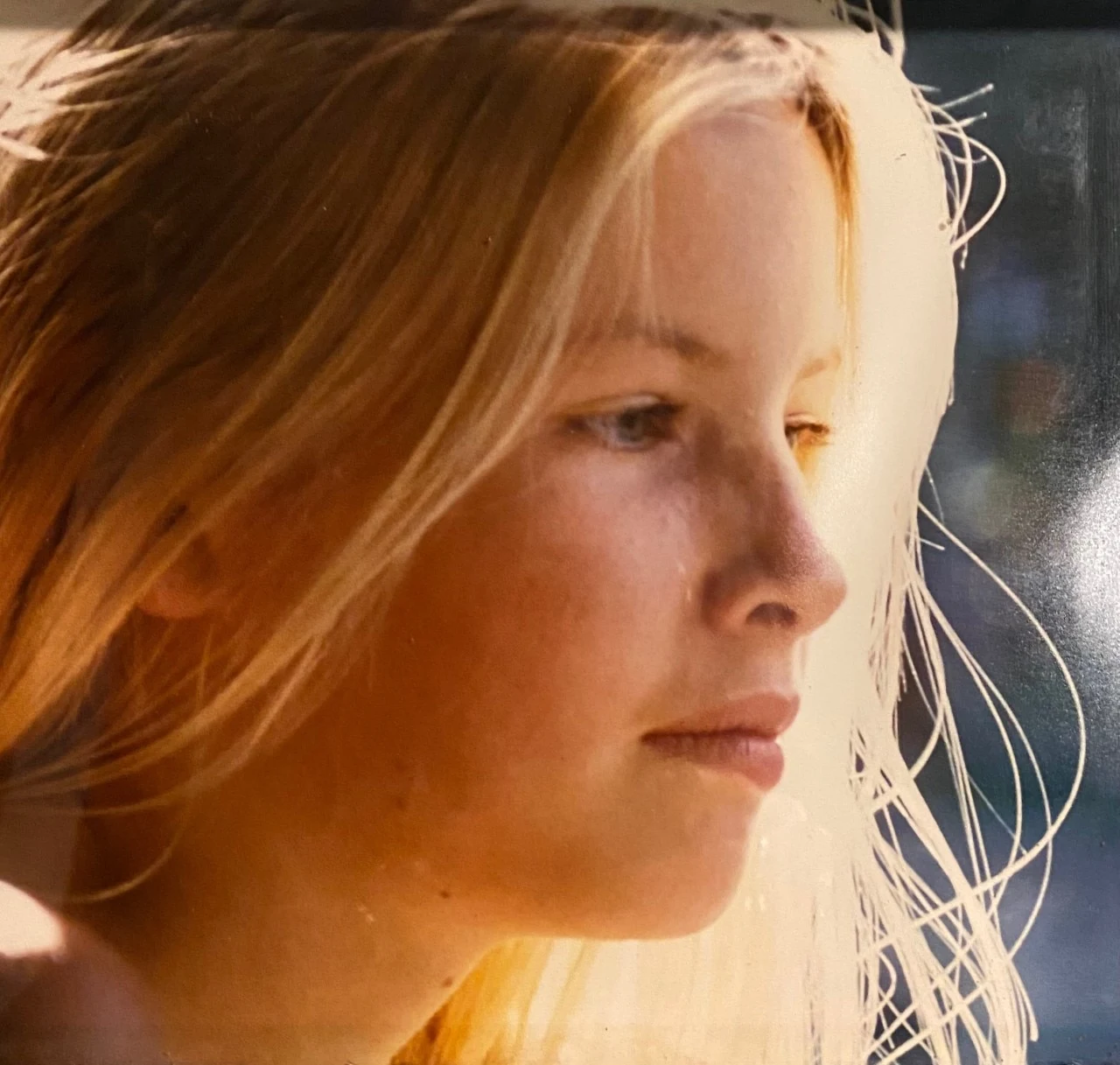
The board refused Watts’s application in October 2021. It was not satisfied that conditions placed on his release could sufficiently reduce his danger to the community. It also acknowledged the family’s submissions and their distress at renewed reporting of the case.
That refusal prevented another application for only 12 months. The family’s campaign helped secure a wider change, known as Sian’s Law, that addressed how frequently such prisoners could seek release. Her parents supported using her name.
The legislation received royal assent in December 2021. It gave the parole board’s president power to bar certain prisoners serving life sentences, including child murderers, from making ordinary parole applications for up to ten years at a time.
Watts applied for parole again in October 2022. In February 2024, the board’s president imposed a ten-year restriction, citing the seriousness of his offending and the risk of releasing him. His ordinary applications were blocked until February 2034, when he would be 80.
Under the restricted-prisoner rules, another declaration could follow, so 2034 was no promise of release. An exceptional-circumstances route remained, but it had a high threshold. The order gave the family a decade without another ordinary application.
When Sian’s former classmate Vanessa Skoglund wrote to Purdie in May 2021, she was living in Sweden with an 11-year-old daughter of her own. News of Watts’s application prompted the letter. She told Purdie she was crying as the memories returned and had spent years fearing something similar could happen again.
Vanessa described herself as an overprotective mother. As a girl, she lived two streets from Sian and rode the same path.
“Still to this day I will never walk the same path or anywhere near Pinaroo Park from where she was taken.”
For more extraordinary stories from history, read about the investigation into Anita Cobby’s abduction on her walk home, or the child whose murder led to the AMBER Alert.
Image rights notice: If you are a copyright holder and have concerns about an image used in this article, please contact us. We will review your request and remove the image where appropriate.