
Ed Ray slowed his school bus to pass a white van blocking the road. A masked man carrying guns stepped into view. He and two other men, all with stockings pulled over their faces, took control of the bus. One ordered Ray to the back; another took the wheel.
It was the afternoon of July 15, 1976. Ray, 55, was driving 26 children home from a summer-school swimming outing at the Chowchilla fairgrounds in California. Fourteen-year-old Michael Marshall usually rode home with his mother. That day, she made him take the bus as punishment for sneaking beer the night before.
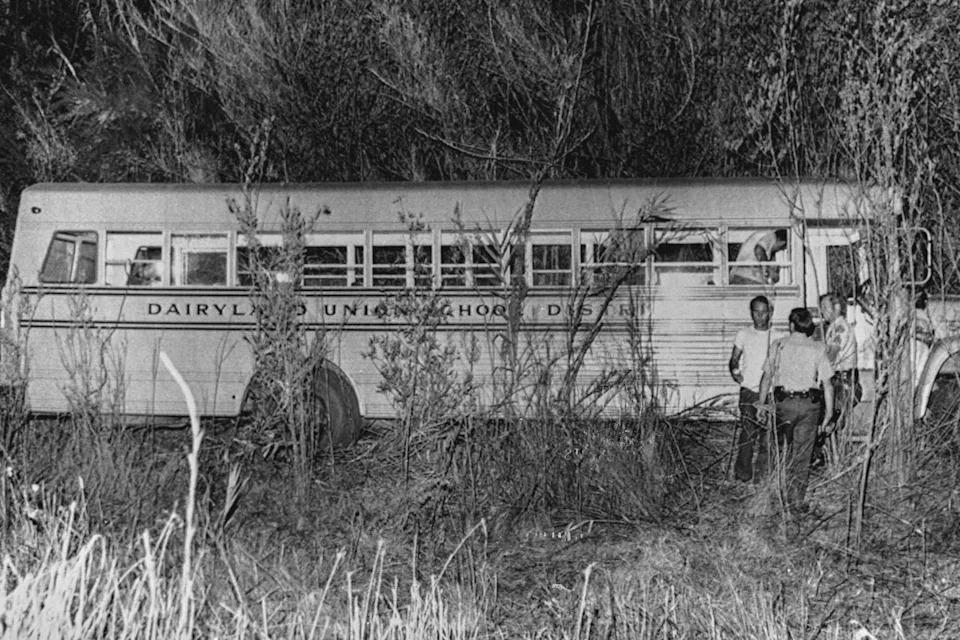
The gunmen hid the bus in a dry watercourse and divided the passengers between two vans with blacked-out windows. Nine-year-old Jennifer Brown, later Jennifer Brown Hyde, remembered approaching the vehicles under a gunman’s watch. “I felt like I was an animal going to the slaughterhouse,” she told CBS’s 48 Hours.
By five o’clock, Jennifer’s mother, Joan Brown, was calling for her daughter and son Jeffrey at home. She thought they were hiding. Then she noticed the peanut butter wasn’t out. No chairs stood in front of the television. The children had never come home.
They spent about eleven hours in the vans without food, water or toilet stops. Hyde remembered ten-year-old Jodi Heffington trying to keep the younger children calm. In the early hours of July 16, the journey ended at a rock quarry near Livermore, roughly a hundred miles from Chowchilla. The men asked the children their names and ages and took belongings from most of them as proof of whom they held for ransom.
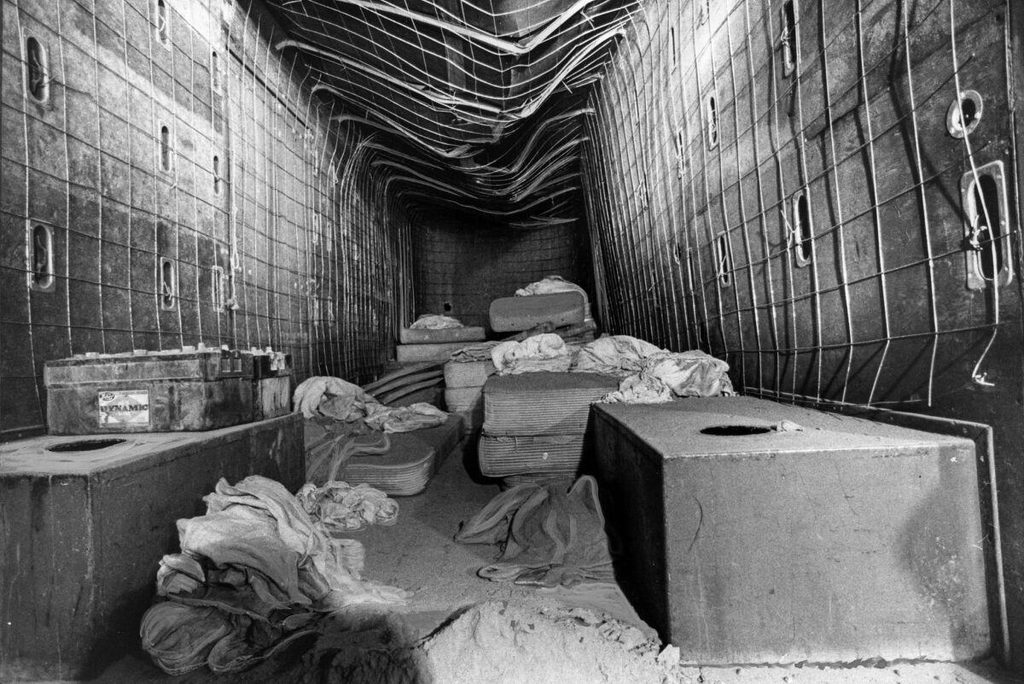
Ray went down first, descending a ladder through a hole in the roof of a buried moving van. With a flashlight, he helped the children follow him. The youngest was five. Inside were mattresses, water, and a small supply of food, with fans providing ventilation. The cargo compartment measured 26 feet long and less than seven feet wide, leaving little more than six square feet of floor space for each of the 27 people inside.
The captors said they would remain there for 24 to 48 hours. They closed the entrance with a steel plate, weighted it with two heavy batteries, and covered the assembly with plywood and dirt. Marshall heard the material landing overhead. The only adult down there with the children was the man who was supposed to drive them home.
The roof began to cave in, Ray told reporters after the escape. He worried that the gunmen might still be above them, Hyde remembered. Marshall was willing to risk it. The captives stacked mattresses beneath the entrance to make a platform to push the cover. Ray joined him, and together they shifted it until the batteries fell into the van.
Beyond the plate, plywood surrounded the entrance, with more earth behind it. Using wood from a broken bed frame, Marshall worked at the barrier for hours.
“I didn’t really know what I was doing but I figured it was better than doing nothing,” he told the Las Vegas Sun in 1999.
Dirt fell through the opening as he worked. Eventually, daylight appeared. Six-year-old Larry Park remembered “the most glorious ray of sunlight that I had ever seen.” Marshall put his head through the opening. He saw no gunmen.
Ray passed the children up, and Marshall helped them through. In Marshall’s recollection, he stayed until the others were out, then Ray pulled him clear. They emerged on the evening of July 16, after approximately sixteen hours underground.
The kidnappers were asleep. Telephone lines were overwhelmed as families and journalists tried to learn what had happened to the missing bus. Unable to get through with their ransom demand, the men went to sleep while their prisoners were still underground. After medical examinations, Ray and the children returned to Chowchilla before dawn on July 17.
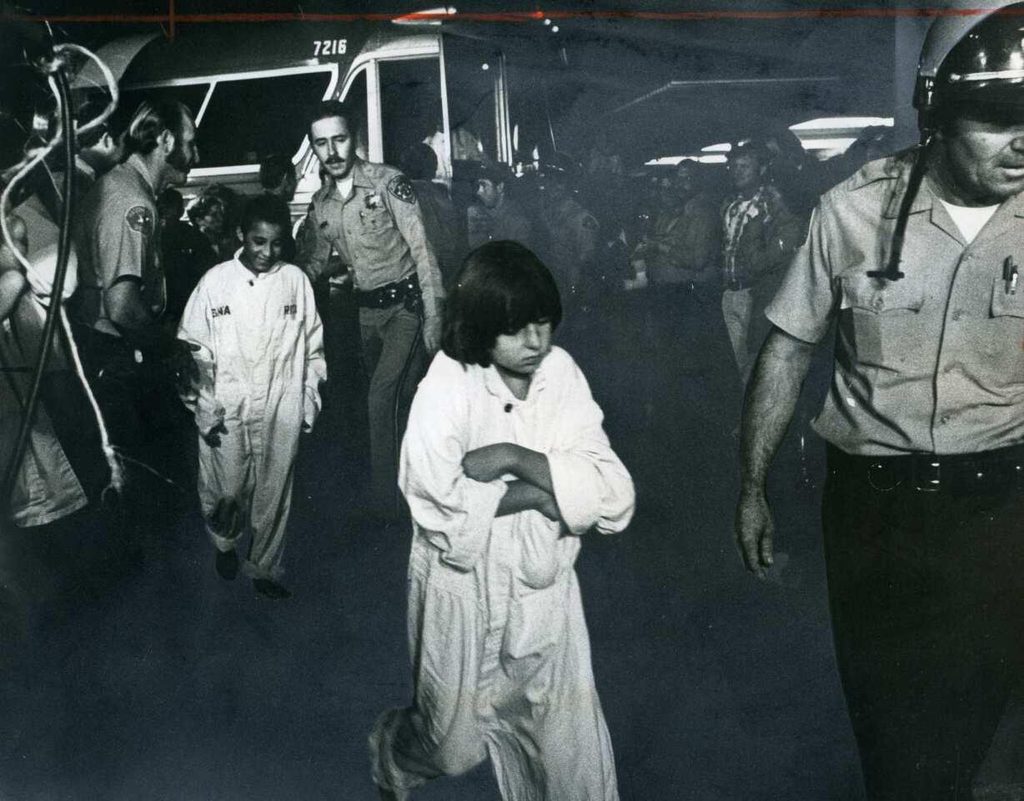
A guard at the quarry remembered seeing Frederick Newhall Woods IV and other men digging there months earlier. The quarry belonged to Woods’s father, and a search of the family property produced a draft ransom demand. Woods, 24, carried out the kidnapping with James Schoenfeld, also 24, and James’s younger brother, Richard. Richard surrendered; police arrested James in California, and they captured Woods in Vancouver. Within two weeks, police had all three in custody.
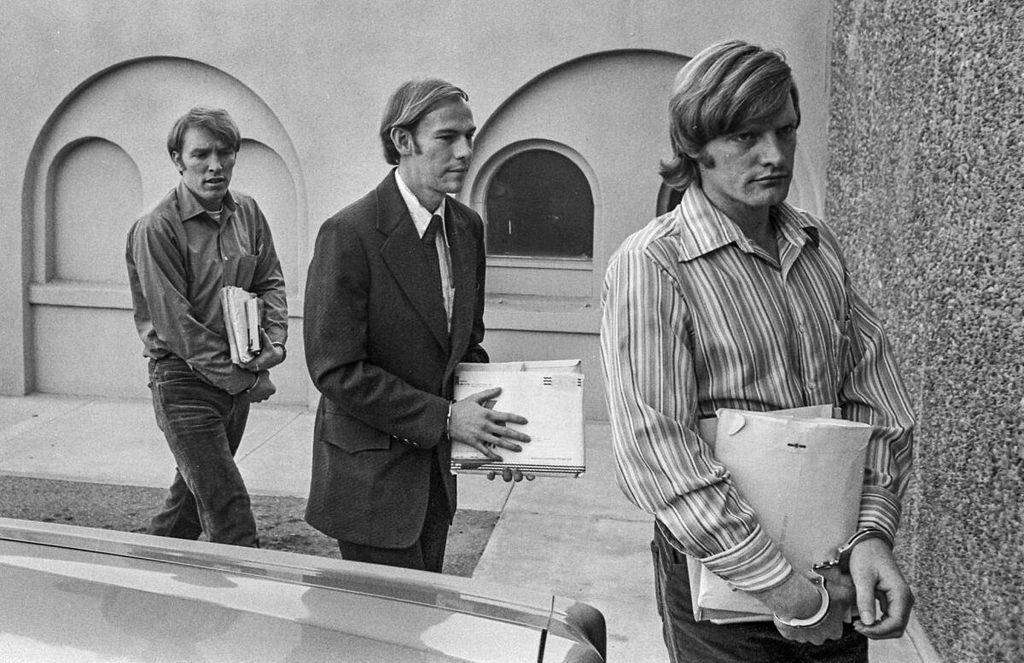
They came from affluent families. The Schoenfeld brothers were sons of a prosperous Bay Area podiatrist; Woods later acknowledged greed. The men spent more than a year preparing, expecting California’s Board of Education to pay $5 million to release the children. They tried to leave enough supplies in the van to keep everyone alive while they collected the money.
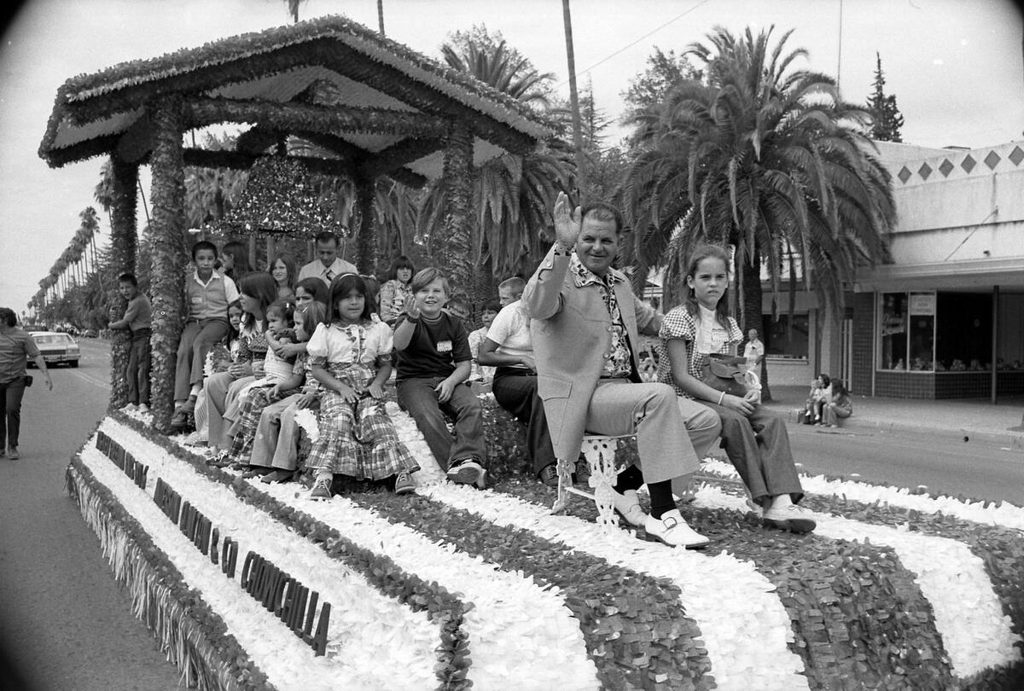
In Chowchilla, the homecoming brought celebrations, followed by a trip to Disneyland for the children. Public attention settled on Ray as the hero, though Park was among those who insisted that Marshall took the initiative underground. Ray was a quiet farmer who drove a school bus because he enjoyed children. He disliked the fuss.
Months after the celebrations, parents were hearing their children scream in their sleep.
Child psychiatrist Lenore Terr began interviewing the children. An earlier prediction held that only one would suffer lasting emotional effects. In her initial study, Terr followed 23 children between five and thirteen months after the kidnapping. Every one showed emotional aftereffects.
Some feared another abduction. Others became frightened of ordinary things or repeated parts of the experience in their play. They dreamed of their own deaths. Terr recorded changes in personality and behavior. Looking back, children searched for warnings and interpreted earlier events as omens.
All three kidnappers pleaded guilty in 1977 to 27 counts of kidnapping for ransom. Their life sentences initially included terms that barred parole. In 1980, an appeals court removed that restriction. The judges acknowledged the victims’ fear and mental suffering, along with fainting, stomach pain, and nosebleeds. Under the kidnapping statute, though, “bodily harm” required substantial physical injury. The victims’ injuries did not meet that standard. The convictions and life sentences remained. Parole became possible.
Terr’s four-year follow-up, published in the American Journal of Psychiatry, included 25 of the kidnapped children and one who narrowly missed the abduction. All showed post-traumatic effects. Shame, repeated nightmares, and pessimism about the future persisted. Brief treatment in the first year did not prevent these later problems.
By nineteen, Marshall was drinking to the point of blacking out, trying not to remember. He struggled with drugs as well. The son of a rodeo cowboy, he grew up to compete professionally himself. People who saw television stories about the escape would ask why his name hadn’t been mentioned; he told the Las Vegas Sun.
Ray continued working his farm and driving his route. Ten years after the abduction, a United Press International reporter found him still driving the summer-school bus, preparing to retire. The kidnapping no longer came to mind on every run.
“I was just doing what I could for the kids,” he said of the escape.
What worried him was the prospect of the men leaving prison.
Heffington spent decades attending parole hearings to argue against their release. Each return meant confronting the men again and describing what they had done. Richard’s parole record included college degrees, strong work reports, and participation in counseling programs. A panel concluded that he had accepted responsibility and no longer posed an unreasonable danger to the public. He was released in 2012.
At his 2015 parole hearing, James described the financial troubles he expected the ransom to solve. At the time of the kidnapping, he was about $23,000 in debt, watching friends establish careers and buy houses while he fell behind. Some had parents who owned matching Ferraris. He once bought a Jaguar with money borrowed from his father, then sold it after discovering what insurance would cost.
He also explained why they put the children underground. A barn seemed too easy to escape from. A moving van could hold everyone, though someone might break through its metal walls. Burying it at the quarry would prevent that.
“We needed multiple victims to get multiple millions,” he said. Children were precious, he reasoned; the state would pay to recover them.
“And they don’t fight back.”
James was released in 2015. Heffington died in 2022, at age 55. Woods followed the Schoenfeld brothers out of prison in 2022, after parole commissioners concluded that he was no longer a danger to the public. The children he helped bury were now middle-aged adults.
They did not all oppose his release. Park supported parole, having reached forgiveness after years of anger. He told ABC30 in 2022 that the kidnapping remained in his thoughts almost every day and that he had struggled with addiction for much of his life”
“It is possible to forgive, and it is possible to find peace,” he said in the interview.
Hyde opposed Woods’s release, describing a lifetime of dealing with post-traumatic stress. A wife and mother, she also emphasized that she had “managed to live a wonderful life.”
By 2023, she was living in the Midwest. Near her home was an underground storm shelter, meant to keep her safe. Entering it was still difficult.
There was a ladder leading down.
For more disturbing stories, read about the Grimes sisters, two Elvis-obsessed teenagers who vanished after a night at the movies and were later found dead, or the kuru epidemic in Papua New Guinea, where families unknowingly spread a fatal disease by eating their dead during funeral rituals.