

The bodies came ashore before the other passengers. On May 18, 1933, when barges carrying Soviet deportees reached an island in the Ob River, about forty people believed to be dead were unloaded for burial. The gravediggers received permission to rest before starting work.
While they rested, some of the bodies began moving. People moaned, called for help, and crawled across the sand toward the others. Eight eventually got to their feet, according to a report Vasily Velichko, an instructor in the local Communist Party organization, sent to Stalin that summer.
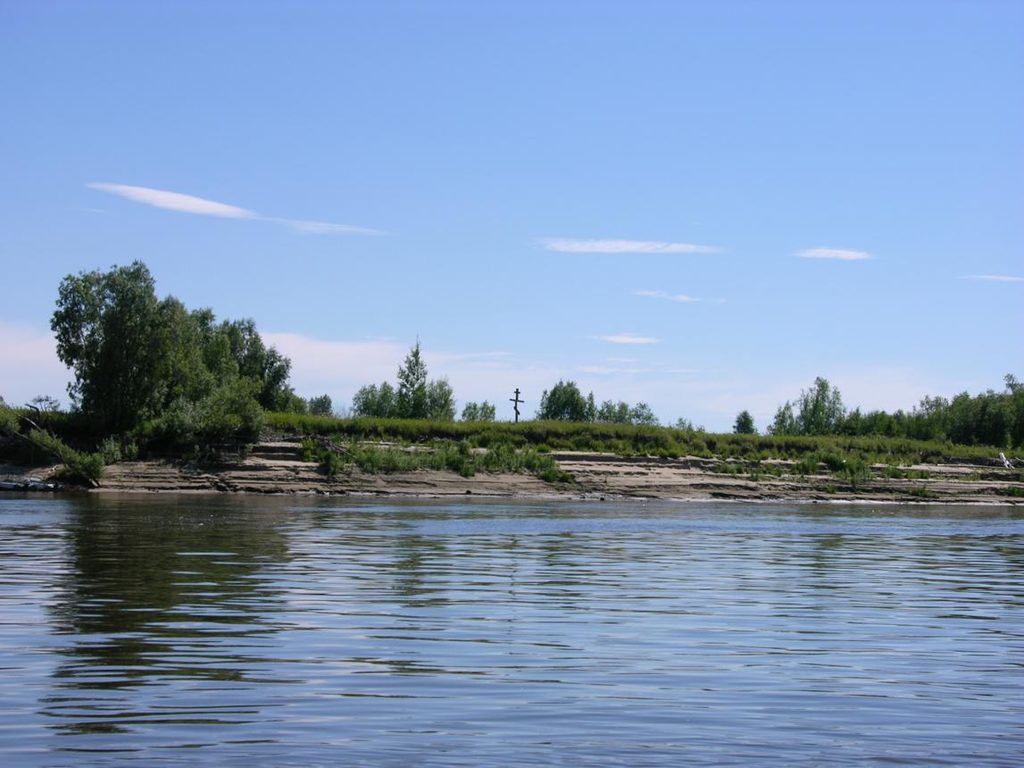
The island was Nazino, in western Siberia. Approximately six thousand people were deposited there in two groups that May. They were supposed to become settlers, opening remote territory to agriculture and other productive work. Many arrived too weak to walk.
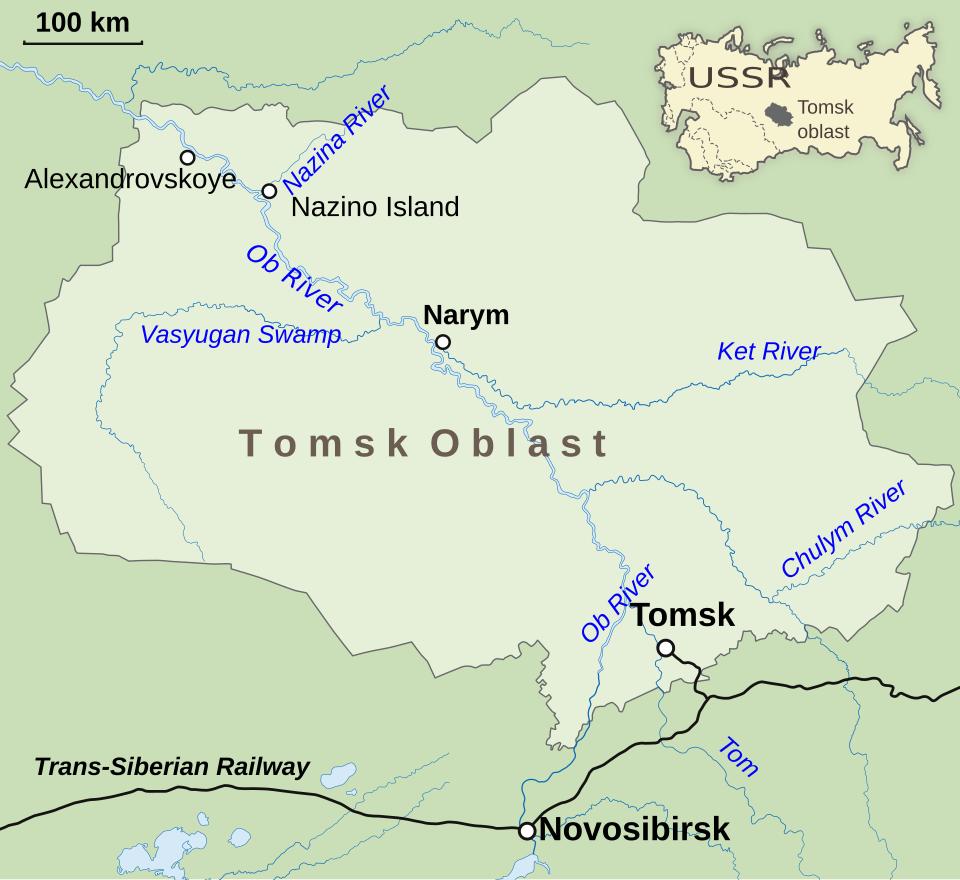
Their deportation was part of a much larger undertaking. Early in 1933, Soviet security officials proposed moving two million people to western Siberia and Kazakhstan. They would cultivate land, exploit forests and establish settlements that, within two years, were expected to support themselves and help repay the expense of transporting them. The plan, reconstructed by historian Nicolas Werth, specified houses, medical facilities, livestock, and machinery.
It also required people. A new internal-passport system gave the police a way to remove unwanted residents from major cities. Those caught in the campaign included homeless people, peasants fleeing the countryside, and ordinary workers stopped without their documents. Convicts transferred out of overcrowded prisons joined the deportation transports.
Vladimir Novozhilov, a driver at Moscow’s Kompressor factory, earned three bonuses at work and had a wife and child. One evening, he came home intending to take his wife to the cinema. While she dressed, he went out for cigarettes. Police arrested him. His account eventually reached Velichko, along with those of other people struggling to explain why they were in Siberia.
Regional officials warned that they could not feed, house, or employ another enormous influx. Negotiations reduced the numbers they were expected to receive, but the resources accompanying the deportations were also cut. Supplies arrived late. The people did not.
From the transit camp at Tomsk, the Nazino contingents traveled downstream in overcrowded barges. A June report to the security leadership acknowledged that the vessels lacked proper facilities for carrying people, including equipment for boiling water. Hunger, sickness, and theft weakened the passengers before they reached the island.
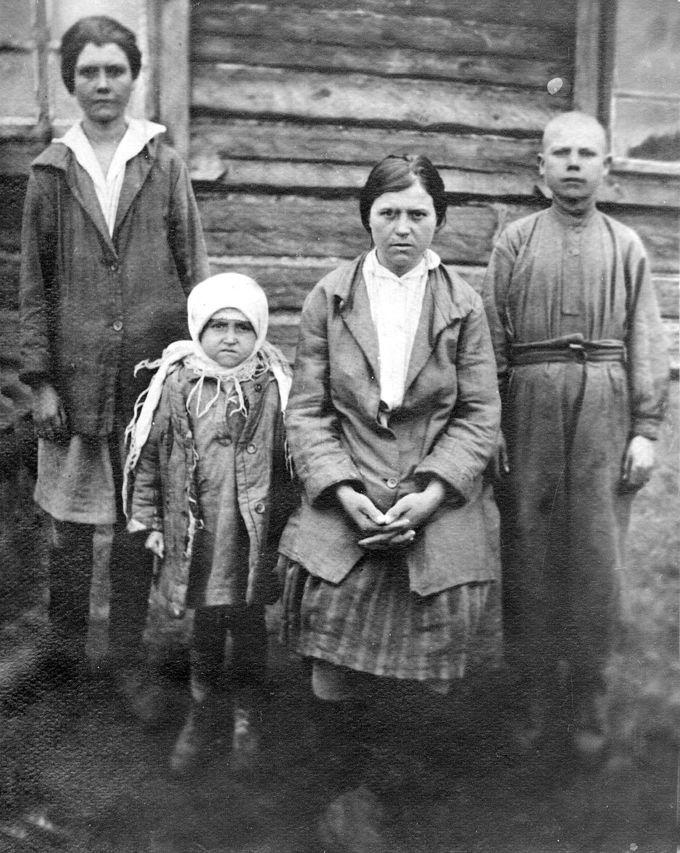
Nazino was intended as a temporary holding place before their dispersal to settlements along the Nazina River. No barracks waited for them. They lacked cooking vessels, bedding, and tools. Many wore the spring clothes in which they were arrested, and some were barefoot.
When concerns arose about feeding them, the commandant, Tsepkov, supplied an answer that Velichko preserved.
“Let them out … Let them graze.”
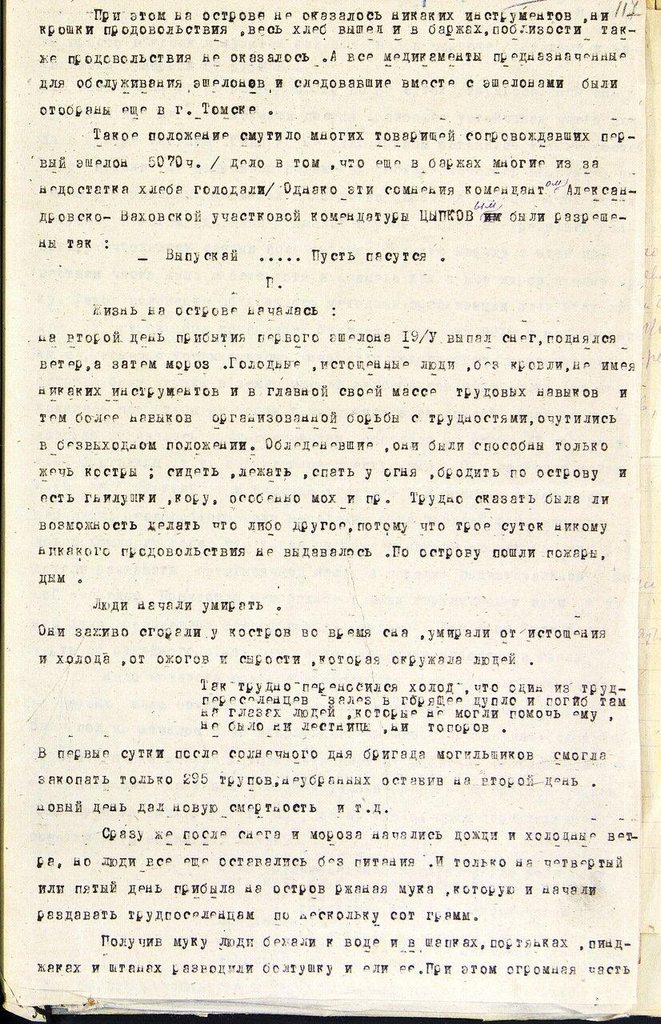
Within days, snow and freezing weather replaced the warmth of the landing. People crowded around fires, sleeping close enough to the flames that some burned alive. One man climbed into a burning hollow tree and died there. Others watched without the axes or ladders needed to get him out. These deaths, described in Velichko’s letter and reproduced in later reporting, preceded many of the killings for which the island became notorious.
The food eventually distributed was flour. Without bowls, people collected it in caps and clothing, then mixed it with river water. Some baked rough cakes in the fires. Others swallowed the powder dry. Velichko reported people collapsing and choking as they tried to eat.
Severe diarrhea spread through a population already suffering from exposure and starvation. Receiving a ration did not necessarily mean keeping it. Stronger deportees robbed weaker ones, and criminals established control over food distribution. Men appointed to collect flour for groups carried the sacks away and left the people supposedly under their care unfed.
At a distribution, guards fired into the crowd. People were trampled and crushed in the struggle around the flour. A guard named Khodov shot a man who tried to obtain a second ration, a killing subsequently confirmed by investigators.
The medical staff could do little about conditions that renewed the sickness every day. In a June 6 report, they described widespread diarrhea, deaths reaching as many as fifty a day and lice infesting the entire population. Typhus appeared. An instruction to boil the deportees’ clothing met an elementary objection from the doctors: they lacked vessels even to boil drinking water.
Their reports, preserved in an archival collection, also documented what was happening to the dead. A June 9 memorandum recorded twelve bodies with flesh removed. Some were missing their livers and lungs. Deportees brought suspected cannibals to the medical staff, but the first three accused denied the allegations and were released by the guards. Others subsequently confessed.
The attacks extended to people who were still alive.
Ivan Uvarov, a young exile working in the commandant’s administrative offices, described some of the inquiries in a memoir written in 1988. His reconstructed dialogue was a recollection from decades later, not a contemporary interrogation transcript, but it recorded what he remembered hearing through an office partition.
One man admitted knocking gold crowns out of the mouths of sick and dying deportees. He exchanged them with guards for tobacco or newspaper to roll cigarettes.
Another disputed the accusation that he ate human flesh.
“I ate only liver and heart,” he answered in Uvarov’s telling.
He described cutting the organs into pieces, threading them onto willow twigs and roasting them over a fire. Asked where he obtained them, he explained that he selected people who were dying but not yet dead. They would perish within a day or two anyway, he reasoned, and killing them spared them further suffering.
For women without protection, even the temporary absence of a guard could be fatal. Taisia Chokareva, whose family harvested poplar bark in the area, later described a woman protected by a young guard named Kostia Venikov. Before leaving to wash, he asked a colleague to watch her.
While he was away, other deportees tied her to a poplar with her arms behind her. They cut off her breasts and sliced flesh from her calves and other parts of her body for food. She was still alive when Venikov returned. He tried to save her, Chokareva said, but she bled to death.
Chokareva also remembered human flesh hanging in rags. Alongside these recollections, she described quantities of flour left unused on the riverbank.
The wasted food also appears in the contemporary evidence. Velichko reported that thousands of kilograms of flour were buried after rain spoiled supplies left outdoors. People ate one another while food that might have sustained them became unusable.
Escaping required crossing the river and then finding a way through unfamiliar country. Guards shot at fugitives. Others drowned attempting the crossing or disappeared into the forests and marshes. Some deportees believed a railway lay within reach, although they scarcely understood where they were.
Kuzma Salnikov, a miner from Novokuznetsk with a wife and two children, was among those remembered as making it out. A resident of Ust-Tym later described his arrest during a police sweep of a Novosibirsk market. He lacked his documents and went with the others. Salnikov eventually swam away from the island, crossed the marshes, and reached a village. He survived and worked on collective farms.
Local people sometimes gave fugitives food and help. Their recollections also described exhausted strangers reaching houses and dying almost as soon as they arrived.
For those removed by the authorities, leaving Nazino brought no release. During June, survivors were transferred to mainland sites that were scarcely better prepared. They again lived around fires or in makeshift shelters while illness and deaths continued.
The violence followed them. Velichko described a guard who beat a deportee for stealing fish, then made him wash and ordered him to jump from a boat. The man drowned.
When an autumn commission visited the settlements, it found sick people lying together on grass bedding so foul that the inspectors compared it to manure. Bodies were covered with sores and wounds. People suffering from exhaustion, intestinal illness, tuberculosis, and scurvy lacked adequate treatment.
Those too ill to work could lose part of their rations and be confined in cold dugouts. Meanwhile, stores held biscuits, vegetable oil, and dried mushrooms that did not reach the people who needed them. Clothing also remained in storage while deportees went barefoot or wore rags.
By late summer, the surviving population was a fraction of the number deported. An August reckoning put about 2,200 people remaining from the island contingents, and several hundred additional people subsequently sent to the Nazina settlements. Several thousand were dead or missing. The records could not reliably separate deaths from escapes, and many who escaped almost certainly died beyond the settlements.
Velichko gathered testimony that summer and addressed his findings to Stalin and regional Party leaders. He wrote as a Party official reporting a catastrophe within the system he served. His letter named perpetrators, described the disposal of food and included the circumstances of people wrongly deported.
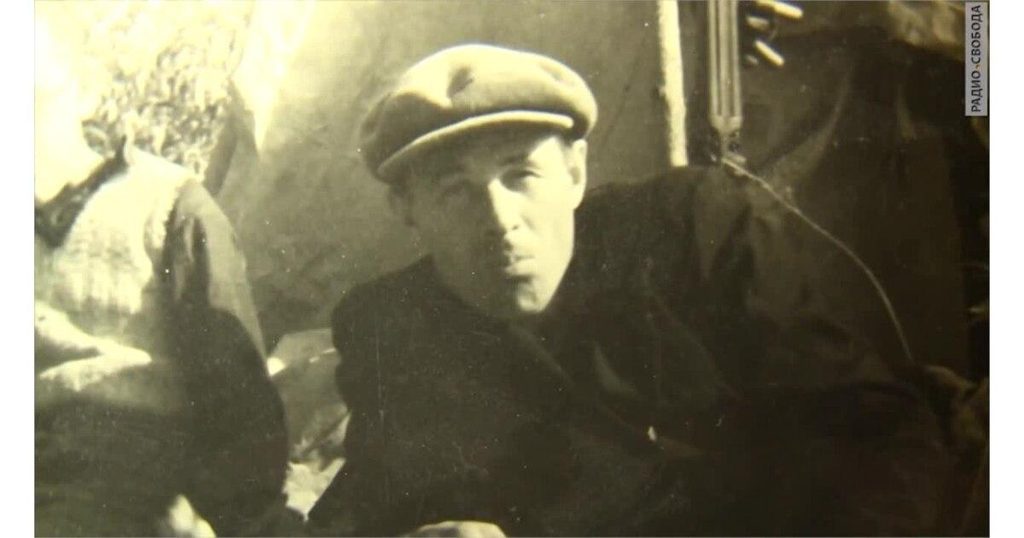
The commission’s October 31 report said it largely confirmed his allegations. On Nazino itself, investigators found thirty-one mass graves. Local officials said each contained fifty to seventy bodies, but there was no reliable record of who lay in them.
The commission also acknowledged cannibalism and the conviction of eleven people for it. Yet it declared that its inquiries had established no cases motivated by hunger. Cannibalism, it concluded, was exclusively the work of “sadistic elements.”
That conclusion appeared in a report which also described inadequate food, exhausted bodies, uncontrolled ration distribution and the continuing deprivation of the survivors.
Some local officials faced prosecution and imprisonment. The findings remained secret. Beyond the surrounding villages, the island’s history stayed largely buried for decades.
In 1989, researchers from the Memorial organization traveled through the area collecting testimony. Archival disclosures in the early 1990s helped connect villagers’ memories with what Soviet officials recorded in 1933. The island already had names locally. People called it Cannibal Island or the Island of Death.
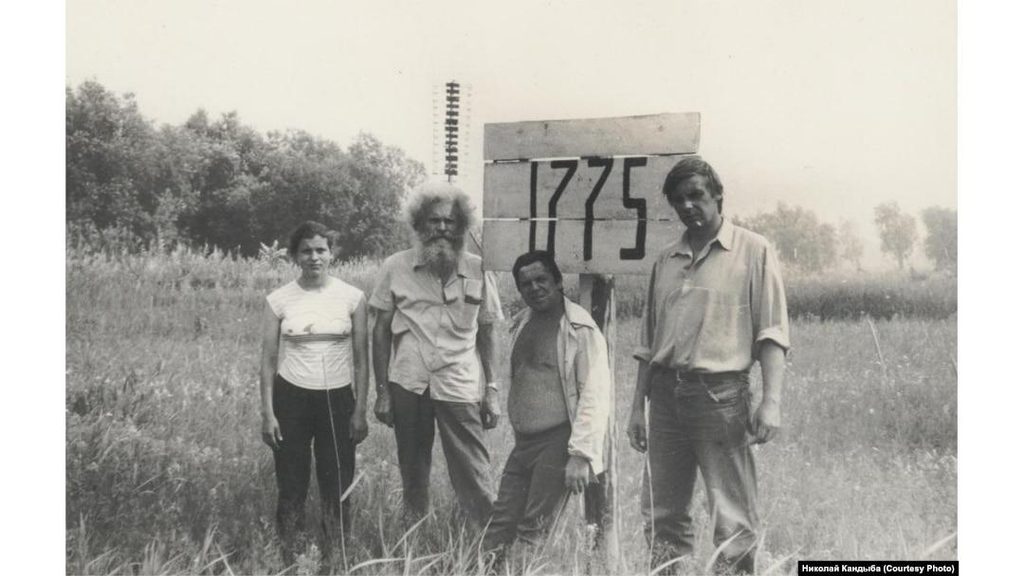
One witness, Feofila Bylina, remembered a survivor who passed through her home. The collective farm required Bylina’s household to accommodate travelers, including deportees being transported elsewhere. The woman from Nazino stayed overnight in a back room.
Bylina initially took her for an older woman. She was actually only a little over forty and could still move without assistance. Then Bylina noticed her legs. Flesh had been cut away from her calves, and she wrapped them in rags because they would not stay warm.
When Bylina asked what happened, the woman explained.
“They did that to me on the Island of Death—cut them off and cooked them.”
For more disturbing stories from history, read about the boy Emperor Nero, who was castrated and married to replace his dead wife, and Carl Tanzler’s macabre love affair with a stolen corpse.