
The man who came onto the telephone told Jo-Anne Pedersen’s family to collect her within half an hour or he would call the police. She was ten, locked out of her house, and calling from outside a convenience store in Chilliwack, British Columbia.
Her mother, Angela Reilly, recalled in a television interview two days later, “I was there between 15 and 20 minutes.”
Jo-Anne was already gone. So was the man.
For decades, investigators sought the stranger seen beside her in the phone booth. They circulated a drawing, reconstructed the encounter on video and asked him to contact them. Anonymous letters suggested that someone knew more about that night than police had been able to establish. Eventually, they identified the man and ruled him out as a suspect. Jo-Anne remained missing.
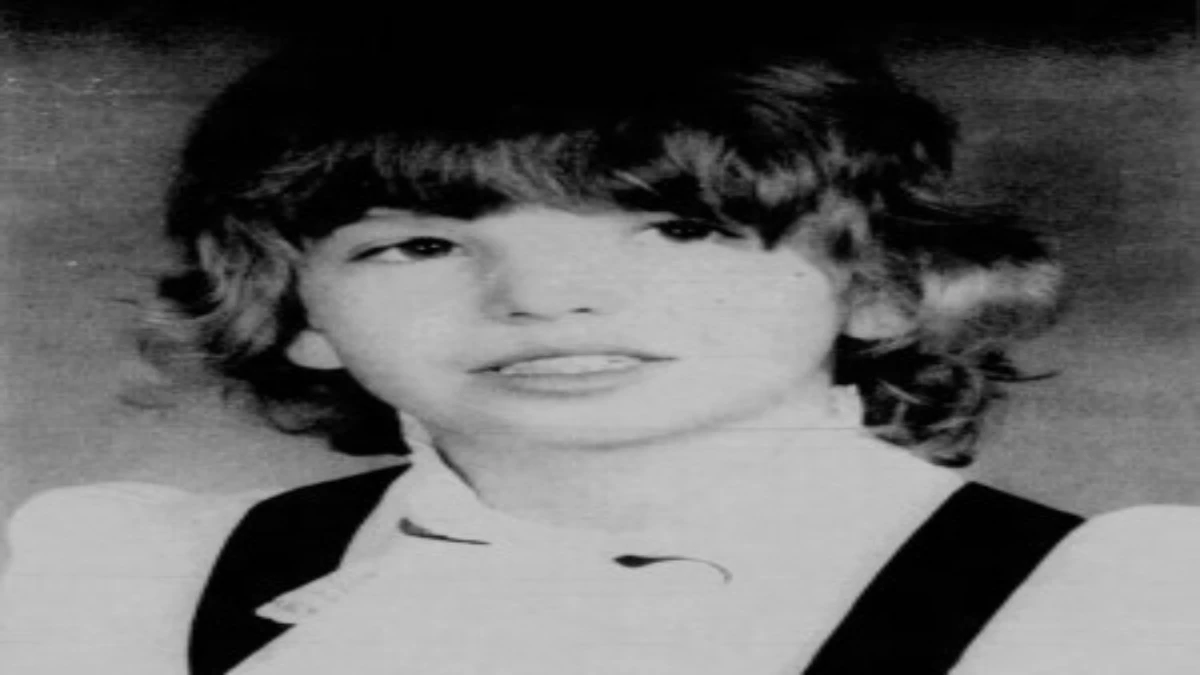
The evening began with an argument between children. On February 19, 1983, Jo-Anne was walking home from a mall with her older sister and a cousin when she and her sister quarreled. The older girls ran ahead and locked her out. Her mother and stepfather were at a Legion hall.
In the account police later gave of the evening, Jo-Anne tried the door for a few minutes before leaving in the cold and rain. By the time her sister opened it, she had gone to find a telephone.
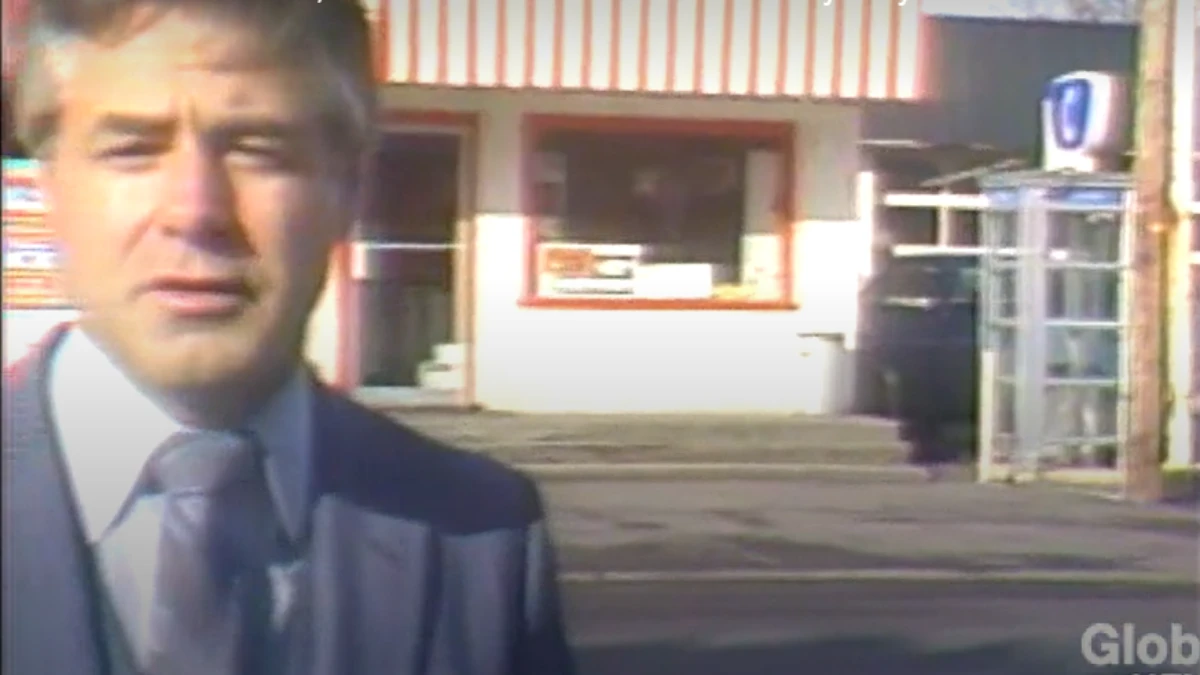
She headed for Penny Pinchers, a convenience store near the intersection of Vedder and Watson roads. The clerk was busy with customers, and Jo-Anne went outside to use the payphone. She contacted the operator for the Legion’s number and reached her family shortly after eight. Her stepfather arranged to collect her.
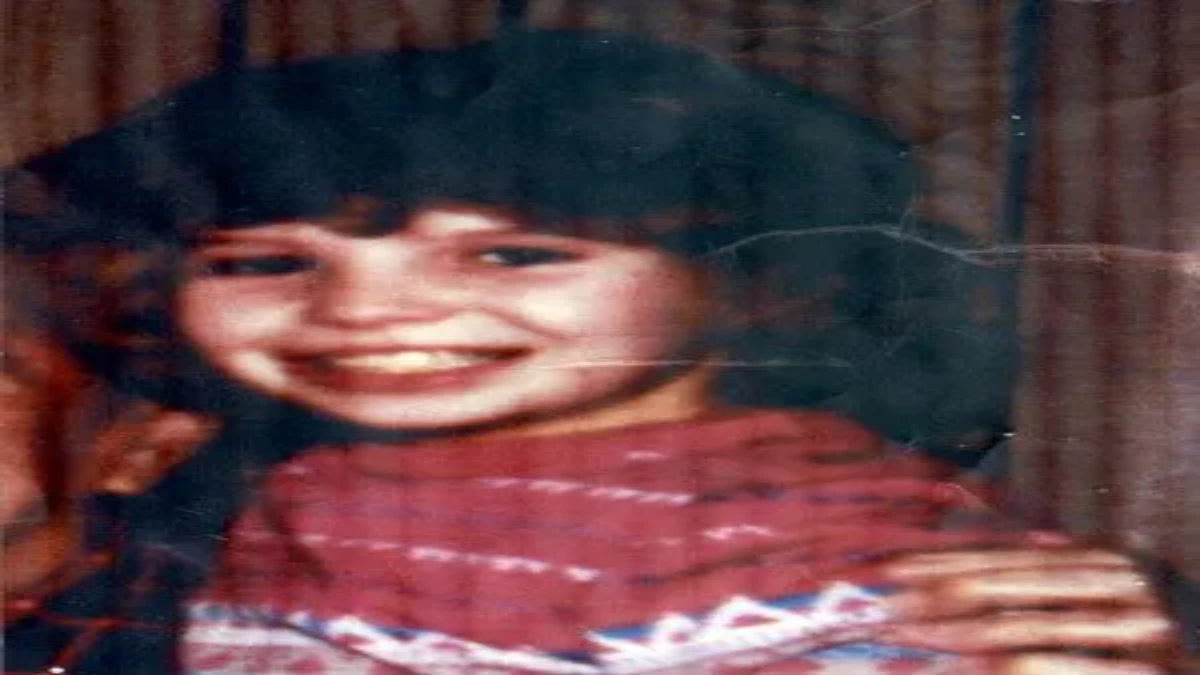
Her family called her JoJo. She attended Watson Elementary and was about four feet six inches tall. That night she wore a pink jacket, a blue sweater and, underneath, a yellow T-shirt with the words “touch of class.” She had gone only as far as the corner store to ask for help getting home.
The stranger’s intervention gave the adults a deadline, but Angela’s account placed her arrival before it expired. Her daughter had told them where to find her. A man beside her had spoken into the same telephone. When the family reached Penny Pinchers, neither was there to explain what happened after the call.
There was a witness inside the shop. Frank Fong, the manager, told reporters that he saw a man wearing a dark jacket standing beside Jo-Anne. But according to UPI’s report four days after the disappearance, he couldn’t help police produce a composite sketch.
Police later said several witnesses had seen Jo-Anne with the man in the phone booth. The sighting would become the subject of repeated appeals, although seeing the two together did not explain how either of them left.
The search spread beyond the shop and the nearby streets, with teams looking from the air as well as on the ground. About a hundred military personnel searched the Canadian Armed Forces base and surrounding area. Two professional rescue teams and ten police officers extended the effort through residential neighborhoods, woods and farmland. Residents were asked to check their own buildings and properties.
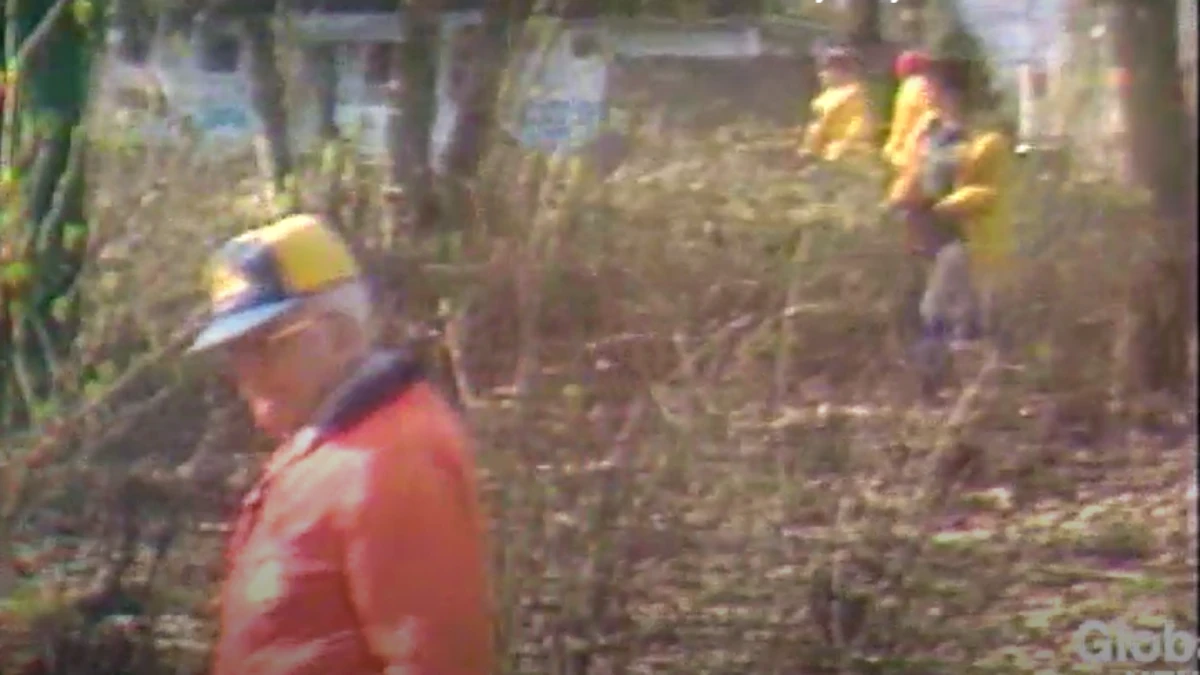
By Wednesday, hundreds of tips had come in. RCMP Sergeant Dave Ayres could offer little reassurance about what they had produced.
“We’ve had hundreds of phone tips but nothing substantial so far,” he said.
The interviews continued long after those first searches. By November 1983, according to crime writer Eve Lazarus’s account, police had questioned more than 3,000 people, including 300 possible suspects. They had not found Jo-Anne, and the man seen with her remained unidentified.
As the years passed, the appeals had to account for the possibility that anyone who encountered Jo-Anne would be looking at an older girl. In October 1990, Windspeaker carried a full-page missing-children appeal. Among six faces was Jo-Anne’s, with the words “Computer Update” beside her name. She would have been eighteen that year.
Her birth date and the date she vanished appeared beneath the altered portrait. The advertisement, sponsored by Indian and Northern Affairs Canada, listed organizations that could take information. It also addressed a reader who might be missing herself. “If you are an abducted child,” its appeal began, before extending the request to anyone who could help locate one.
Alongside the photographs were telephone numbers for organizations in Calgary, Vancouver and Ottawa, and the National Centre for Missing Children in Washington, D.C. The investigation, meanwhile, kept returning to the adult who had stood beside Jo-Anne at the phone booth.
In February 2008, as the disappearance approached its twenty-fifth anniversary, Chilliwack RCMP and Crime Stoppers brought that encounter back before the public. A video reconstruction posted by the detachment revisited the phone booth and asked for help identifying the man. Police also circulated a composite drawing.
The detachment described the investigation as a top priority for its Serious Crime Unit and said it remained confident the disappearance could be solved. The new footage was a dramatization of the encounter, made to prompt information about the night Jo-Anne vanished.
The appeal made a deliberate distinction about the person they were seeking. “We believe this individual was trying to help Jo-Anne that night,” the RCMP wrote in the video’s description. They believed he might still be living in the Fraser Valley and wanted to speak with him.
After consulting a behavioral scientist, police were emphasizing the possibility that the man had been helping. They hoped that making their position clear would persuade him to speak to them. His identity was still unknown, but the public message to him had changed.
Angela joined the appeal. In a videotaped message released by police, she recalled a daughter who sang and asked the man to come forward. “As a mother, I’m pleading with you to come forward. Please do that for me.”
The renewed publicity produced fifty new tips, according to Lazarus. It also brought an unsigned letter claiming to come from the man in the phone booth. Investigators considered the information significant but withheld the contents as they appealed for its author to contact them.
In an appeal reported that April, police addressed the author directly. They said the writer would know which letter they meant and asked that person to contact investigators. They offered the detachment’s telephone number and the alternative of making an anonymous report through Crime Stoppers.
Three years later, another letter arrived at the Chilliwack detachment. It was handwritten and unsigned, enclosed in a plain white envelope without a return address. Police again had information about Jo-Anne without a name attached to it.
A published excerpt, credited to the Chilliwack Progress, showed the opening on lined paper, dated August 28, 2011. Above it was the envelope, addressed to the RCMP in Chilliwack. The writer began, “I thought I bring this info forward. This may or not be, useful.”
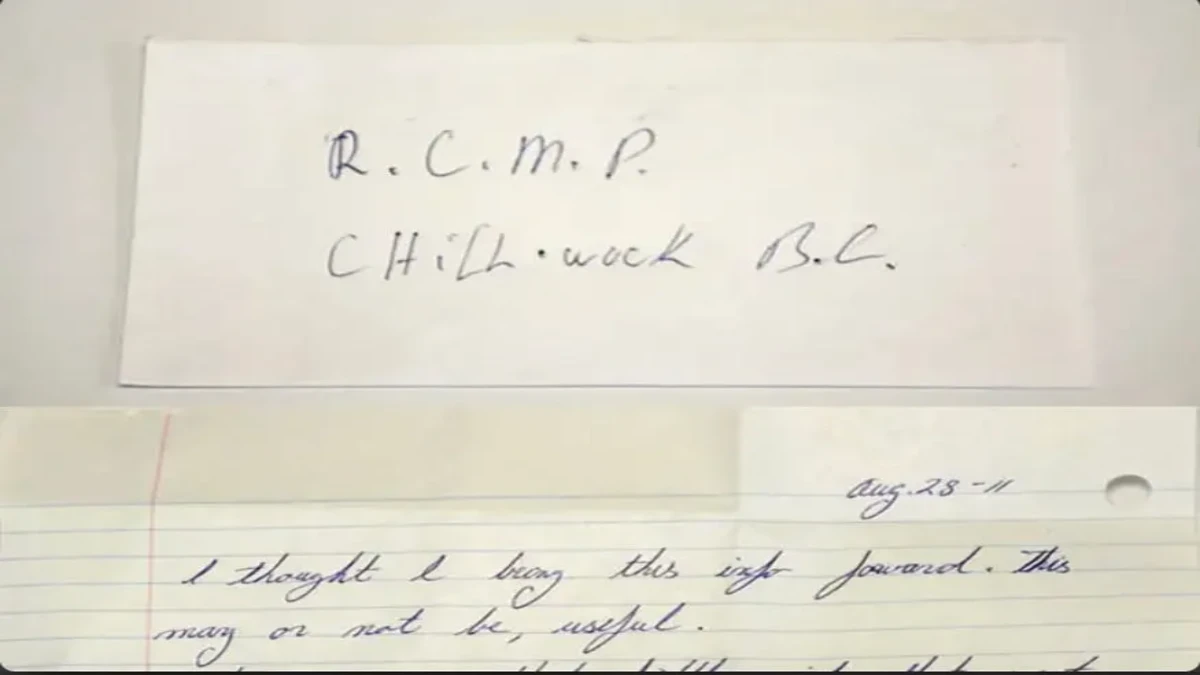
Only a small portion of the letter appeared in the image, enough to show the handwriting without revealing the full account. Investigators sought someone who could identify the writer. In September, RCMP Corporal Tammy Hollingsworth described how little they knew about that person.
“We have no indication who this person might be — male or female, what their involvement is or was in the investigation.”
Police believed the writer could supply more information, including something about the man beside Jo-Anne. They wanted that person to contact them, but Hollingsworth’s statement left open who the author was and what connection they had to the disappearance. The letter writer and the man at the booth could not simply be assumed to be the same person.
By February 2013, police had received three anonymous letters over five years claiming knowledge of events leading up to Jo-Anne’s disappearance. They were still trying to contact the writer. Thirty years after the call from Penny Pinchers, Angela was still waiting for news of the daughter who never arrived home.
In News1130’s anniversary report, Angela said she thought about Jo-Anne every day. She wanted whoever held information to send something investigators could use. Her hope continued to include the possibility of a reunion.
“I always believed that Jo-Anne will come home one day,” she said.
She also described the waiting. “I remember her as everything, and [I’m] just waiting for her.”
Another decade passed before police announced that the man at the phone booth had been identified. The development appeared in a brief statement issued in February 2023, just before the fortieth anniversary.
“Recently police were able to identify this male and rule him out as a suspect,” the RCMP statement said. His identity would not be released.
Police did not explain how they identified or excluded him, say whether he had been interviewed, or disclose what he might have told them.
The drawing and reconstruction remained part of the case’s history, but the man they depicted was now someone police had cleared. There was still no public explanation of what happened to Jo-Anne after the call.
The Serious Crime Unit continued to investigate and follow up tips. Identifying him had not brought Jo-Anne home.
Jo-Anne’s name appeared again in Metro Vancouver Crime Stoppers’ Missing Children’s Day appeal in May 2026. Beside it was the length of her disappearance, forty-three years. The organization continued to accept anonymous information about where missing children might be found, including from people unwilling to approach police directly.
Older descriptions of the encounter survived the announcement. In late 2026, the MissingKids.ca case page still described the person beside Jo-Anne as an unidentified man. That wording belonged to an earlier stage of the investigation. Police had resolved his identity and excluded him as a suspect, even as the old description remained attached to her missing-child appeal.
The appeal itself continued. “We are still searching for Jo-Anne,” a caseworker’s message on the page said. It asked anyone who knew something about the girl taken from the payphone to speak up. Her birth date, May 17, 1972, appeared below the message, followed by the date she disappeared.
Jo-Anne would now be fifty-four. Her national RCMP missing-person file still lists the pink jacket, blue sweater and yellow T-shirt. It also carries an age-progressed picture of what she might have looked like at thirty-two.
For more unsolved disappearances, read about Angela Hammond’s disappearance from a Missouri payphone, or the eyewitness account at the center of Heather Teague’s disappearance.
Image rights notice: If you are a copyright holder and have concerns about an image used in this article, please contact us. We will review your request and remove the image where appropriate.