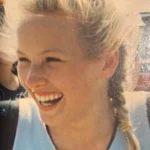

At passport control in Nairobi in October 1990, Corinne Hofmann promised that she and her baby daughter would be back in three weeks. She carried a letter signed by the child’s father, her husband, Lketinga.
She intended to stay in Switzerland. In her account of the departure in Back from Africa, she said she took only a few clothes and nappies so Lketinga would not suspect her plans. Three years earlier, she had sold her business and spent months searching for him.
When she first visited Kenya in December 1986, Hofmann was 26 and ran a successful shop in Switzerland, selling bridal wear and secondhand clothes. She traveled with her boyfriend. She later insisted she was happy with him and hadn’t looked for another man.
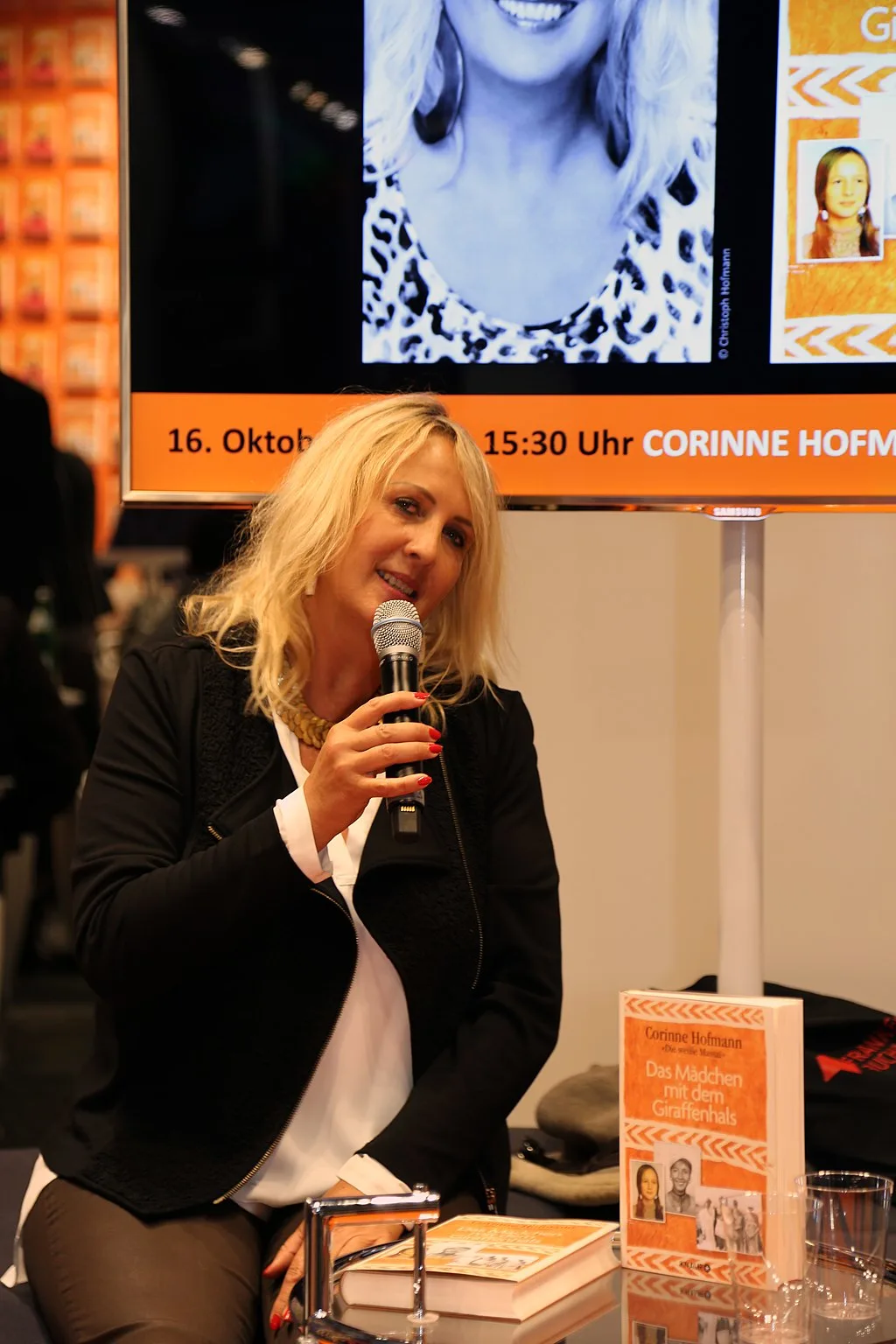
Kenya appealed to her immediately. In the opening of The White Masai, she remembered feeling at home almost as soon as she landed. Her boyfriend greeted the country differently. “This place stinks!” he said.
A few days later, after sightseeing in Mombasa, they boarded the Likoni ferry. Her boyfriend pointed out a man on the quayside, wearing a short red cloth, jewelry, and long, reddish braids. Hofmann could barely look away. “It’s as if I’ve been struck by lightning,” she wrote.

The man was Lketinga Leparmorijo, a Samburu warrior. Hofmann knew almost nothing about him, and she didn’t speak the English that might have helped them start a conversation. But over the following months, she ended the relationship, sold her shop, and arranged to return to Kenya.
When she arrived in 1987, Lketinga was no longer on the coast. Finding him meant traveling north toward his family’s home in Barsaloi. She searched with photographs, a pursuit she later told Australia’s 60 Minutes lasted three months. Friends questioned whether she could live as he did. Her mother told her she no longer recognized her.
Hofmann stayed when she found him. She shared a small hut with Lketinga and his mother, with an open fire and no running water or toilet. The woman who had managed her own business now had to learn the work expected of her in his household.
She walked a kilometer and a half to the river to wash and was expected to cook and herd goats. She could not touch Lketinga affectionately in public, she told the Austrian broadcaster ORF, and even when they were alone, the gestures she associated with intimacy could be unwelcome.
In a German-language interview with taz, she said Lketinga did not kiss, and that touching his face or genitals was unacceptable.
Their 1988 wedding brought a more serious difficulty. Hofmann recalled learning that she would be expected to undergo genital cutting before marrying him. Lketinga told his family that European girls had already been cut as babies, she explained at a later public appearance. She was spared the procedure and married him in a white dress.
She continued to describe his intervention as an act of love. She also remembered his care during the illnesses that repeatedly interrupted their life together. She suffered attacks of malaria, became ill with hepatitis, and was evacuated by the Flying Doctors. With food uncertain, her weight fell to 48 kilograms, about 106 pounds.
When she was ill, Lketinga washed her clothes and fetched water, work she understood women were normally expected to do. “That was worth more than an ‘I love you,'” she told Taz, in translation.
She opened a shop in Barsaloi, selling maize flour, rice and sugar. Retail was work she knew, and the business could support them. It also required serving male customers. In Hofmann’s account of those years, the dealings that kept the shop going fed her husband’s suspicions. Ordinary exchanges with men became occasions for accusations.
Their daughter, Napirai, was born in July 1989. Hofmann remembered being delighted about the pregnancy, but Lketinga questioned whether the baby was his. In a letter she later wrote explaining why she left, Hofmann said that accusation was the point when her feelings changed. She had wanted no other man.
The couple moved back toward the coast, where Hofmann opened a souvenir shop. She hoped they could try living together again. The business attracted tourists, but the arguments continued. Lketinga’s doubts extended to her correspondence with people in Europe.
In Back from Africa, she described him checking her letters and sometimes taking them to German speakers to test her translations. If he disapproved of a letter, she had to burn it. She also remembered his drinking and her fear when he returned home drunk.
In October 1990, she left with Napirai under the pretense of visiting family. Lketinga signed the letter she carried through passport control. From Switzerland, she explained by telephone and in writing that she would not be coming back. Her daughter was still a baby; the next time she saw her father, she would be an adult.
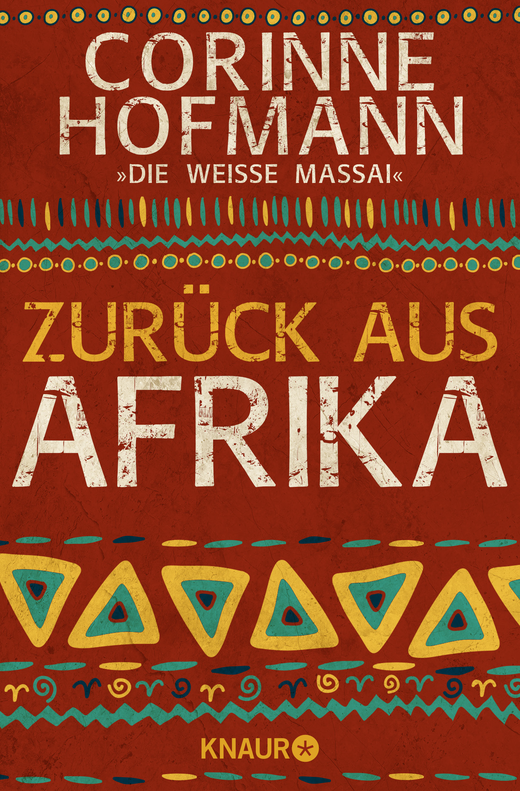
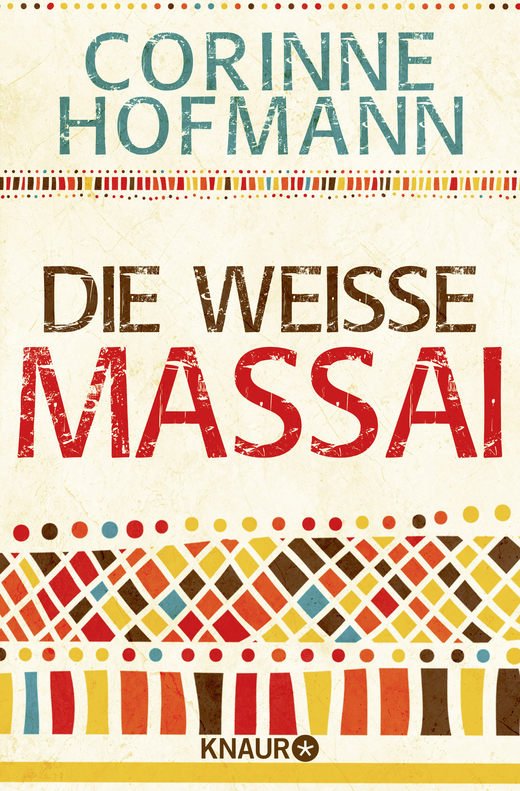
Hofmann found work in sales and brought up Napirai in Switzerland while maintaining contact with the family in Kenya. In 1995, she began writing about the marriage and produced a manuscript. The White Masai appeared in August 1998, eight years after her departure.
The book’s title used the better-known Maasai name for a husband who was Samburu. According to Hofmann’s official account of its success, it eventually sold more than four million copies worldwide.
When a Le Temps reporter visited in 1999, Hofmann juggled her sales job with interviews, photographs, and public appearances. Napirai was nine. Her father remarried in Kenya, and Hofmann sent money to his family. The people readers knew from the book were still part of her life, although she had not gone back to see them.
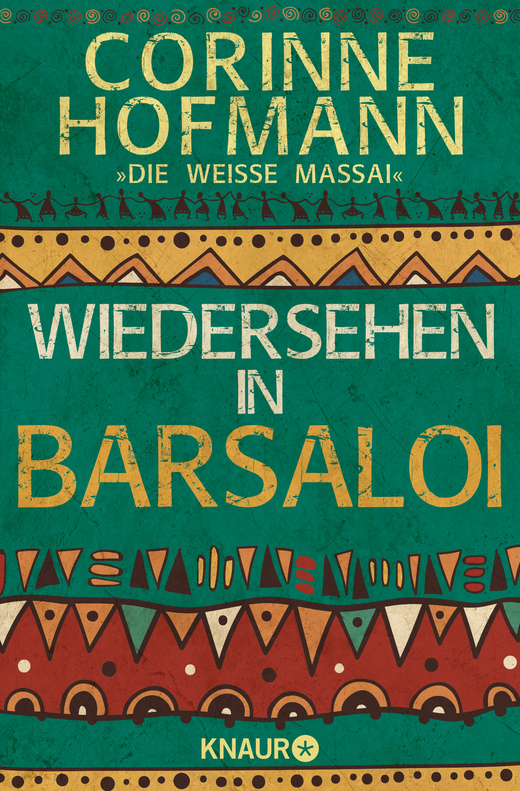
The film adaptation brought her back to Kenya in 2004. While helping with the production, she returned to Barsaloi for the first time in fourteen years. Napirai remained in Switzerland. Hofmann did not know how her former husband would receive her.
She described being welcomed by Lketinga and his mother, the woman with whom she once shared a hut. Lketinga still regarded her as his first wife. That visit became Reunion in Barsaloi.
The film reached cinemas in 2005, and Hofmann found herself explaining the difference between her marriage and the version on screen. The film renamed characters and compressed events. She liked the adaptation but objected to the way coverage repeatedly reduced the relationship to sex.
An interviewer asked what she would do if she were 26 again. “I’d do it all over the same,” she replied.
Her affection for Lketinga sometimes put her at odds with her audience. At a 2008 appearance, someone disparaged his lack of education. Hofmann defended him. He knew how to find water and protect her in the bush, she said. He was intelligent even though he could not read.
Readers were also asking about the child she had taken home. “After I wrote The White Masai, readers kept asking me when I was going to write about my daughter’s first time in Kenya,” Hofmann told Swissinfo.
For years, Hofmann would not allow such a visit. She feared that if Lketinga asserted a claim to their daughter, Napirai might be prevented from returning. Once Napirai reached adulthood, the decision depended on whether she was ready to meet a father she did not know. Letters from Kenya had kept the family in contact, but she had grown up in Switzerland.
One unusually long letter from Lketinga’s younger brother helped change that. He wanted to meet his niece, whom he called “our Napirai.” Hofmann read the letter aloud to her daughter.
“I think I’m ready now. Couldn’t we go in the summer?” Napirai said, according to her mother’s recollection in Abendzeitung, translated from German.
They traveled in August 2010, when Napirai was 21. They planned to meet her uncle before continuing to the village. Her father arrived sooner than expected and joined them on the first day in Maralal. Hofmann had anticipated a restrained greeting.
Instead, she recalled, Lketinga rushed to his daughter and embraced her. He then sat looking at her for half an hour, trying to keep his emotions under control. Hofmann watched the two together. She had stayed in touch with his family for twenty years, not knowing how this meeting would go.
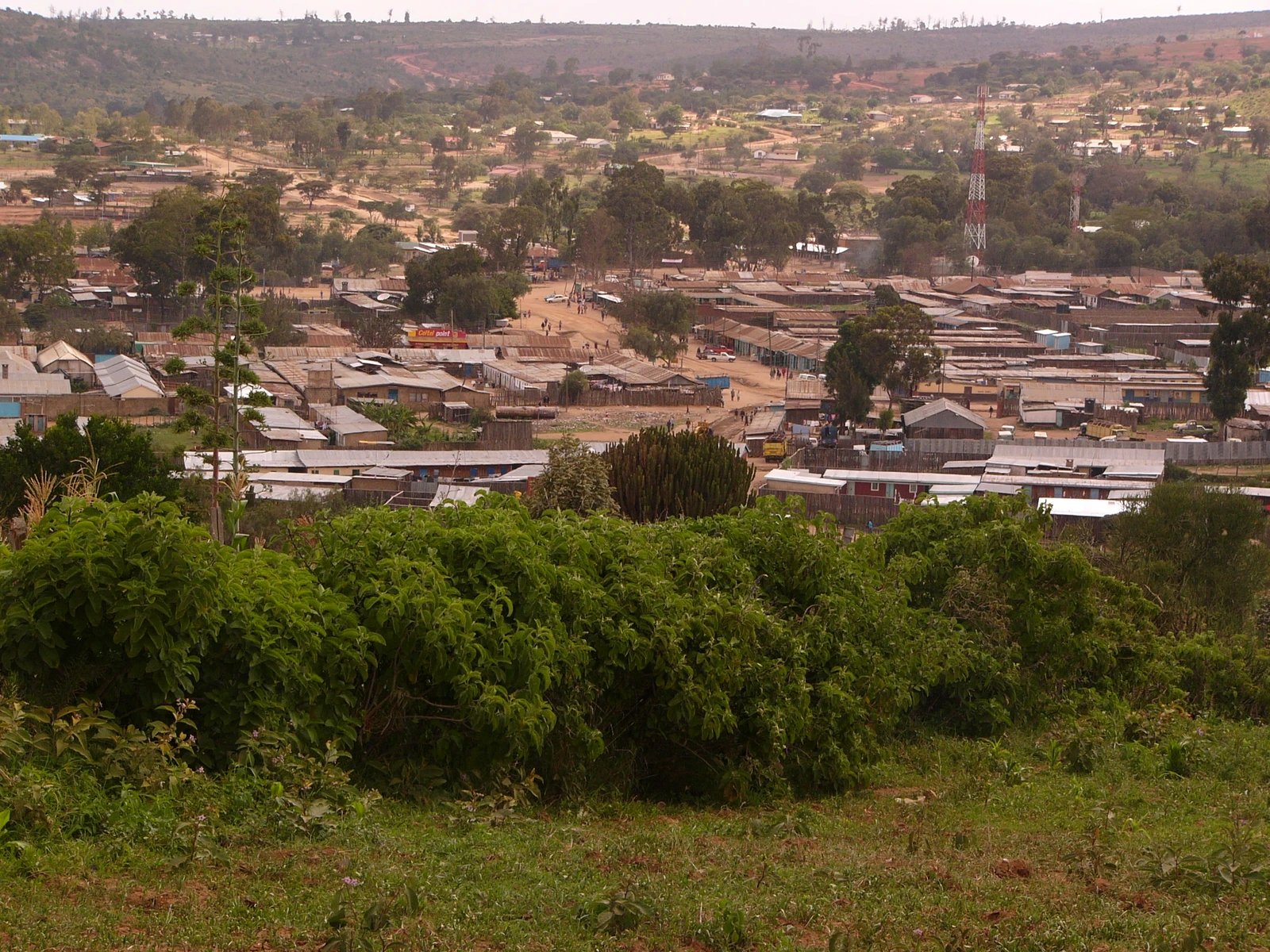
They continued to Barsaloi, where Napirai met her grandmother and younger half-siblings. Her mother described the embrace between grandmother and granddaughter as especially moving.
Lketinga and Napirai remained in touch. By 2022, when reporters visited him in Lulu, another village in northern Kenya, he was living with two later wives and eight children. He kept goats and cattle and received a share of the money from Hofmann’s book and film.
He also had his own account of the relationship that made him famous. Speaking to Der Standard, he broadly accepted the events in the book and said Hofmann had told him she wanted to write it. “I agreed because I had done nothing wrong,” he said, in translation.
When she first found him, he remembered being nervous, unsure what she wanted. He did not recall sharing her immediate certainty. “It took some time for us to get to know each other,” he said.
His contact with Napirai had its own difficulties. They used WhatsApp, but his English was limited, and she spoke little Maa, his language. In an interview with Kurier, he said she last visited about seven years earlier.
“I would very much like to visit my daughter in Europe, but that is probably impossible,” he told the newspaper, in translation.
In November 2026, Hofmann announced that Lketinga had died. She did not disclose the cause. “He shaped my life like no one else,” she wrote in German, before making a promise about the family he left behind.
“We will continue to support his wife and his other children.”
For more extraordinary lives, read about Beatriz Flamini’s 500-day experiment in a cave, or the widow whose home became the Winchester Mystery House.
Image rights notice: If you are a copyright holder and have concerns about an image used in this article, please contact us. We will review your request and remove the image where appropriate.