

On March 6, 1999, the Florida lottery drew its numbers. That Saturday, no one at the Waffle House in Grand Bay, Alabama, knew it yet, but one of the winning tickets was already sitting in a customer’s envelope.
Tonda Dickerson, a 28-year-old divorced woman living in a mobile home, was working her breakfast shift. Edward Seward, a long-haul truck driver and regular, sat down at her table.
When paying his bill, Seward gave Tonda a few Florida Lottery tickets in place of a cash tip. He was known for buying these tickets during his Florida trucking routes and often used them as tips for servers.
The exchange was uneventful, and Tonda thanked him, pocketing the tickets as she refilled the coffee cups. There was no celebration or special acknowledgement, and she went back to work.
The ticket sat with Tonda for almost a week while she continued doing her shifts at the restaurant. The next week, the lottery drew the numbers for the $10 million jackpot.
Tonda checked the ticket numbers against the official drawing results. To her shock, she held the single winning ticket. She immediately quit her job at the Waffle House and took $10 million, paid out over 30 years, rather than a $5 million payout.
It was the sensible thing to do. On Paper, Tonda was set for life and would probably never have to work again. In reality, she was about to spend the better part of ten years fighting to keep her own money in court and even at gunpoint.
The Day after She Won
Because Tonda won the lottery on a weekend, the next 24 to 48 hours were a frantic scramble by her family to secure the winnings. Word of the $10 million winning ticket spread through the small town of Grand Bay.
Tonda’s former Waffle House co-workers confronted her, claiming the restaurant staff had a long-standing verbal agreement to pool and split any lottery tickets that were received as tips. They also demanded an 80 per cent cut, split four ways among them.
Tonda was adamant that there was no such formal agreement concerning individual tips given to a specific server. She refused their demands, prompting her former colleagues to seek legal redress and sue her.
Overwhelmed and shaken by the hostility from her peers, Tonda turned to her father for advice. Recognising that this was spiralling into a legal battle, Bobby Reece contacted a lawyer on his daughter’s behalf.
To protect the money from lawsuits and keep it a family asset, Tonda’s father initiated a plan to create a corporate shield. Reece established a family-owned Subchapter S corporation named 9 Mill, Inc.
Instead of leaving the price in Tonda’s name, the family structured the corporation to distribute the wealth appropriately. 49% of the stock would be allocated to Tonda.
The remaining 51% of the stock was split among the family members, including her father, brother, mother, and sister. Tonda signed the back of the physical ticket not as a person, but in an official capacity as the President of 9 Mil Inc.
The family then rushed the paperwork to the Florida Lottery Commission headquarters to claim the prize. They were also permanently locked in a 30-year annuity option, receiving $354,000 annually.
What they failed to anticipate was that the startup venture would draw the attention of the IRS. It would also trigger a battle with co-workers that would stretch on for several years.
Lawsuit From the Co-workers
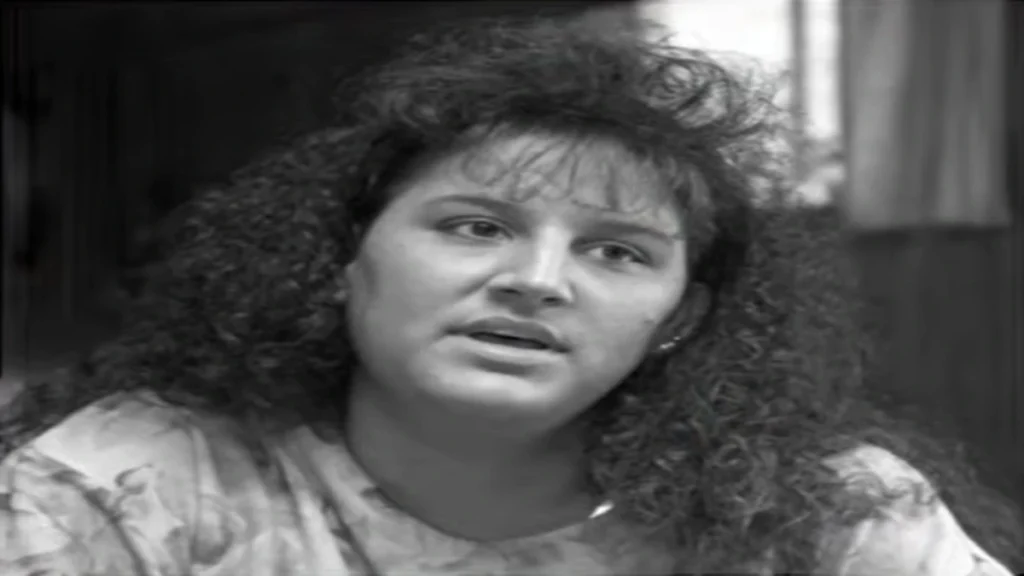
Less than two weeks after the lottery draw, her four co-workers filed a lawsuit against Tonda, alleging an oral agreement to share any lottery winnings if one of them won.
The four plaintiffs in this case were Sandra Deno, Matthew Adams, Jackie Fairley, and Angie Tisdale. All four alleged that Seward typically gave lottery tickets to Waffle House staff members.
At some point, the group agreed that all major wins would be split equally among them. According to them, Tonda was part of the agreement and broke that promise.
The plaintiffs asked the courts to grant an injunction to prevent the distribution of the winnings until their rights were determined. On March 19, 1999, the court ordered that all parties refrain from any actions to collect the funds from the Florida Department of Lottery.
This order was maintained for the entire course of the trial. In April 1999, the co-workers testified at the Mobile Circuit Court that they all agreed to split any winnings from lottery tickets given as tips.
The plaintiffs even presented a couple who regularly ate at the same Waffle House and testified that they had heard about the agreement. A jury decided against Tonda in favour of the co-workers, but she was not ready to give up.
She turned down a settlement that would have allowed her to walk away with $3 million and decided to gamble. This paid off.
Tonda Dickerson’s legal team presented a statutory argument to the Alabama Supreme Court in an appeal in 2000. They claimed that even if there was a verbal agreement to split the lottery tickets, it was void under Alabama state law.
According to Alabama code, § 8-1-150, all contracts that are based on gambling consideration cannot be enforced, since the public lottery was illegal in the state.
The courts were required to consider the law rather than fairness.
This ruling reversed the lower court decisions in favour of Tonda. It was handed down on February 18, 2000, setting a legal precedent within the state.
Seward Returns
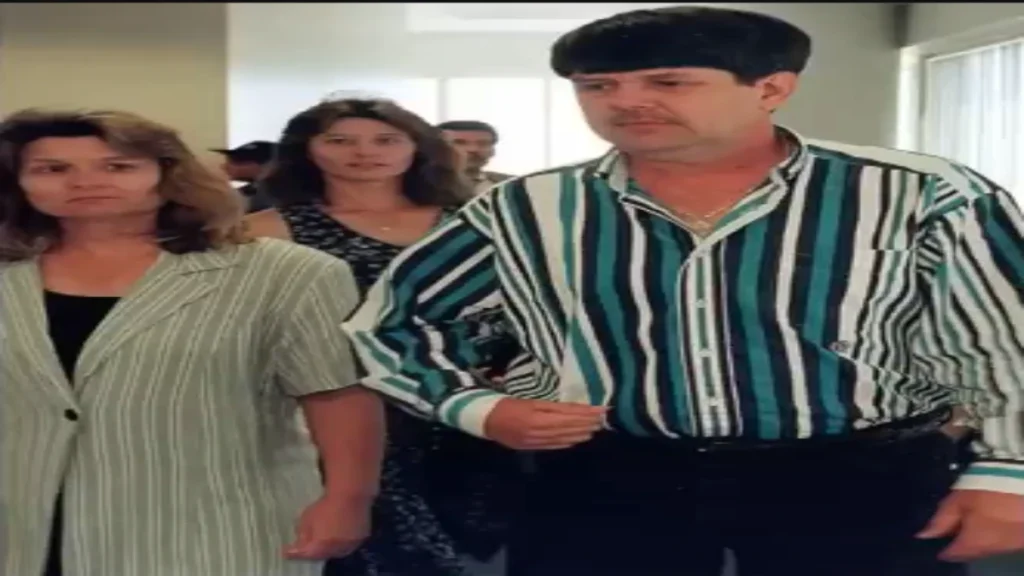
Now that the legal issues involving her co-workers had been resolved, Tonda expected to enjoy her winnings in peace. That was not the case.
Edward Seward, who had given the winning ticket, now challenged the validity of his gift to Tonda. He claimed that he was promised a new truck by the staff at the Waffle House if one of those tickets won a major prize.
His argument was based on the theory that Tonda had committed fraud by claiming she would share the winnings. This was through Waffle House staff discussions he allegedly overheard.
The Mobile County Circuit Court threw the case out. They also determined that Seward had never talked with Tonda about what would happen if the ticket he gave her turned out to be a winning one.
Tonda did not ask Seward to give her a ticket, and neither did he expect to receive any money should it be a winner. The Supreme Court confirmed this in Seward v. Dickerson (2002).
Kidnapped by Her Ex-husband
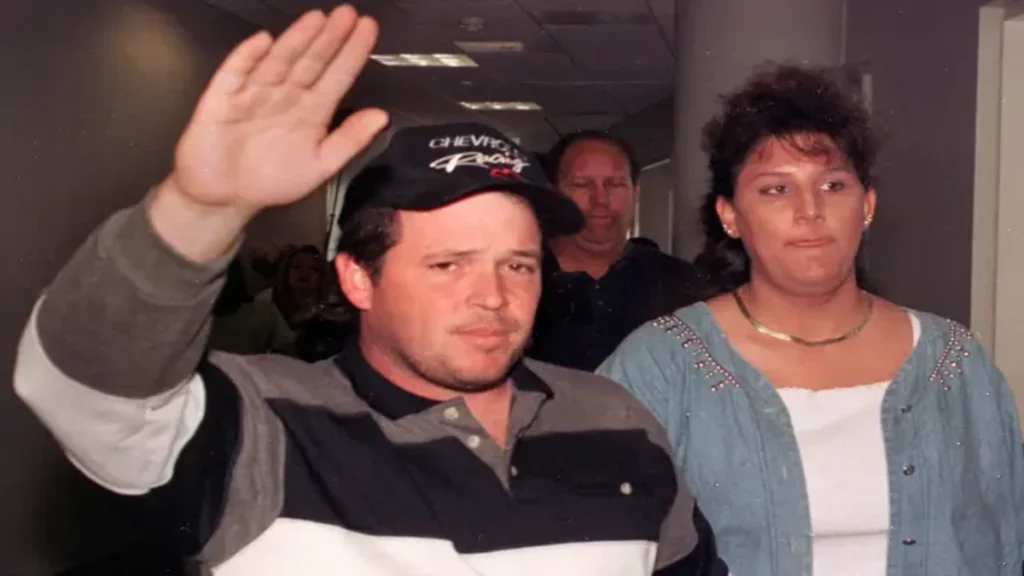
Back in 1997, two years before she won the lottery, Tonda had divorced from her former husband, Stacy Martin. The split was finalised long before the win, but her windfall brought unwanted attention.
Martin had already been showing troubling behaviour during the period after the jackpot. He was linked to a break-in in 2001 at the Dickerson home and spent some time in jail.
In April 2002, while Edward Seward’s appeal was still pending, Tonda drove to a public boat launch on the Jackson River in Grand Bay. Martin was waiting there, and as soon as she stepped out of her vehicle, he rushed Tonda, brandishing a gun.
Martin forced Tonda back into her vehicle and ordered her to drive. She was forced to drive to a remote area in Mobile County, and Martin held Tonda captive for several hours.
During this time, he threatened Tonda and demanded a portion of her lottery winnings. Martin also forced Tonda to call her boyfriend to claim she was safe, which was an attempt to prevent others from realising she had been taken.
During the abduction, Tonda took advantage when Martin’s was looking away. She got a small handgun from her purse and fired at him.
She managed to hit him in the chest, ending the immediate threat. Tonda then convinced a profusely bleeding Martin that he needed medical attention and drove him to the emergency room at Singing River Hospital.
Authorities from the Mobile County Sheriff’s Department were notified and conducted an investigation into the events leading to the kidnapping. They determined that Tonda’s actions were an act of self-defence.
Martin pulled through, but he was never directly held responsible in court. He was held by police and faced local municipal court proceedings due to jurisdictional handoffs.
So he eventually walked away after a brief stint in local custody.
IRS Gift Tax and the Fight Over 9 Mill, Inc
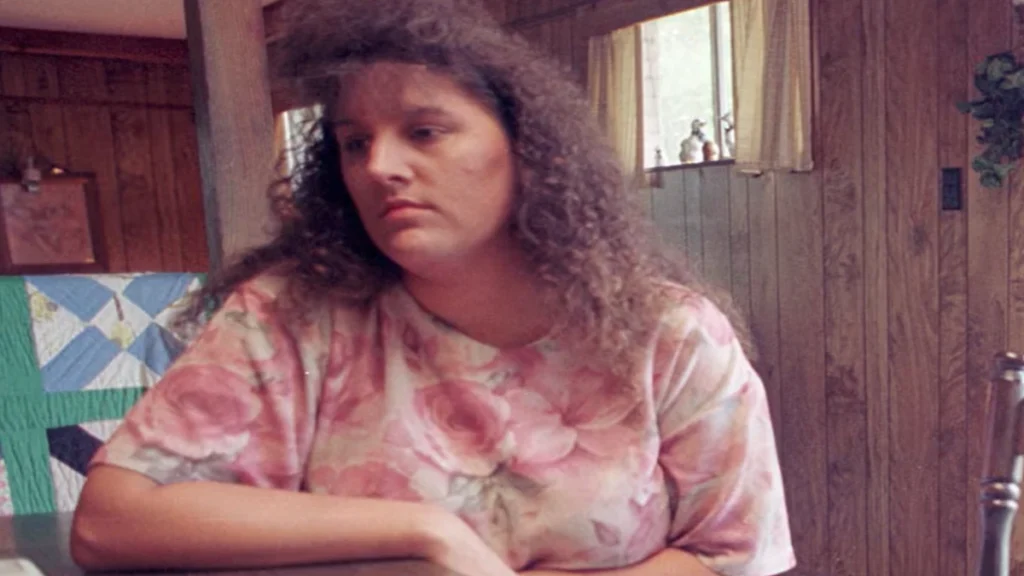
While the kidnapping ended the dramatic chapter over the winnings, Tonda’s troubles were far from over. Now she had to fight with the government over the winnings.
The structure of the 9 Mill S Corporation became the basis for a federal tax dispute that dragged on for several years. The IRS became directly involved when Tonda failed to file a 1999 gift tax return for $2,412,388, which reflected the 51% interest of the other family members in the ticket winnings.
This amount was a taxable indirect gift to her family members who were shareholders. The IRS indicated there was a gift tax deficiency of $771,570.
Tonda’s legal team challenged the IRS on multiple grounds. They claimed there was no gift because the transfer to the family had been made pursuant to a standing agreement to share the winnings.
Secondly, they argued that even if the transfer was a gift, the ticket’s value had to be discounted because four Waffle House co-workers had a legal claim to 80% of the same winnings.
In March 2012, the US Tax Court reduced Dickerson’s tax payment by more than 87 per cent. The Tax Court found that the transfer was a gift but also agreed that the gift’s value could be discounted.
Hence, the pending lawsuit from the co-workers had real weight in the valuation calculation.
The court found a 65% discount, plus 2% for litigation costs, bringing the total to 67%. Because of these arguments, Tonda wound up owing only a small fraction of what the IRS initially demanded.
However, due to her prior divorce, legal battles, and the structured family allocation, Tonda’s take-home pay was drastically reduced. Instead of enjoying the full $375,000 annuity check, her personal payouts dropped to about $90,000 a year after legal bills, taxes, and corporate restructuring.
Where is Tonda Dickerson Today
As a way to escape the lingering local notoriety from her co-workers’ lawsuits and kidnapping attempt, Tonda permanently uprooted her life. She left the small town of Grand Bay, Alabama, and moved across state lines to the Mississippi Gulf Coast.
Tonda also scrubbed her public footprint, avoiding the cameras, talk shows, and media. She adopted a protected lifestyle, keeping personal social media accounts locked under privacy settings to prevent opportunists from tracking her down.
She is currently employed as a professional blackjack and poker dealer in Mississippi. Rather than living off the remaining proceeds, Tonda relies on her job for a structured routine.
While Tonda kept her head down, her story went viral online on TikTok and Instagram. Her story was cited as one of the ultimate lottery curses.
In a rare commentary on retrospective audio projects, Tonda firmly maintained her belief that the lottery ticket ruined her life. She claimed that the prize was a catalyst for extreme betrayal and violence from the closest in her inner circle.
From the week that her lottery ticket was verified, she did not have an uncontested claim to the money. A trial court initially froze the winnings and ordered her to refrain from attempts to collect the money.
In addition, the years of co-worker legal battles, kidnapping, threats, and IRS harassment paint a picture of relentless woes. The story of Tonda Dickerson shows what money can do to people around whoever gets a windfall and how far they may go to take a share of it.
If you’re interested in similar stories on unsolved mysteries and heroic escapes, explore our articles on the Disappearances of Lauren Spierer and the Tromp Family.






Nice story but Tonda’s big mistake was ever telling anyone that she won that lottery. Had she kept it quiet, she would’ve avoided all of that nonsense. It is too bad that you cannot tell people of your good fortune and something like this was bound down to cause problems…..!!