
The rock was too heavy for Flippie Booysen to lift. His colleague Conrad Matthee moved it over a borehole before they left a farm outside Stellenbosch, South Africa, on Friday, May 26, 2017. They were repairing a pump and would return the following morning to finish the job.
When they came back, the rock was no longer covering the hole. Booysen noticed something that looked like a white bag. Matthee thought it was a doll. As they approached, they realized they had found the body of a young woman.
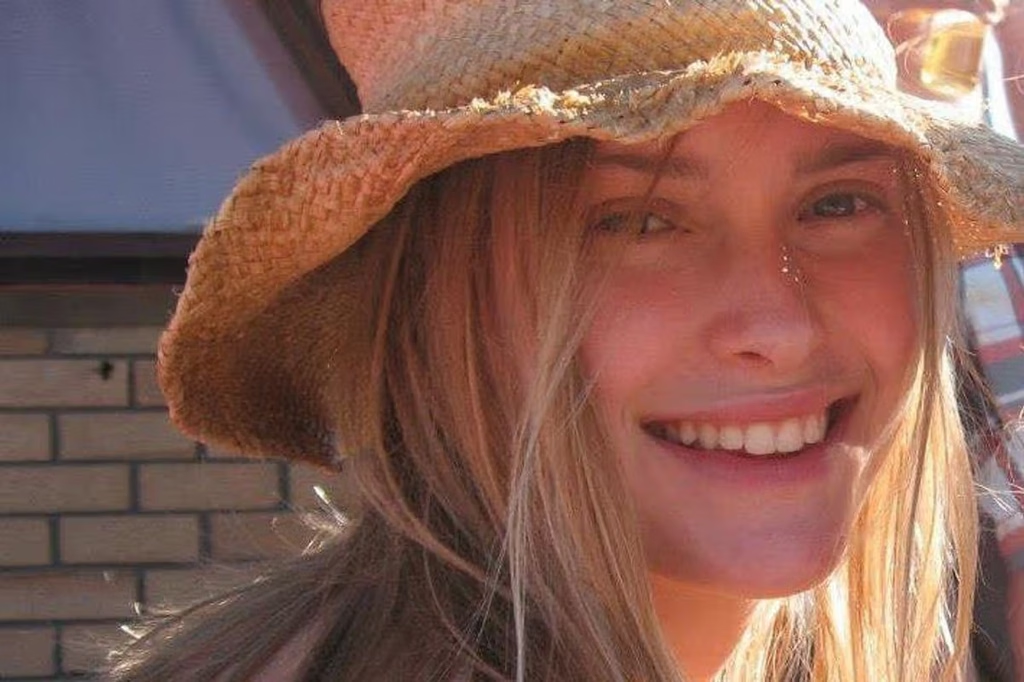
She was Hannah Cornelius, a 21-year-old Stellenbosch University student who had offered a friend a ride home a few hours earlier.
Hannah drove a blue-and-white Volkswagen Citi Golf that her grandmother gave her when she stopped driving. She was studying humanities, planning to pursue languages, literature, and philosophy, then postgraduate studies in France. Her father, Willem, was a magistrate, and her mother, Anna, was a lawyer. To their disappointment, Hannah announced that she had no intention of entering law. She wanted to “do something that would actually help people.”
At sixteen, she declined a birthday party and instead made gift packs for children in the nearby Red Hill informal settlement. She continued the practice on subsequent birthdays. At home, she helped look after her younger brother, who was autistic, and participated in family decisions about his care.
On the evening of May 26, Hannah spent time with friends, including fellow student Cheslin Marsh. Afterward, Marsh walked her back to her residence and intended to make his own way home on his longboard. Hannah insisted on driving him. When he said he could manage, she offered to follow him in the car.
“I said that would be ridiculous, so I agreed to take the lift with her,” Marsh testified.
They were still talking in the parked Volkswagen outside his apartment at about 3:30 a.m. when four men approached. Marsh saw a screwdriver pointed at Hannah and grabbed the attacker’s wrist. Another man threatened him with a knife and forced him into the back seat. They pushed Hannah between the front seats.
The men were Vernon Witbooi, Geraldo Parsons, Eben van Niekerk, and Nashville Julius. Parsons took the wheel. Hannah asked them not to take her grandmother’s car.
“We want to go home, and then we will give you back your car,” the students were told.
Julius left before the Volkswagen drove away. The others took Hannah and Marsh with them.
They stopped along a gravel road near Helshoogte Pass and forced Marsh into the boot. They took his shoes and, during the ordeal, his jacket, earrings, and bank card. He heard demands for his PIN, stops and starts, and voices outside the car. He could also hear Hannah asking where they were going. Her voice was quiet and frightened.
The men drove between places where they could obtain drugs and withdraw money. From inside the boot, Marsh heard a lighter being struck and sounds he associated with smoking. When they finally took him out, they led him into a bushy area near Kraaifontein.
There were bricks beneath a tree. The men ordered him to lie down with his head on them. Two of his attackers held pieces of brick.
“I just closed my eyes and started praying,” he told the court.
He remembered nothing of the beating that followed. They fractured his skull, injured his brain and broke his arm, then left him unconscious and drove away with Hannah.
Parsons subsequently claimed that he wanted only to steal the car and that Witbooi pushed the violence further. But his own testimony established what he understood about Hannah’s position. He said Witbooi handed him a condom and told him she had agreed to sex on condition that they let her go afterward.
“I saw it in her eyes that she was terrified,” Parsons admitted.
They drove to a paintball range on Bottelary Road. Parsons raped her first. Witbooi and Van Niekerk followed. Afterward, they put her in the boot and drove to the farm where the pump technicians had been working.
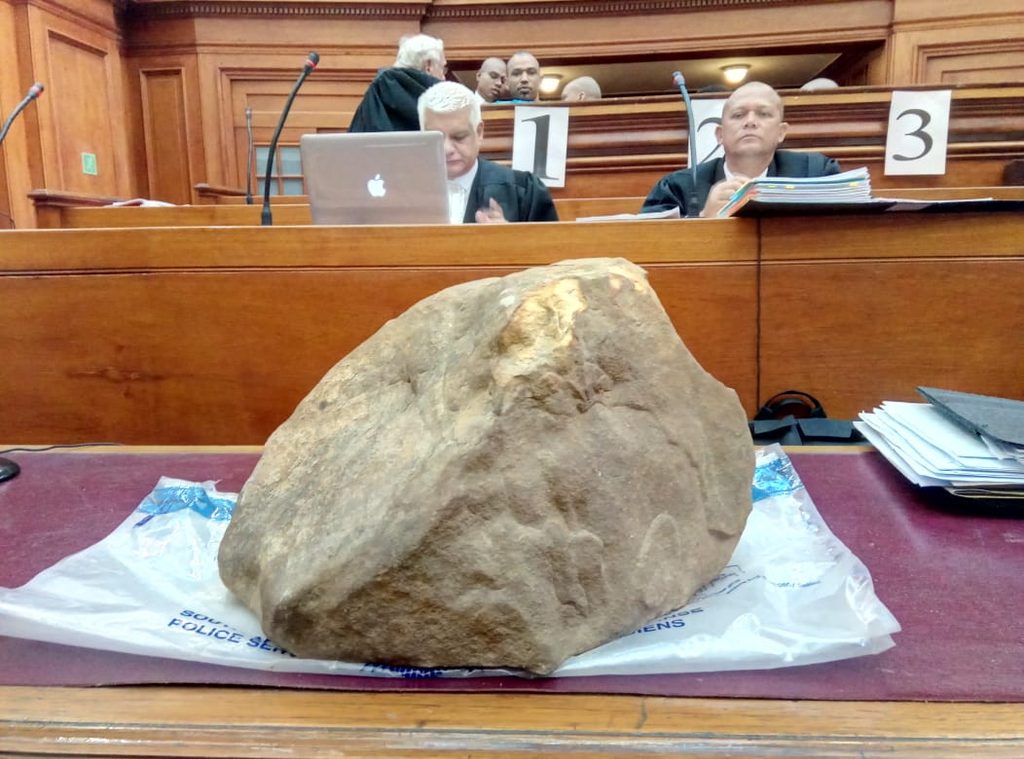
In Parsons’s account, Hannah resisted being pulled from the boot and held on to the car. He said Van Niekerk stabbed her and Witbooi brought a rock, knocked her down, and dropped it onto her head. Parsons portrayed himself as protesting the killing. The court ultimately held all three responsible.
The rock weighed 37.5 kilograms. Hannah had been stabbed twice in the neck before she suffered the crushing blows to her head. One penetrating wound damaged an artery.
The postmortem established severe injuries from the rapes, bruising on her arms consistent with forceful gripping, and catastrophic head injuries. Her head was supported against the ground when it was struck at least twice. The blows fractured her skull and its base and damaged her brain. Pathologist Deidre Abrahams told the court that the head injuries would have killed her very quickly.
The men drove away in the Volkswagen.
They believed Marsh was dead, too. But when he regained consciousness, he managed to stand and make his way to a nearby house. The resident initially mistook the bloodied young man for a drug user and ordered him back over the wall. Marsh begged for help and said the men would kill him. Eventually, the resident opened the gate and flagged down police.
Marsh’s mother, Marilyn, found him covered in blood at the hospital. One of the first things he said concerned Hannah.
“Please tell the police to go look for Hannah; they are going to hurt her,” he told her.
He spent two weeks in hospital. The attack permanently damaged his hearing in his left ear. His broken arm required a metal plate, and the injuries and trauma disrupted his university studies.
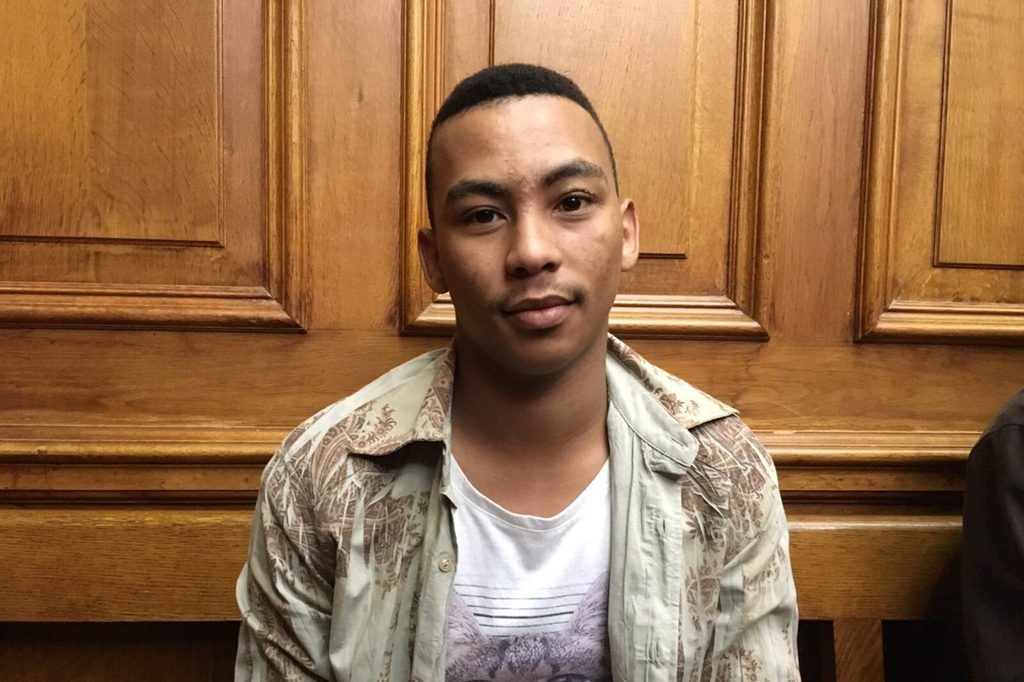
The men in Hannah’s car continued looking for people to rob. At about 8:30 that morning, 20-year-old Ncumisa Qwina noticed the Volkswagen following her in Northpine. She ran, fell, and lost her bag to an attacker. A witness tried to block the fleeing car and recorded its registration number, evidence later incorporated into the court’s reconstruction of the crimes.
At about 1 p.m., Miemie Oktober was walking toward a taxi rank after shopping when a man approached. She initially thought he wanted directions. Instead, he forced her into the Volkswagen at gunpoint.
The men took her jewelry, including her wedding rings, and demanded her bank cards and PIN. She managed to conceal a second phone until a bank notification announcing a withdrawal exposed it. They took that, too. After taking her from place to place and withdrawing money, they released her in Brackenfell.
By then, Captain Carl Loesch of police crime intelligence had interviewed Marsh in hospital and begun retracing the route he described. Loesch spotted a blue Golf with yellow number plates and turned to follow it. He called for other officers without immediately trying to stop the car.
The pursuit ended on another farm that afternoon. Witbooi and Parsons abandoned the Volkswagen and ran. Police caught both men. Police also arrested Van Niekerk and Julius.
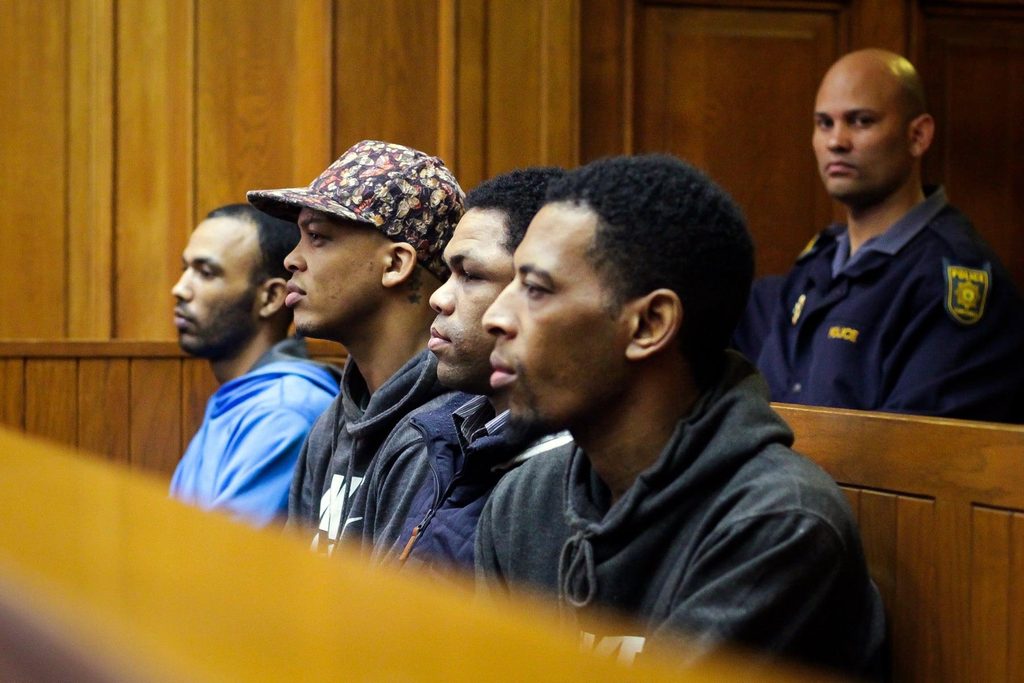
The evidence extended beyond the survivors’ testimony and the stolen car. Although the rapists had used condoms, discarded condoms yielded DNA matching Witbooi and Parsons. The profiles came from skin cells, not semen.
For Hannah’s parents, the investigation brought documents they understood professionally but could scarcely bear to read.
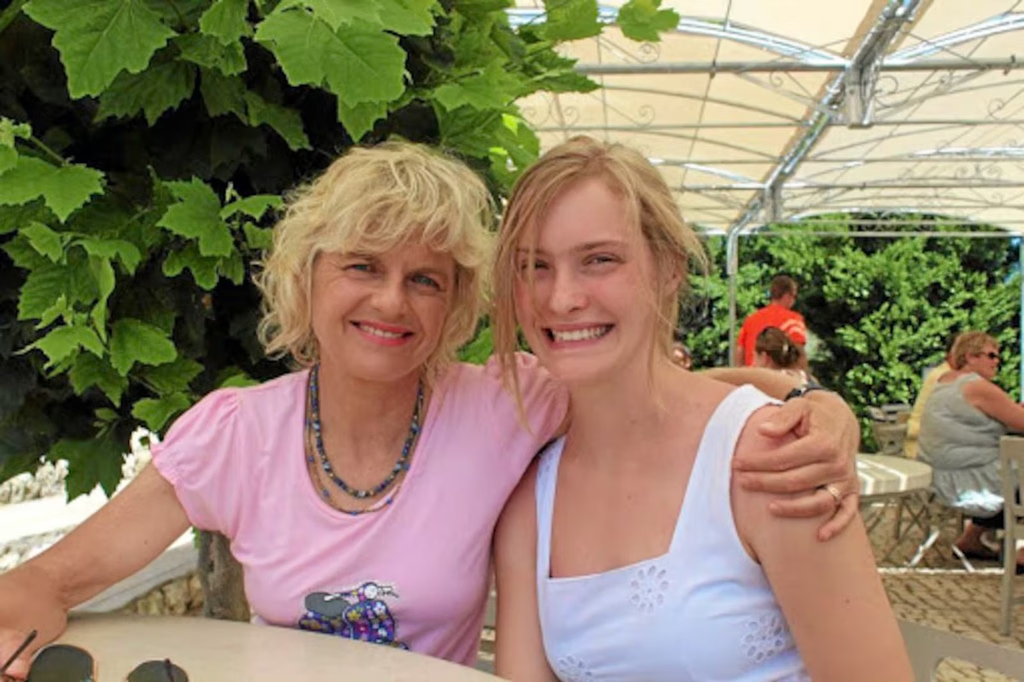
Anna had worked as a criminal attorney. Early in her career, autopsy reports upset her. Eventually, she became accustomed to reading them over coffee.
“Now it is my own child’s autopsy report I must look at,” she told journalist Marianne Thamm.
She decided she would never return to criminal court. Instead, she and Willem established a trust in Hannah’s name, intending to support vulnerable children, education and people affected by violence. When another girl was murdered nearby, they visited her parents. They knew that many bereaved families could not afford the counseling available to them.
Anna did not live to see the trial. On March 25, 2018, she drowned near the family’s home in Scarborough. She regularly swam in the mornings. The foundation described her death as a swimming accident, and rescuers said they suspected an accidental drowning. Willem subsequently rejected suggestions that she had killed herself.
When the criminal trial began that October, Marsh struggled to give his evidence. Proceedings repeatedly stopped because he could not continue. The defendants offered versions that shifted responsibility among themselves. Parsons, after describing the rapes and killing while presenting himself as the man who wanted to stop, eventually admitted his guilt on all ten charges.
Judge Rosheni Allie rejected the suggestion that drugs had deprived the men of meaningful control. Their conduct showed planning and awareness. They chose an empty paintball range, used condoms and took steps to dispose of incriminating clothing. They remained capable of driving, finding victims, using bank cards and trying to evade police. The sentencing judge found no genuine remorse.
Willem attended court for the first time during sentencing proceedings in November. He wore a white rose on his jacket and apologized for staying away. The investigating officer had already taken him through the case file, and he could not face hearing the evidence again.
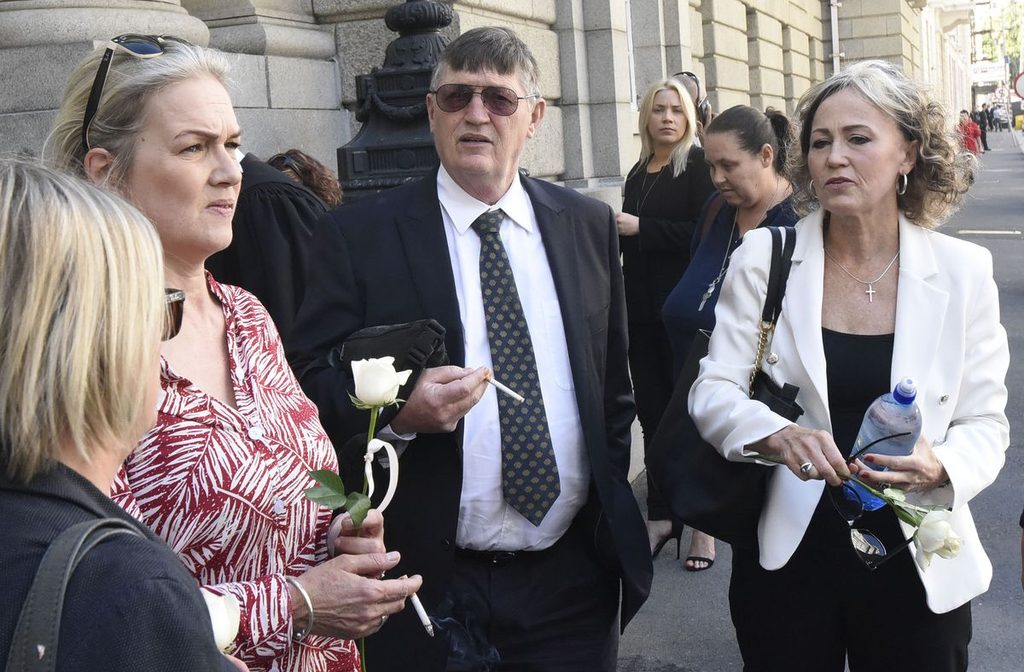
His own career had ended. He no longer believed he could remain impartial as a magistrate after what happened to his daughter.
On November 12, 2018, Witbooi, Parsons, and Van Niekerk each received two life sentences for rape and murder, along with lengthy sentences for the other crimes. Julius, who participated in the initial robbery and kidnapping but left before the car drove away, received an effective 22 years. He was not convicted of rape or murder.
Willem continued living in the family home. When Thamm visited after Anna’s death, her toothbrush remained where she left it, and books were still piled beside her bed. Willem mostly slept downstairs in his study. Upstairs was Hannah’s room.
He died of cancer on December 9, 2022, aged 64. The foundation wound down after his diagnosis. Hannah’s younger brother, Andries, survived his sister and both parents.
Four years earlier, Willem had told the court that his son kept a photograph of Hannah. For a year and a half after her death, he continued to ask the same question every night.
“When is Hannah coming home? Aren’t the holidays over?”
For more extraordinary true crime stories, read about Addie Hall, whose murder became a tourist attraction in New Orleans, and Zebb Quinn, who vanished after a Walmart shift before the case took a horrifying turn years later.