
Zack Bowen left the police an address and instructions for finding his girlfriend’s body. The note was in his pocket when officers examined his remains at New Orleans’ Omni Royal Orleans hotel on October 17, 2006. He had jumped to his death. At an apartment on North Rampart Street, he wrote that they would find the woman he had killed and an explanation of what he had done.
Inside, more instructions were painted on the walls.
“LOOK IN THE OVEN,” one message said.
The woman was Addie Hall, a thirty-year-old bartender whose photograph had appeared in coverage of Hurricane Katrina. A little more than a year earlier, she and Bowen attracted reporters because they refused to evacuate New Orleans. They stayed together in the French Quarter, feeding animals, improvising meals and welcoming visitors while much of the city emptied around them. Their determination made an appealing story about people finding something worth keeping in a devastated place.
Now Bowen’s final instructions led officers through a kitchen containing her dismembered remains.
Hall’s friends knew a woman with interests and abilities that rarely survived the first paragraph of the subsequent crime stories. She wrote poetry, danced, and was an accomplished seamstress. Originally from North Carolina, she made a living behind New Orleans bars while building a life among people who worked late, drank heavily, and pursued creative ambitions between shifts. Friends also knew about abuse in her past, which she discussed with some of them. Her independence and her difficulties existed together.
Bowen arrived in that world after several attempts to make something of himself. As a teenager in California, he played drums and hoped for a musical career. At his high school’s 1995 homecoming competition, he appeared in a black cape and proposed a mandatory afternoon nap period. He wanted to be homecoming king and lost. Within months, he dropped out of school and left his mother’s home to live with his father.
He became a father himself at eighteen. Marriage to a woman named Lana and the responsibilities of supporting a family eventually led him to join the Army, where he served as a military policeman in Kosovo and Iraq. His service offered structure and advancement that his earlier life lacked. By late 2004, however, he returned to New Orleans with a general discharge under honorable conditions, rather than the honorable discharge he expected. His marriage broke down.
His return carried losses that acquaintances in the Quarter did not necessarily see. Rachel Bosveld, a fellow military police officer he knew, died in Iraq. Another friend, Todd Rauch, suffered serious injuries. In interviews conducted for his book Shake the Devil Off, journalist Ethan Brown found former soldiers who remembered Bowen as capable and dependable. Back in New Orleans, he worked at places including Matassa’s grocery and Buffa’s bar, joining the work-and-party routine of the service industry.
When Katrina approached in August 2005, Hall offered him refuge in her apartment on Governor Nicholls Street. This was not the North Rampart apartment where she would die. Their first shared domestic life took shape in a neighborhood that escaped the catastrophic flooding elsewhere in the city but lost ordinary services and much of its population.
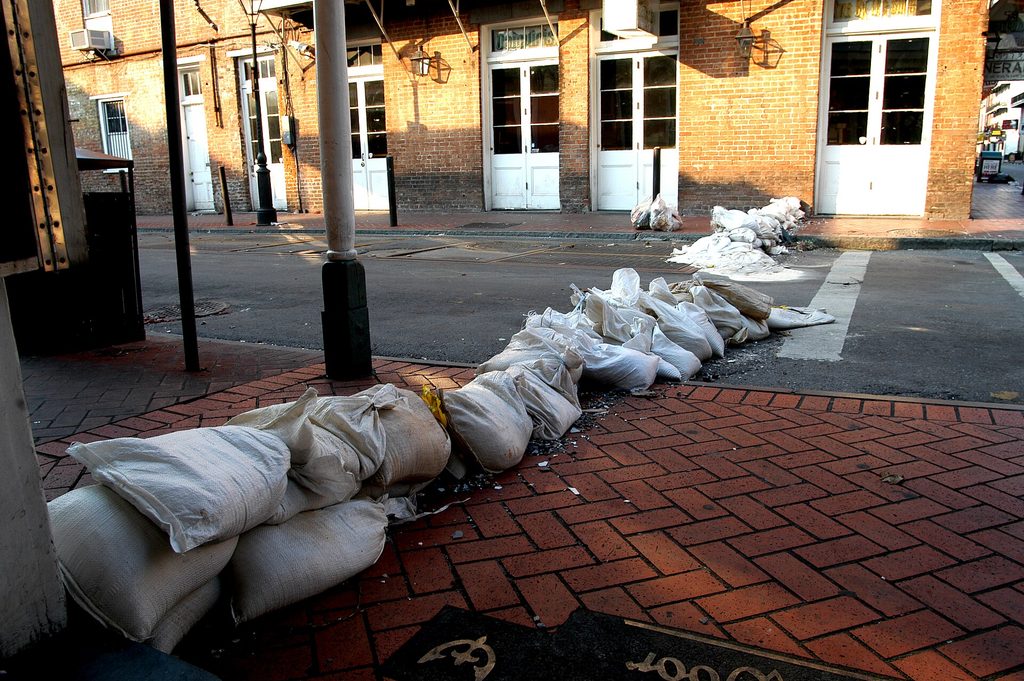
They cooked outside and exchanged alcohol for clean water. Visitors found a small community carrying on without electricity, with meals and company available to people who came through. Hall and Bowen cared for stray cats. There was hardship, but the photographs and interviews also captured their enjoyment of a place temporarily freed from its usual demands.
Hall told The New York Times she flashed passing police officers to encourage them to patrol her street.
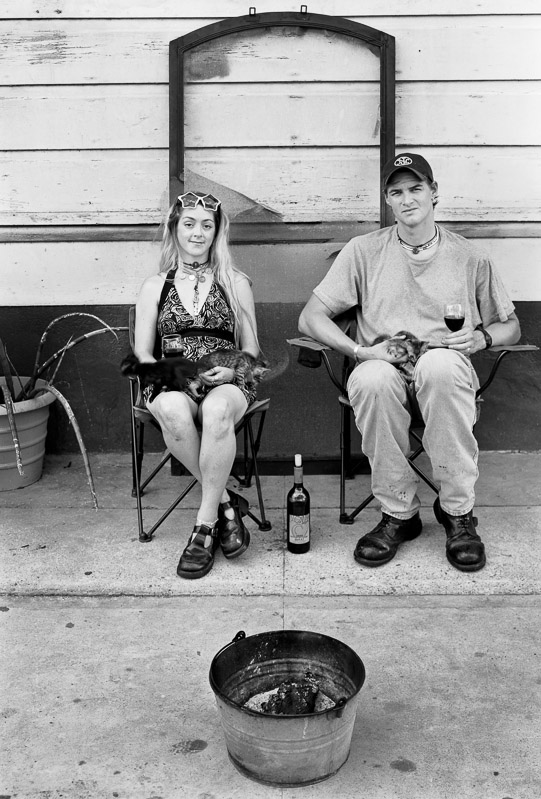
Their improvised household outlasted the first emergency. On November 3, 2005, photographer Thomas Neff photographed them on Governor Nicholls Street. They sat in folding chairs against a weathered wall, cats in their laps and a wine bottle between their feet. Hall wore star-shaped sunglasses pushed above her forehead. A metal bucket containing the remains of a fire stood in front of them.
The portrait preserved a particular arrangement of their lives. There was room for animals, wine, an outdoor fire, and each other. It could not show what happened when they argued or what either of them carried home from the years before they met.
As the city resumed something closer to ordinary life, their relationship became increasingly unstable. Brown’s reconstruction described heavy drinking, drugs, and episodes in which they woke with bruises they could not remember inflicting. The affection was visible too. Eura Jones, who worked with Hall at the Spotted Cat, remembered Bowen arriving with a dozen roses and kissing her. To someone watching from across the bar, they could still look happy.
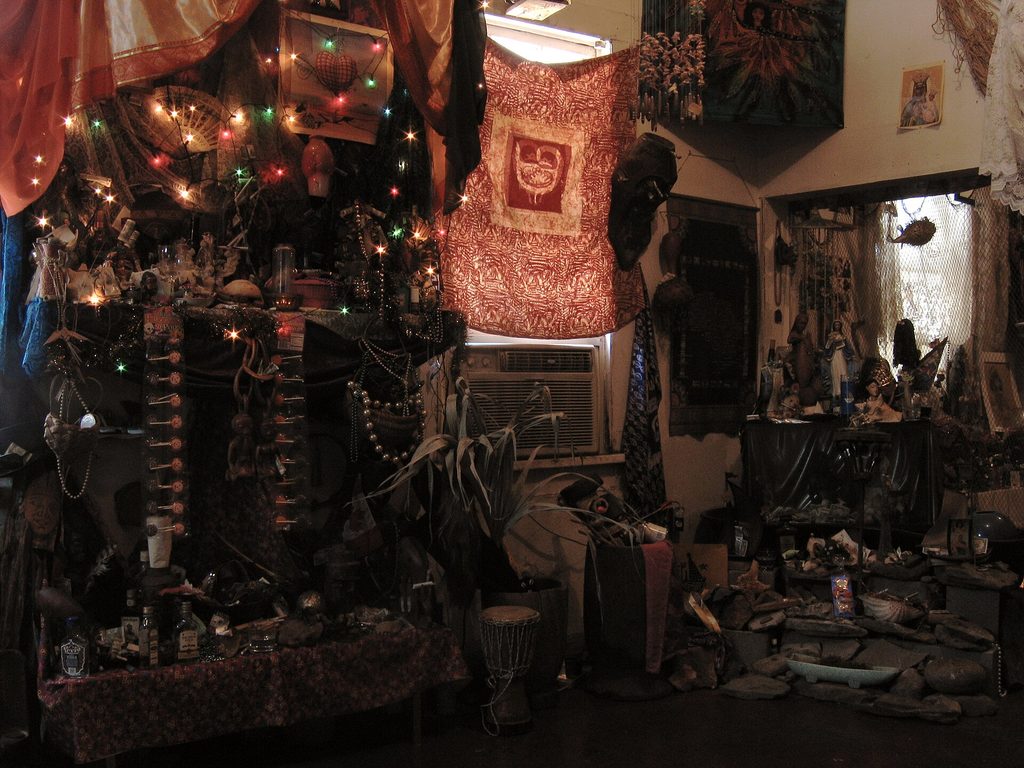
By early October 2006, they had taken a one-bedroom apartment at 826 North Rampart Street. It cost $750 a month and stood above the Voodoo Spiritual Temple. Landlord Leo Watermeier said they paid a deposit on October 1. Within days, Hall wanted Bowen out. She told Watermeier that Bowen was cheating on her, and Bowen subsequently telephoned him, angry that she was trying to evict him. The details appeared in contemporary reporting on their final days.
Watermeier remembered seeing Hall on October 5. Bowen’s written account placed her murder at one o’clock that morning, an inconsistency in the surviving chronology that the confession did not resolve. What emerged consistently was that Hall was trying to end their living arrangement.
The account of what happened inside came largely from the man who killed her.
“I very calmly strangled her,” Bowen wrote in the confession quoted in subsequent reporting. “It was very quick.”
He also claimed that he repeatedly sexually violated her body and slept beside it. Those assertions became part of the story almost immediately, although police publicly disputed the necrophilia claim. His description of the killing supplied no independent witness to Hall’s final moments and no opportunity for anyone to question his version.
Afterward, Bowen continued going to work. At home, he cut up her body with a saw and a knife. His account described dismembering her in the bathroom and leaving the remains there before attempting to dispose of them by cooking. Outside the apartment, he continued appearing in the places where people knew him.
The discovery exposed the extent of what he had done. Hall’s severed head was in a pot on the stove, described in early police reporting as charred. Another pot held her hands and feet. Her arms and legs lay on trays inside the oven. Her torso was wrapped in plastic in the refrigerator.
Reports said seasoning appeared to have been sprinkled on the limbs. Other accounts mentioned chopped carrots and potatoes nearby. Those details encouraged the belief that Bowen had prepared Hall’s body as food, and the suggestion hardened into a cannibal story.
The evidence did not establish that he ate her.
In an October 20 ABC News report preserved in a federal court filing, police official Anthony Cannatella said Bowen’s autopsy found no evidence of human remains in his system. Joseph Waguespack also disputed reports that the legs had been cooked and rejected the assertion of necrophilia.
“There’s no indication of necrophilia,” he told ABC. “We don’t suspect it at all.”
The dismemberment and the locations of the remains were documented. Some of the most frequently repeated claims about what Bowen did to them remained disputed even as newspapers, television programs and later retellings circulated them.
Bowen’s own writing moved between admissions of failure and an account of deliberately enjoying the money he had left. He said he spent $1,500 on food, drugs, strippers and friends. What frightened him, he wrote, was his “entire lack of remorse.”
His body bore twenty-eight cigarette burns, which he associated with the twenty-eight years of his life. He listed failures in school, work, the military, marriage, parenthood and love. On the apartment walls, alongside the directions to Hall’s remains, he left declarations of failure and a request for someone to stop his pain.
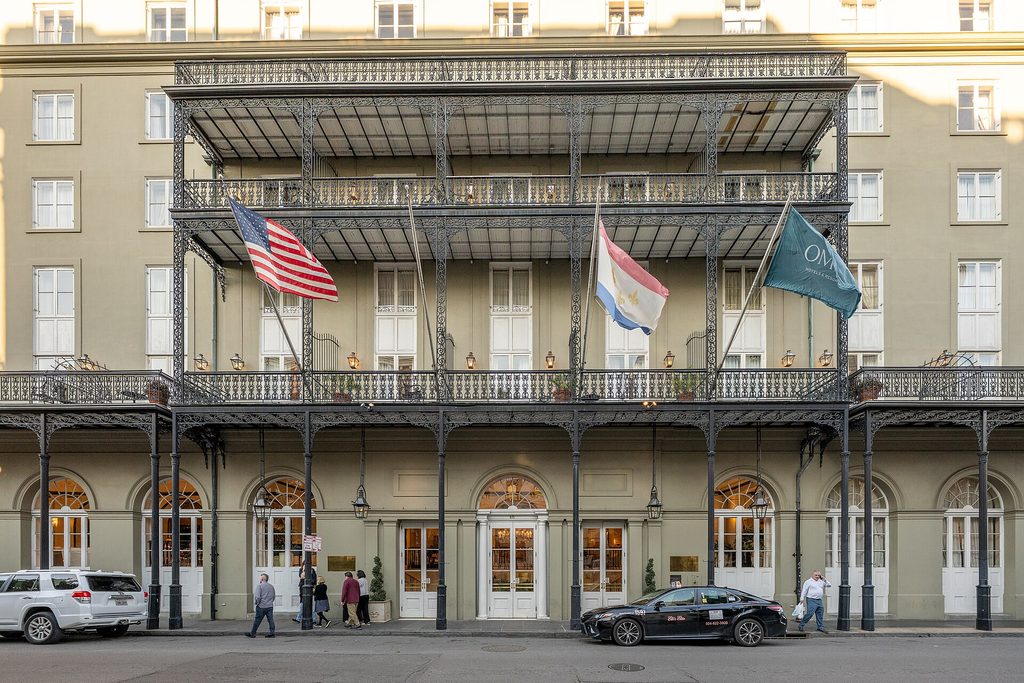
People who saw him during that interval did not know what was in his kitchen. A bartender placed him at Buffa’s on the Sunday before his death, and another witness remembered him eating and drinking there. The ordinary behavior made the discovery harder for acquaintances to absorb.
“I’m having a hard time reconciling the person I remember with the person who did this,” bicycle-shop manager Tim Eskew told the Associated Press.
Brown pursued that difficulty after the deaths, interviewing Bowen’s relatives, Army friends and people who knew both him and Hall. He expected to uncover a clearer history of violence against previous girlfriends or a military record full of disciplinary trouble. He told Publishers Weekly that he found neither.
His investigation gave weight to combat trauma, the collapse of Bowen’s marriage and the effects of Katrina. It also complicated the convenient image of a monster whose earlier life must have announced what he would become. Those circumstances offered context for his deterioration, but they did not establish a single cause for Hall’s murder. Bowen left descriptions of his actions and judgments about himself. He could not be questioned about either.
The public story moved faster than that effort to understand it.
By October 28, less than two weeks after police found the remains, the Associated Press reported that guides were already incorporating the murder into the French Quarter’s macabre tourist lore. The apartment’s location above a Voodoo temple became an irresistible detail, although there was no evidence connecting the religion to the killing. A cemetery guide had even inquired about renting the apartment while it remained a crime scene.
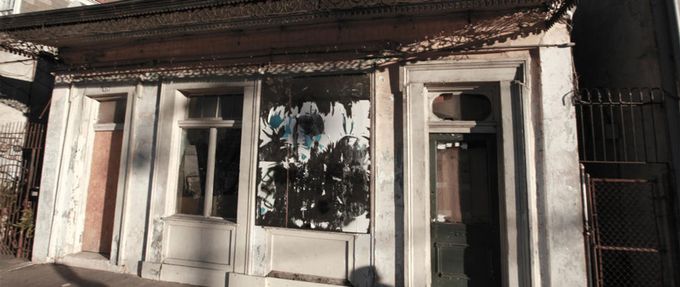
More than a decade later, friends faced a new version of the same problem. In 2018, The New Orleans Advocate reported on a haunted-history attraction operating in the building. Visitors could see the stove and refrigerator. A photograph of Hall and Bowen had been decorated with fake blood spatter. One visitor reported bride-and-groom Chucky dolls inside the apartment.
The operator, Mary Millan, defended the attraction as a way to remember the dead and educate people about Katrina and its aftermath. She said visitors were asked to pray for Hall and Bowen.
Friends saw their own losses being presented as supernatural entertainment.
“It’s pretty despicable and atrociously exploitative,” said Capricho DeVellas, who knew them both.
Before the confessions, the crime-scene descriptions and the claims about spirits, Hall left a few words of her own in the newspaper coverage that first brought strangers to her door. Asked about life after Katrina, she said the power failure made something visible.
For more extraordinary true crime stories, read about Zebb Quinn, who vanished after a Walmart shift before a horrifying discovery years later, and the Petit family, whose Connecticut home was invaded by two men who subjected them to hours of unimaginable horror.