

I think I nearly spat out my coffee when I first read the headline, “David Attenborough linked to 1879 murder mystery.” Of all the things I expected to see attached to good old Sir Attenborough’s name, a Victorian murder is certainly not one of them.
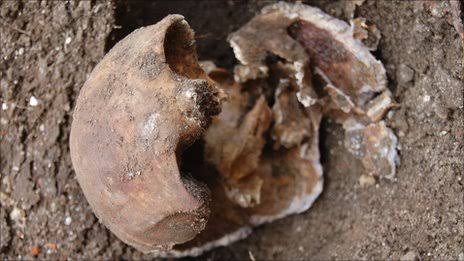
But unlikely as it sounds, this is exactly what happened in 2011, when a solitary human skull was discovered in Sir Attenborough’s garden during renovations, having lain there for almost 131 years.
To understand how this skull ended up here, though, we have to go back to 1879.
Meet Mrs. Julia Thomas
What do you do with a murder victim whose head has never been found? The question evidently didn’t trouble the jury at the Old Bailey, who presided over the case in 1879, when the fate of Ms Thomas’ murderer (or, in this case, murderess) was decided without the crucial piece of evidence ever being recovered.
The story of this mysterious skull begins with its owner, Mrs Julia Martha Thomas, still wearing it firmly on her shoulders, blissfully unaware of where it would turn up almost a century and a half later.
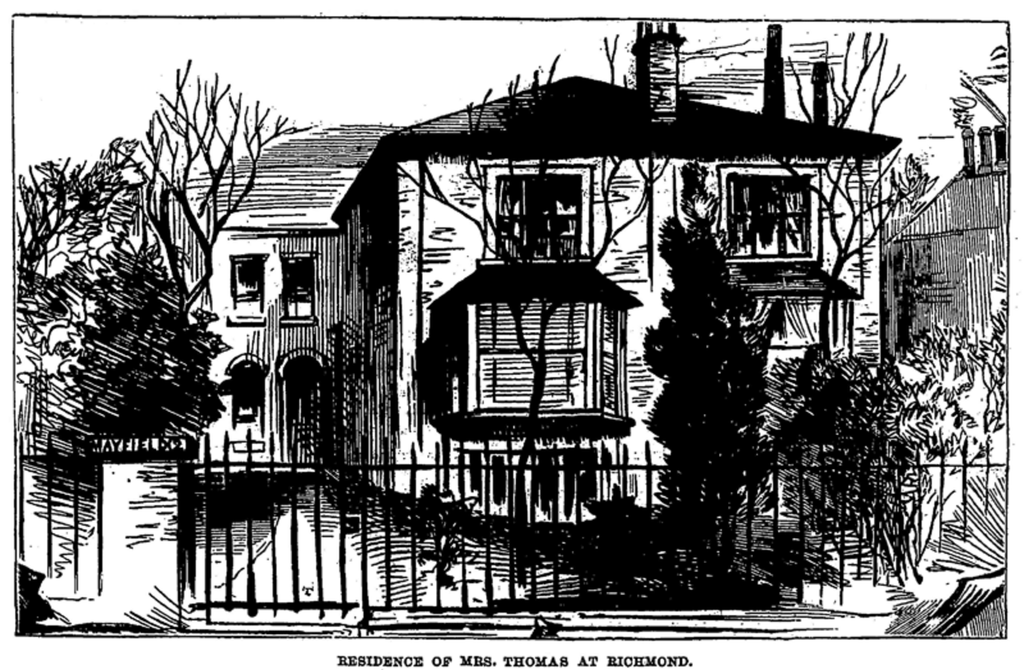
Mrs Thomas was a 54-year-old former schoolteacher, living alone in Richmond, southwest London, near the pub, Hole in the Wall (which is almost exactly where Sir Attenborough’s present-day house is).
Described by her doctor, George Henry Rudd, as “a small, well-dressed lady,” and by her neighbors as an eccentric lady with an excitable temperament, she was known for disappearing for weeks or even months at a time without telling friends or relatives where she had gone.
Though lower-middle class and far from wealthy, Thomas dressed well and wore jewelry to project an air of prosperity, and her insistence on having a live-in servant may also have revolved around the same principle.
She was, however, known as a harsh employer, and her erratic habits made it difficult for her to find and keep servants. Before 1879, she had managed to retain only one maid for any significant length of time.
An Unfortunate Appointment
Mrs. Thomas’ woes began on 29 January 1879, when she took on Kate Webster as her servant.
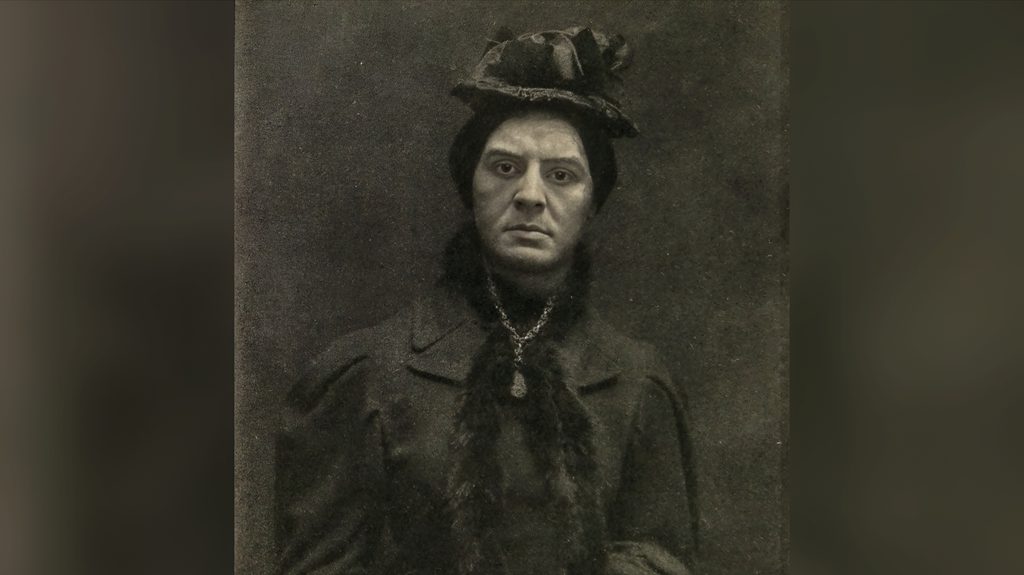
Webster was born Kate Lawler in Kilrane, County Wexford, Ireland, around 1849. Much of her early life is uncertain, but it’s known that she had a history of theft and imprisonment, first jailed for larceny in Ireland at around 15, and, after moving to England in 1867, serving several more prison sentences for theft.
Described by The Daily Telegraph as “a tall, strongly-made woman of about 5 feet 5 inches in height with sallow and much freckled complexion and large and prominent teeth,” she claimed to have been married to a sea captain, Webster, by whom she had four children, all of whom died within a short while of each other.
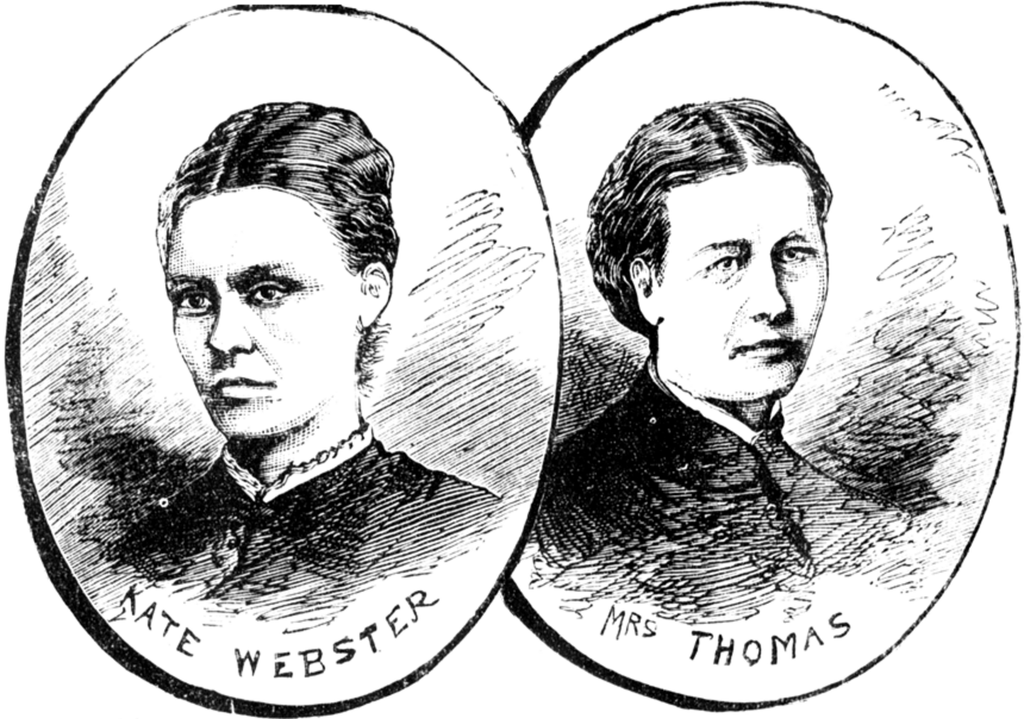
By 1879, Webster was living in West London with a young son, having moved frequently and worked under several names. Her criminal record was largely unknown to Thomas when the two women met.
A Servant from Hell
In fact, their meeting was a matter of happenstance as well, occurring when Webster was working for a woman named Loder in Richmond, who knew Thomas and knew she was looking for a servant.
Loder recommended Webster, and Thomas hired her almost immediately, apparently without making any inquiries into her past. The arrangement quickly turned sour.
Thomas disliked Webster’s work and frequently criticized her for it. Webster, in turn, grew increasingly resentful of her employer, later describing Thomas as “very trying,” accusing her of deliberately looking for faults in her cleaning, and claiming Thomas had a “nasty spirit.”
The tension became so bad that Thomas began asking friends to stay with her because she disliked being alone with Webster. Eventually, she decided to dismiss her. On 28 February, Webster was due to leave.
Thomas recorded the decision in what would become her final diary entry, “Gave Katherine warning to leave.”
She would never have the chance to see her servant go.
The Evening of March 2nd
Webster, though, had ploys of her own, and persuaded Thomas to keep her on for another three days, until Sunday, 2 March.
That Sunday, Webster was supposed to return from her afternoon off in time to help Thomas prepare for evening service at the local Presbyterian church. Instead, she stopped at a nearby alehouse and returned late, delaying Thomas’s departure.
The two women quarreled, and when Thomas eventually arrived at church, she was visibly agitated. She told a fellow congregant that her servant had neglected to return home on time and had “flown into a terrible passion” when rebuked.
Julia Nicholls, the congregant to whom she had spoken, later described her as appearing “very excited” in court.
Thomas returned home early, at around 9 pm. What followed was later reconstructed largely from Webster’s eventual confession.
“Mrs. Thomas came in and went upstairs. I went up after her, and we had an argument, which ripened into a quarrel, and in the height of my anger and rage I threw her from the top of the stairs to the ground floor. She had a heavy fall, and I became agitated at what had occurred, lost all control of myself, and, to prevent her screaming and getting me into trouble, I caught her by the throat, and in the struggle she was choked, and I threw her on the floor.”
A Most Gruesome Cleanup
Realizing what she had done, Webster set about disposing of the body. She dismembered Thomas with a razor, meat saw and carving knife, then boiled the remains in the laundry copper and burned what she could in the hearth, hoping to make identification impossible.
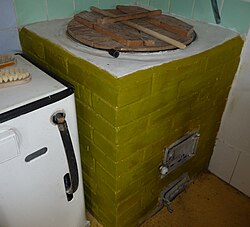
The neighbors noticed a strange and unpleasant smell coming from the house, but the activity did not immediately arouse suspicion. It was, after all, Monday morning, the traditional washing day, and Webster continued going about the house as though nothing had happened.
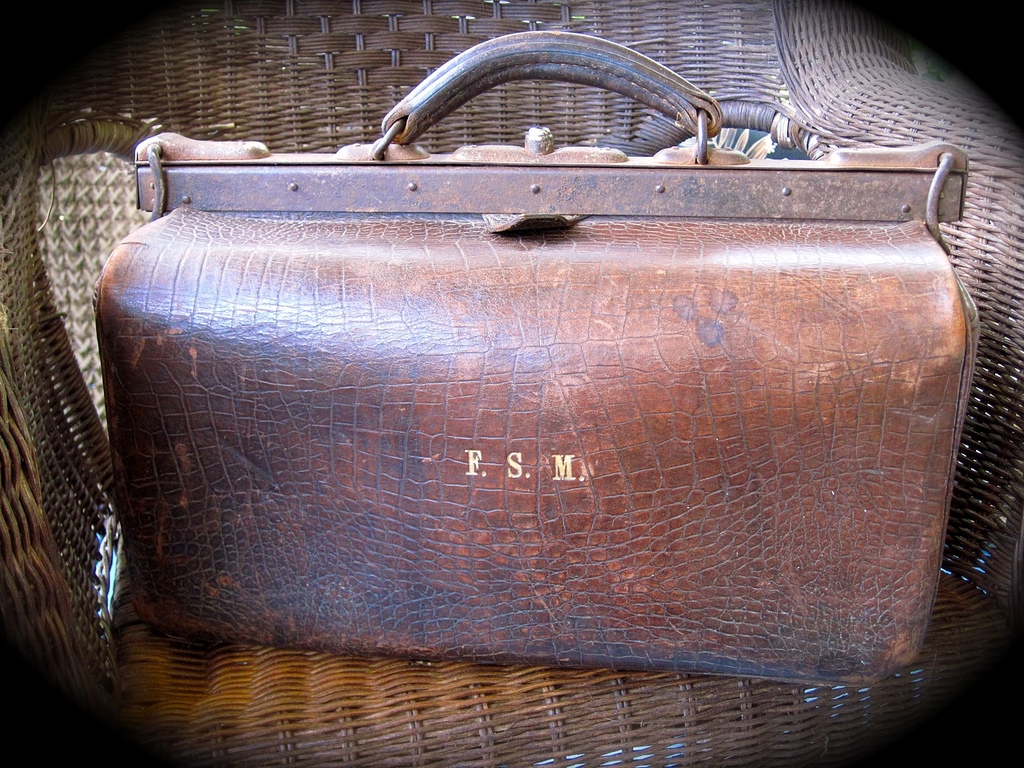
Behind closed curtains, Webster packed Thomas’s dismembered remains into a black Gladstone bag and a wooden bonnet box. Thomas’s head and one of her feet, though, would not fit into the bags.
Unfazed, Webster disposed of the foot separately, throwing it onto a rubbish heap in Twickenham. The head, meanwhile, was buried beneath the stables of the Hole in the Wall pub.
And there it remained, hidden underground, for the next 131 years.
But let us not get too far ahead of ourselves and return to the unfortunate events that followed Thomas’s disappearance and the rather macabre trail that Webster left behind.
“The Barnes Mystery”
Allegations soon started to emerge from the the proprietress of a nearby pub claiming that Webster had visited her establishment and tried to sell what she called “best dripping”.
Further, it was claimed that Webster had rendered the fat from Thomas’s remains and passed it off as dripping or “pig’s lard”, allegedly giving some of it to local children.
This story was repeated in later accounts of the murder, although it was never conclusively established and may well have been one of the grisly legends that grew around the case.
On 4 March, Webster traveled to Hammersmith to visit the Porter family, old neighbors she had not seen in six years, wearing Thomas’s silk dress and carrying the Gladstone bag containing some of the remains.
Introducing herself as “Mrs Thomas”, she spun an elaborate story about having been married, having a child, being widowed and inheriting a house in Richmond.
Then, ‘Mrs. Thomas (Webster) invited the Porters to a pub, the Oxford and Cambridge Arms, and, while they were inside, conveniently disposed of the bag, presumably by throwing it into the Thames, from which it was never recovered.
Webster then persuaded the Porters’ son, Robert, to help her carry a heavy box from Mayfield Cottages towards the station. As they crossed Richmond Bridge, she dropped this into the Thames as well.
Her plan this time would be foiled the following morning, when the box washed ashore about five miles downstream and was discovered by a coal porter, Henry Wheatley, who initially suspected it contained stolen goods. Instead, he found human remains wrapped in brown paper.
Police and doctors soon established that the remains belonged to a woman, with the torso still present, but the head and one foot were missing.
A human foot and ankle were subsequently found in Twickenham, but there was initially no way to identify the body, and the newspapers dubbed the case the “Barnes Mystery”, as speculation swirled over the identity of the murdered woman.
An inquest held on 10 and 11 March returned an open verdict, and the unidentified remains were buried at Barnes Cemetery on 19 March.
Playing Mrs Thomas
All this while, Webster was still living at 2 Mayfield Cottages, smugly impersonating Thomas, wearing her clothes and even selling her possessions. On 9 March, she struck a deal with a local publican, John Church, to sell Thomas’s furniture and belongings for £68.
Upon the removal men’s arrival on 18 March, Mrs. Thomas’ next-door neighbor and landlady, Miss Ives, who had not seen Mrs. Thomas for nearly two weeks, became suspicious and asked them who had ordered the furniture to be removed.
When they replied “Mrs Thomas” and indicated Webster, she realized she had been exposed, and fled immediately, catching a train to Liverpool and traveling from there to her family home at Enniscorthy.
Church, meanwhile, discovered a letter addressed to the real Mrs Thomas among the possessions and alerted the police. A search of Mayfield Cottages uncovered bloodstains, burned finger bones in the hearth and fatty deposits around the laundry copper, providing grim evidence of what had happened inside the house.
A letter left by Webster also gave police her address in Ireland.
Scotland Yard soon discovered that Webster had fled the country with her young son, and by a stroke of real luck, the Royal Irish Constabulary recognized her from her previous conviction for larceny, which had occurred fourteen years ago.
On 29 March, Webster was arrested at her uncle’s farm near Enniscorthy and brought back to Richmond to face the charge of murdering Julia Martha Thomas, in the custody of the Scotland Yard policemen.
The Richmond Murderess
When news of Webster’s crime spread, crowds traveled to Richmond simply to gawp at Mayfield Cottages. Webster received an even less sympathetic reception in Ireland, and as she was taken from Enniscorthy to Dublin under arrest, crowds gathered at almost every station to jeer at her.
Such was her notoriety that, within weeks of her arrest, well before she had even stood trial, Madame Tussaud’s had already created a wax effigy of her.
Displayed under the grim title of the “Richmond Murderess”, it remained on show well into the twentieth century alongside the likenesses of other notorious killers, including Burke and Hare and Hawley Harvey Crippen.
Webster’s court appearances drew similarly enormous audiences, with one newspaper describing “very great excitement” around the Richmond Magistrates’ Court.
Webster finally went on trial at the Central Criminal Court, the Old Bailey, on 2 July 1879, and her case was considered important enough that the prosecution was led by the Solicitor General, Sir Hardinge Giffard, while Webster was defended by the prominent barrister Warner Sleigh.
The trial attracted such extraordinary public interest that, on its fourth day, even the Crown Prince of Sweden, the future King Gustaf V, himself attended the proceedings.
Over six days, witnesses helped reconstruct the events surrounding Thomas’s murder. Webster pleaded not guilty and attempted to shift suspicion onto others, including the publican John Church and her former neighbor Porter.
Both men, however, had solid alibis and were cleared of involvement. Her defense argued that the evidence against her was largely circumstantial and pointed to her devotion to her young son as evidence that she could not have committed such a crime.
The Case Against Webster
The prosecution had a particularly damaging witness.
A bonnet-maker named Maria Durden testified that, only a week before the murder, Webster had told her she was going to Birmingham to sell a house, jewelry, and other property supposedly inherited from an aunt.
This suggested that Webster had been making plans for a new life before Thomas was even dead, and therefore that the murder may have been premeditated.
After deliberating for around an hour and fifteen minutes, the jury found Webster guilty.
As if this entire fiasco had not been enough, Webster made one final attempt to escape the gallows by claiming that she was pregnant.
Understandably, this triggered an extraordinary scene at the court. Under an archaic procedure, a jury of twelve women, known as a jury of matrons, was assembled to determine whether Webster was “with quick child”.
Accompanied by a surgeon, the women examined her in private and returned within minutes with a negative verdict.
An appeal was subsequently made to the Home Secretary, but it was rejected.
On 28 July, the night before her execution, Webster made a final confession. In her first statement, she had implicated Strong, the alleged father of her son, claiming that he had participated in the murder and led her into a life of crime. In this final statement, however, she took sole responsibility and cleared Strong, Church and Porter of any involvement.
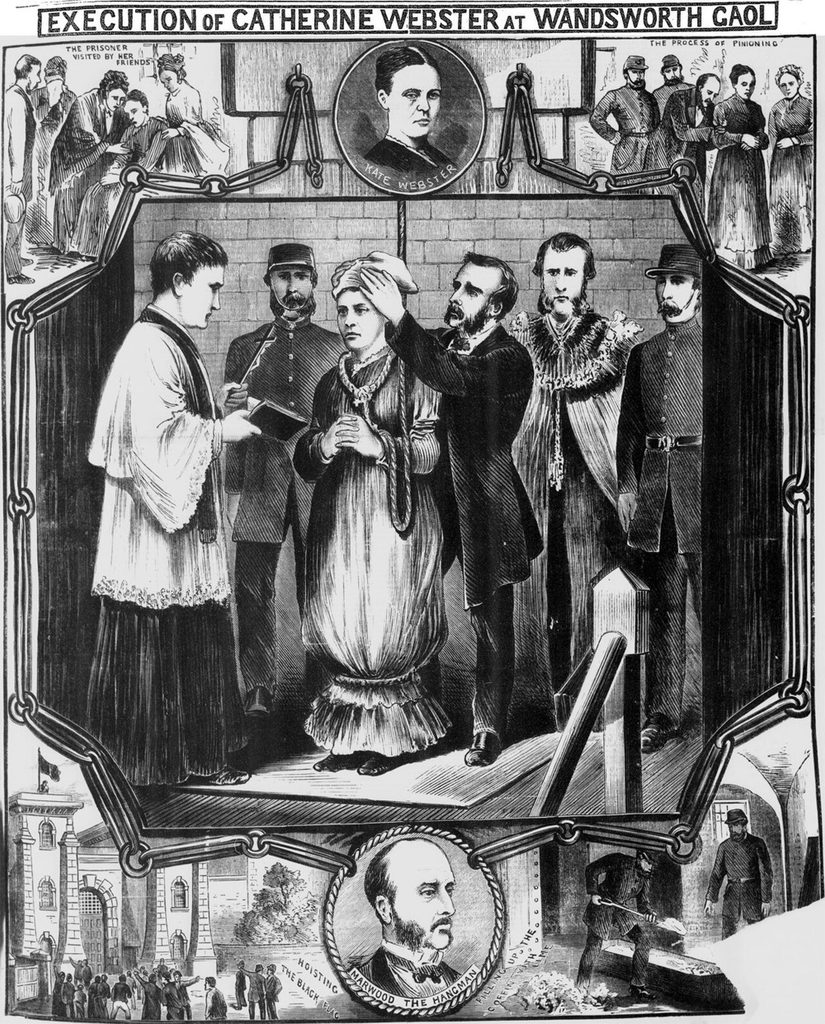
The following morning, 29 July 1879, Webster was hanged at Wandsworth Prison at 9 am, with the execution being carried out by William Marwood using his newly developed “long drop” method, intended to cause instantaneous death. Webster was buried afterward in an unmarked grave within the prison grounds.
Outside, the crowd waiting for news of the execution reportedly cheered when the black flag was raised above the prison walls.
Souvenirs from a Murder
The very next day, Thomas’s possessions were auctioned at 2 Mayfield Cottages. John Church, the publican Webster had attempted to implicate, finally acquired Thomas’s furniture, along with various personal belongings, including her pocket-watch and the knife used to dismember her body. Even the copper in which Thomas’s remains had been boiled was sold, fetching five shillings.
Visitors took home less conventional souvenirs, too, plucking pebbles and twigs from the garden.
The house itself remained empty until 1897, as its notoriety made it virtually impossible to find anyone willing to live there.
Similar to the creepy clown sightings that took place over a hundred years later, in 2016, it was rumored that a ghostly nun-like specter would hover over Mrs. Thomas’s burial spot. This was, however, never proven to be true.
Something Beneath the Ground
In 1952, a young David Attenborough and his wife Jane bought a house on Park Road, Richmond, situated between the former Mayfield Cottages and the Hole in the Wall pub.
Attenborough would, of course, go on to become one of the most recognizable natural historians and broadcasters in the world.
The century-old mystery would resurface in 2009, when the Attenboroughs acquired the long-standing Hole in the Wall pub next door. The pub had closed in 2007 and fallen into disrepair, and the plan was to redevelop the site and extend the Attenborough property.

A “dark circular object” was unearthed at the rear of the pub; it turned out to be a human skull.
It was during those works, on 22 October 2010, that builders excavating at the rear of the former pub came across something that was decidedly less mundane than an old foundation, and infinitely more harrowing.
The Hole in the Wall stood only a short distance from where Thomas had been murdered, and, according to the old accounts, this was precisely where Webster had said she had buried the missing head.
The Final Piece of the Barnes Mystery
The skull was examined by forensic specialists, who found several remarkable clues. Carbon dating placed it broadly within the period in which Thomas had lived, while its position above a layer of Victorian tiles further suggested that it had been buried around the right period.
More intriguingly, the skull bore fractures consistent with the fall down the stairs described in Webster’s confession. Its unusually low collagen levels were also consistent with having been boiled (an especially gritty detail, as noted by Webster).
Unfortunately, DNA testing was not possible.
Thomas had died childless, and no surviving relatives could be traced with whom the skull could be compared. Nevertheless, the evidence continued to accumulate.
In July 2011, after a police investigation and forensic examination, West London coroner Alison Thompson concluded that the skull was indeed that of Julia Martha Thomas.
The cause of death was recorded as unlawful killing, with asphyxiation and head injuries contributing to her death.
After 131 years, the final missing piece of the Barnes Mystery had finally been found, with the police exultant about how this was “a good example of how good old-fashioned detective work, historical records and technological advances came together to solve the ‘Barnes Mystery ‘.”
For more stories on forgotten history or historical oddities, explore our articles on The 1904 St. Louis Olympics and The Great Stink of London.