
A spectre has been haunting the internet over the years: the spectre of the rickroll. All the powers of the online world have entered into a holy alliance to exorcise this spectre, be it the moderators and meme lords, YouTubers and Redditors, Discord admins and the hyperlink charlatans.
Where is the unsuspecting user who has not been baited by their peers? What victim is there that has not hurled back the scalding reproach of “rickroll” against both sly trolls and honest posters alike?
None exist.
It is only fitting, then, that this old poltergeist of the internet be examined for what it is.
The Prank in Practice
Imagine, amidst the many vagaries of modern life, you are sent a message that you’ve been awaiting for a long time. A good old friend of yours, knowing well your passion for a particular band, sends you a link to what appears to be a genuine website informing you of a concert by your favourite band in your area.
Overcome with excitement and barely able to control your joy, you click the link with trembling hands…
…only to see Rick Astley in a trench coat cheerfully dancing to Never Gonna Give You Up. In an instant, your joy curdles into betrayal. Congratulations! You, my dear reader, have been rickrolled. Your disappointment is immeasurable, and your day is ruined.
This, precisely, is the mighty rickroll: a prank so simple and easily reusable that it has managed to survive generations of internet users, including those raised on the endless thumb flick of reels and shorts, bite-sized content, and waning attention spans. To nobody’s surprise, it remains relevant enough for us to discuss today.
From Duckroll to Rickroll
It was the best of times, it was the worst of times. In the early 2000s, one could still say that the internet was in its infancy. Wild, unmoderated, and utterly chaotic, it became the playground of pranksters, trolls, and an assortment of anonymous tricksters, always inventing tricks designed to mislead, embarrass, or mildly inconvenience the unsuspecting user. It was during these anarchic times that the rickroll came into existence.
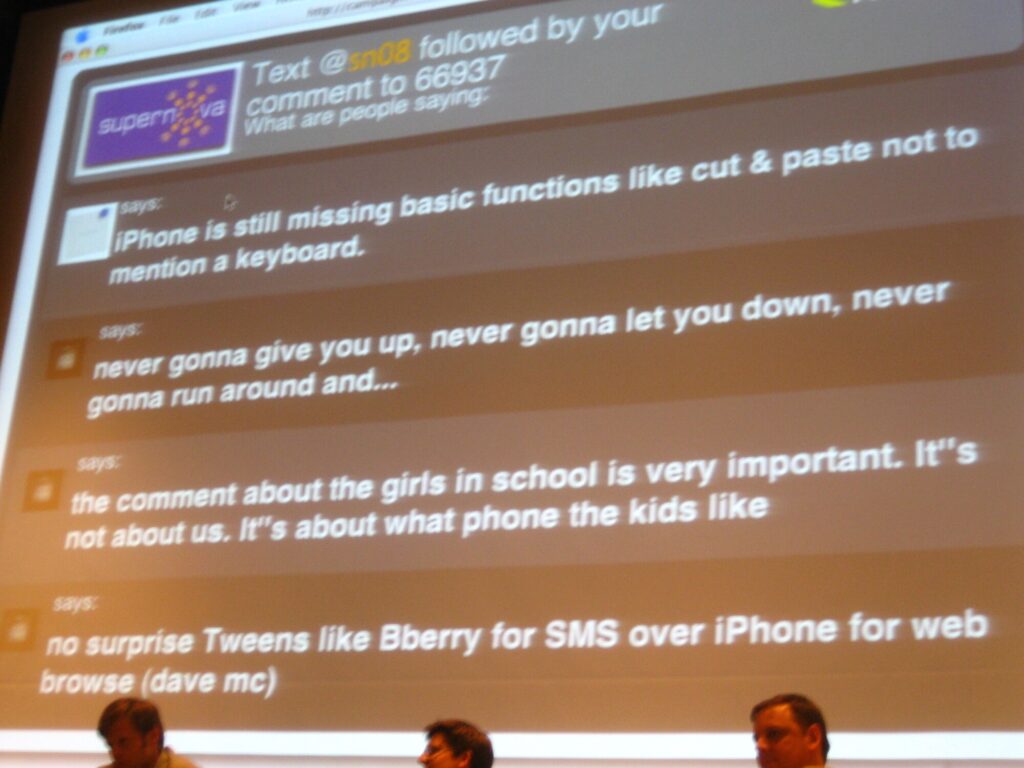
As with all great legends, the story of the rickroll does not begin with the actual music video, or even Rick Astley, for that matter. Before this infamous prank, there was an older, stranger ancestor: the duckroll.
The then-director of 4chan, known by the username “moot,” decided he’d play a joke and change the word “egg” to “duck” every time a user posted a message. In time, the phenomenon spread, and the word “eggroll” was replaced by “duckroll”.

This prank was quite simple to execute. One would simply send a promising link (often one claiming to lead to some coveted image, clip, or some other morsel of internet treasure) to an internet user. Instead, the link would redirect the baffled user to an absurd image of a duck mounted on wheels.
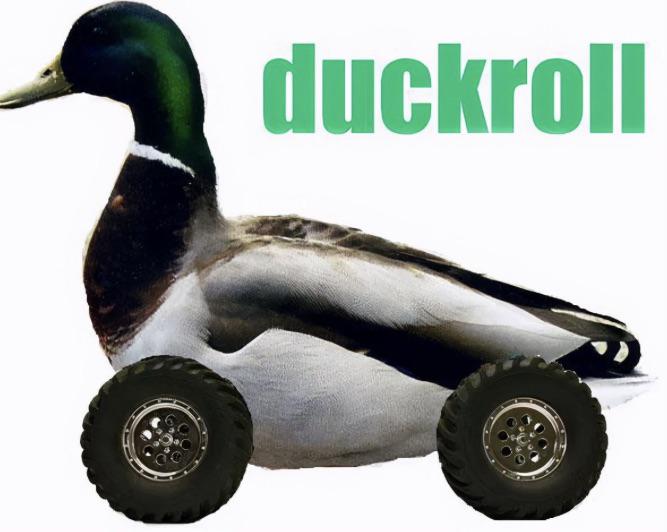
The rickroll first manifested in the spring of 2007 on 4chan’s /v/ board, then the internet’s preferred habitat for overenthusiastic gamers and the like. Anticipation for Grand Theft Auto IV was running feverishly high, and when Rockstar’s first trailer dropped on 29 March 2007, demand was so intense that the company’s website reportedly buckled under the traffic.
In a historic moment that March, someone at 4chan took the now-useless Web link for the “GTA IV” trailer and duckrolled it. But instead of linking to an image of a duck on wheels, they redirected gullible users to the Rick Astley YouTube video. And thus, Rickrolling was born.
Many hopeful gamers, eager to get a first glimpse of a coveted game, were instead met with an Englishman cheerfully grooving to an 80s pop song. As with all memes, the rickroll soon suffered from the enthusiasm of the young, with many eager hands taking it upon themselves to personally introduce every member of the internet to Mr Astley.
It was flung across forums, comment sections, inboxes, and message boards with such overwhelming frequency that it seemed, for a time, that it would soon die down beneath the weight of its own repetition. Yet where countless other internet jokes have perished, the rickroll seems to have endured.
Why the Rickroll Endured
Most memes are creatures of novelty and perish the moment familiarity sets in. The rickroll, however, is one of those rare specimens that seems to feed upon this very recognition. Because, to know the trick is not to nullify it, for one may still fall prey to some stray link.
Nor, one might suspect, was “Never Gonna Give You Up” an entirely accidental choice. Had the prank been linked to something merely irritating, grotesque, or actively unpleasant, the joke might well have burned itself out in short order. Instead, it became linked to a catchy song that was neither unbearable nor too ‘old’ to feel faintly absurd in the late 2000s, yet melodic enough to survive repeated exposure.

The Psychology of the Rickroll
The essence of this trick lies in an elaborate exploitation of one’s expectations. A link is posed as relevant, desirable, or urgent, and the recipient, trusting in its apparent legitimacy, clicks. And thus, every successful rickroll begins with an implicit contract, in a way.
One experiences, in quick succession, anticipation, confusion, recognition, and then a mixture of irritation and amusement.
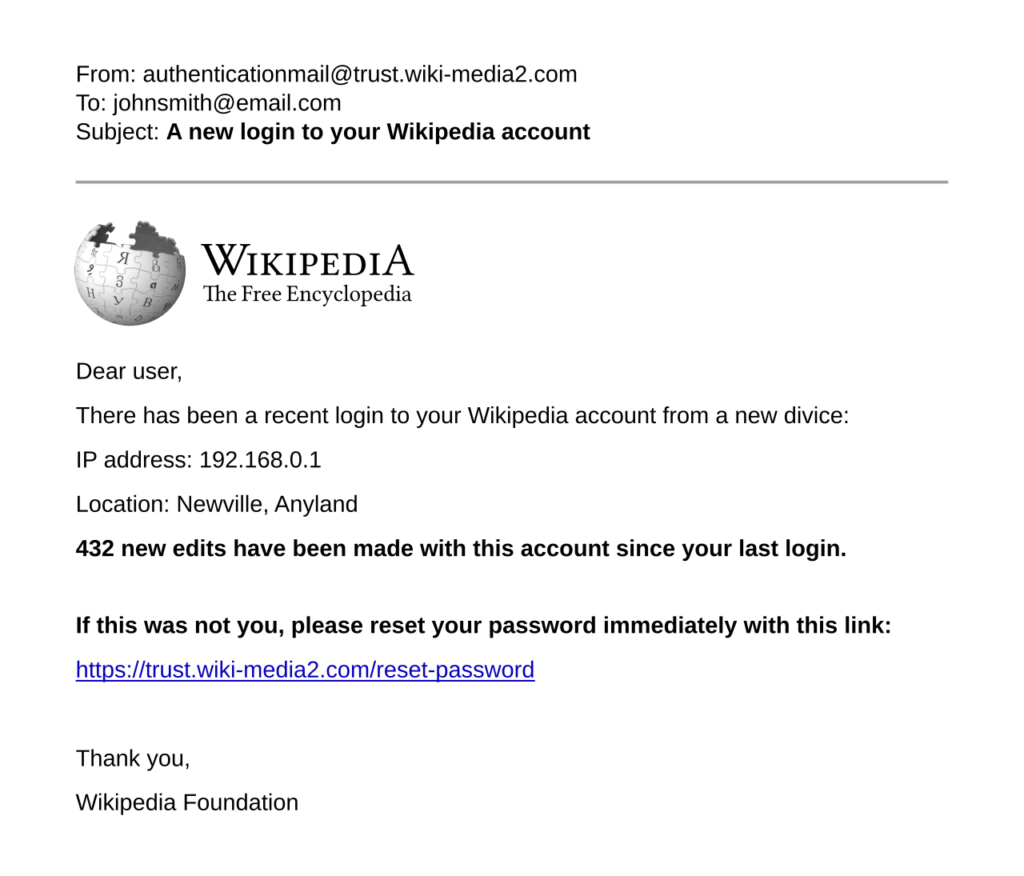
But if one were to look at it, the rickroll is the prototype of a more serious form of digital deception. It has the same elementary logic as spam, phishing attempts, and other online scams, all of which exploit trust through the appearance and context of purported messages.
The Rickroll Goes Mainstream
Like many of the internet’s more contagious oddities, the rickroll escaped from the confines of 4chan at quite an alarming speed. It moved onto YouTube (then a budding video-sharing platform) and from there to the many chat rooms, forums, and comment sections of the internet.
In fact, by mid-2007, it had snowballed from being a niche inside joke among the chronically online folks to being a meme recognisable even to those with no clear knowledge of its origins. Most notably, on 22 April 2008, Fox News reported that on April Fools’ Day, countless websites “Rickrolled” their viewers, including any viewer who clicked on one of YouTube’s “featured videos”.
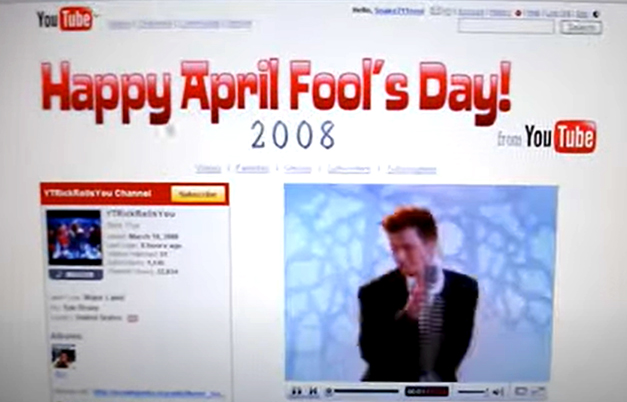
Ordinarily, this is where such things perish. The rickroll, however, was resistant to this fate. Each repetition of the joke only made the form more recognisable, and therefore, in a strange way, more satisfying to play on someone, or even be the one being pranked.
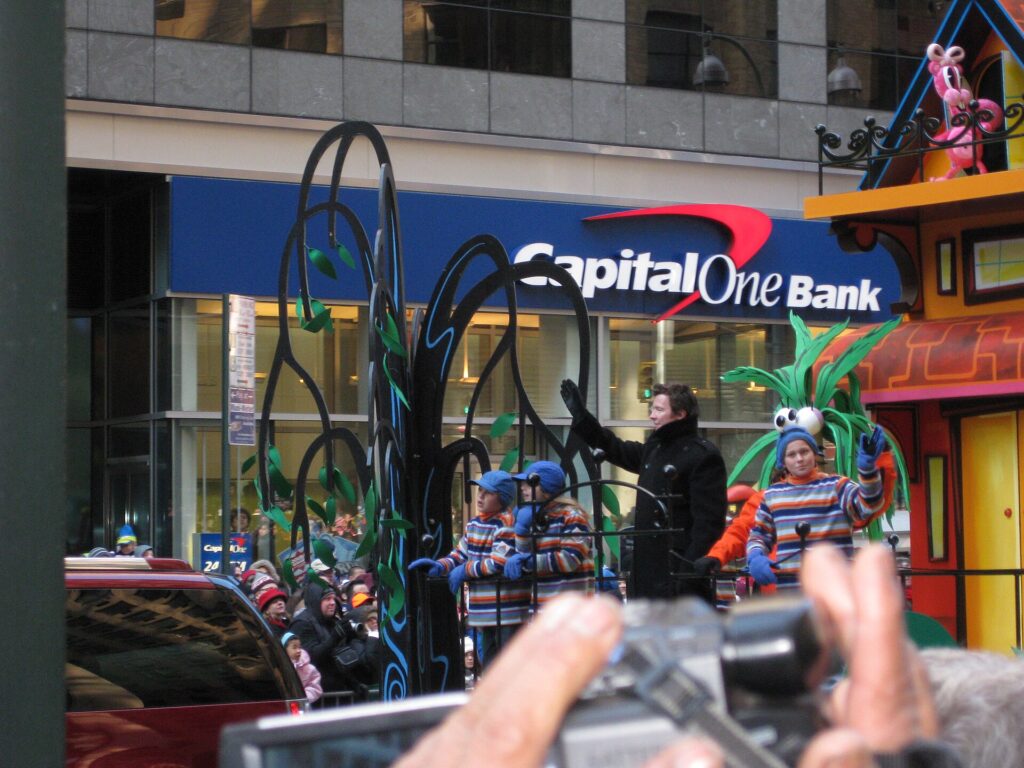
On 27 November 2008, during the Macy’s Thanksgiving Day Parade, Rick Astley himself appeared, emerging from the Foster’s Home for Imaginary Friends float to perform Never Gonna Give You Up, allowing the internet to rickroll a nationwide television audience in broad daylight. Contemporary coverage described it as perhaps the greatest rickroll ever staged.
In early 2008, during Anonymous’s protests against the Church of Scientology (Project Chanology), protesters played and sang “Never Gonna Give You Up” outside Scientology buildings, with The Los Angeles Times describing one such protest scene in vivid detail, and The Guardian reported protesters in London playing the song during a demonstration.

The prank even found willing accomplices in public office. In 2011, a bipartisan group of lawmakers in the Oregon House of Representatives stitched snippets of “Never Gonna Give You Up” into their floor speeches, rickrolling the legislature itself.
In fact, it became blown so widely out of proportion that even serious academicians couldn’t resist the thrill of pranking their readers. A 2022 survey documented intentional rickrolls embedded in footnotes, references, and code listings across scholarly papers.
For instance, the survey notes that in A Cultural History of the Disneyland Theme Parks (2020), footnote 36 on page 52 reads:
“The original Star Trek series (1966–69) also proclaims space as the final frontier in its opening credits. See …” and then embeds the rickroll link instead.
In Data Science at the Command Line (2021), the paper notes a rickroll hidden in a command line example, using a specially created bit.ly short link. In fact, a bachelor’s thesis called Brettspillbasert opplæring i informasjonssikkerhet (2019) even uses the rickroll URL as part of a test to teach people how to identify suspicious links.
Rick Astley, Patron Saint of the Rickroll
In one of the internet’s kinder ironies, Rick Astley was never really the butt of the joke. When the meme first exploded in 2008, he appeared more bemused than offended, describing the whole phenomenon as “bizarre” and “weird,” but not particularly troubling. He was initially cautious about exploiting it too directly.
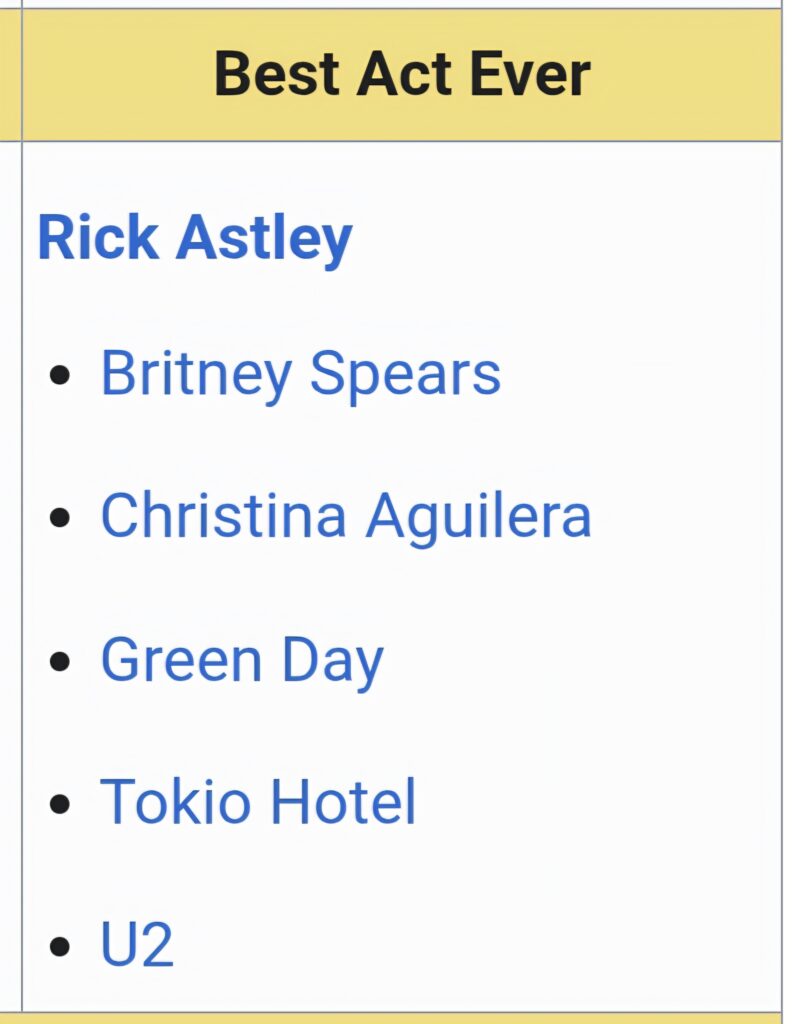
For instance, he did not attend the 2008 MTV Europe Music Awards despite an online vote naming him “Best Act Ever”. He did, however, agree to the 2008 Macy’s Thanksgiving Day Parade rickroll. “I think it’s just one of those odd things where something gets picked up, and people run with it,” Astley said. “But that is what’s brilliant about the Internet.”
In a 2016 interview, he actually accepted that it had probably done him a lot of good. He added, “It’s not personal to me… it could have been anybody.” He further noted, in 2023, that rickrolling had actually helped him reconnect with “Never Gonna Give You Up” after 15 years of not singing it, and even said he likely wouldn’t have been invited to Glastonbury without the song and “the Rickrolling thing.”
In a later interview (2025, People), Astley reminisced that when the meme took off, his teen daughter was rather reassuring. “Don’t sweat it… It has nothing to do with you,” she said, urging him not to see it as an attack on him personally.
Its…Never Gonna Let You Down
The internet that produced the rickroll barely exists anymore. The archaic imageboards of the mid-2000s have given way to cleaner interfaces, algorithmic feeds, content moderation teams, and platforms engineered for viewer retention, rather than outsourcing traffic.
If the rickroll has endured, it is primarily because it epitomises the most important medieval rule for life online. To click is to trust, be it a random stranger in a Discord chat or an old friend from elementary school. The rickroll exists to violate that very trust, and it does so effectively. The internet has always been a place where expectations may be punished, and even the most innocent link may yet conceal a far more sinister act of betrayal.
But for all its flaws, the rickroll remains one of the internet’s gentler cruelties. It may use the logic of a scam, but it does not carry its malice. It asks only for a click and, in exchange, delivers a moment of embarrassment, a flash of mild irritation, and, more often than not, a reluctant laugh from the pranksters.

In an online world increasingly flooded with manipulations seeking money, data, outrage, or attention, the rickroll is a far simpler vice. It only shows one’s desire to mildly (and harmlessly) inconvenience a stranger or a friend for the sake of a joke. One is pranked and annoyed, and eventually, as tradition demands, one passes this indignity along. In fact, I’d even say that if one must be tricked, there are worse fates than Rick Astley. Long may he dance!