

“It’s not your fault.”
— Good Will Hunting (1997)
If you’ve watched Wes Anderson’s Asteroid City, The Royal Tenenbaums, or the television show Young Sheldon, the idea of a child prodigy probably isn’t new to you.
Imagine a child who can speak four languages before most can even speak one, and who can solve differential equations before most kids can even tie their shoelaces. Sounds pretty bizarre, right? Well, unbelievable as it sounds, this was only the beginning for South Korea’s Kim Ung-Yong.
Ung-Yong’s Early Childhood
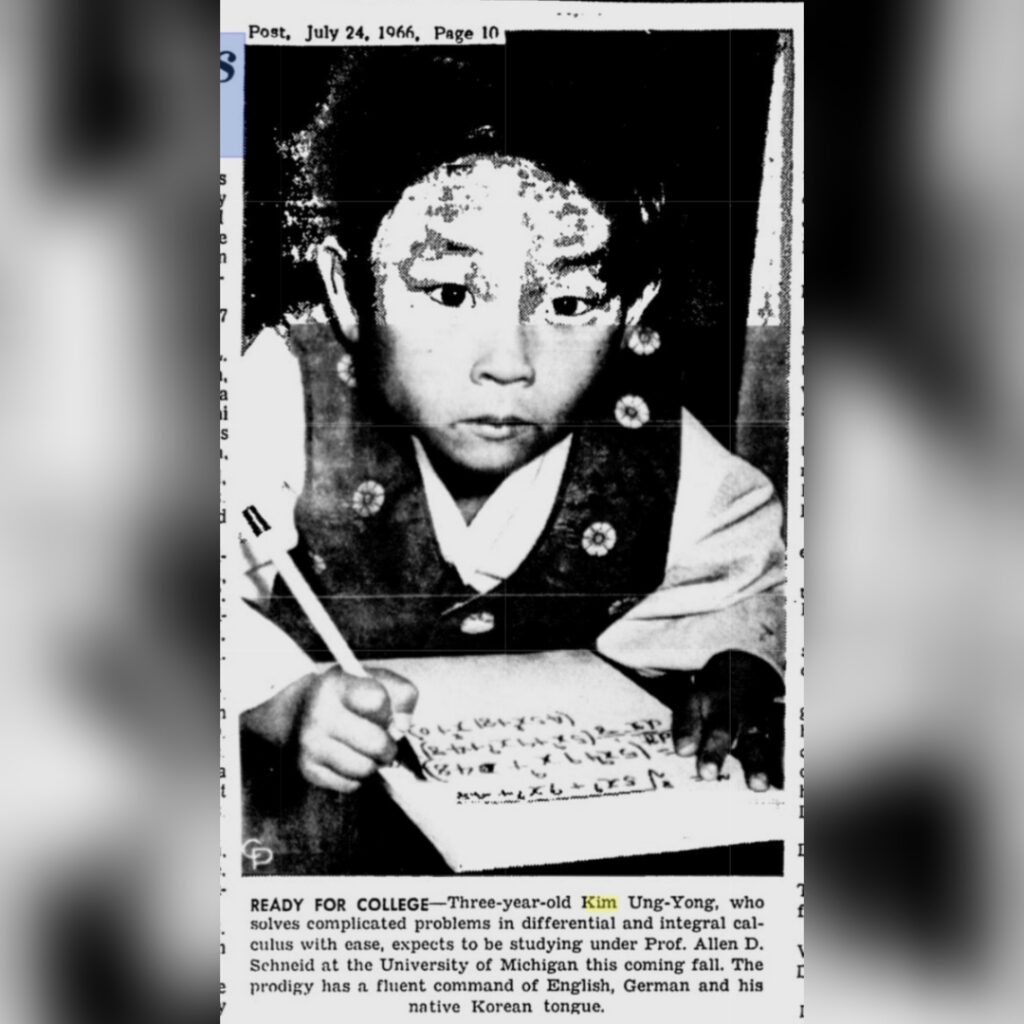
Born to physics professor Kim Soo-Sun and teacher Yoo Myung-Hyun on March 8th 1962, in Seoul, South Korea, Kim Ung-Yong was displaying signs of extraordinary intelligence almost as soon as he could speak.
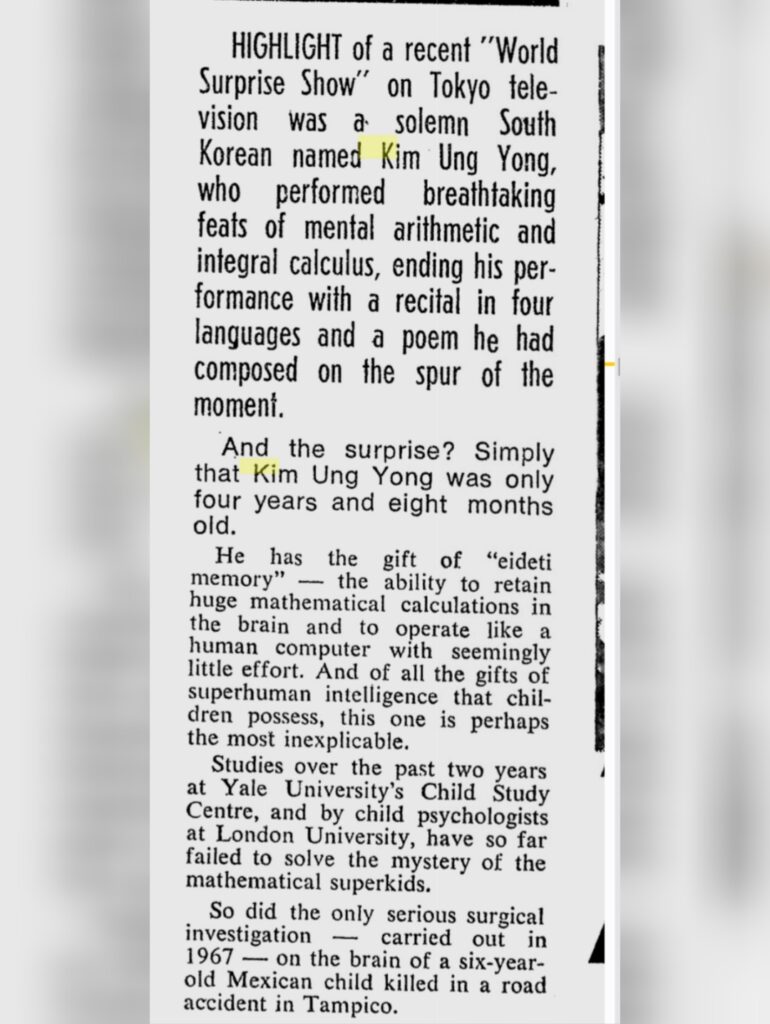
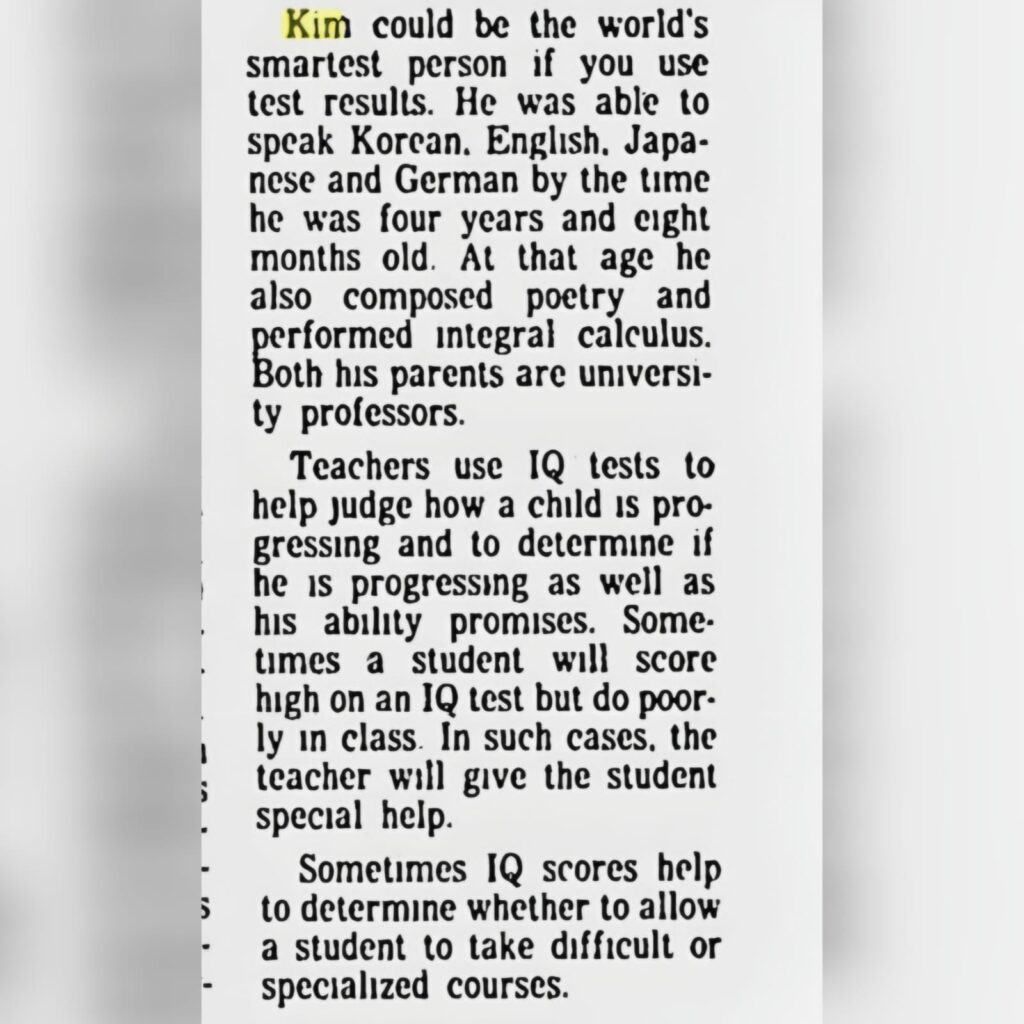
Reportedly, Kim could speak four languages (English, German, Korean and Japanese) by the age of five, and grabbed international attention by solving differential equations on a Fuji TV show in Japan.
With an IQ of 210, he was listed in the 1980 edition of the Guinness Book of World Records as the holder of the world’s highest intelligence quotient.
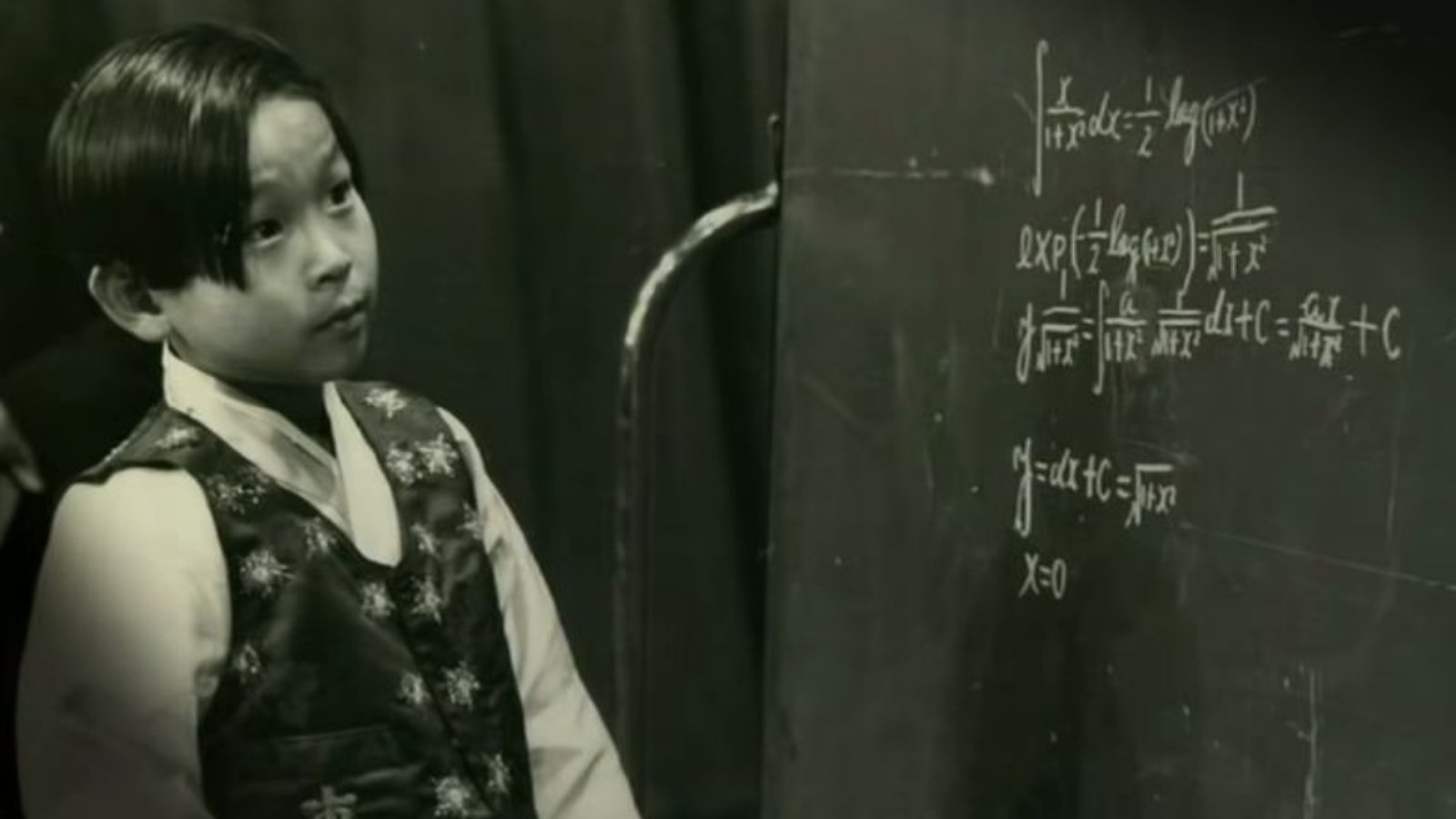
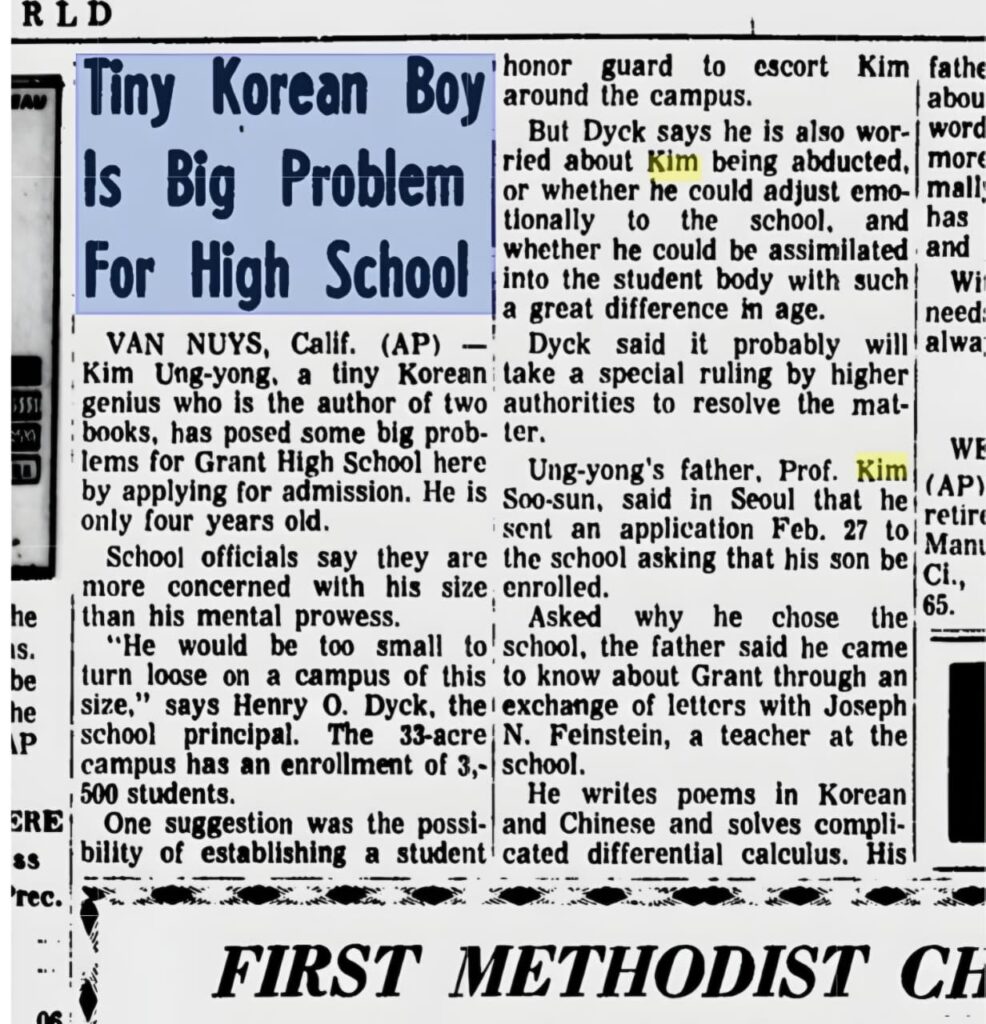
By the age of 4, he had already applied to Grant High School in the US, where his small stature seemed to pose significant problems. “He would be too small to be turned loose in a campus of this stature,” said the principal, Henry O. Dyck.
Further concerns regarding him being abducted, and whether he could be assimilated into the student body with such a massive age difference between the normal students and him, exacerbated the difficulties.
From Lecture Halls to NASA
These problems caused Kim to study physics at Hanyang University instead, as an auditing student from ages 4 to 7.
In 1970, NASA apparently recognised his ‘genius’, invited him to the USA, and facilitated his master’s and doctoral degrees at Colorado State University. Afterwards, he worked as a senior researcher at NASA starting in 1974, at the mere age of 12.
“I mainly calculated things like how to get to Mars and the speed required to penetrate the atmosphere, in NASA,” the prodigy later stated.
A Korean Outsider in NASA
Life in the States, however, was not all a bed of roses for young Kim. “People there are rather cold-hearted,” he would go on to state in a later interview; “I was an eternal stranger and an outsider… [my] disappearance there would not have caused surprise.”
Similar to the 2009 Balloon Boy fiasco (though in that case it was a hoax), the media had hyped up Kim almost disproportionately.
By his own account, he was treated more as a ‘clever machine’ by NASA than an actual child. “Since even the slightest error in my calculations was unacceptable, I mainly focused on those aspects,” he said. With minimal contact with people his age and no chance to become close with the adult staff, he was truly stuck in a rut.
One might expect a ‘child genius’ to bask in the glory of their intellect and the attention they harbour, but through his interviews, Kim seems to express a deep-rooted, apathetic disdain towards his time in America.
“I felt stifled living like a ‘stuffed human’ at a young age when I should have been socialising with my peers,” he noted. Computers were still in their early stages and not exactly reliable or efficient. Resultingly, his work served as a substitute for what the computer would do.
“I had countless doubts over ‘why I have to do this work’,” he reminisced, describing a series of ‘hellish’ tasks that he seemed to feel had no objective at all.
Kim’s Return to Korea
Ultimately, in 1978, Kim returned to Seoul rather abruptly, without even informing NASA. Commenting on his return, the prodigy noted that there were times when he would suddenly become short of breath in NASA, and that it was due to a genuine illness.
“But instead of saying, ‘You were ill,’ people kept asking, ‘Why did you leave such a prestigious place?’ That was frustrating.” He added that if he had stayed there a few more years, he might not have survived. “I escaped from ‘death.’ I escaped for a new life,” he said.
“If I had continued working as a researcher there, I probably would have committed suicide.” For him, who had not a single friend to play with as a child, life in the United States was hell.
From PhD Coursework to School Exams
But life in Korea was not easy either. He had essentially lived two different lives in a couple of years and had switched his major from physics to civil engineering. But back at home, young Kim lacked diplomas from elementary school to university.
A senior researcher at NASA in the West, Kim had to start all over from elementary school. Surprisingly, his PhD in physics coursework in the U.S had almost no bearing in Korea without a diploma. After taking the GED, Kim had to graduate from elementary, middle, and high school.
Having skipped school as a child, he encountered many unfamiliar things during the exams. Anecdotally, he recalled, “There was a question in a poem by No Cheon-myeong that asked, ‘Which animal is sad because its neck is long?’ I circled the giraffe between the deer and the giraffe. I found out later that it was actually a deer.”
The mounting media pressure, combined with unfamiliar subjects, caused him to score only 13 out of 20 points. Nonetheless, Kim was ecstatic at the prospect of having finally cleared his GED.
Finding Friendship for the First Time
After his re-schooling in Korea, Ung-Yong chose to attend Chungbuk National University, a provincial university, for higher studies rather than one in Seoul.
At the time, I wanted to try again at a provincial university where I had no connections whatsoever. The media reported it as ‘a boy genius entering a provincial university.’ But what is wrong with a provincial university?” he asked.
Perhaps, at times, needing friends and real connections is a lot more important than having a prestigious University degree.
Experiencing college life properly for the first time was a breath of fresh air for Kim. To reclaim the friendships he had missed out on in his childhood, he joined every club he could find. Local newspapers of the time noted that the conflicts and friendships between people seemed to strike him as tear-jerking.
In later interviews, he expressed strong indignation at the system, stating that “We must not treat geniuses or the gifted like ‘monkeys’,” adding that “the social atmosphere of evaluating a human being by one’s own standards must now change.”
From Barracks to the Blackboard
Graduating from the University in 1985, Ung-Yong enlisted in the military as a part of South Korea’s mandatory military service, with an Honourable Discharge as a Sergeant in 1991. Kim completed his doctorate at the same university, earning his PhD in 1998.
In 2006, a ‘Seoul Newspaper’ interview revealed that Kim had been working as a part-time teacher at ‘Seongam Night School’ in Sachang-dong, Cheongju. His students were mostly older women taking their GED exams after not being able to complete them earlier.
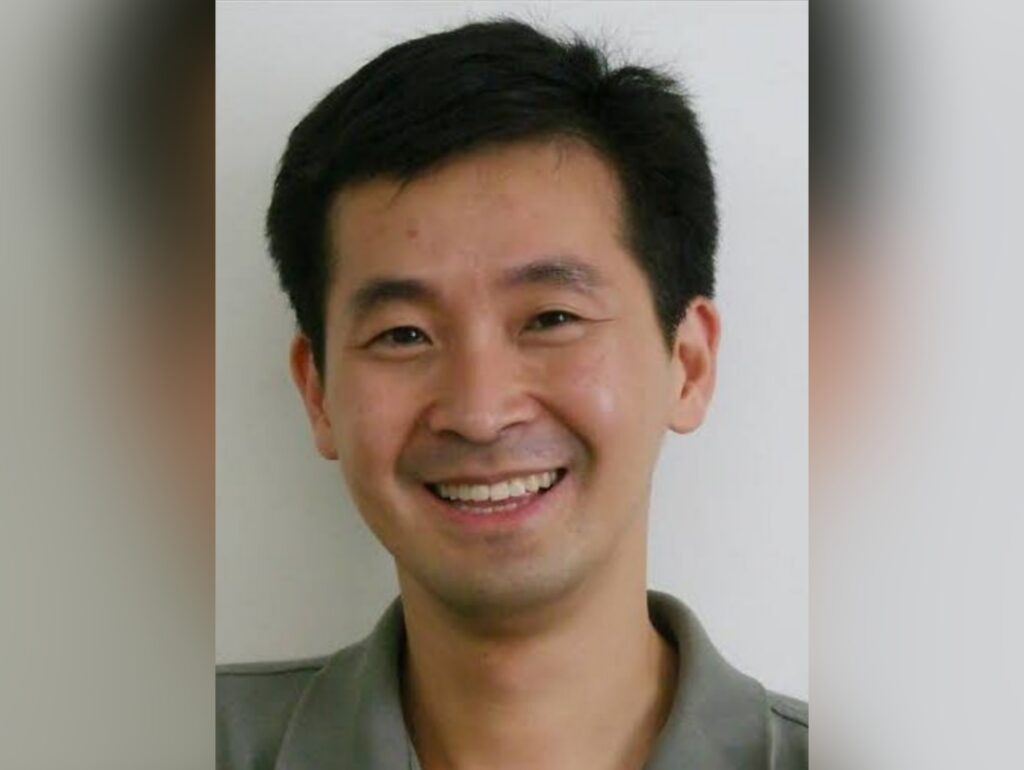
“I teach the second period every Thursday evening starting at 7:00, and am in charge of science and math,” he said. The interview noted that his actions stemmed from a pure heart, believing that, having passed the GED through elementary, middle, and high school himself, he understood their feelings better than anyone and could offer help.
With a laugh, he notes that“I feel the most rewarded when a lady who passed sends a text saying she’ll buy me a drink of soju.” Despite the challenging environment, he maintains that his students take their education seriously. “I actually learn a lot myself while teaching the elderly,” he notes.
Too Famous to be Serious
While working, Kim consistently published research findings in the form of papers, publishing over 100 papers in domestic and international academic journals since 1988. In 2006, he earned his place in three of the world’s leading biographical dictionaries, including ‘Marquis Who’s Who In The World’.
In August 2012, when a U.S. non-profit organization, ‘Super Scholar’ announced the 10 smartest people in the world, he was again listed with Stephen Hawking, among others. Reportedly, he had the third-highest IQ in the world.
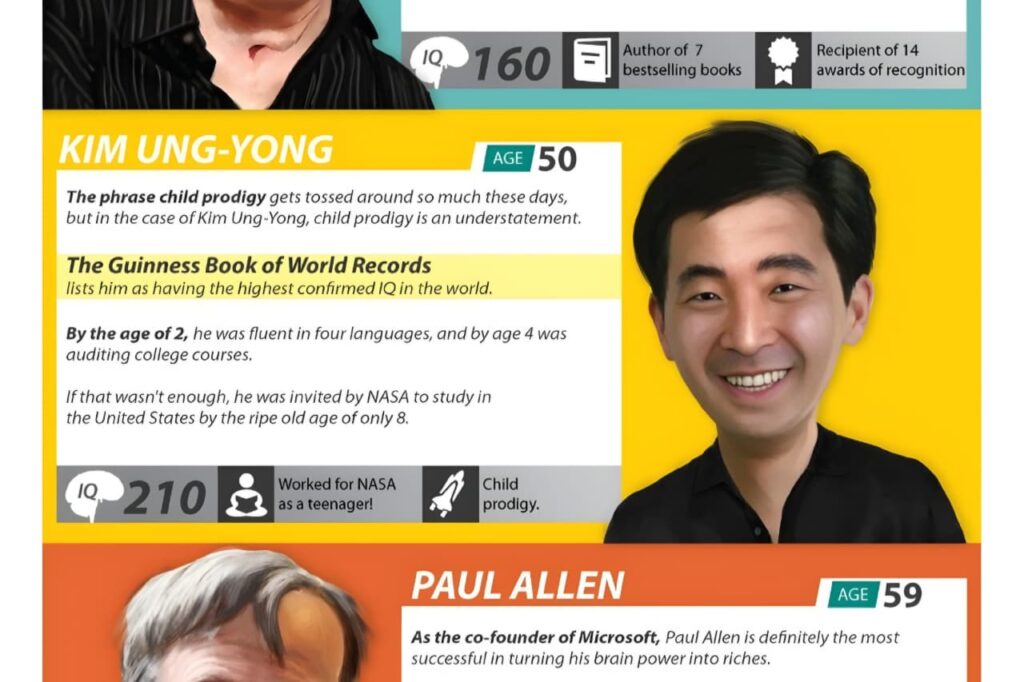
Surprisingly, his childhood fame was actually a sort of barrier to his becoming a professor. Forlorn, he once stated, “When I submitted my resume and went through interviews for professorships, I could feel that I was avoided simply because I was a ‘child prodigy’ in the past,” adding, “I have now given up on my plan to become a professor and no longer apply.”
The Korean culture, which valued academic grades and institutions far more than intellectual prowess, looked down on graduates from provincial universities, and, consequently, their appointment as professors was rare.
Professorship, At Last
In 2014, Ung-Yong was finally appointed as a professor at Shinhan University and as vice president of the North Kyonggi Development Research Centre, a position he had been aiming for for a considerable period.
When asked when he was happiest in his life, he said, “I am married and have two sons, and these days, I am truly devoting myself to research amidst a happy and stable daily life.”
Why Kim Ung-Yong Rejects Modern Schooling
However, Kim Ung-Yong still harbours a deep resentment towards the Korean educational system. “Schools in our country have ended up becoming mere means to get students into prestigious universities, rather than places to develop one’s own abilities.”
“I find myself dumbfounded when people ask, ‘How did a wife who graduated from Yonsei University marry someone who graduated from Chungbuk National University?’”
He notes that subsequently, so-called ‘gifted’ academies have proliferated, and parents have ended up merely shoving their children into stuffed moulds without even being able to observe or wait for their talents to emerge. Citing the example of a child being taught to play the piano, without the child even being asked whether his fingers hurt or if he even wants to play, he expresses disdain.
“Why do they give so much homework, like asking to write out numbers from 1 to 100…?”
Ung-Yong in Popular Media
An ‘MBC Special’ directed by Choi Sam-gyu, which aired in 2012, covered the story of Kim Woong-yong. In the special, Woong-yong was portrayed as an extraordinary figure with an IQ that surpassed Goethe’s (IQ 190) and Einstein’s (IQ 180), in stark contrast to what Kim himself might have wanted.
A book by Mark Splain, The Fascinating Legacy of the Smartest Kid Ever, also tries to unearth the mystery surrounding the whiz kid.
Ordinary Happiness in an Extraordinary Life
Kim enjoys his life these days. Having long shed the label of being a ‘genius’, he finds comfort in his friends and family. Expressing great satisfaction and boundless anticipation for his job as a professor and for the life of sharing joys and sorrows with his eight team members, he said he couldn’t be happier.
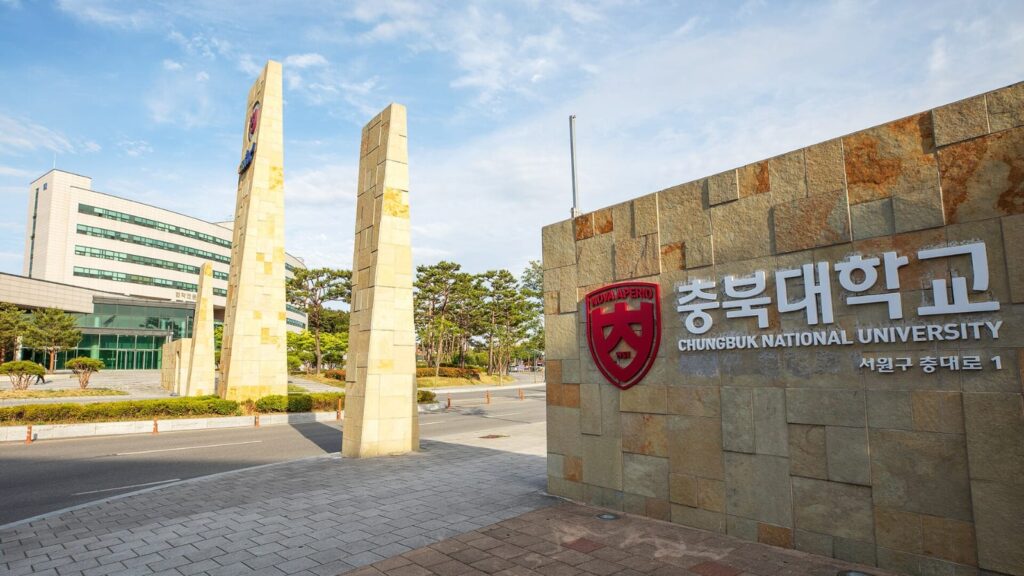
He remarked, “I was most envious when I heard people around me talking about attending high school reunions.” During his time at Chungbuk National University, he often socialised with alumni from Wonju High School, and he was very grateful that they eventually allowed him to attend their reunions.
To repay them, he learned the Wonju High School anthem and even earned a “certificate” to attend the 25th graduating class reunion, he said with a bright smile.
If you love reading about mathematical geniuses, the story of Jerry and Marge Selbee might also fascinate you.