

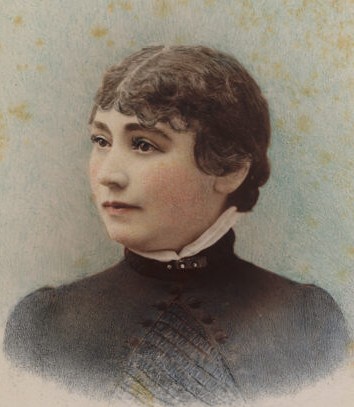
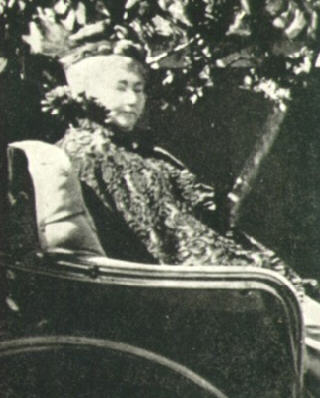
Picture this: an American woman in the 1800s, just under 5 feet tall, from a comparatively wealthy family. She speaks French, supports animal rights and is very opinionated. This was Sarah Winchester. But after her marriage to William Winchester (the son of a wealthy weapons magnate), a series of personal tragedies shadowed her bright & promising personality… starting with the death of her daughter in 1866. The infant died within a month of birth, due to Marasmus – a form of severe malnutrition arising from energy deficiency.
Sarah Winchester was an heiress to an unfortunate fortune, and her home became the Winchester Mystery House
Decades later, in 1880, Sarah’s mother died. The same year, her father-in-law, Oliver Winchester, died, leaving his son his fortune & estate. William didn’t enjoy the wealth of his afterlife for long. He, too, died in 1881 from tuberculosis. Sarah Winchester inherited all of William’s assets, including 7500$ bank drafts and 777 shares in Winchester Repeating Arms Company (worth 77,770$).
Adding to the already mounting grief, Sarah’s eldest sister died in 1884. As per a report, her doctors & friends urged her to “leave the east, seek a milder climate & search for some all-consuming hobby” to heal from the losses. Heeding the advice, she left her life in New Haven, Connecticut and moved to San Francisco, California. By this time, she had started to experience symptoms of Rheumatoid Arthritis, a disease that would continue to haunt her for the next half of her life.
Her San Francisco residence was in the middle of the industrial hub spurred by the Gold Rush. It was foggy, damp & cold. Not good for her aching joints. So when Edward Rambo, a local Winchester company agent, took her on a tour of the Santa Clara Valley, she readily agreed.
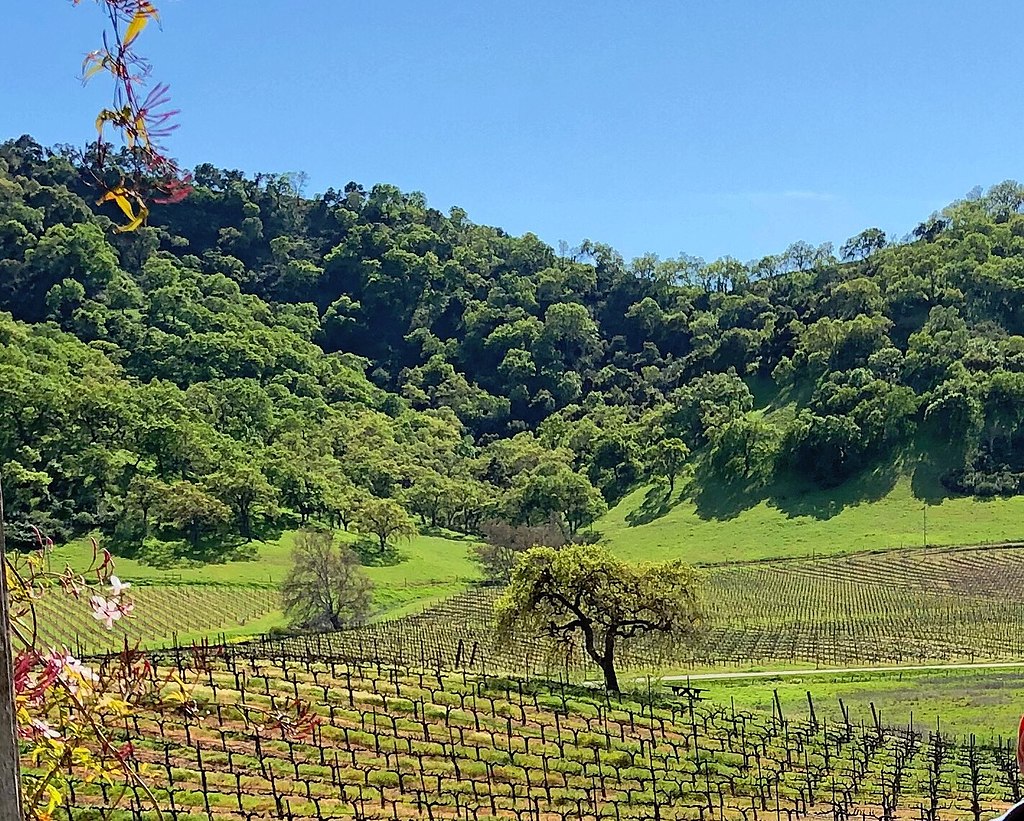
Currently, the area is known as Silicon Valley, but back then, it was utterly pastoral. It was simple, quiet & had much warmer temperatures than San Francisco. That alone was enough to entice the arthritic Sarah Winchester.
When Edward showed her an idyllic 45-acre Ranch (then owned by John Hamm), she had her doubts about the place. There wasn’t enough land to expand the house if she needed it. But seeing the vast open land surrounding it made her feel better about the decision… she could just buy the adjoining land if she needed it later on. She went ahead with the purchase, paying the owner, John Hamm, $12,570 ($400,000 in present-day money).
The property & the surrounding valley reminded her of Llanada Alavesa, a similarly picturesque region in Spain where she & her husband had visited together. In honour of that memory, she named her new home ‘Llanada Villa’.
ALSO READ: The Margate Shell Grotto Is a Mysterious Underground Cave in Kent Covered in 4.6 Million Shells
Change of Plans (One After the Other)
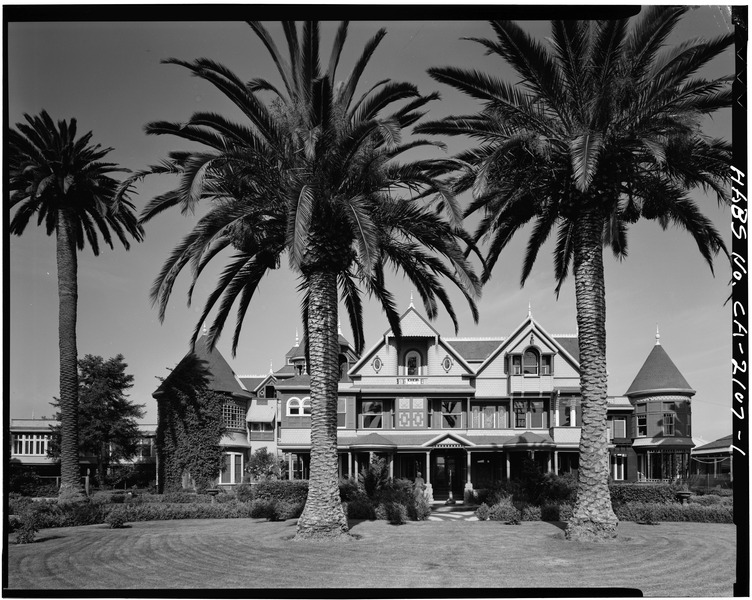
The villa was situated away from the towns of the valley, on a country lane called the Santa Clara-Los Gatos Road (currently known as Winchester Boulevard). According to the mansion’s official website, it was an eight-room farmhouse with two storeys when Sarah purchased it. The original structure is said to have had a wooden frame. Parts of the original structure date back to the 1870’s or even earlier.
The Winchester Mystery House had a history even before Sarah, which has now been overshadowed by the zealous widow’s constant string of renovations over the years. It’s very natural for a new homeowner to make some changes – to make the place their own. That’s likely how Sarah started.
Sarah’s father owned a mill & wood shop called Leonard Pardee & Company. During her childhood, she spent a lot of time there, naturally developing an interest in woodworking. Later, when she & her late husband were overseeing construction of their new home on Prospect Hill, she had also developed an interest in architecture & interior design.
So when she planned the expansion of the Llanada Villa, she dismissed the architects she’d hired. Sarah Winchester decided to plan & oversee the renovation herself.
Think about how overwhelming renovating a three-bedroom suburban house is. Now extrapolate that to an eight-room mansion. As per the book ‘Captive of the Labrinth’, Sarah “drew up plans, instructed builders, subscribed to journals including Architectural Record, and did her own rough drafting & design.”
The current owners state that construction lasted 38 years, but in reality, it occurred in phases. Sarah would often dismiss the workers for months at a time. While there is no detailed record of when each change was made, the renovation activities can be roughly clubbed into three phases.
Remodelling Begins (1880s to Early 1890s)
The remodelling of Llanda Villa began immediately after purchase. The original foundation was extended, and a basement was dug to support the expanding house. The ballroom, the house’s interior showpiece, was decorated with intricately carved speciality wood, arranged in diamond or herringbone patterns. The floor of the room was given an intricate parquet pattern of teak, maple, ash, mahogany, oak & rosewood.
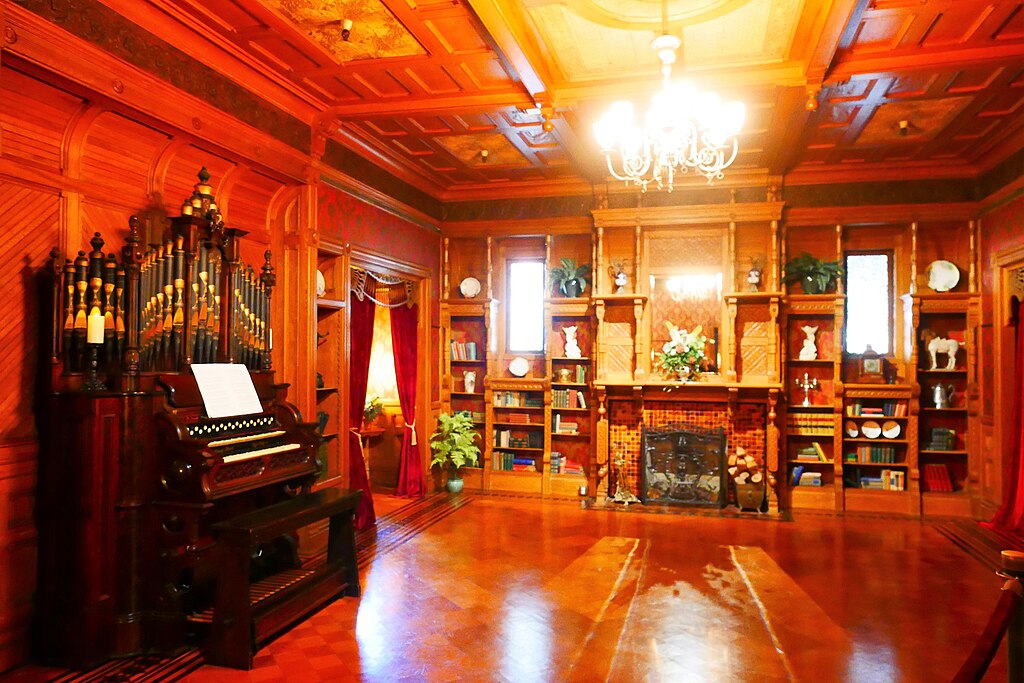
The second floor was converted into a collection of sleeping rooms, each with an adjoining sitting room and a sewing room. The ceilings were decorated as well. The house was adorned with global interior choices – German chandeliers, Austrian art glass, English wall coverings, Asian furnishings, and French paintings.
Sarah adopted a Victorian style of architecture, with many rooms, each leading to another, and on and on. This approach is what gave rise to the maze of rooms we know today. According to some sources, 26 new rooms were added in the first six months after the purchase.
In 1888, Sarah’s favourite niece, Marion ‘Daisy’ Merriman, moved to Llanada Villa, where she would live till her marriage in 1903. It is speculated that the daisy window panels overlooking the front of the villa and the daisy-themed bedroom decor were changes made to accommodate and symbolise Daisy’s arrival.
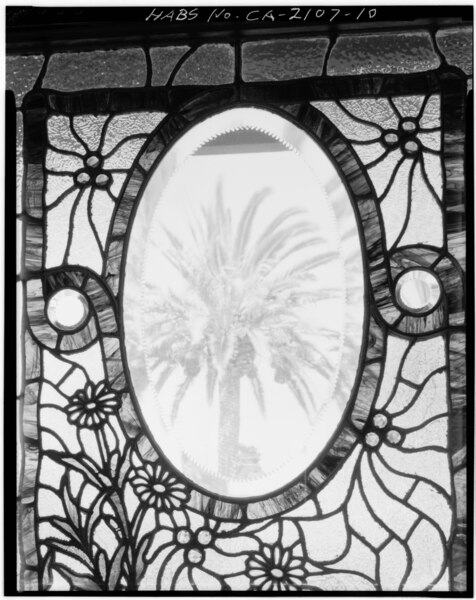
The house features a host of beautiful, intricate windows… and many more in the storage room, which never saw the light of day. The house was also decorated with spiderweb-motif windows scattered all over the property.
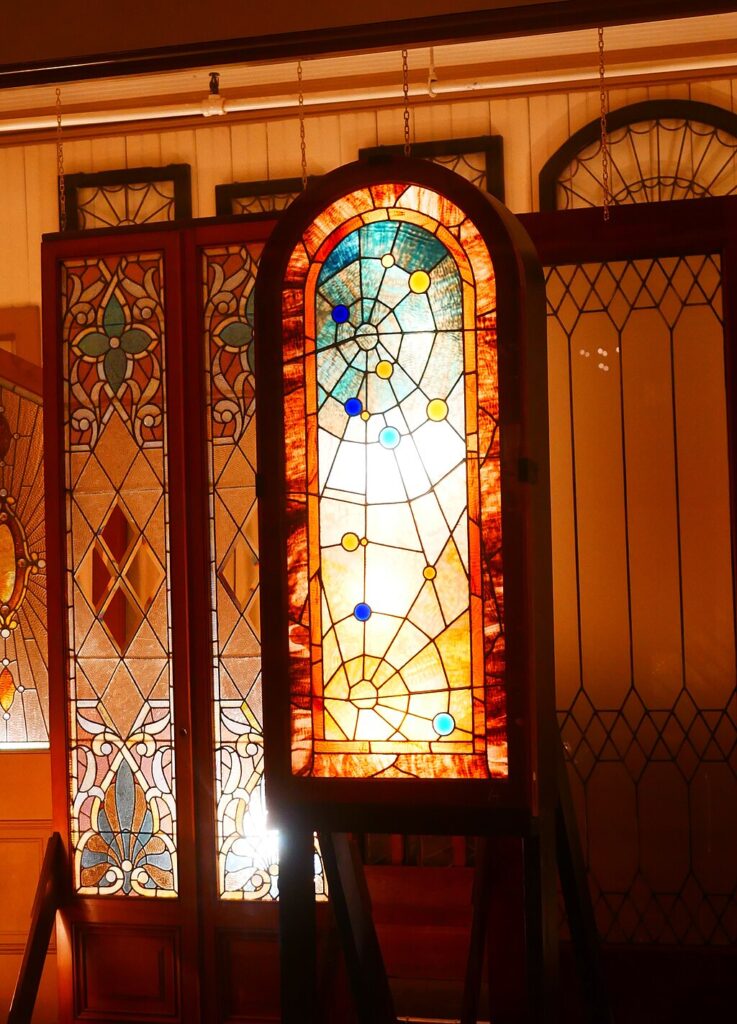
In 1895, it was reported that Sarah kept adding turrets, towers & rooms. According to the Winchester Mystery House website, the rumours began during this period. The San Francisco Chronicle published an article with the headline “The widow of the rifle inventor believes she will die when the work stops”. Sarah’s refusal to comment on these rumours fueled them further.
ALSO READ: America Once Built Giant Arrows to Guide Pilots Across the Country, and Some Still Exist Today
Expansion Speeds Up. So Does the Rumour Mill (Late 1890s to 1906)
In 1896, the construction reached new heights, literally. Sarah started adding the third & fourth storeys to many parts of the mansion. In some sections, even a fifth storey was added. Some of these additions were intended to serve as living quarters for the resident servants.
Around 1897, a seven-storey tower was also built. It’s claimed that the tower’s cupola was demolished & rebuilt 16 times. On a clear day, from the tower, one could see the San Francisco Bay to the east and Stanford University to the north.
A host of news articles described her as guilt-ridden from deaths caused by the Winchester Rifle – a repeating rifle her husband invented. It could fire many bullets with a single press of the trigger, without reloading. As per speculation, it is haunted by the ghosts of those killed by the Winchester Repeater.

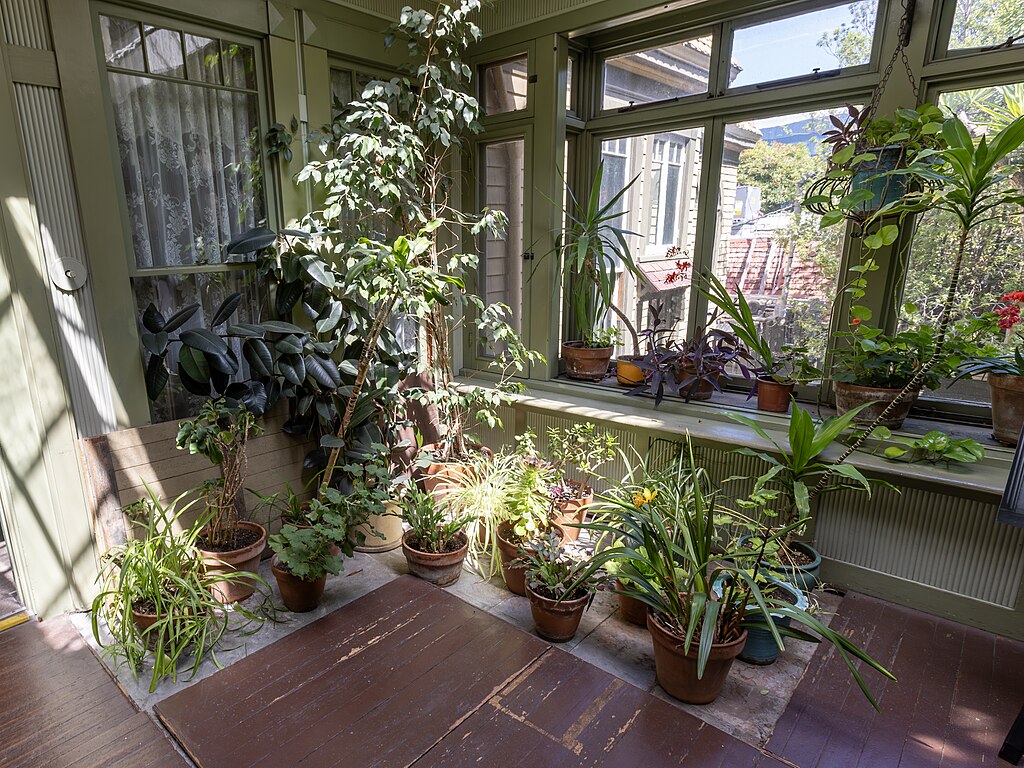
During this period, the avid architecture enthusiast also borrowed elements from the Columbian Exposition (1893) held in Chicago. A Hebe statue was commissioned, inspired by its counterpart at the California Viticulture Exhibit. The exposition’s Japanese Village influenced Asian themes in her gardening. Strawberry Hill inspired her tea gardens, where Sarah enjoyed picnics & tea provided by her Chinese cook. A greenhouse inspired by the horticultural building was also added. Around 110 countries were represented in some way or another in the gardens of Llanada Villa.
Calamity Leads to Downfall (Post 1906)
In 1906, a 7.9 magnitude earthquake shook San Francisco. Most exterior elements, including balconies, were lost, fireplaces & chimneys were reduced to rubble, and many upper-level sections collapsed. Around the earthquake, it is also reported that Sarah was experiencing the debilitating effects of her disease. Her lawyer had acknowledged that it was painful for her to write. From 1908 to 1911, Sarah was seriously ill. Her failing health was likely a factor in her decision not to rebuild the villa entirely. She only made fundamental repairs, making the place safe for habitation. With this intent, collapsed sections were sealed off without modifying/repurposing the surrounding elements.
While the rest of San Francisco recovered from the earthquake, Sarah Winchester’s zeal for reconstruction couldn’t survive. Her worsening arthritis led her to withdraw from the project. The only notable addition was an elevator installed in 1916, possibly a requirement stemming from her degrading joints. In the later years of her life, Sarah focused on managing her investments, planning her will & estate.
Marketing Behind the Myths
Owing to Sarah’s minimal social interaction & lack of interviews, many fictions arose from the constant construction. Many theories popped up to explain it. Most forayed into speculation, while a rare few stayed close to reality.
A few months after Sarah’s death, the bidding process on the villa started. Real estate developer T.C. Barnett purchased the property on behalf of a group of investors. The land was divided into two parcels: a 99-acre parcel and a 66-acre parcel.
The larger piece sold easily, but the smaller one containing the house was a tough sell. For three months, Barnett tried selling it, but to no avail. Then only one prospect emerged: John Brown, an inventor of early roller coasters who also had experience in the amusement industry. He sensed the opportunity to turn the mansion into a house of mystery, so he leased it from Barnett.
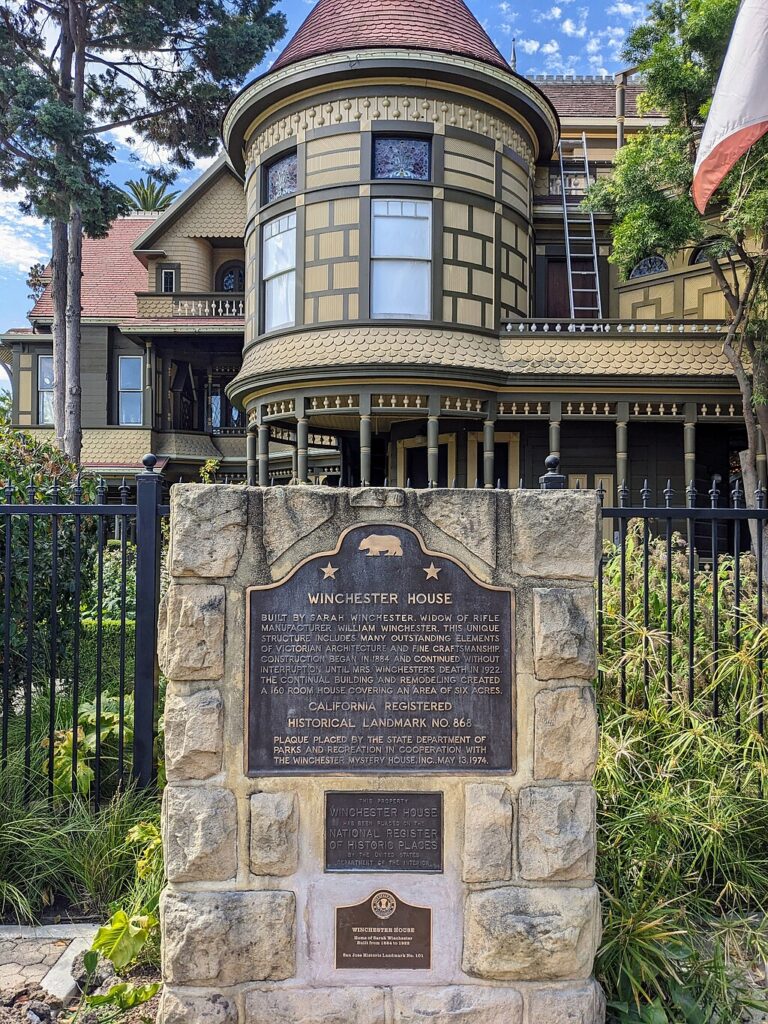
To get footfall, Brown invited journalists to tour the house. He leaned heavily into the spooky angle and let the journalists speculate as well. They spun stories about gun deaths, weird construction, expertly weaving in implications of the spiritual/paranormal. They even invited Harry Houdini to promote the air of mystery. All of these activities got the business rolling quickly. Reportedly, the Brown family made a ‘modest’ income from the venture.
Today, descendants of the Browns continue to own & manage the property. Sarah Winchester is long gone, but the myths persist. Here’s a short myth v/s fact comparison of all the claims out there.
Myth #1: Sarah had to keep building, or she would die
Fact: This was merely a headline in a 1895 news article (mentioned previously). The truth was entirely different. First, Sarah didn’t renovate continuously for 38 years. She took multiple breaks and even lost the will to continue frequently. She would dismiss the workers for months at a time, especially in the winter, for resting. And after 1906, there wasn’t any construction, only small repairs & upkeep.
Myth #2: She built the maze to confuse spirits
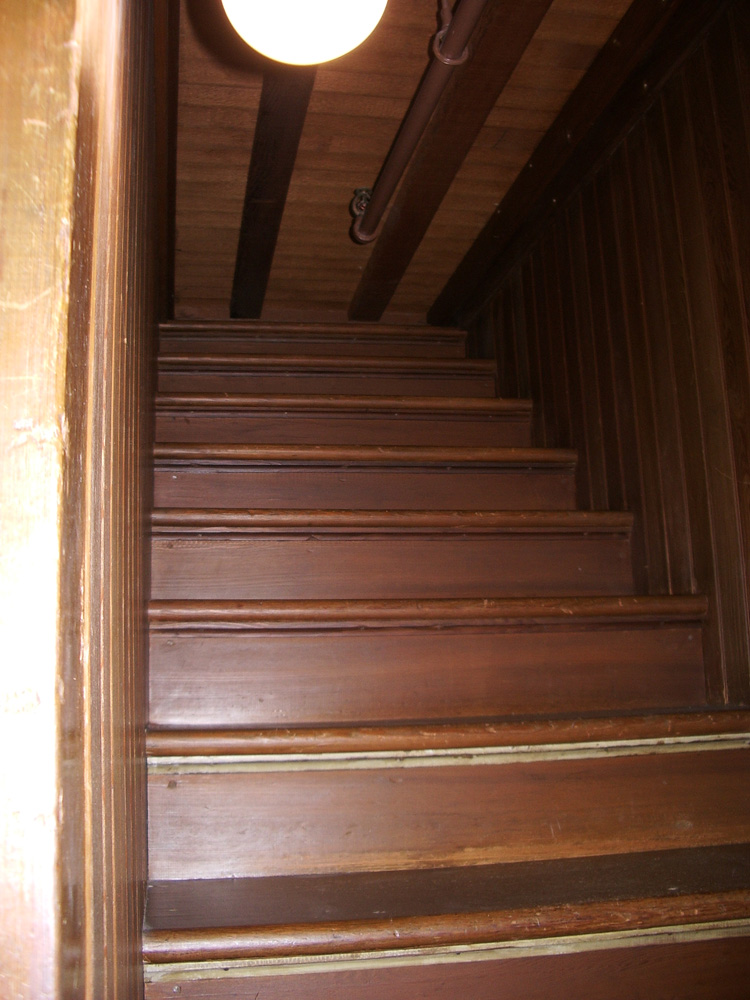
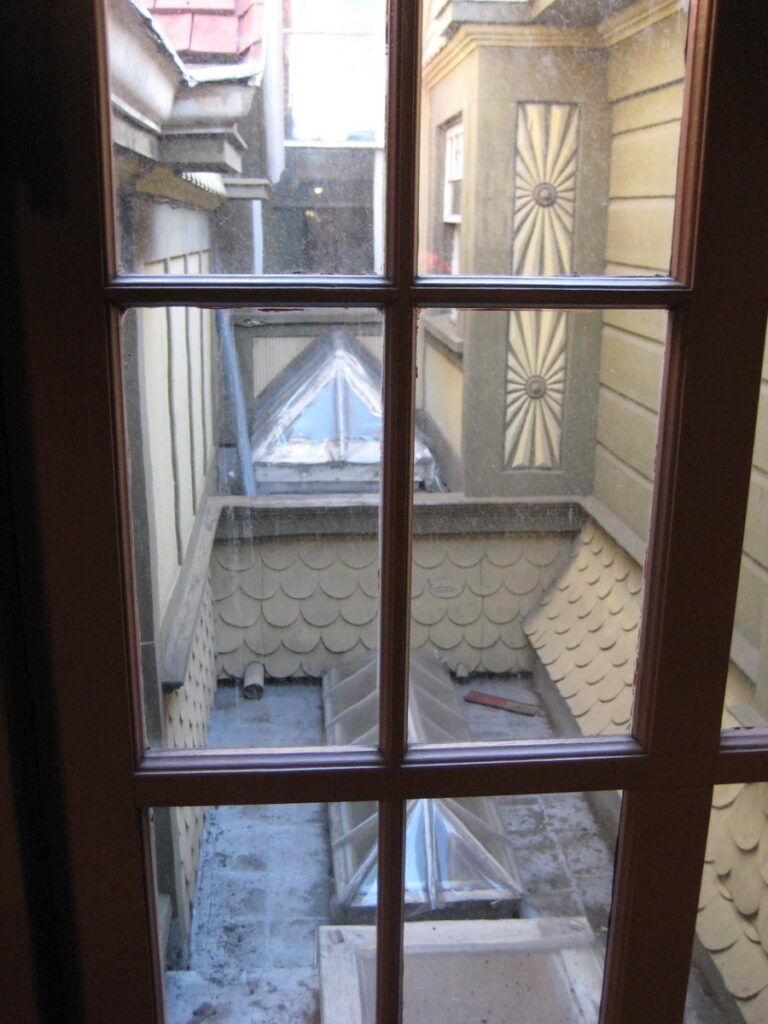
Fact: This myth was fueled by rooms leading to more rooms, stairs leading nowhere & the mysterious sections sealed off. In truth, all dead ends were earthquake collapses sealed off. And the labyrinthine form of the house was influenced by Victorian architecture. Sarah would also only sketch & execute one section of the house at a time, without involving a trained architect. No cohesive plan existed, resulting in the maze-like building we know today.
Myth #3: The obsession with 13 was a sign of occult leanings
Fact: The Winchester House contains 13 candles in the chandelier. The number of windows, bathrooms & ceiling panels also totals 13. This has given rise to the claim that 13 was Sarah’s favourite number. Far from the truth: all references to the number were later additions for marketing purposes. They were done years after Sarah’s death.
Myth #4: Sarah Winchester had a seance room for speaking to the dead
Fact: The room that is now shown as the seance room was merely a bedroom often used by her foreman, her chauffeur, her Japanese gardener and the gardener’s wife at different times. The bell found there, initially thought to be for calling spirits, turned out to be a simple fire alarm.
Myth #5: The Winchester House is the most haunted house in America, with thousands of ghosts & the spirit of Sarah Winchester herself
Fact: There is no clear evidence of hauntings in the villa. Odd noises & sudden temperature changes aren’t unusual in such old structures. Drafts of wind often create sounds like whispering. Old structures sometimes settle, causing sudden sounds. Visitors often reported feeling afraid in the Daisy Bedroom, but Joe Nickel, who visited & spent extensive time in the room, reported no such feeling in his article.
A Legendary Woman Became a Legend
There are no haunted houses, only haunted people
This saying by biographer Peter Ackroyd sums up the curious case of Sarah Winchester & her mystery house. For the lively widow, construction was pure joy. Her flaw, if only, was the absence of a unified direction. Leaving that aside, Sarah was a woman of her times.
She kept up to date with world cultures, actively giving them a place in her home. Employees & associates who interacted with her firsthand maintain that she was an intelligent, grounded woman with no hint of absurdity. She was good to her servants, even employing people of colour & other races without discrimination.
Yet when push came to shove, paranoia won in the interim. Not all news is bad, though. Over time, many journalists, investigators & historians set the facts straight, making sure Sarah goes down in history as the brilliant woman she was. While her spirit may not live on, her intellect & her legacy do… in the Winchester Mystery House.
Experience the Mystery Yourself
The house has been the subject of many documentaries & podcasts. People have visited the place themselves to personally sort fact from fiction. The 2018 film Winchester focuses on the story’s paranormal angle. Stephen King’s mini-series Rose Red was reportedly inspired by the mystery house. The property even featured on a host of paranormal shows, including Ghost Adventures (2011), Most Haunted Live! (2007), and BuzzFeed Unsolved Supernatural. Disney’s Haunted Mansion attraction is even modelled after the Winchester House, taking inspiration from its ‘seance room’ and references to the number 13.
If you want more than pixels on a screen, the Winchester Mystery House is open for public visits. The operators of the house & other tour groups arrange all varieties of tours, including a flashlight tour for those who prefer it extra-spooky. For a little fee, you could be strolling in the same place that the legendary Sarah Winchester lived and experience her legacy for yourself.