

Come gather ’round people
Wherever you roam
And admit that the waters
Around you have grown
And accept it that soon
You’ll be drenched to the bone
A thin, scrawny kid with a battered guitar stood before a microphone in a room thick with cigarette smoke, singing with a nasal, almost grating voice, breathing into his out-of-tune harmonica. Bob Dylan wasn’t melodic, and he certainly wasn’t handsome. But he was the voice of a generation growing restless beneath the burden of postwar pressure.
The children of the postwar boom were born into a world of nuclear anxiety, imperial wars, and the never-ending menace of racial segregation. A culture that rejected conformity, distrusted authority, and sought new ways of living, loving, thinking, and resisting began emerging from the woodwork in response.
The Seeds of Revolt
In many ways, the counterculture of the 1960s began with disillusionment. Young folks didn’t have to look far ahead to see the stark disparity in society. Before them, they saw a government that spewed the language of freedom, yet enforced rigid hierarchies of race, gender, class, and patriotism. The simmering discontent would soon spill onto the streets when people understood the need for change.
After the Second World War, America was desperate to bring out a ‘sanitised’ version of the American Dream. And to many, to question the state, to stand in solidarity with Black Americans fighting segregation, or to simply resist the norm, were forms of expression necessary for their survival.
ALSO READ: Rickrolling Was a 2007 Internet Joke That Turned Rick Astley Into a Meme Legend
Civil Rights and the Moral Cracks in America
“We Restrict the Right to Rent to White Only”
We often imagine the 1960s today as a time marked by ‘fun’ psychedelic posters and anti-war marches, but far before that, African-Americans were already struggling against the paradoxical nature of democracy in the United States. Almost a hundred years following the abolition of slavery, segregation was still a common practice not only throughout the South but also in the North.
Under Jim Crow laws, citizenship was based on race, and segregation in terms of school, transport, restaurants, elections, and even the daily life of an individual was rampant. And for young Americans coming of age in this era, this was one of the first unmistakable signs that the country’s rhetoric of freedom concealed a far harsher reality.
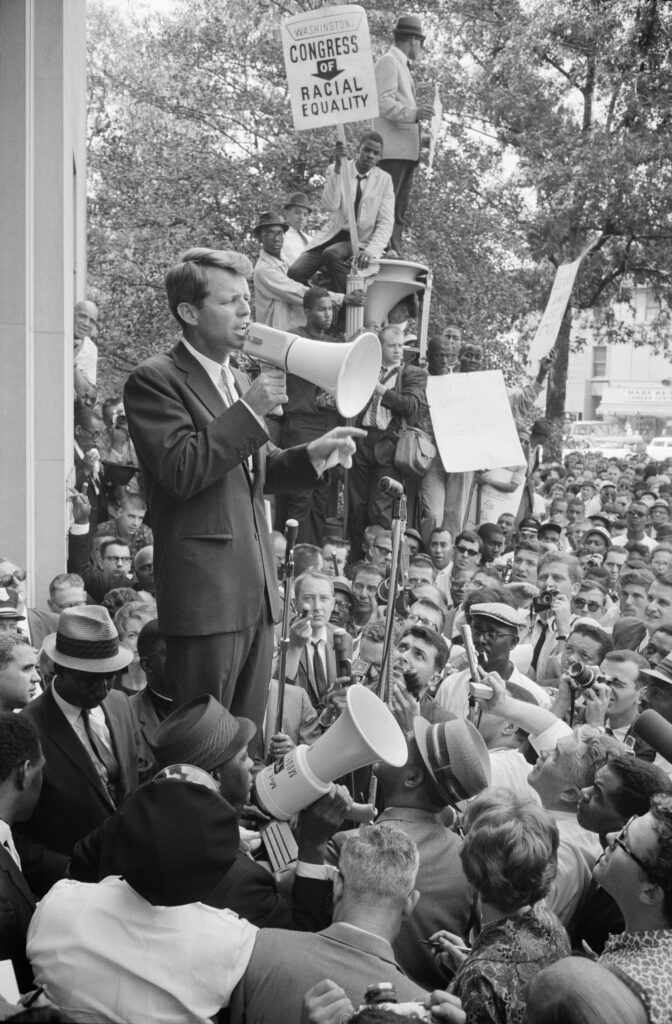
Students, often barely older than those policing them, risked beatings, imprisonment, and death for the simple insistence that they deserved equal rights in a so-called ‘democracy’. By then, television had improved quite a bit. The reality was nearly impossible to ignore.
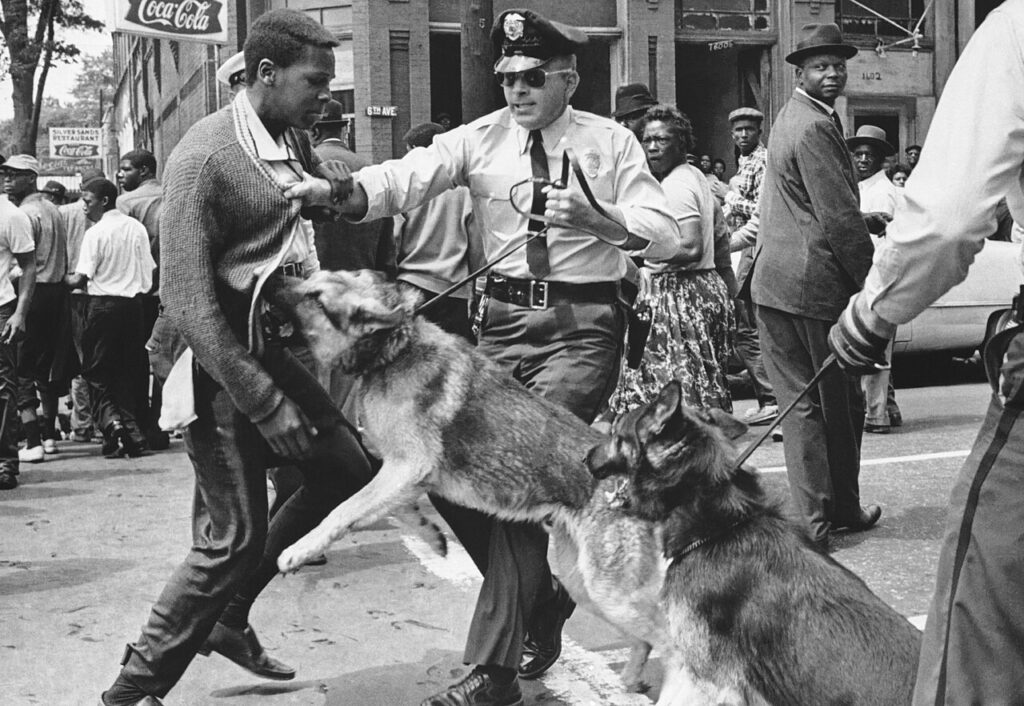
Images of police dogs attacking demonstrators in Birmingham, fire hoses aimed at children, and peaceful marchers beaten on the Edmund Pettus Bridge in Selma soon brought to light the realities that America had long tried to deny.
The protests resulted in the March on Washington in 1963 (a nonviolent, multiracial coalition calling for the nation to live up to its promises of equality and justice), embodying Martin Luther King Jr.’s vision of a fairer America. Yet the backlash that followed (which included violent Terrorist Acts such as the bombing of a church) and the continued presence of racial violence even after major legal victories showed just how deeply entrenched the problem was.
As the years passed, protesters naturally grew impatient with gradualism, which seemed to have almost no credible impact. King remained the most prominent moral advocate for nonviolent resistance, but younger activists and later figures like Stokely Carmichael (later known as Kwame Ture) began adopting a more radical approach.
The Dissent Deepens
Imagine doing everything a society asks of you, be it working hard, obeying every rule that it sets, or just being an amicable human in general. Yet, the simplest dignities of life — be it a place to live, a school to attend, a meal at a lunch counter, a seat on a bus or even the freedom to walk through daily life without humiliation– remain stubbornly out of reach.
This is where you have to come to an elementary conclusion: the state is not a neutral guarantor of freedom or equality, but an extension of a system that is hell-bent upon seeing you at a disadvantage. This realisation led to a stark shift from the hopeful language of integration that had been the norm earlier.
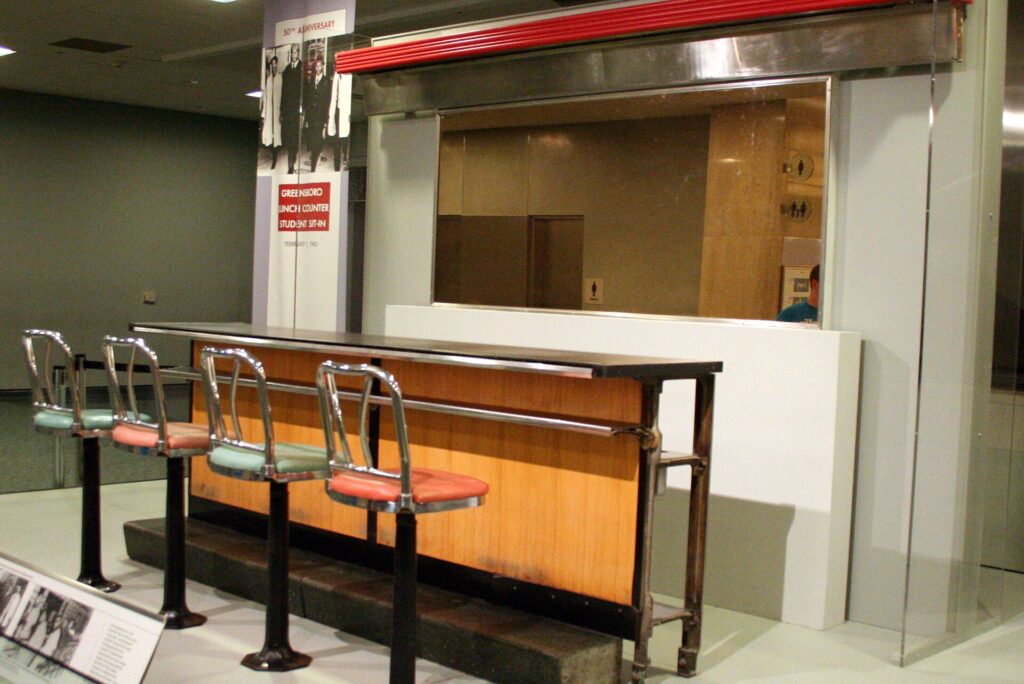
The Civil Rights movement had caused a change that perhaps the American establishment of the time would not pay much attention to. It had brought into light how the very institutions most often presented as protectors of law, order, and liberty were often the very same institutions willing to preserve inequality through brute force. And once this illusion was broken, it became increasingly difficult for young Americans to confine their scepticism to one issue. If their government could be this ruthless domestically, what would it do abroad?
The Politics of Disillusionment
The answer was not long in coming.
The year was 1964. The same state that had failed to protect Black citizens at home was now demanding unquestioning faith in its actions abroad, in Vietnam. And like bullets ringing past the ears of many young Americans in Vietnam, incoherent words such as freedom, democracy, order, and necessity were faintly floating in the air. Americans all over had heard these words before, and they had seen what often lay beneath them.
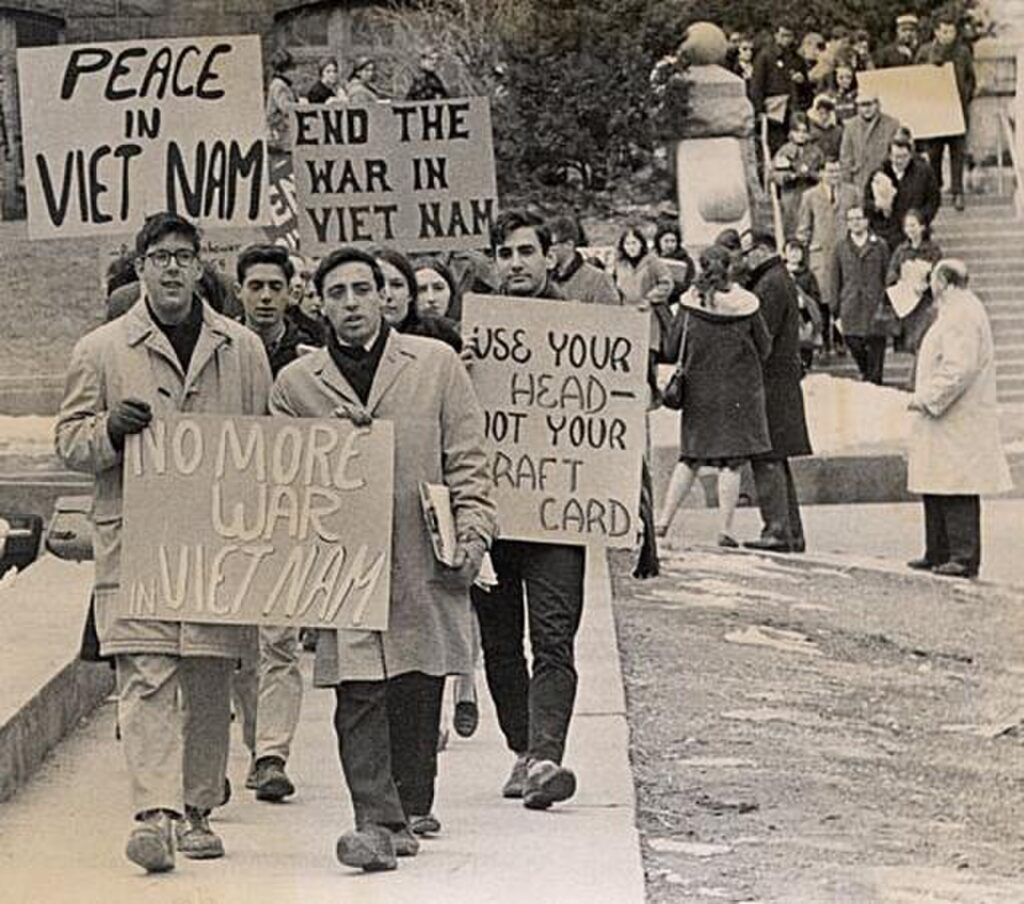
American leaders framed the war as a necessary stand against the spread of communism, a product of Cold War paranoia and the belief that if one nation fell, others would follow in its wake. This logic, the so-called Domino Theory, allowed America’s violent intervention to be posed as a ‘moral duty’. What began as financial and military support for South Vietnam gradually deepened into direct American involvement, until the conflict ceased to be a distant geopolitical struggle and became one of the defining crises of the decade.
The Drafted Generation
For the American youth, however, ‘Nam was not simply a war to have a stance on. It was a draft notice in the mail, the possibility of being asked to kill, or be killed, in a country they had not heard of before.
The irony was almost comical; the same Black Americans who were denied the most basic rights at home were now being asked to defend ‘democracy’ overseas. Did they even know what democracy meant? Well, that was a question for the leaders to answer. And for many, this sacrifice was not voluntary at all, but extracted by force through the draft.
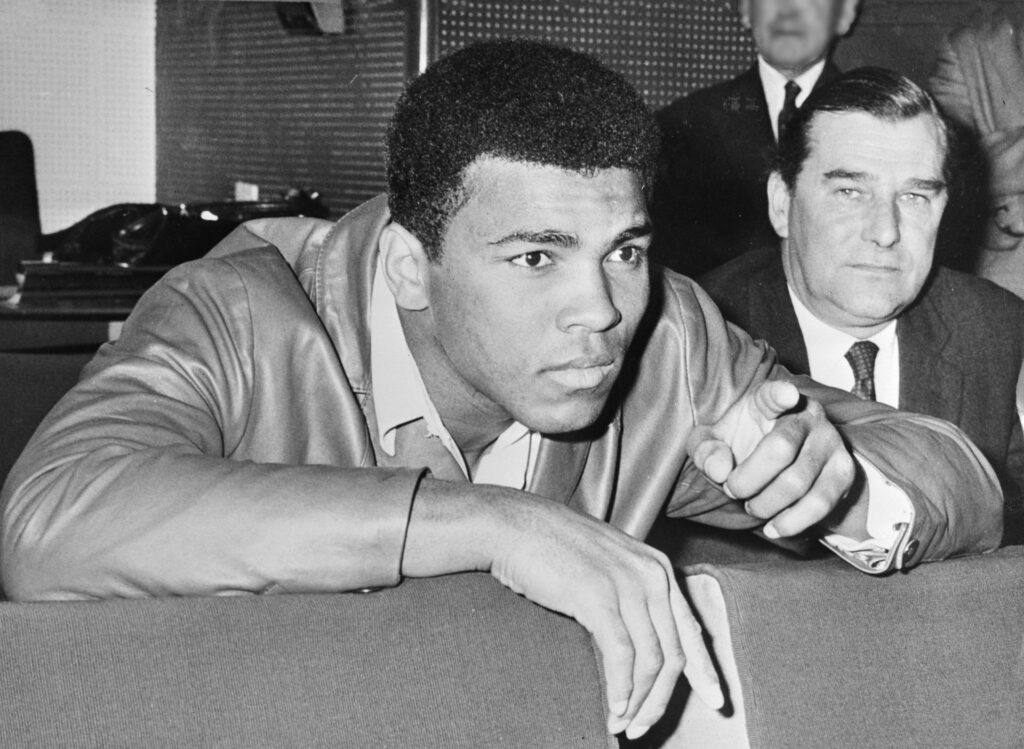
Fathers could preach patriotism from the dinner table, presidents could speak about duty and containment, but for the youth, it became painfully clear that they were being asked to bleed for an ideology they had neither authored nor trusted.
The Counterculture Erupts
Naturally, all the built-up disenchantment had to have an outburst, as all things must. And this eruption was far deeper than mere marches, speeches and rallies. It was the helpless thrashing of a thousand arms in the face of a blue and red tide that threatened to swallow them whole, just because it could.
When one sees helplessness all around, the need for an outlet to blow off the steam (to put it lightly) becomes necessary.
The resistance was seeping into every aspect of life, be it the music people listened to, the clothes they wore, the drugs they took, the ways they loved, the gods they prayed to, and the futures they imagined for themselves.

For many young people, to look different was to think differently, and to live in open refusal of the world their parents had thrust upon them.
The Search for an Escape
Dylan had given the decade its warning siren, and a train of others was soon to follow. Artists like Joan Baez, Jimi Hendrix, Janis Joplin, The Beatles, and The Doors became the voice of the ‘disillusioned generation’. Contemporarily, psychedelic drugs promised a respite from the endless chaos all around.
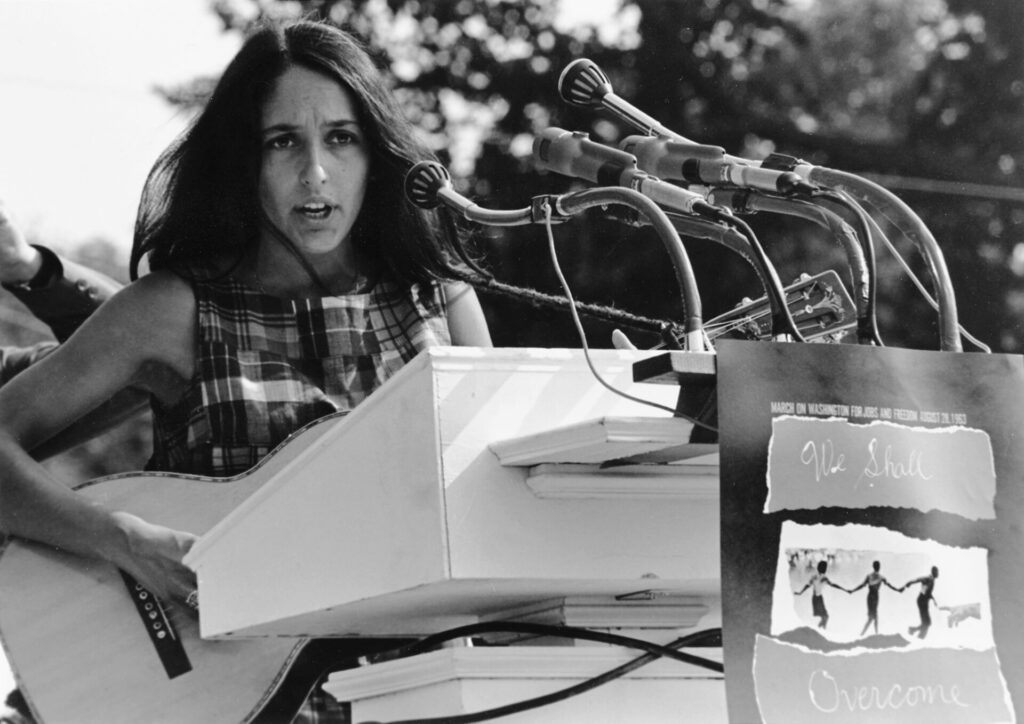
“Free love” was a deliberate defiance to the sexual conservatism of the 1950s, with Haight-Ashbury, Woodstock, and a thousand coffeehouses, basements, and festival grounds becoming temporary respites of a generation trying, sometimes beautifully, sometimes naively, to invent another way of being. “You may say I’m a dreamer”, John Lennon would say.
But yes, for a brief while, the sense of community that had brought together so many wayward sons produced a thousand imperfect little sanctuaries in which to imagine another way of being.
In communes and concert fields, in campus lawns, and smoke-filled college dorms, people were fervently trying, with all the sincerity and foolish courage of youth, to build something gentler.
Limits of Liberation
However, the counterculture was never as pure or universally emancipatory as the dreamy rolls of Kodachrome films might suggest today.
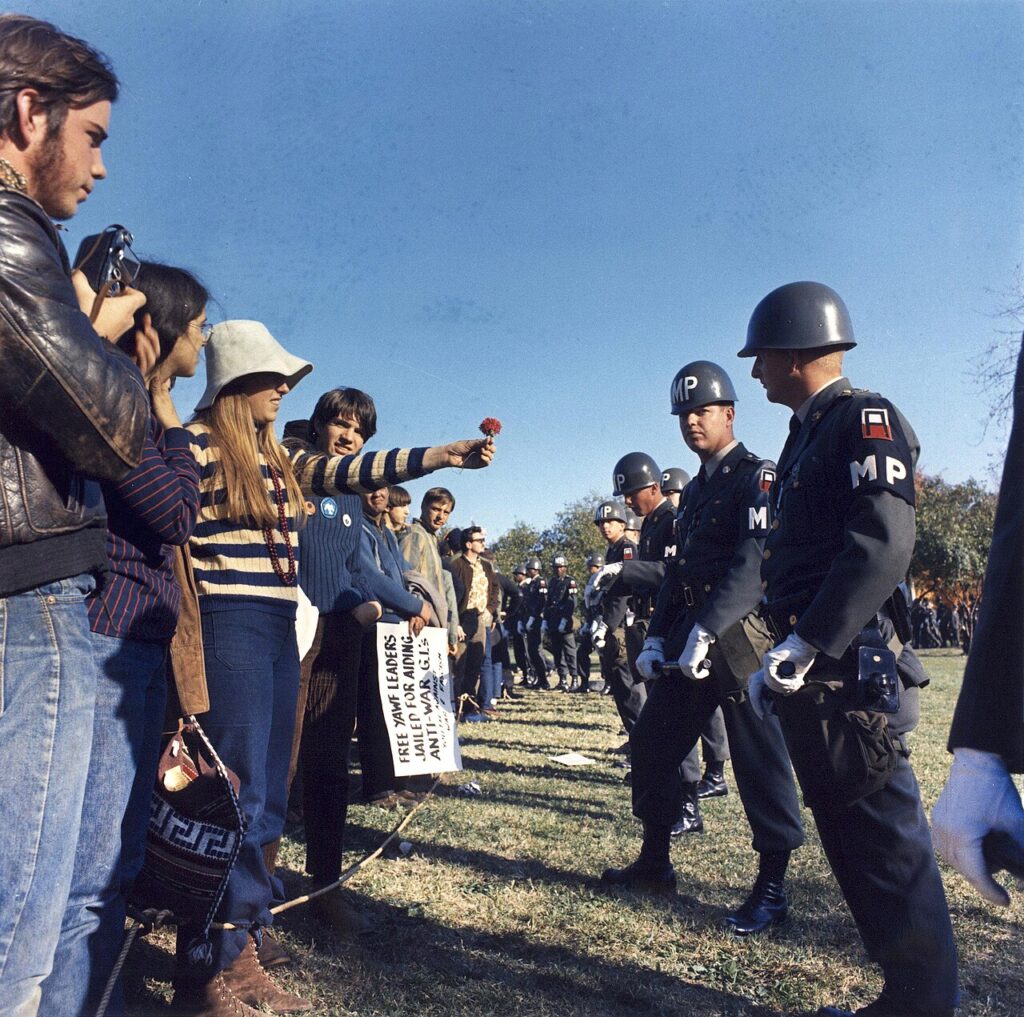
An era defined by images of flowers, guitars, and euphoric declarations could still perpetuate the very prejudices it sought to transcend. Ironically, the counterculture was predominantly populated by young, middle-class white individuals, despite the fact that many of its core values stemmed from the sacrifices made by the Black resistance. In addition, women were still subjected to the role of accepting the psychological, household, and sexual suppression, to a large extent.
Despite its radical nature, the counterculture often failed to comprehend how entrenched the systems it opposed had become within those who had set out to overthrow them. Soon enough, the usual suspects, self-importance, pride, envy, and exhaustion crept into the communal living quarters, too.
As the decade wound to a close, the glow had begun to dim, the child had grown, and the dream was all but gone. Woodstock, held in August 1969, served as the perfect goodbye to an euphoric generation, at its most mythic, with roughly 400,000 people gathering in Bethel, New York.
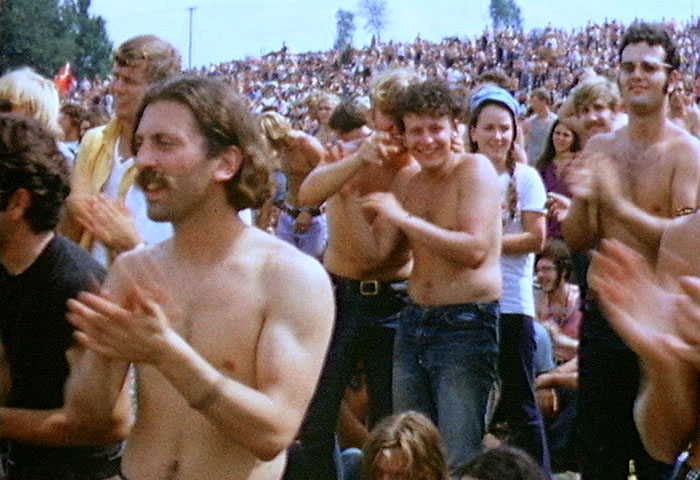
Altamont, just four months later, was its dark mirror. The dreaded ‘Hell’s Angels’ had been hired as security, and as was their nature, they violently clashed with the concertgoers.
Meredith Hunter, an eighteen-year-old black teenager, was fatally stabbed during the Rolling Stones’ set. Much has been written of Altamont as “the day the music died,” and though that may be a romantic simplification, the symbolism is difficult to ignore.
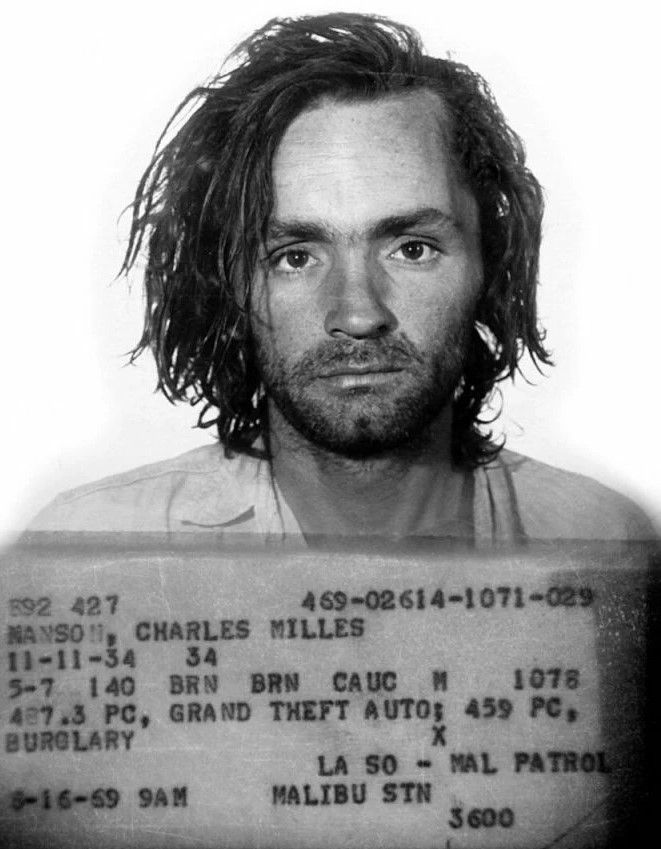
Even beyond the concert, 1969 seemed to have been a year that all but curdled the counterculture. The Tate-LaBianca murders, carried out by followers of Charles Manson in August 1969, gave the American public a grotesque caricature of communal living and “free love”, something that the government and the ‘elders’ had been upon their haunches to prove.
From Marches to Merch
‘Laugh about it, shout about it
When you’ve got to choose
Every way you look at this, you lose’
The cruellest irony of the counterculture was that very soon, rebellion itself became marketable. Think about it, how often do you see rainbow peace-sign patches, so-called “hippie” hoodies, or psychedelic prints mass-produced for casual consumption?
It is almost funny. Techniques like tie dye, which were devised precisely because they made every piece of clothing unique, are now manufactured to look exactly the same. It has happened far more often than one might like to admit.
The long hair, denim, fringe, posters, and records are all aesthetic statements today. Do we really stop to think of the place from which they were produced? I think not. Capitalism, it turned out, was remarkably adept at absorbing critique and generating profits even from its own criticism.

The Times They Changed
And yet, to judge the counterculture based only on its contradictions, excesses, or eventual commercialisation would be to overlook what made it historically transformative and truly significant. It did not end the war, dismantle the hierarchy, or create the gentler world it so passionately hoped to achieve.
But it did permanently change the way people lived in the modern West. It changed the vocabulary of protests, the politics of the body, and even the very notion of what freedom meant, apart from simply casting a vote at the ballot box.
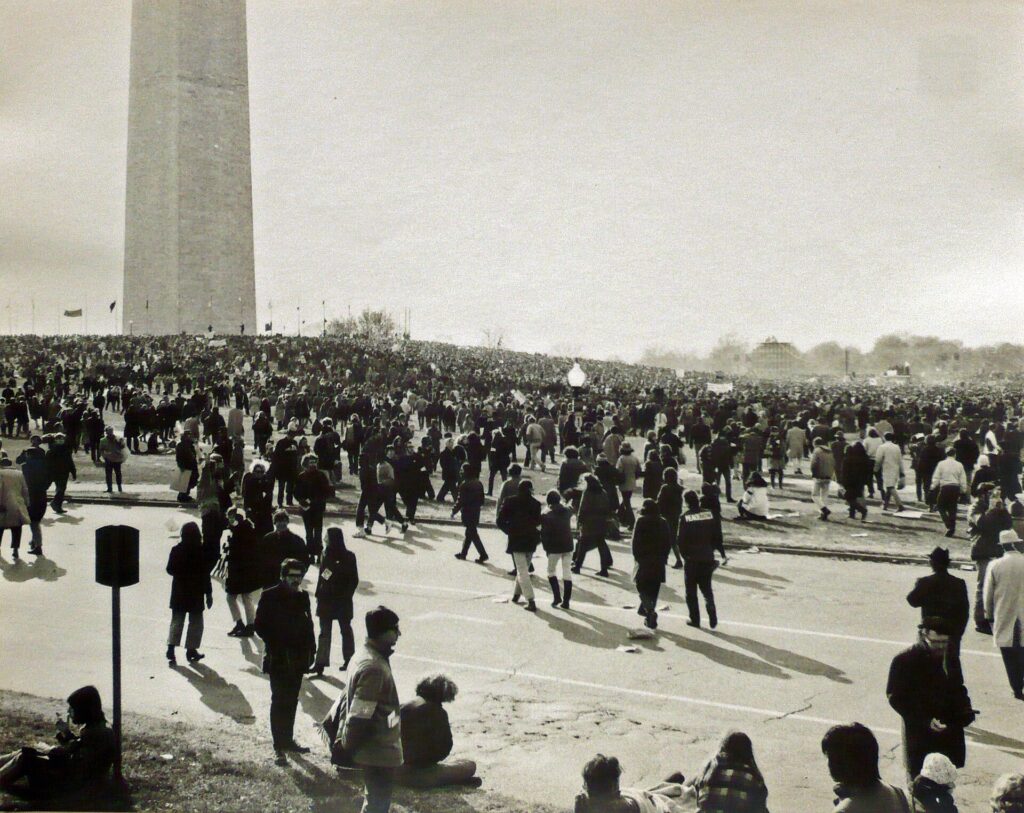
It opened the eyes of an entire generation of young people, teaching them that it was possible to defy authority, that the choices that made up one’s private life could hold political significance, and that individuality was not something to be sacrificed at the altar of adulthood.
Though fragmented, commercialised, and perhaps dismissed as the nostalgic reveries of an ageing geezer, the ideas the counterculture left behind are far more tenacious. The very notion that the world as you inherited it was not the world you were obliged to inhabit was a truth forever etched into Western philosophy.
“A hard rain’s a-gonna fall,” sang Dylan, and fall it did during those turbulent years that a generation believed him.